 EN
EN


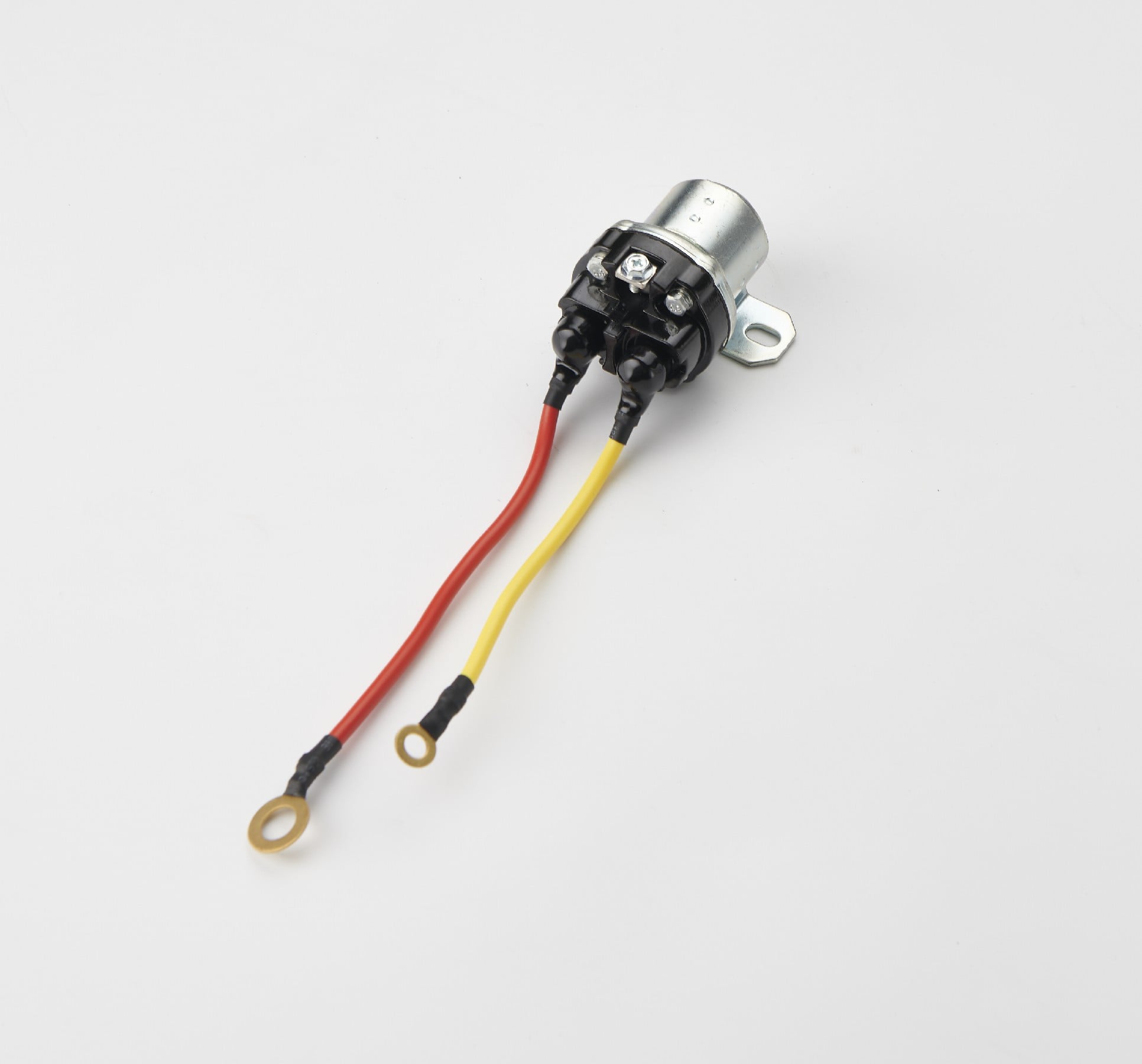
Understanding the difference between a starter relay and a solenoid is critical for diagnosing engine starting problems. When your vehicle fails to start or produces clicking sounds, the culprit could be either component, but they operate differently and fail for distinct reasons. A starter relay is an electromagnetic switch that controls power delivery to the starter motor, while a solenoid is an electromagnet that physically engages the starter gear with the engine's flywheel. Identifying which one has failed requires knowing the symptoms specific to each component and understanding their roles in the starting system.
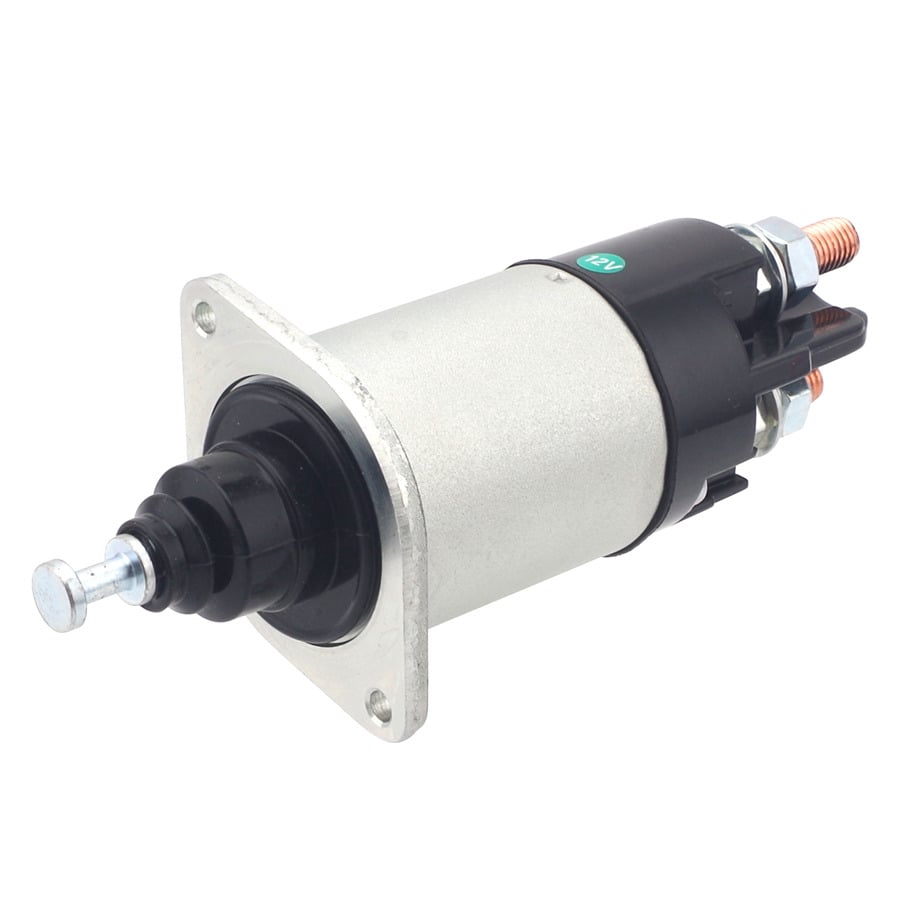
Most drivers overlook the starter relay as a potential cause of starting failures because the solenoid receives more attention in maintenance guides. However, both components are equally susceptible to wear, corrosion, and electrical stress. This guide explains how to tell whether your starter relay has failed, how to distinguish it from a solenoid failure, and what diagnostic steps you should take before replacing either part. Knowing these distinctions will save time and money during repairs.
Understanding Starter Relay vs Solenoid Function
What a Starter Relay Does
The starter relay is an electromagnetic switch located in the fuse and relay box under the hood or dashboard. When you turn the ignition key, the starter relay receives a low-voltage signal from the ignition switch and amplifies it to deliver high-voltage power to the starter motor. Essentially, the starter relay is a gateway that prevents the ignition switch from handling the massive electrical load required to crank the engine. Without a functioning starter relay, power never reaches the starter motor, even though the rest of the electrical system operates normally.
What a Solenoid Does
The solenoid works in tandem with the starter relay to complete the starting process. Once the starter relay activates, power flows through the solenoid, which is mounted directly on or near the starter motor. The solenoid's electromagnetic coil energizes, pulling a mechanical plunger that engages the starter pinion gear with the engine's flywheel. This physical engagement is what spins the engine to initiate combustion. If the solenoid fails to energize or its plunger becomes stuck, the starter motor cannot engage, even if the starter relay is functioning perfectly.
Identifying Starter Relay Failure Symptoms
Recognizing the Signs of a Failed Starter Relay
A failed starter relay typically produces one of four distinct symptoms. The most obvious is complete electrical silence—when you turn the key, nothing happens. No starter motor cranking, no clicking sounds, and no dashboard warning lights. Your headlights, interior lights, and radio continue working normally, which is the telltale sign that the rest of the electrical system is intact. This points directly to a starter relay failure because power is reaching the vehicle's electrical systems but not the starter motor itself.
Another classic starter relay failure symptom is intermittent starting problems. Your vehicle may start fine one time and refuse to start the next. This inconsistency often indicates a failing starter relay contact rather than a complete breakdown. The relay's internal contact points may be corroded or partially worn, allowing current to flow sporadically. You might notice this pattern worsens in cold weather or after the vehicle sits for extended periods, as corrosion becomes more pronounced under thermal stress.
Electrical Testing for Starter Relay Problems
To confirm a starter relay failure, locate the relay in your fuse box and use a multimeter to test it. With the ignition key in the 'on' position, measure the voltage at the relay's power supply terminals. If you read battery voltage but the relay fails to click or activate, the internal contacts are likely corroded or damaged. Many mechanics swap the suspected starter relay with an identical relay from another circuit—such as the fuel pump relay—to see if the problem follows the relay or remains with the original slot. This swap test is the quickest diagnostic for starter relay problems without specialized equipment.
Identifying Solenoid Failure Symptoms
Recognizing the Signs of a Failed Solenoid
Solenoid failures produce a distinctly different symptom pattern than starter relay problems. The most common sign is rapid clicking or buzzing sounds coming from under the hood, repeating rhythmically with each turn of the ignition key. This rapid clicking indicates that power is reaching the solenoid coil, but the plunger cannot engage or disengage properly. A stuck solenoid plunger prevents the starter pinion from meshing with the flywheel, leaving the starter motor spinning without turning the engine. You may also notice a single loud click followed by silence, which means the solenoid energized once but the plunger became seized inside its bore.
Another solenoid failure symptom is a grinding noise during cranking. If the solenoid engages only partially, the starter pinion may not fully seat in the flywheel gear teeth, causing friction and grinding sounds. This partial engagement can also damage both the flywheel ring gear and the starter pinion over time. Unlike a failed starter relay, a failing solenoid usually allows some electrical activity—either clicking or partial cranking—which is the key diagnostic difference. If you hear any sounds at all when attempting to start, the starter relay is likely working, and attention should focus on the solenoid.
Visual and Physical Inspection for Solenoid Faults
Physically accessing the solenoid is more difficult than the starter relay, but visual inspection can reveal problems. Look for corrosion, burnt terminals, or fluid leakage around the solenoid housing. Burnt terminals indicate sustained electrical arcing, which typically destroys the solenoid's internal contacts. Fluid accumulation may suggest coolant or oil leakage from the engine block, which can corrode the solenoid's electrical connections. Gently tap the solenoid housing with a rubber mallet while an assistant turns the ignition key to listen for any response. If tapping temporarily restores function, internal corrosion or a seized plunger is likely the cause, and replacement is necessary.
Differentiating Between Relay and Solenoid Failures
How to Distinguish Between the Two
The primary diagnostic separator is the presence or absence of sound and electrical activity. A failed starter relay produces silence and electrical inactivity when the key turns. A failed solenoid produces clicking, buzzing, grinding, or partial cranking activity. If your vehicle is completely silent with no dashboard response and all other electrical systems functioning, your starter relay has likely failed. If your vehicle produces any mechanical or electrical sounds—clicking, buzzing, or grinding—the starter relay is probably operational, and the solenoid is at fault.
Voltage testing provides a definitive answer when diagnostic sounds are ambiguous. With a multimeter, test the voltage at the starter motor's positive terminal while the ignition is turned to the start position. If full battery voltage appears at the starter motor terminal but the starter motor does not spin, the starter relay is passing power correctly, and a failed solenoid is the issue. If no voltage appears at the starter motor terminal despite the key turning, the starter relay itself is blocking power delivery and requires replacement.
Environmental and Age-Related Failure Patterns
Both components degrade under similar environmental stressors, but at different rates. The starter relay, housed inside a fuse box, is protected from direct moisture and temperature fluctuations, giving it a longer typical lifespan of 10 to 15 years. The solenoid, mounted directly on the starter motor and exposed to engine heat, faces greater thermal cycling and humidity exposure. Solenoids typically fail between 5 and 10 years of operation, especially in high-mileage vehicles or those subjected to frequent cold starts. Vehicles driven in wet or coastal environments experience accelerated corrosion of both components, so environmental context matters during diagnosis.
FAQ
Can a bad starter relay cause clicking sounds?
A failed starter relay typically produces complete silence rather than clicking. However, if a starter relay is beginning to fail and its contacts are partially corroded, it may create intermittent connections that result in sporadic clicking as it engages and disengages. This is different from the rapid, rhythmic clicking produced by a solenoid failure. If clicking occurs consistently every time you turn the key, the solenoid is almost certainly the failed component, not the starter relay.
How do I test a starter relay without removing it?
You can test a starter relay using a multimeter and the swap test method. First, set your multimeter to measure DC voltage and locate the relay in your fuse box. Note the relay's terminal positions, then measure the voltage at the appropriate terminals while the ignition is turned on. If voltage is present but the relay does not activate or click, the internal contacts are likely bad. The swap test involves removing the suspected starter relay and replacing it temporarily with an identical relay from another circuit, such as a fuel pump relay. If the vehicle starts with the swapped relay, the original relay is faulty.
What is the average cost to replace a starter relay?
A replacement starter relay typically costs between 20 and 80 dollars, depending on your vehicle's make and model. Labor costs are minimal because the relay sits inside an easily accessible fuse and relay box; most mechanics can complete the replacement in 15 to 30 minutes. Total repair cost for a starter relay replacement usually falls between 50 and 150 dollars at a professional shop. This makes starter relay replacement one of the least expensive automotive electrical repairs, which is why testing and diagnosis are worthwhile before assuming more costly solenoid replacement is necessary.
