EN
EN



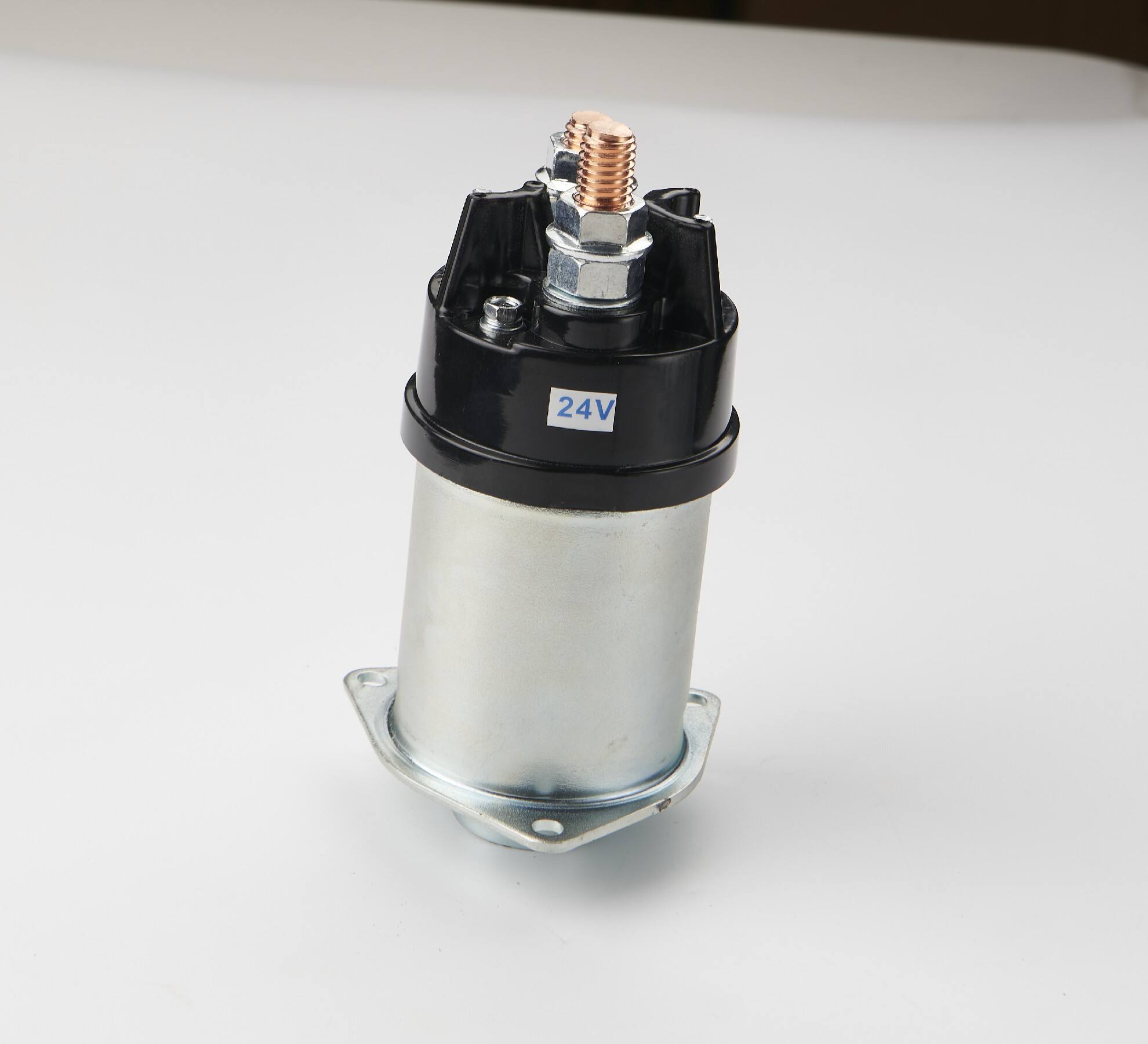
When you turn the ignition key and hear a clicking sound but your engine refuses to crank, the problem often lies within the starting system, particularly with the starter motor solenoid. This common automotive issue can leave drivers stranded and frustrated, especially when they're unsure about the root cause. Understanding how the starter motor solenoid functions and what causes it to malfunction is essential for both automotive professionals and vehicle owners who want to diagnose and resolve starting problems effectively.
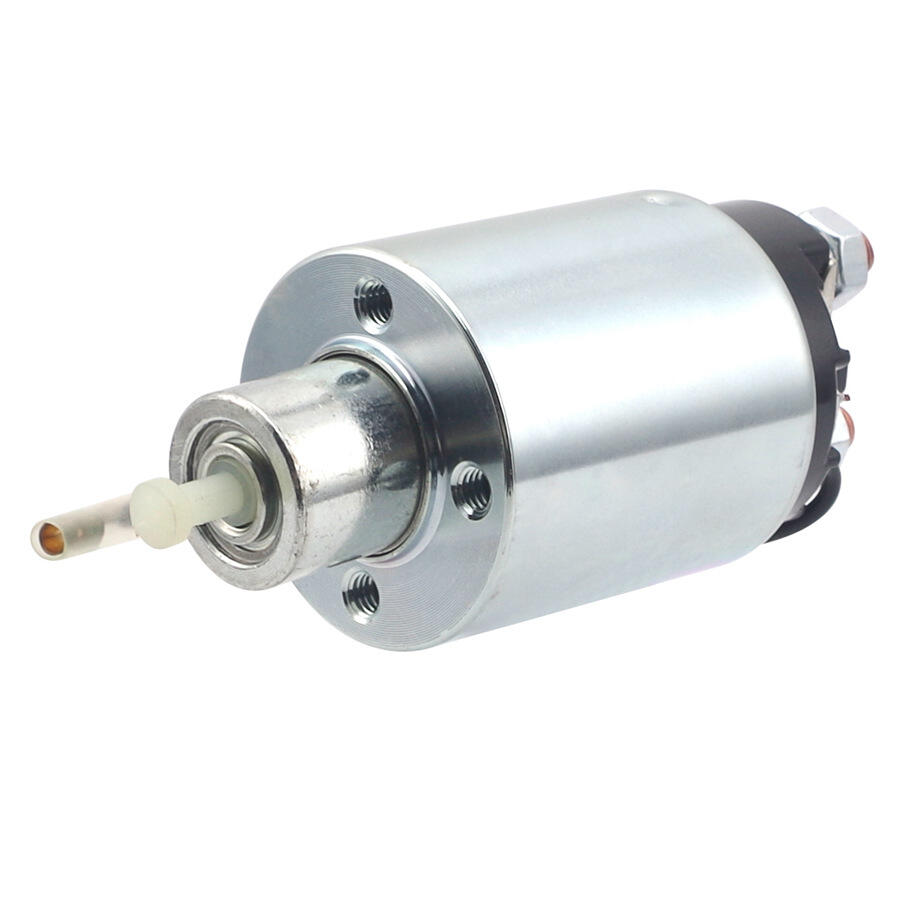
The clicking sound you hear when attempting to start your vehicle typically indicates that the starter motor solenoid is receiving electrical power and attempting to engage, but something is preventing the complete starting sequence from occurring. This partial engagement creates the characteristic clicking noise that many drivers recognize as a sign of trouble. While the solenoid itself may be functioning to some degree, various factors can prevent the engine from cranking properly, ranging from electrical issues to mechanical failures within the starting system.
Proper diagnosis of starter motor solenoid problems requires a systematic approach that examines both electrical and mechanical components. The starting system involves multiple interconnected parts, including the battery, ignition switch, starter relay, solenoid, and the starter motor itself. When any of these components fails or operates below specification, the entire starting process can be compromised, resulting in the frustrating scenario where you hear activity but see no results.
Understanding Starter Motor Solenoid Operation
Basic Solenoid Function and Design
The starter motor solenoid serves as both an electrical switch and a mechanical actuator within the vehicle's starting system. When you turn the ignition key to the start position, electrical current flows from the battery through the ignition switch to the solenoid. This electrical signal activates an electromagnetic coil within the solenoid housing, creating a magnetic field that pulls a movable plunger or armature into position. The movement of this plunger serves two critical functions in the starting process.
First, the plunger's movement closes heavy-duty electrical contacts that allow full battery power to flow directly to the starter motor. These contacts are designed to handle the high amperage required to operate the starter motor, typically ranging from 100 to 400 amperes depending on the engine size and starter specifications. Second, the plunger's mechanical action pushes the starter drive gear, also known as the Bendix drive, forward to engage with the engine's flywheel or ring gear. This dual action ensures that electrical power reaches the motor at the same moment the drive gear engages with the engine.
The solenoid housing typically contains two separate windings: a pull-in winding and a hold-in winding. The pull-in winding draws higher current initially to overcome the spring tension and pull the plunger into position quickly. Once the plunger reaches its fully engaged position, the hold-in winding maintains the plunger's position with lower current draw. This design allows for efficient operation while preventing excessive heat buildup during extended cranking periods.
Electrical Circuit Integration
Within the vehicle's electrical system, the starter motor solenoid acts as the final control point before high-amperage current reaches the starter motor. The solenoid receives its activation signal through a relatively low-current circuit that includes the ignition switch, starter relay, neutral safety switch (on automatic transmissions), and clutch safety switch (on manual transmissions). This control circuit typically operates on 12 volts with current draw measured in amperes rather than the hundreds of amperes required by the starter motor itself.
The solenoid's electrical connections include several terminals that serve different purposes. The small terminal, often marked as 'S' or 'start,' receives the activation signal from the ignition switch circuit. The battery terminal, marked as 'B' or 'BAT,' connects directly to the positive battery cable. The motor terminal, marked as 'M' or 'MOT,' sends power to the starter motor when the solenoid contacts close. Some solenoids also feature an ignition terminal that provides power to the ignition system during cranking, ensuring consistent spark delivery while the starter motor is operating.
Understanding this electrical integration helps explain why solenoid problems can manifest in various ways. A failure in the control circuit might prevent the solenoid from receiving its activation signal, while problems within the solenoid itself might allow the control circuit to function normally but prevent proper power delivery to the starter motor. This complexity requires systematic troubleshooting to identify the specific failure point within the starting system.
Common Causes of Clicking Without Cranking
Battery and Power Supply Issues
Insufficient battery voltage represents one of the most frequent causes of starter motor solenoid clicking without engine cranking. When battery voltage drops below the threshold required for proper starter motor operation, the solenoid may still receive enough power to activate and close its contacts, creating the characteristic clicking sound. However, the reduced voltage cannot provide adequate current to turn the starter motor under the load of engine compression, resulting in immediate contact opening and repeated clicking as the solenoid attempts to engage repeatedly.
Battery degradation occurs gradually over time, with internal resistance increasing and capacity decreasing due to plate sulfation, electrolyte evaporation, and general wear. Cold weather exacerbates these conditions by reducing battery capacity and increasing engine oil viscosity, creating higher cranking loads. A battery that performs adequately under normal conditions may fail to provide sufficient power during cold starts or after extended periods of inactivity. Testing battery voltage under load provides the most accurate assessment of its ability to support starting system operation.
Corroded or loose battery connections can create similar symptoms by increasing resistance in the power supply circuit. Even small amounts of corrosion at battery terminals can significantly impact current flow, particularly under the high-load conditions present during engine cranking. The voltage drop across corroded connections may allow the solenoid to activate initially but prevent sustained power delivery to the starter motor. Regular cleaning and proper tightening of battery connections helps prevent these issues and ensures reliable starting system performance.
Solenoid Internal Failures
Internal solenoid failures can manifest in several ways that produce clicking sounds without successful engine cranking. Worn or burned electrical contacts within the starter motor solenoid may fail to maintain proper connection even when the electromagnetic coil functions correctly. These contacts experience significant electrical stress during normal operation, with high current flow and arcing contributing to gradual degradation over time. When contacts become severely worn or pitted, they may make momentary connection but fail to sustain the current flow required for starter motor operation.
Mechanical wear within the solenoid assembly can prevent proper plunger movement despite normal electromagnetic coil operation. The plunger assembly includes springs, guides, and sealing components that can wear or become contaminated over time. Dirt, moisture, or corrosion within the solenoid housing may impede plunger movement, preventing full engagement of the electrical contacts or proper extension of the starter drive gear. This mechanical binding can cause the solenoid to cycle repeatedly as it attempts to complete its engagement sequence.
Electromagnetic coil failures represent another category of internal solenoid problems. The pull-in and hold-in windings within the solenoid can develop open circuits, short circuits, or increased resistance due to wire insulation breakdown or connection failures. A failed pull-in winding might prevent initial solenoid engagement, while a failed hold-in winding could allow initial engagement but prevent the solenoid from maintaining its position. These electrical failures often develop gradually, causing intermittent starting problems before complete failure occurs.
Diagnostic Procedures and Testing Methods
Electrical System Testing
Systematic electrical testing provides the foundation for accurate starter motor solenoid diagnosis. Begin by measuring battery voltage with a digital multimeter, checking both resting voltage and voltage under load. A fully charged 12-volt battery should measure approximately 12.6 volts at rest and maintain at least 10.5 volts during cranking attempts. Voltage readings below these thresholds indicate battery problems that must be addressed before proceeding with further diagnosis. Load testing equipment can provide more precise assessment of battery condition under simulated cranking loads.
Testing voltage at the solenoid terminals helps identify circuit problems and component failures. With the ignition key in the start position, the small activation terminal should receive full battery voltage, typically 12 volts or more. Absence of voltage at this terminal indicates problems in the control circuit, including faulty ignition switches, starter relays, or safety switches. When activation voltage is present but the solenoid fails to engage, internal solenoid problems are likely. Measuring voltage drop across solenoid connections during attempted cranking can reveal high-resistance connections or contact problems.
Current draw testing provides valuable information about starter motor condition and system operation. A healthy starter motor typically draws between 100 and 300 amperes during cranking, depending on engine displacement and compression ratio. Excessive current draw may indicate internal starter motor problems, such as worn brushes or armature issues, while insufficient current draw despite proper voltage suggests high-resistance connections or solenoid contact problems. Clamp-on ammeters allow current measurement without disconnecting circuits, facilitating safe and accurate testing.
Mechanical Component Inspection
Visual inspection of solenoid mounting and connections reveals many common problems that cause clicking without cranking. Examine all electrical connections for corrosion, looseness, or damage that could create high-resistance conditions. Pay particular attention to the large battery and motor cables, as these carry the highest current and are most susceptible to connection problems. Corrosion at these connections often appears as white, green, or blue deposits around terminal connections, indicating the need for cleaning and proper reconnection.
Mechanical inspection should include examination of the starter drive gear engagement system. The Bendix drive mechanism must move freely and engage properly with the engine flywheel or ring gear. Wear or damage to the drive gear teeth, binding in the drive mechanism, or problems with the overrunning clutch can prevent proper engagement even when the solenoid operates correctly. Remove the starter motor when necessary to inspect these components thoroughly, checking for wear patterns, damage, or contamination that might impede operation.
Testing solenoid plunger movement helps identify mechanical problems within the solenoid assembly. With the solenoid removed from the starter motor, applying 12 volts to the activation terminal should produce audible and visible plunger movement. The plunger should extend smoothly and return to its resting position when power is removed. Binding, hesitation, or failure to return properly indicates internal mechanical problems that require solenoid replacement. This test isolates solenoid mechanical function from other starting system components.
Repair Solutions and Replacement Procedures
Solenoid Replacement Techniques
Replacing a faulty starter motor solenoid requires careful attention to electrical connections and mechanical installation procedures. Begin by disconnecting the negative battery cable to prevent accidental electrical contact during the replacement process. Remove all electrical connections from the solenoid terminals, taking note of their positions for proper reconnection. Many solenoids are mounted directly to the starter motor housing, requiring removal of mounting bolts or screws that secure the solenoid assembly to the motor.
When installing the replacement solenoid, ensure proper alignment of all mechanical components, particularly the connection between the solenoid plunger and the starter drive mechanism. Improper alignment can prevent proper engagement or cause premature wear of mechanical components. Apply appropriate torque specifications to mounting hardware, avoiding over-tightening that could damage housing threads or under-tightening that allows loosening during operation. Use dielectric grease on electrical connections to prevent corrosion and ensure reliable long-term performance.
Quality replacement parts significantly impact repair longevity and system reliability. Choose solenoids that meet or exceed original equipment specifications, paying attention to electrical ratings, mechanical dimensions, and terminal configurations. Some aftermarket solenoids may require minor modifications to mounting or electrical connections, making exact-fit replacements preferable when available. Verify that replacement parts include all necessary gaskets, seals, and hardware required for complete installation.
System Testing After Repair
Comprehensive testing following solenoid replacement ensures proper repair completion and identifies any remaining system problems. Begin with basic electrical tests, measuring voltage at all solenoid terminals during cranking attempts. The activation terminal should receive full battery voltage when the ignition key is turned to the start position, while the motor terminal should show battery voltage when the solenoid engages. Voltage drop tests across all connections should show minimal resistance, typically less than 0.2 volts across each connection point.
Functional testing should include multiple start attempts under various conditions to verify reliable operation. Test starting with the engine cold, warm, and after extended periods of inactivity to ensure consistent performance across different operating conditions. Monitor starter motor current draw during these tests to confirm normal operation within manufacturer specifications. Excessive current draw may indicate remaining problems with the starter motor itself, while insufficient current suggests ongoing electrical issues.
Document all test results and repair procedures for future reference and warranty purposes. Proper documentation helps track system performance over time and provides valuable information for diagnosing future problems. Include battery test results, voltage measurements, current draw readings, and any observations about system operation or component condition. This information proves particularly valuable when intermittent problems develop or when additional repairs become necessary.
Prevention and Maintenance Strategies
Regular Inspection Protocols
Implementing regular inspection protocols helps identify potential starter motor solenoid problems before they result in complete starting system failure. Include solenoid inspection as part of routine maintenance schedules, examining electrical connections for signs of corrosion, looseness, or damage. Clean battery terminals and starting system connections annually or more frequently in harsh operating environments where corrosion accelerates. Apply protective coatings to electrical connections to prevent moisture intrusion and corrosion formation.
Battery maintenance directly impacts solenoid longevity and starting system reliability. Test battery condition regularly using load testing equipment or conductance testers that provide accurate assessment of battery health. Replace batteries before complete failure to prevent damage to other starting system components. Weak batteries force solenoids to work harder and cycle more frequently, accelerating wear and increasing the likelihood of contact or mechanical failures.
Environmental factors significantly influence solenoid performance and longevity. Protect electrical connections from moisture, road salt, and other corrosive substances that can accelerate component degradation. Consider installing protective covers or shields in areas where exposure is unavoidable. Address any engine oil or coolant leaks that might contaminate starting system components, as these fluids can interfere with electrical connections and mechanical operation.
Operating Best Practices
Proper starting procedures reduce stress on solenoid components and extend system life. Avoid extended cranking periods that can overheat solenoid windings and contacts. Limit cranking attempts to 10-15 seconds maximum, allowing several minutes between attempts for component cooling. Extended cranking under difficult starting conditions places exceptional stress on all starting system components, potentially causing premature failure even in healthy systems.
Address engine problems that increase cranking load promptly to prevent unnecessary starting system stress. Hard starting conditions caused by fuel system problems, ignition issues, or mechanical engine problems force the starting system to work harder than designed. Resolve these underlying problems to maintain normal cranking loads and prevent premature wear of starter motor solenoid components. Regular engine maintenance contributes directly to starting system longevity.
Monitor starting system performance for early warning signs of developing problems. Changes in cranking speed, unusual noises, or intermittent starting difficulties often indicate developing issues that can be addressed before complete failure occurs. Address these symptoms promptly through proper diagnosis and repair to prevent more extensive and expensive damage to starting system components. Early intervention typically results in less costly repairs and improved system reliability.
FAQ
Why does my starter solenoid click but the engine won't turn over
When your starter solenoid clicks but the engine won't turn over, it typically indicates that the solenoid is receiving electrical power and attempting to engage, but something is preventing complete operation. The most common causes include insufficient battery voltage, worn solenoid contacts, or mechanical binding within the solenoid assembly. The clicking sound occurs when the solenoid repeatedly attempts to engage but cannot maintain connection due to these underlying problems. Systematic testing of battery voltage, solenoid connections, and mechanical components helps identify the specific cause.
Can a bad starter motor cause solenoid clicking without cranking
Yes, a faulty starter motor can cause solenoid clicking without engine cranking. When the starter motor develops internal problems such as worn brushes, damaged armature windings, or seized bearings, it may draw excessive current or present too much mechanical resistance for the solenoid to overcome. The solenoid attempts to engage but immediately disengages due to the high current draw or mechanical binding, creating the characteristic clicking sound. This condition requires starter motor repair or replacement rather than solenoid service.
How can I tell if the problem is the solenoid or the starter motor
Distinguishing between solenoid and starter motor problems requires systematic testing of electrical and mechanical components. Test battery voltage and solenoid activation signals first to eliminate electrical supply issues. If electrical tests are normal but clicking continues, remove the starter assembly and test the solenoid separately by applying 12 volts to its activation terminal. A properly functioning solenoid should engage with a solid thunk sound and extend its plunger fully. If the solenoid tests good but the complete assembly fails to operate, the starter motor likely requires attention.
Is it safe to drive with a clicking starter solenoid
Driving with a clicking starter solenoid is generally not recommended because the condition indicates an unreliable starting system that may fail completely without warning. While the vehicle may start intermittently, the underlying problem will typically worsen over time, potentially leaving you stranded in inconvenient or unsafe locations. Additionally, repeated clicking cycles can cause additional damage to solenoid contacts and other starting system components, resulting in more expensive repairs. Address starting system problems promptly to ensure reliable transportation and prevent more extensive damage.