EN
EN



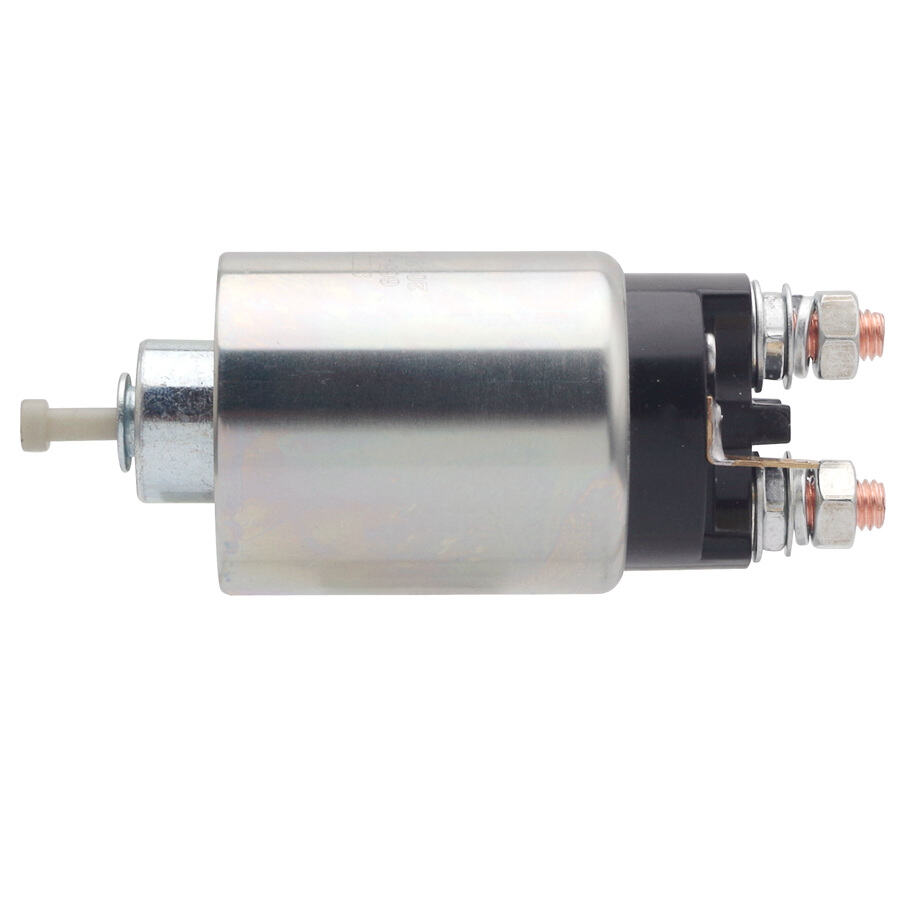
When your Ford vehicle fails to start, the culprit could be a malfunctioning starter solenoid. This critical component acts as the electrical bridge between your ignition switch and starter motor, making the choice between OEM and aftermarket options crucial for vehicle reliability. Understanding the differences between original equipment manufacturer parts and aftermarket alternatives can save you both money and frustration while ensuring your Ford starter solenoid performs optimally for years to come.
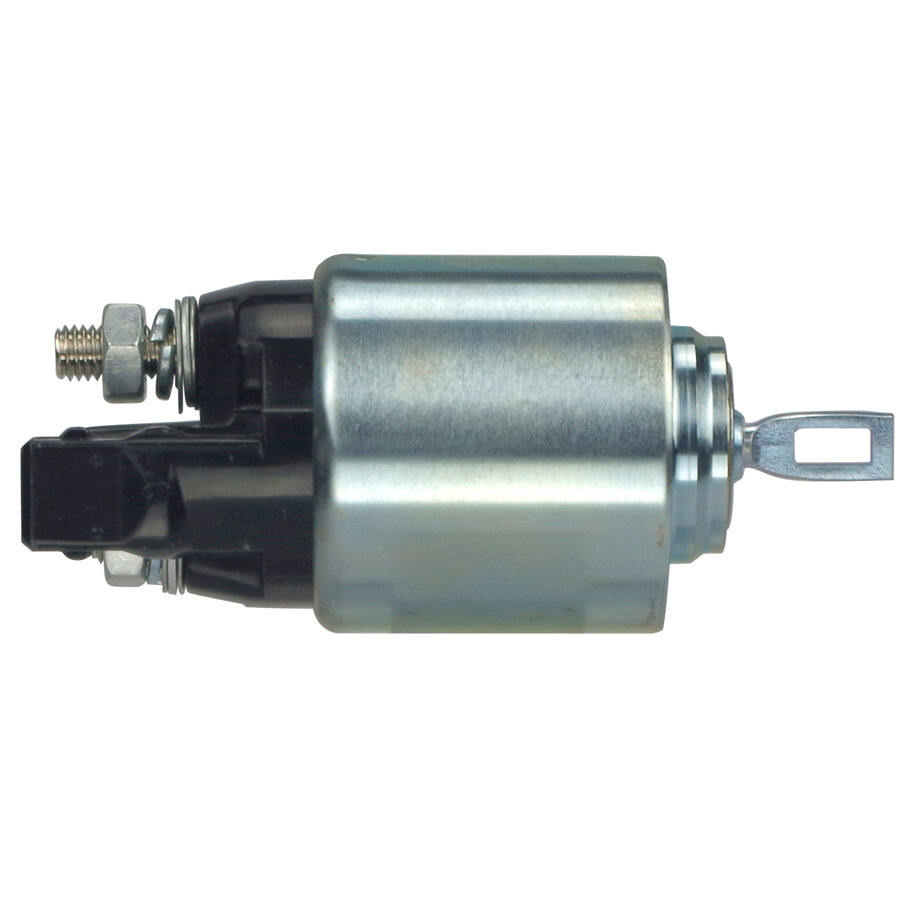
Understanding Ford Starter Solenoid Functionality
Core Operating Principles
The ford starter solenoid operates as an electromagnetic switch that controls high-current flow to the starter motor. When you turn the ignition key, a small electrical signal activates the solenoid, which then closes heavy-duty contacts to send battery power directly to the starter. This two-stage process protects your ignition switch from handling the substantial amperage required to crank the engine, typically ranging from 150 to 400 amps depending on your Ford model.
Modern Ford vehicles incorporate sophisticated solenoid designs that include additional safety features and diagnostic capabilities. These components must withstand extreme temperature variations, vibration, and electrical stress while maintaining consistent performance across thousands of start cycles. The solenoid housing contains both the electromagnetic coil and heavy-duty contacts, all engineered to meet Ford's specific voltage and amperage requirements.
Common Failure Modes and Symptoms
Ford starter solenoids typically fail due to contact wear, coil degradation, or housing damage from environmental factors. Early warning signs include intermittent starting issues, clicking sounds without engine cranking, or complete electrical failure when attempting to start. Heat buildup from excessive current draw can cause contact welding, while moisture infiltration may lead to corrosion and reduced electrical conductivity.
Diagnostic procedures for solenoid failure involve voltage testing across the component terminals and resistance measurements of the electromagnetic coil. Professional technicians use specialized equipment to verify proper solenoid operation under load conditions, ensuring accurate diagnosis before replacement. Understanding these failure patterns helps vehicle owners make informed decisions about replacement timing and component selection.
OEM Ford Starter Solenoid Specifications
Manufacturing Standards and Quality Control
Original Equipment Manufacturer solenoids undergo rigorous testing protocols that exceed standard automotive industry requirements. Ford's quality control processes include temperature cycling tests, vibration resistance evaluations, and electrical performance validation across various operating conditions. These components feature precision-engineered tolerances and materials specifically selected for compatibility with Ford's electrical systems and mounting configurations.
OEM solenoids incorporate advanced metallurgy in their contact surfaces, utilizing silver-tungsten alloys that resist welding and maintain low electrical resistance over extended service life. The electromagnetic coil windings use high-grade copper wire with specialized insulation designed to withstand the thermal stress of repeated activation cycles. Housing materials feature corrosion-resistant coatings and precise dimensional stability to ensure proper fit within Ford's starter assemblies.
Warranty Coverage and Support
Ford OEM starter solenoids typically include comprehensive warranty coverage ranging from 12 to 24 months, depending on the specific part number and application. This warranty protection covers manufacturing defects, premature failure, and compatibility issues when installed according to Ford's service procedures. Authorized Ford dealerships provide warranty claim processing and technical support throughout the coverage period.
The warranty terms also include provisions for consequential damage protection, acknowledging that solenoid failures can potentially affect other electrical components within the starting system. Ford's warranty documentation provides clear installation guidelines and troubleshooting procedures to ensure proper component function and maintain warranty validity. This comprehensive support structure adds significant value beyond the initial component cost.
Aftermarket Starter Solenoid Options
Quality Variations and Manufacturing Sources
Aftermarket ford starter solenoid options span a wide quality spectrum, from economy-grade replacements to premium alternatives that match or exceed OEM specifications. Reputable aftermarket manufacturers invest in reverse engineering and quality assurance programs to ensure compatibility with Ford's electrical requirements. These companies often source materials globally while maintaining production standards through ISO certification and industry compliance programs.
Premium aftermarket solenoids frequently incorporate design improvements over original specifications, including enhanced contact materials, improved sealing systems, and upgraded electromagnetic coil designs. Some manufacturers offer extended-life versions with upgraded components specifically engineered for high-mileage vehicles or demanding operating conditions. However, economy-grade options may utilize lower-cost materials and simplified designs that compromise long-term reliability.
Compatibility and Installation Considerations
Aftermarket solenoid compatibility extends beyond basic dimensional requirements to include electrical specifications, terminal configurations, and mounting hardware compatibility. Quality aftermarket suppliers provide detailed application guides and cross-reference databases to ensure proper part selection for specific Ford model years and engine configurations. These resources help technicians avoid compatibility issues that could result in starting system malfunctions or electrical damage.
Installation procedures for aftermarket solenoids generally follow Ford's service guidelines, though some components may require minor modifications or additional hardware for proper fit and function. Professional installation ensures correct electrical connections and proper torque specifications on mounting hardware. Quality aftermarket suppliers provide installation instructions and technical support to facilitate successful component replacement and optimal system performance.
2025 Price Analysis and Market Trends
OEM Pricing Structure
Ford OEM starter solenoid pricing in 2025 reflects the premium associated with original equipment specifications and warranty coverage. Typical retail prices range from $45 to $120 depending on the specific Ford model and solenoid configuration. Dealership pricing often includes markup percentages that can increase costs by 20-40% compared to online OEM part suppliers, though dealership purchases may include installation consultation and warranty claim support.
Volume pricing discounts become available through Ford's wholesale distribution network, benefiting commercial fleet operators and high-volume repair facilities. Seasonal price fluctuations may occur due to manufacturing capacity and raw material costs, particularly for copper and precious metal components used in electrical contacts. Long-term pricing trends suggest moderate increases driven by enhanced manufacturing standards and environmental compliance requirements.
Aftermarket Pricing Dynamics
Aftermarket ford starter solenoid pricing demonstrates significant variation based on brand positioning, quality levels, and distribution channels. Economy-grade options typically retail between $15 and $35, while premium aftermarket alternatives range from $30 to $70. Online marketplaces and automotive parts retailers often provide competitive pricing with bulk purchase discounts and promotional pricing during peak automotive service seasons.
Price competition among aftermarket suppliers has intensified in 2025, driven by increased manufacturing capacity and improved global supply chain efficiency. Private label brands offered by major automotive retailers provide middle-ground pricing options that balance cost considerations with quality assurance. Market analysis indicates continued price pressure on aftermarket components while quality standards gradually improve across all price segments.
Quality Comparison and Performance Analysis
Durability and Service Life
Comprehensive testing data reveals significant performance differences between OEM and various aftermarket starter solenoid options. Ford OEM components consistently demonstrate service life exceeding 100,000 start cycles under normal operating conditions, with some units lasting the vehicle's entire operational life. Premium aftermarket alternatives often achieve 80-90% of OEM service life when manufactured to comparable specifications and quality standards.
Economy aftermarket solenoids typically provide 40,000 to 60,000 start cycles before requiring replacement, making them suitable for budget-conscious applications or vehicles with limited remaining service life. Environmental factors such as extreme temperatures, moisture exposure, and vibration significantly impact service life across all quality levels. Regular maintenance and proper electrical system operation help maximize component longevity regardless of manufacturer origin.
Electrical Performance Characteristics
Electrical performance testing reveals measurable differences in contact resistance, coil efficiency, and thermal management between OEM and aftermarket options. Ford OEM solenoids maintain consistent electrical characteristics throughout their service life, with minimal resistance increase and stable pull-in/drop-out voltages. These performance parameters directly impact starting reliability and electrical system efficiency over extended service periods.
High-quality aftermarket solenoids often match OEM electrical specifications initially but may experience accelerated performance degradation under severe operating conditions. Contact resistance measurements and coil insulation testing provide objective criteria for evaluating component quality and predicting service life. Professional diagnostic equipment enables technicians to assess solenoid performance and make data-driven replacement decisions.
Warranty Comparison and Coverage Analysis
OEM Warranty Benefits
Ford's OEM warranty coverage provides comprehensive protection against manufacturing defects and premature failure for starter solenoid applications. The standard warranty period extends 12 months from installation date with unlimited mileage coverage during the warranty term. This coverage includes replacement parts, diagnostic labor, and consequential damage protection when failures occur within the warranty period and proper installation procedures are followed.
Warranty claim processing through Ford's authorized service network ensures access to technical support and genuine replacement components. Documentation requirements include proof of purchase, installation records, and failure mode analysis to validate warranty claims. The comprehensive warranty structure provides peace of mind for vehicle owners and professional technicians while supporting long-term customer satisfaction and brand loyalty.
Aftermarket Warranty Variations
Aftermarket starter solenoid warranty coverage varies significantly among manufacturers and suppliers, ranging from limited 30-day replacement guarantees to comprehensive multi-year protection programs. Premium aftermarket brands often provide warranty terms comparable to OEM coverage, including 12-24 month periods with mileage limitations. These warranties typically cover manufacturing defects and premature failure but may exclude consequential damage or installation-related issues.
Warranty claim procedures for aftermarket components depend on the distribution channel and manufacturer policies. Some suppliers require return merchandise authorization and failure analysis before processing warranty claims, while others offer immediate replacement programs through participating retailers. Understanding warranty terms and claim procedures before purchase helps ensure adequate protection and support throughout the component's service life.
Installation and Maintenance Considerations
Professional Installation Requirements
Proper ford starter solenoid installation requires adherence to Ford's specified procedures and safety protocols to ensure optimal performance and warranty compliance. Professional technicians must disconnect the battery before beginning work and follow proper electrical safety procedures when handling high-current connections. Torque specifications for mounting hardware and electrical terminals must be precisely followed to prevent damage and ensure reliable long-term operation.
Installation procedures include verification of electrical system integrity, proper wire routing, and secure mounting hardware engagement. Technicians should inspect related components including starter motor condition, battery cable integrity, and ignition switch operation to identify potential issues that could affect solenoid performance. Post-installation testing verifies proper starting system operation and electrical continuity across all connections.
Preventive Maintenance Strategies
Regular maintenance activities help maximize starter solenoid service life and prevent premature failure regardless of component origin. Battery maintenance ensures proper voltage delivery and reduces electrical stress on solenoid contacts, while periodic connection cleaning prevents corrosion-related resistance increases. Visual inspections during routine service intervals can identify environmental damage or mounting hardware looseness before critical failures occur.
Electrical system diagnostics during scheduled maintenance provide early warning of solenoid degradation and related component issues. Voltage drop testing across solenoid terminals and resistance measurements of electromagnetic coils help identify performance trends and predict replacement timing. Proactive maintenance approaches reduce unexpected failures and minimize vehicle downtime while optimizing total cost of ownership.
Cost-Benefit Analysis for 2025
Total Cost of Ownership Calculations
Comprehensive cost analysis must consider initial purchase price, installation labor, warranty coverage, and expected service life when comparing OEM and aftermarket starter solenoid options. While OEM components require higher initial investment, their extended service life and comprehensive warranty coverage often provide superior long-term value for high-mileage vehicles and critical applications. Professional fleet operators frequently choose OEM components to minimize unscheduled maintenance and maximize vehicle availability.
Aftermarket options may provide cost advantages for budget-conscious applications or vehicles with limited remaining service life. However, potential premature failure and reduced warranty coverage must be factored into total cost calculations. ford starter solenoid selection decisions should consider vehicle usage patterns, maintenance capabilities, and long-term ownership plans to optimize cost-effectiveness and reliability.
Return on Investment Considerations
Investment analysis for starter solenoid replacement must evaluate the impact of component failure on vehicle operations and associated costs. Unexpected starting system failures can result in towing expenses, missed appointments, and emergency repair costs that exceed the price difference between OEM and aftermarket components. Professional and commercial applications often justify premium component selection through reduced downtime and enhanced operational reliability.
Long-term vehicle ownership scenarios generally favor OEM component selection due to superior durability and warranty protection. Short-term ownership or budget-constrained situations may benefit from quality aftermarket alternatives that provide adequate performance at reduced cost. Risk tolerance and operational requirements should guide component selection decisions to achieve optimal balance between cost and reliability.
FAQ
What is the typical lifespan difference between OEM and aftermarket Ford starter solenoids
OEM Ford starter solenoids typically last 100,000+ start cycles or 8-12 years under normal conditions, while premium aftermarket options achieve 80,000-90,000 cycles. Economy aftermarket solenoids generally provide 40,000-60,000 cycles or 4-6 years of service life. Environmental factors and electrical system condition significantly impact longevity across all quality levels.
How can I identify a failing starter solenoid before complete failure occurs
Early warning signs include intermittent starting issues, clicking sounds without engine cranking, delayed engagement, or starter motor running continuously. Diagnostic testing can reveal increased contact resistance, coil degradation, or voltage drop issues. Professional electrical testing provides definitive assessment of solenoid condition and remaining service life.
Are aftermarket starter solenoids compatible with Ford's electrical system requirements
Quality aftermarket solenoids designed for Ford applications meet electrical specifications including voltage, amperage, and terminal configurations. However, compatibility varies significantly among manufacturers and price levels. Premium aftermarket brands typically ensure full compatibility, while economy options may compromise on electrical specifications or mounting dimensions.
What warranty coverage should I expect when purchasing a replacement starter solenoid
Ford OEM solenoids include 12-24 month warranties with comprehensive coverage including consequential damage protection. Premium aftermarket options often provide similar warranty terms, while economy alternatives may offer only 30-90 day limited coverage. Warranty terms vary significantly among aftermarket suppliers and should be verified before purchase to ensure adequate protection.
Table of Contents
- Understanding Ford Starter Solenoid Functionality
- OEM Ford Starter Solenoid Specifications
- Aftermarket Starter Solenoid Options
- 2025 Price Analysis and Market Trends
- Quality Comparison and Performance Analysis
- Warranty Comparison and Coverage Analysis
- Installation and Maintenance Considerations
- Cost-Benefit Analysis for 2025
-
FAQ
- What is the typical lifespan difference between OEM and aftermarket Ford starter solenoids
- How can I identify a failing starter solenoid before complete failure occurs
- Are aftermarket starter solenoids compatible with Ford's electrical system requirements
- What warranty coverage should I expect when purchasing a replacement starter solenoid