EN
EN



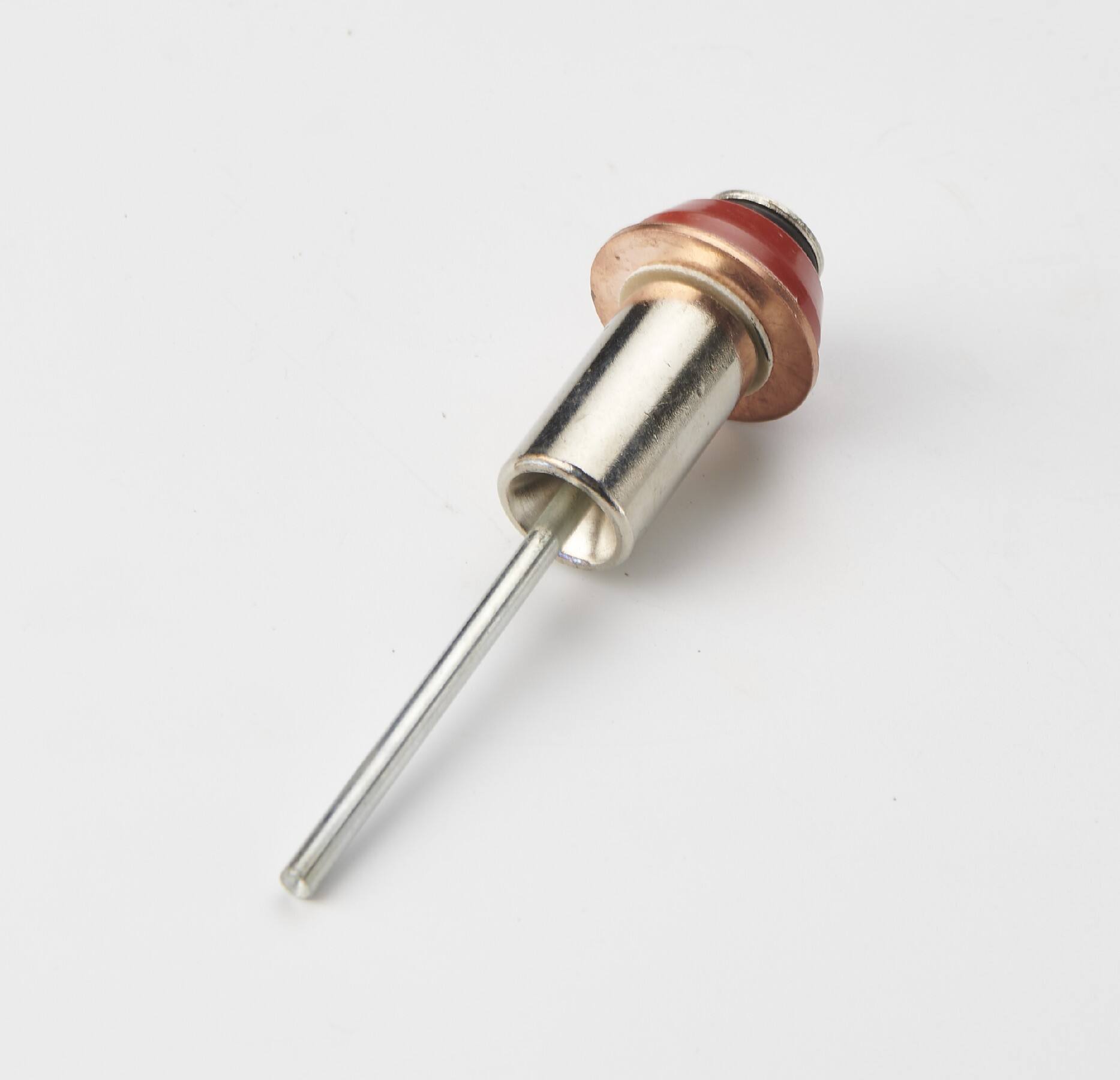
When your vehicle's engine refuses to start, the culprit might be a faulty starter solenoid hidden beneath the hood. This critical component serves as the electrical bridge between your ignition switch and the starter motor, making the decision between repair and replacement a significant financial consideration for vehicle owners. Understanding the true cost implications of each option can save you hundreds of dollars while ensuring reliable vehicle performance for years to come.
Understanding Starter Solenoid Functionality and Common Failure Points
Core Components and Operating Principles
The starter solenoid operates as an electromagnetic switch that engages the starter motor when you turn the ignition key. This device consists of copper windings, contact points, and a plunger mechanism that creates the necessary electrical connection. When electrical current flows through the solenoid coil, it generates a magnetic field that pulls the plunger forward, engaging the starter drive gear with the engine's flywheel ring gear.
Modern vehicles typically house the starter solenoid either on top of the starter motor or as a separate relay within the engine compartment's fuse box. The location significantly impacts both repair accessibility and replacement costs, with integrated units generally requiring more extensive labor for service procedures.
Identifying Signs of Solenoid Deterioration
Several symptoms indicate potential starter solenoid problems that require immediate attention. A clicking sound when turning the ignition key often signals internal contact wear or coil degradation. Intermittent starting issues, where the engine sometimes starts normally and other times fails completely, typically indicate partial solenoid failure.
Complete electrical silence when attempting to start the vehicle may indicate total solenoid failure or related wiring problems. Additionally, if the starter solenoid remains engaged after the engine starts, causing continued starter motor operation, immediate professional diagnosis becomes essential to prevent expensive engine damage.
Comprehensive Cost Analysis for Repair Options
Professional Repair Service Expenses
Professional starter solenoid repair typically ranges from 85 to 180 dollars, depending on vehicle make, model, and regional labor rates. This cost structure includes diagnostic testing to confirm solenoid failure, removal of associated components for access, and rebuilding internal contacts and connections. Luxury vehicles and European imports often command higher repair costs due to specialized tools and technical expertise requirements.
Many automotive service centers offer repair warranties ranging from six months to two years, providing valuable protection against premature failure. However, repair success rates vary significantly based on the solenoid's age, operating environment, and extent of internal damage. Heavily corroded units or those with compromised copper windings may not respond well to repair attempts.
DIY Repair Considerations and Material Costs
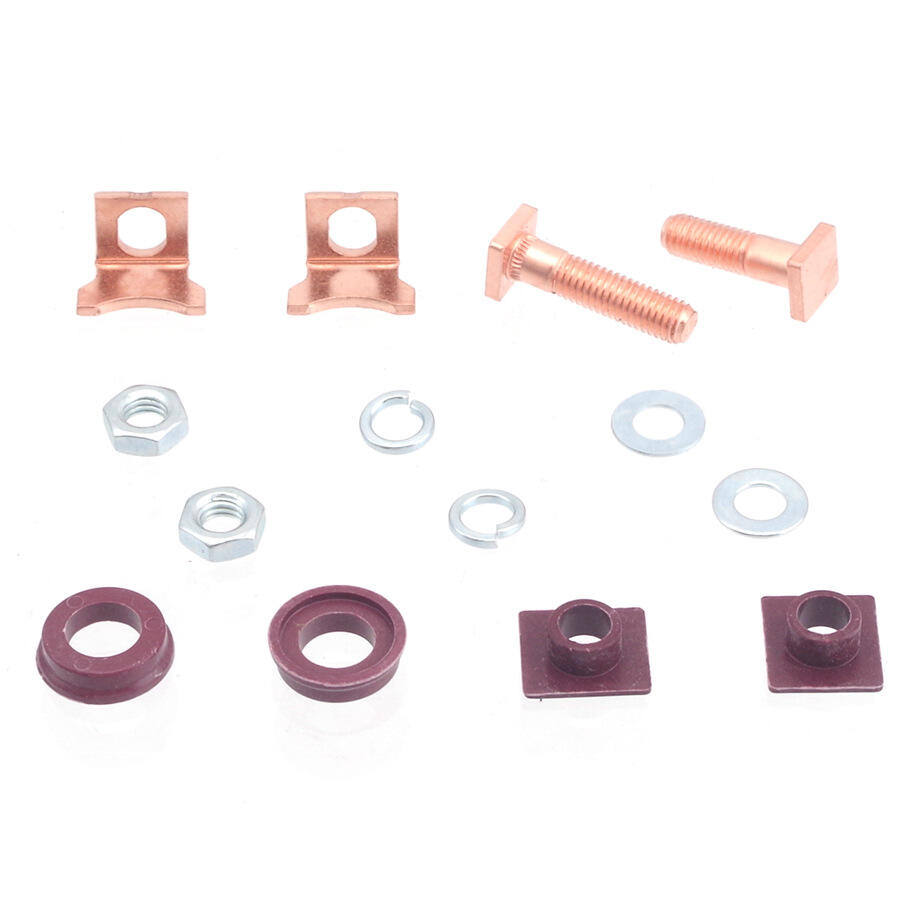
Experienced mechanics can attempt starter solenoid repairs using readily available contact kits and cleaning supplies. Basic repair materials cost approximately 25 to 45 dollars and include replacement contacts, spring assemblies, and electrical connection hardware. This approach requires specialized tools, technical knowledge, and several hours of dedicated work time.
DIY repairs carry inherent risks including improper reassembly, electrical system damage, and potential safety hazards from working with high-amperage circuits. Additionally, failed DIY repair attempts often necessitate complete replacement, ultimately increasing total project costs beyond initial professional service estimates.
Replacement Cost Factors and Long-Term Value
New Starter Solenoid Investment Analysis
New starter solenoid replacement costs typically range from 120 to 350 dollars, including parts and professional installation. Premium aftermarket units offer enhanced durability and extended warranties, while original equipment manufacturer parts provide guaranteed compatibility and performance specifications. Vehicle age and availability significantly influence pricing, with older models sometimes requiring expensive specialty components.
Complete starter motor assembly replacement, including an integrated solenoid, ranges from 200 to 600 dollars depending on vehicle specifications. This comprehensive approach eliminates multiple potential failure points and provides maximum reliability for vehicles with high mileage or demanding operating conditions.
Remanufactured and Aftermarket Alternatives
Remanufactured starter solenoid units offer significant cost savings while maintaining acceptable reliability standards. These professionally rebuilt components typically cost 40 to 60 percent less than new equivalents while including limited warranties and quality guarantees. Reputable remanufacturing companies employ strict quality control processes and use upgraded materials to address known failure points.
Aftermarket starter solenoid options provide budget-conscious consumers with functional alternatives at reduced prices. However, quality varies considerably among manufacturers, making brand reputation and warranty coverage essential selection criteria. Some aftermarket units exceed original equipment specifications, while others may offer shorter service life and reduced performance consistency.
Decision Matrix for Optimal Financial Outcomes
Vehicle Age and Mileage Considerations
Vehicles with fewer than 100,000 miles and less than seven years of service typically benefit from starter solenoid replacement over repair attempts. The extended service life potential justifies higher upfront costs while minimizing future maintenance expenses. Additionally, newer vehicles often retain sufficient resale value to support quality component investments.
High-mileage vehicles approaching end-of-life service may find repair options more economically sensible, particularly when combined with comprehensive maintenance planning. However, frequent starter solenoid failures in older vehicles sometimes indicate broader electrical system problems requiring systematic diagnosis and correction.
Operating Environment and Usage Patterns
Vehicles operating in extreme temperature conditions, high-moisture environments, or commercial applications benefit from premium replacement components over temporary repair solutions. Heavy-duty starter solenoid units designed for demanding conditions offer enhanced durability and reduced maintenance frequency, ultimately providing superior long-term value.
Daily-driver vehicles with moderate operating conditions can successfully utilize quality repair services or mid-range replacement components. Occasional-use vehicles, such as recreational or seasonal equipment, may find basic repair approaches sufficient for continued reliable operation without significant investment requirements.
Professional Installation Versus Self-Service Approaches
Technical Skill Requirements and Safety Considerations
Starter solenoid replacement requires intermediate mechanical skills, including electrical system knowledge and proper safety procedures. Working with high-amperage circuits presents serious injury risks from electrical shock, burns, and arc flash incidents. Professional technicians possess specialized tools, diagnostic equipment, and safety training necessary for efficient, safe completion.
Vehicle manufacturers often locate starter solenoid assemblies in confined spaces requiring removal of multiple components for adequate access. Inexperienced mechanics may inadvertently damage surrounding systems, creating expensive secondary repair requirements that exceed professional service costs.
Warranty and Liability Protection Benefits
Professional installation services typically include comprehensive warranties covering both parts and labor for specified periods. This protection provides valuable peace of mind and financial security against premature component failure or installation errors. Additionally, established service providers carry insurance coverage protecting customers from potential damage during repair procedures.
Self-service approaches eliminate professional warranty protection and may void existing vehicle warranties if improper procedures cause related system damage. Insurance companies sometimes deny claims related to DIY mechanical work, particularly when electrical system modifications are involved.
FAQ
How long does a typical starter solenoid last before requiring service
Most starter solenoid units provide reliable service for 100,000 to 150,000 miles under normal operating conditions. However, extreme temperatures, frequent short trips, and high electrical system demands can reduce service life significantly. Regular maintenance and prompt attention to warning signs help maximize component longevity and prevent unexpected failures.
Can a partially failed starter solenoid cause damage to other vehicle systems
Yes, malfunctioning starter solenoid units can create electrical system stress affecting alternators, batteries, and ignition components. Intermittent solenoid operation may cause voltage spikes that damage sensitive electronic modules, while stuck solenoids can overheat starter motors and drain batteries completely. Immediate professional diagnosis prevents costly secondary damage.
What factors determine whether repair or replacement offers better value
Vehicle age, mileage, operating conditions, and component accessibility primarily determine optimal service approaches. Newer vehicles with moderate mileage typically benefit from quality replacement components, while older vehicles may find repair options more economically appropriate. Professional diagnosis helps identify the most cost-effective solution for specific circumstances.
Are aftermarket starter solenoid units reliable alternatives to original equipment
Quality aftermarket starter solenoid units often provide excellent reliability and performance when sourced from reputable manufacturers. However, significant quality variations exist among brands, making research and warranty coverage essential selection criteria. Professional mechanics can recommend suitable aftermarket alternatives based on specific vehicle requirements and budget constraints.
Table of Contents
- Understanding Starter Solenoid Functionality and Common Failure Points
- Comprehensive Cost Analysis for Repair Options
- Replacement Cost Factors and Long-Term Value
- Decision Matrix for Optimal Financial Outcomes
- Professional Installation Versus Self-Service Approaches
-
FAQ
- How long does a typical starter solenoid last before requiring service
- Can a partially failed starter solenoid cause damage to other vehicle systems
- What factors determine whether repair or replacement offers better value
- Are aftermarket starter solenoid units reliable alternatives to original equipment