×
×

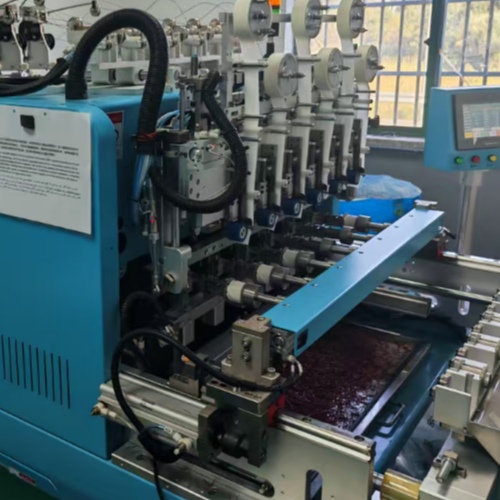
1. Precision control to meet the stringent performance requirements of electromagnetic switches 2. Highly reliable and easy to maintain, reducing downtime losses 3. It is difficult to modify custom equipment later. 4. High investment, long pa...
 |
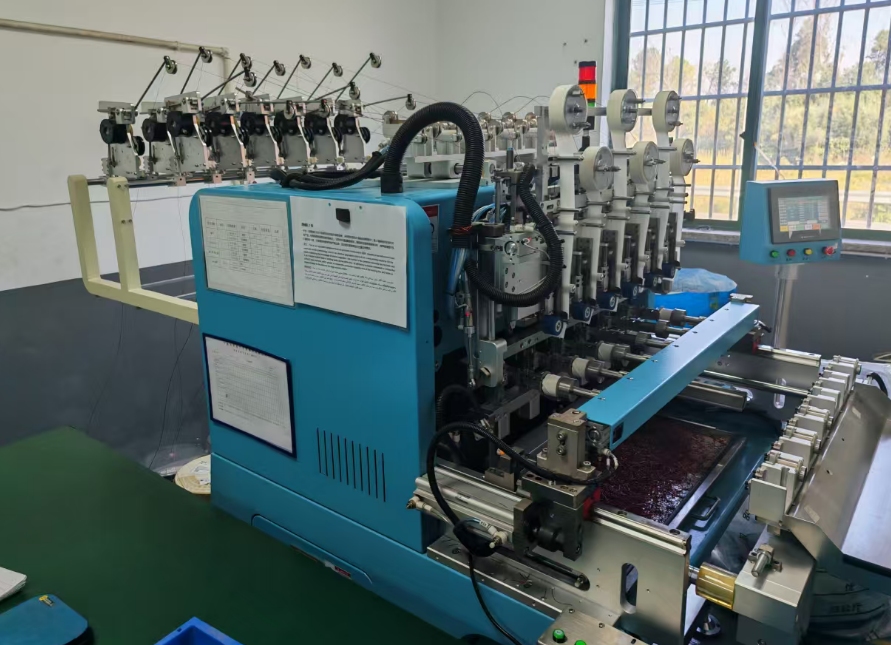
1. Precision control to meet the stringent performance requirements of electromagnetic switches 2. Highly reliable and easy to maintain, reducing downtime losses 3. It is difficult to modify custom equipment later. 4. High investment, long payback period 5. 15%-20% High-precision operations, with output 15%-20% higher than traditional winding |
 |
|
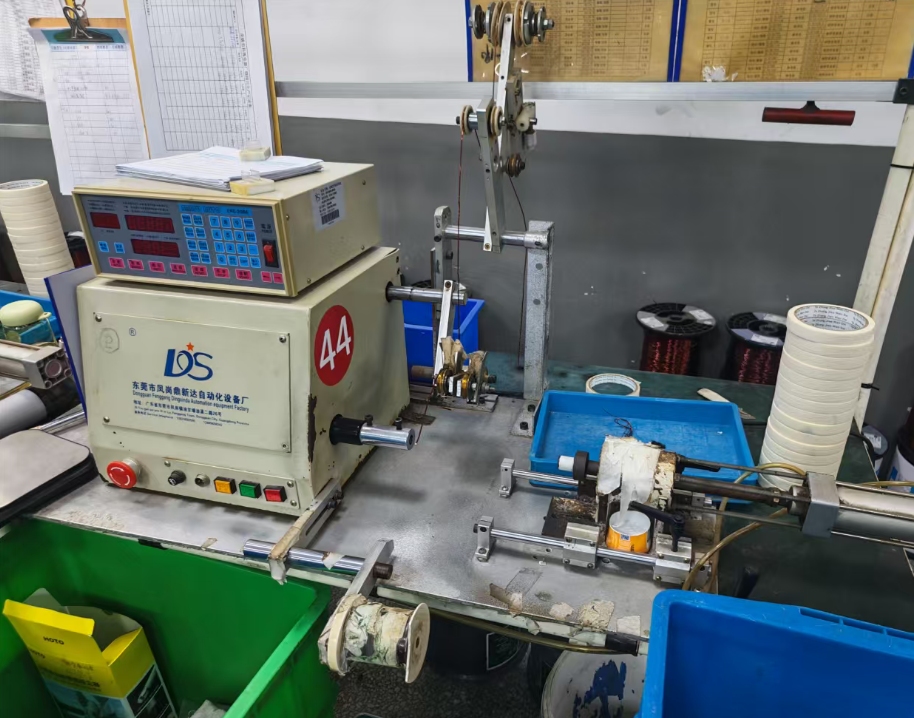
1. Product consistency relies on manual operations, and the accuracy has a relatively low upper limit. 2. Production efficiency is limited by manual labor, making it difficult to scale. 3. High long-term labor costs and insufficient automation. |
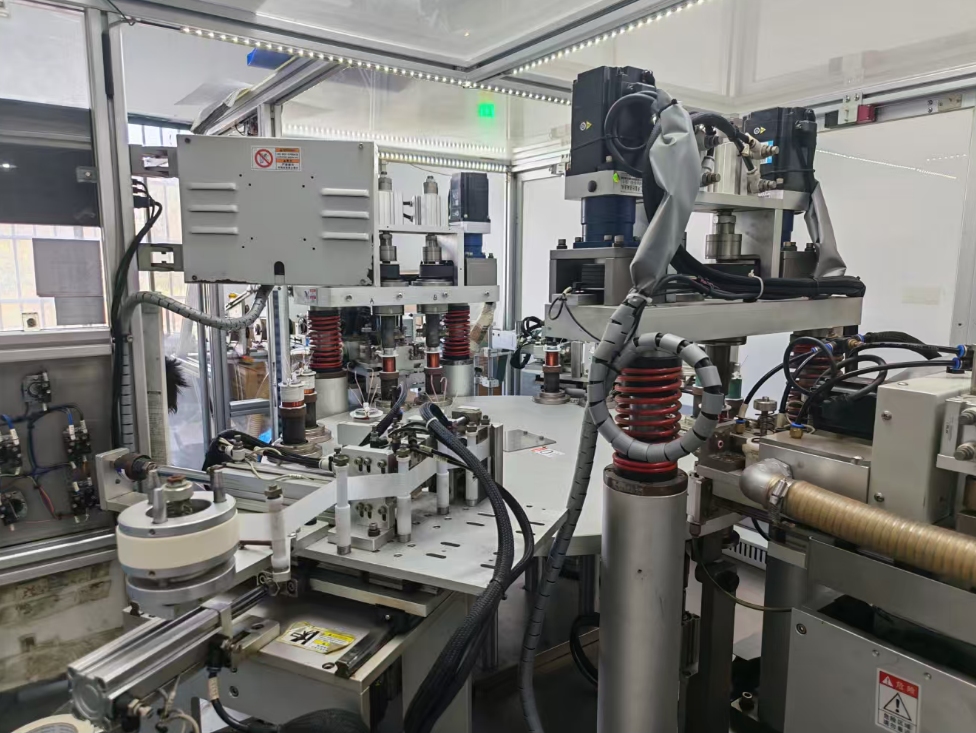 |
1. Product switching is not very flexible, and the capability to adapt to small batches is weak 2. Optimized labor costs, strong adaptation for large-scale production 3. Production capacity doubled, higher efficiency per unit area 4. Strong product consistency |
Advantages: The traditional winding process has the benefits of easy model changes and is suitable for small-scale, low-quantity production.
Disadvantages:
1. Cannot control tension, wiring is loose, coils are imprecise and easily deformed, poor heat conduction and magnetic transmission.
2. The enamelled wire is prone to coating damage, which increases resistance and can lead to inter-turn short circuits (the electromagnetic switch is prone to overheating and high current).
Advantages:
1. The tension can be adjusted according to the wire diameter, ensuring smooth and uniform winding, and the enamel coating is not easily damaged under electromagnetic vibration.
2. The wound wire's outer diameter will not exceed the frame, ensuring that each coil's number of turns and resistance remain consistent.
Disadvantages: Changing models is cumbersome, not suitable for small-batch production, and the equipment cost is relatively high.

Thanks to its reliable product quality and good reputation, the products have not only won the trust of numerous customers in the domestic market but have also been exported overseas and gained recognition in the international market.
 EN
EN