EN
EN



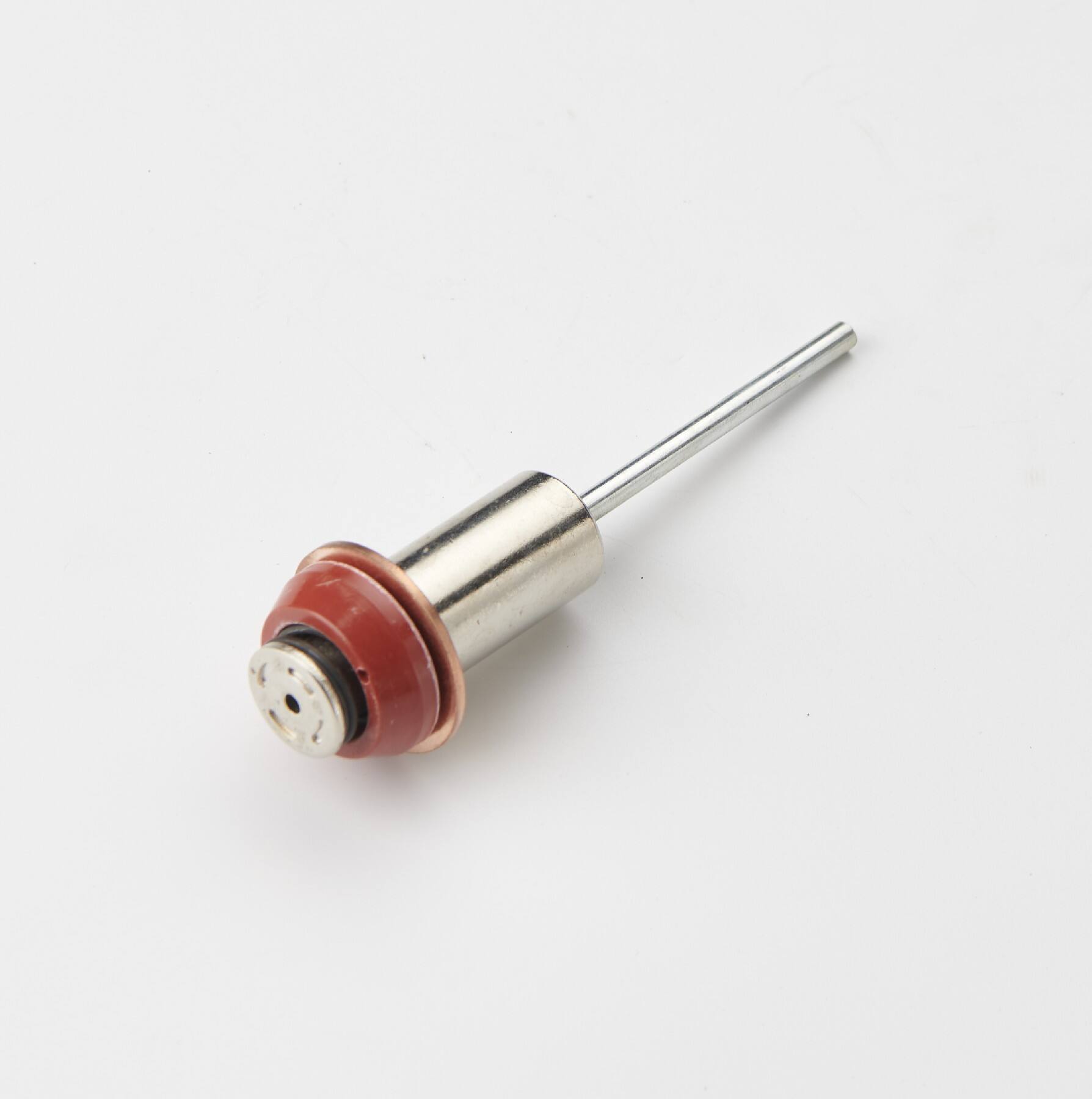
A starter solenoid serves as the electrical relay between your vehicle's ignition switch and the starter motor, making it one of the most critical components in your engine's starting system. When this small but mighty device fails, your vehicle simply won't start, leaving you stranded and frustrated. Understanding common starter solenoid problems and their solutions can save you time, money, and the inconvenience of unexpected breakdowns.
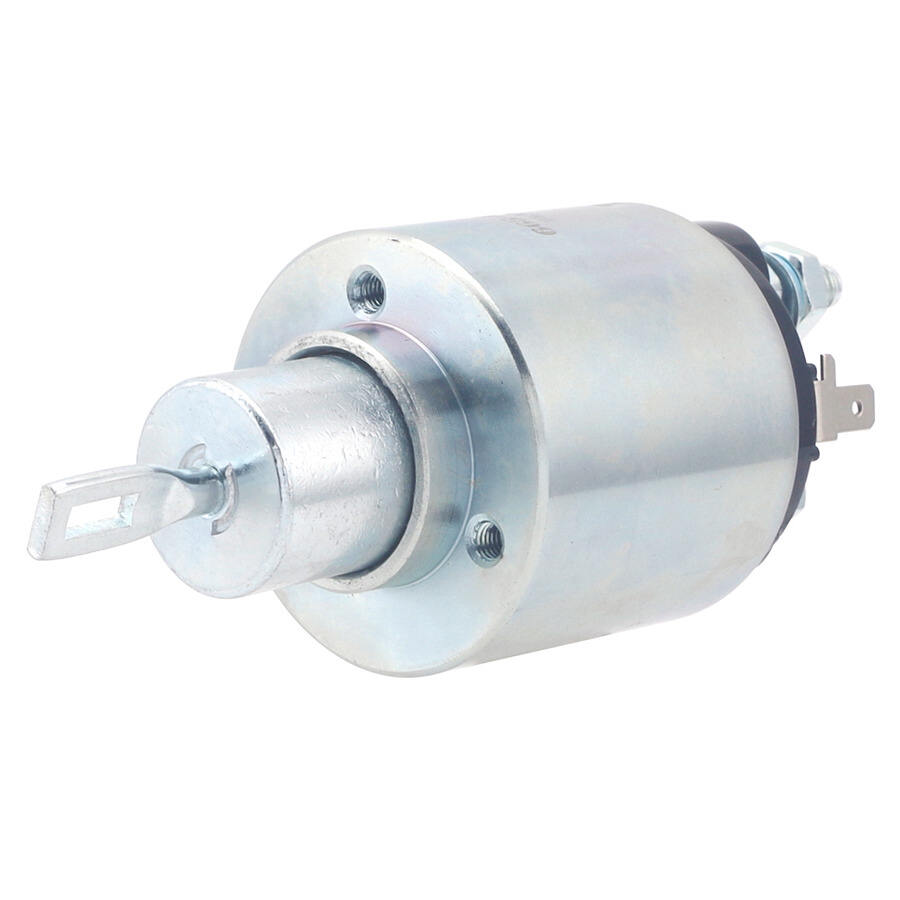
The solenoid acts as an electromagnetic switch that engages the starter motor when you turn your ignition key. It consists of a coil of wire wrapped around a metal core, along with electrical contacts that complete the circuit between the battery and starter motor. When functioning properly, the solenoid creates a magnetic field that pulls a plunger, closing the electrical contacts and allowing high-current flow to the starter motor.
Understanding Starter Solenoid Function and Components
Basic Operating Principles
The starter solenoid operates on electromagnetic principles, using a low-current signal from the ignition switch to control a high-current circuit. When you turn the key, a small amount of current flows through the solenoid's control circuit, energizing the electromagnetic coil. This creates a magnetic field strong enough to pull the plunger against spring tension, closing the main electrical contacts.
The dual function of most modern starter solenoids includes both electrical switching and mechanical engagement. Not only does it complete the electrical circuit, but it also pushes the starter drive gear into mesh with the flywheel ring gear. This mechanical action ensures proper engagement before electrical power flows to the starter motor, preventing damage to both components.
Key Internal Components
Inside every starter solenoid, you'll find several essential components working together. The electromagnetic coil generates the magnetic field necessary for operation, while the plunger provides the mechanical movement required for contact closure. Heavy-duty electrical contacts handle the high current flow, and return springs ensure the solenoid disengages when power is removed.
The housing protects these internal components from environmental factors like moisture, dirt, and vibration. Quality solenoids feature robust construction with corrosion-resistant materials and sealed designs to ensure reliable operation under harsh automotive conditions. Understanding these components helps diagnose problems more effectively.
Common Starter Solenoid Problems
Clicking Sounds Without Engine Cranking
One of the most recognizable signs of solenoid trouble is a rapid clicking sound when attempting to start the engine. This clicking indicates that the solenoid is receiving the signal from the ignition switch and attempting to engage, but something prevents it from completing the circuit properly. The sound occurs as the solenoid repeatedly tries to close its contacts without success.
Several factors can cause this clicking behavior, including insufficient battery voltage, corroded electrical connections, or worn solenoid contacts. When battery voltage drops below the threshold needed for proper solenoid operation, the electromagnetic coil cannot generate enough force to fully close the contacts. This results in the characteristic clicking as the solenoid partially engages and immediately disengages.
Complete Electrical Failure
Sometimes a starter solenoid fails completely, producing no sound or response when the ignition key is turned. This silent failure often indicates a broken wire within the solenoid coil, preventing any electromagnetic field generation. Without the magnetic field, the plunger cannot move, and no electrical connection occurs between the battery and starter motor.
Complete failure can also result from severely corroded terminals or a damaged solenoid housing that allows moisture infiltration. When water or other contaminants enter the solenoid, they can cause internal components to corrode or short-circuit, rendering the entire unit inoperative.
Intermittent Starting Issues
Intermittent problems represent some of the most frustrating solenoid issues because they're unpredictable and often difficult to diagnose. Your vehicle might start normally dozens of times, then suddenly fail without warning. These intermittent failures typically stem from loose electrical connections, partially worn contacts, or temperature-sensitive internal components.
Heat expansion and contraction can affect electrical connections within the solenoid, causing intermittent contact. As the engine compartment heats up during operation, metal components expand, potentially improving poor connections temporarily. Conversely, cold temperatures can cause connections to contract and fail, explaining why some vehicles have trouble starting on cold mornings.
Diagnostic Techniques and Tools
Visual Inspection Methods
Begin your diagnostic process with a thorough visual inspection of the starter solenoid and its connections. Look for obvious signs of damage such as cracked housing, burned or melted terminals, or excessive corrosion. Green or white powdery deposits around terminals indicate corrosion that can interfere with electrical conductivity.
Check all wire connections for tightness and integrity. Loose connections create resistance, reducing the voltage available to operate the solenoid properly. Examine the battery terminals as well, since poor battery connections can mimic solenoid problems. Clean, tight connections are essential for reliable starter system operation.
Electrical Testing Procedures
Use a digital multimeter to perform voltage and continuity tests on the solenoid circuit. Start by measuring battery voltage at the solenoid terminals with the engine off. You should see full battery voltage at the main power terminal. When testing the control circuit, have an assistant turn the ignition key while you measure voltage at the small terminal wire.
Perform a voltage drop test across the solenoid during cranking attempts. Excessive voltage drop indicates internal resistance problems within the solenoid contacts. A properly functioning solenoid should show minimal voltage drop across its main terminals when energized. High resistance readings suggest worn or corroded internal contacts requiring replacement.
Quick Fix Solutions and Repairs
Cleaning and Maintenance Techniques
Many starter solenoid problems can be resolved through proper cleaning and maintenance procedures. Remove the solenoid from the starter motor and clean all terminals with a wire brush or sandpaper to remove corrosion. Apply dielectric grease to terminals after cleaning to prevent future corrosion and ensure reliable electrical connections.
For solenoids with removable covers, carefully disassemble the unit and clean the internal contacts. Use electrical contact cleaner and fine sandpaper to remove oxidation from contact surfaces. Inspect the plunger and its bore for wear or damage that might prevent proper operation. Light lubrication of moving parts can improve performance and extend service life.
Emergency Bypass Methods
When stranded with a failed solenoid, you can sometimes bypass it temporarily using jumper cables or a screwdriver. Locate the two large terminals on the solenoid and carefully bridge them with an insulated screwdriver while someone turns the ignition key. This directly connects the battery to the starter motor, bypassing the solenoid's switching function.
Exercise extreme caution when attempting this bypass method, as it involves high electrical current and potential sparking. Ensure the vehicle is in park or neutral with the parking brake engaged. This method should only be used as an emergency measure to get your vehicle to a repair facility, not as a permanent solution.
Replacement Procedures
Replacing a faulty solenoid requires basic tools and mechanical knowledge. Disconnect the battery negative cable before beginning work to prevent accidental short circuits. Remove the electrical connections from the old solenoid, taking note of their positions for proper reinstallation. Most solenoids mount to the starter motor with two or three bolts.
Install the new solenoid in reverse order, ensuring all electrical connections are clean and tight. Apply a small amount of dielectric grease to terminals before connecting wires. Double-check all connections before reconnecting the battery and testing the repair. A properly installed solenoid should provide years of reliable service.
Prevention and Maintenance Strategies
Regular Inspection Schedule
Implement a regular inspection schedule to catch potential solenoid problems before they leave you stranded. During routine maintenance, visually inspect the solenoid and its connections for signs of wear, corrosion, or damage. Clean terminals annually or more frequently in harsh environments where salt or moisture exposure is common.
Include starter system checks in your pre-winter maintenance routine, as cold weather can reveal marginal components that might fail during low-temperature operation. Test the starting system's performance and address any signs of sluggish cranking or intermittent operation before they worsen.
Environmental Protection Measures
Protect your starter solenoid from environmental damage by keeping the engine compartment clean and dry when possible. Remove accumulated debris that might trap moisture against electrical components. Consider applying protective coatings or covers in extremely harsh environments where salt spray or industrial contaminants are present.
Ensure proper battery maintenance to prevent voltage-related solenoid problems. Keep battery terminals clean and tight, and maintain proper electrolyte levels in serviceable batteries. A healthy battery reduces stress on the entire starting system, including the solenoid, extending component life significantly.
FAQ
How long does a starter solenoid typically last?
A quality starter solenoid can last 100,000 to 150,000 miles under normal operating conditions. However, factors such as climate, driving habits, and maintenance practices significantly affect lifespan. Vehicles in harsh environments or those with poor electrical system maintenance may experience solenoid failure much sooner, while well-maintained vehicles in moderate climates often exceed these mileage expectations.
Can I drive with a faulty starter solenoid?
Once your engine is running, a faulty solenoid won't affect driving performance since it's only active during the starting process. However, you risk being stranded if the engine stalls or you turn it off, as you may not be able to restart. It's advisable to replace a failing solenoid promptly rather than risk unexpected breakdown in an inconvenient location.
What's the difference between a starter solenoid and a starter relay?
A starter solenoid is typically mounted directly on the starter motor and handles both the electrical switching and mechanical engagement of the starter drive gear. A starter relay, usually located in the fuse box, only provides electrical switching and doesn't have the mechanical engagement function. Some vehicles use both components, while others rely solely on a solenoid-equipped starter motor.
Why does my solenoid work sometimes but not others?
Intermittent solenoid operation usually indicates partially worn internal contacts, loose electrical connections, or temperature-sensitive components. As these parts wear, they may make adequate connection under some conditions but fail under others. Voltage fluctuations from a weak battery or poor connections can also cause intermittent operation, making the problem appear random and unpredictable.