EN
EN



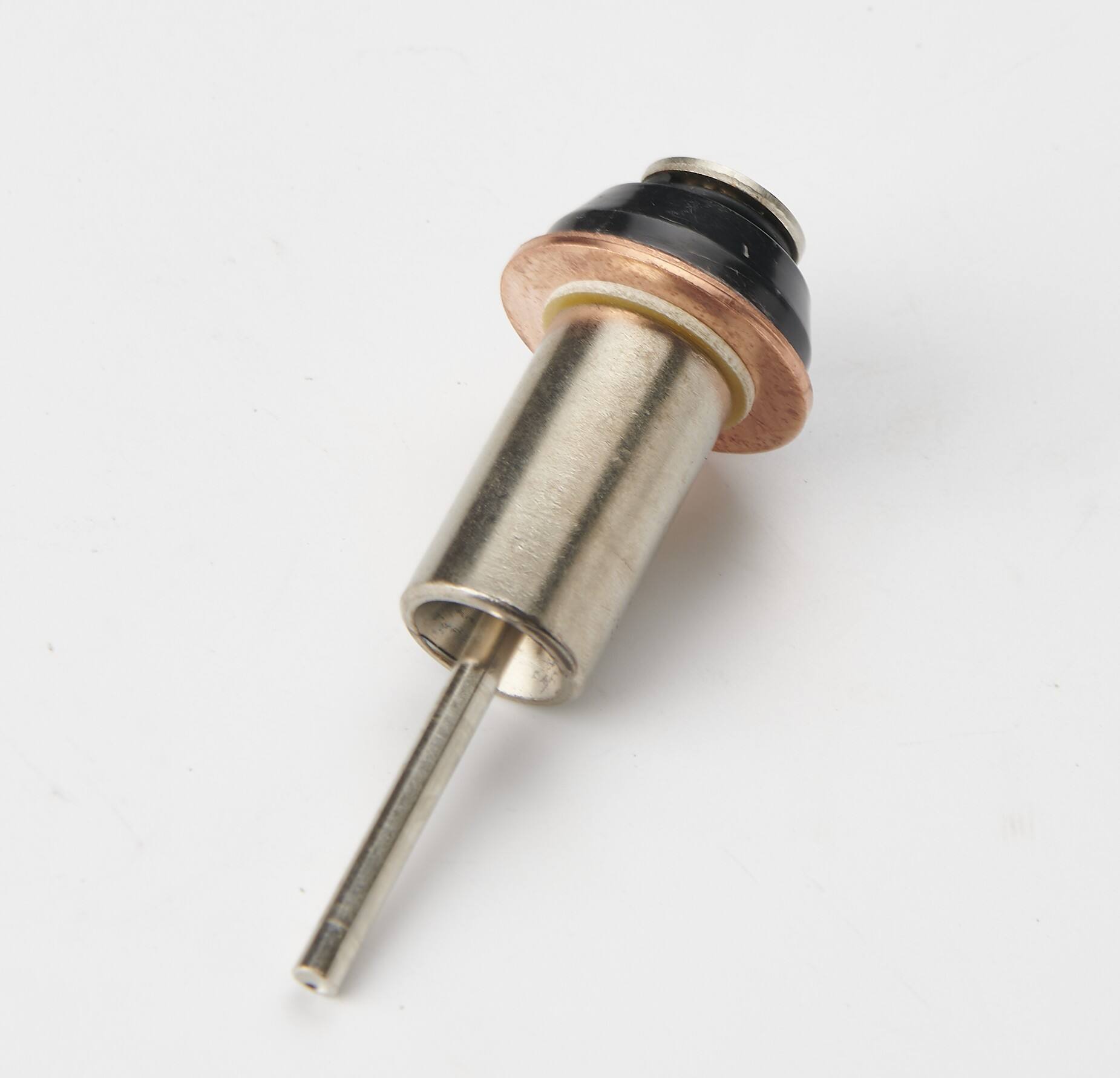
Understanding the differences between a starter solenoid and a relay is crucial for anyone working with automotive electrical systems. Both components play vital roles in vehicle operation, yet they serve distinct functions and operate through different mechanisms. A starter solenoid acts as a heavy-duty switch that directly controls the flow of electrical current from the battery to the starter motor, while a relay functions as an electrically operated switch that can control multiple circuits with lower current requirements.
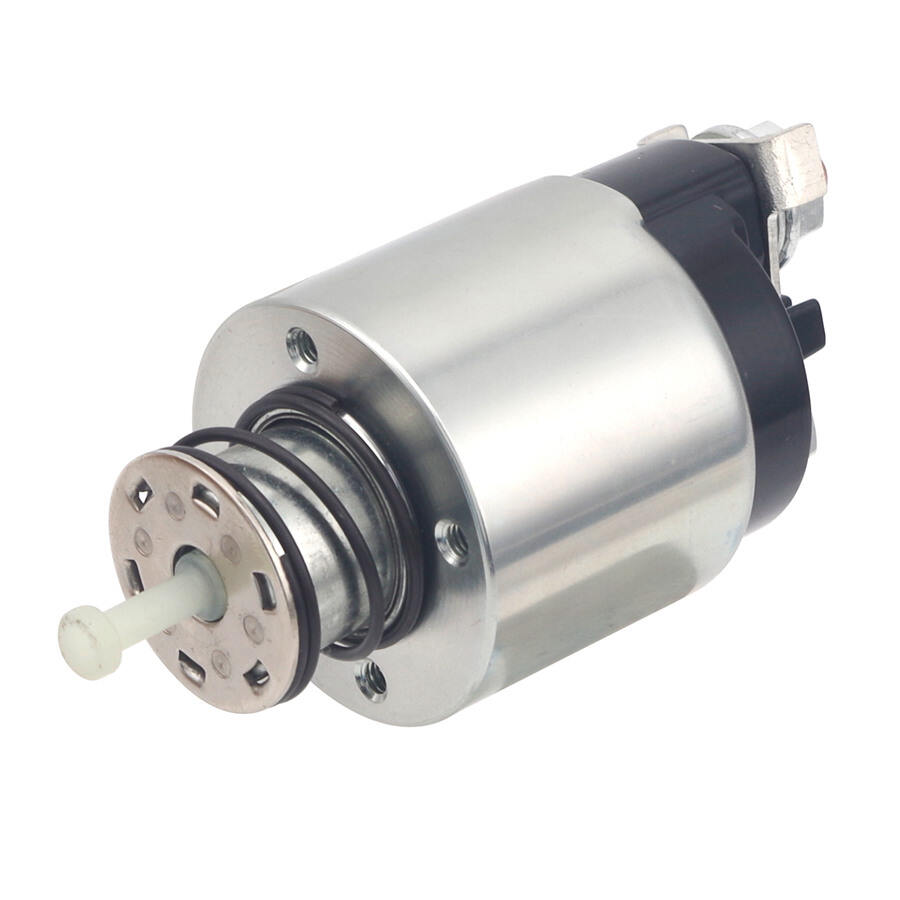
The automotive industry relies heavily on these electromagnetic devices to ensure reliable vehicle operation. When diagnosing electrical problems or performing maintenance, technicians must understand how each component functions within the broader electrical system. This knowledge enables more accurate troubleshooting and prevents costly misdiagnosis that could lead to unnecessary part replacements.
Modern vehicles incorporate both starter solenoids and relays throughout their electrical systems, each designed to handle specific voltage and current requirements. The complexity of these systems demands a thorough understanding of component characteristics, failure modes, and proper testing procedures. Professional mechanics and automotive enthusiasts alike benefit from mastering these fundamental concepts.
Basic Operating Principles
Electromagnetic Foundation
Both starter solenoids and relays operate on electromagnetic principles, utilizing coils of wire wrapped around ferromagnetic cores. When electrical current flows through these coils, they create magnetic fields that can attract movable components, enabling mechanical switching action. The strength of this magnetic field depends on factors such as coil resistance, number of turns, and applied voltage.
The fundamental difference lies in their construction and intended applications. Starter solenoids typically feature larger, more robust coils designed to handle high current loads, while relays use smaller coils optimized for control circuit applications. This distinction affects their switching capacity, response time, and overall durability under different operating conditions.
Understanding electromagnetic operation helps explain why these components sometimes fail and how environmental factors like temperature, humidity, and vibration can affect their performance. Engineers design these devices with specific tolerances and operating parameters that must be respected during installation and maintenance procedures.
Current Handling Capabilities
The current handling capacity represents one of the most significant differences between starter solenoids and relays. A typical starter solenoid can handle currents ranging from 100 to 400 amperes, making it suitable for controlling the massive electrical demands of starter motors. This high current capability requires heavy-duty contact points and robust internal construction.
Standard automotive relays, in contrast, typically handle currents between 10 and 40 amperes, with some specialized versions capable of switching up to 80 amperes. This lower current rating makes them ideal for controlling accessories like headlights, cooling fans, fuel pumps, and other auxiliary systems that require reliable switching without the extreme current demands of starter circuits.
The current rating directly influences component size, weight, and cost. Higher current devices require larger contact surfaces, more robust housings, and superior heat dissipation capabilities. These design requirements explain why starter solenoids are generally larger and more expensive than standard relays, despite serving similar fundamental switching functions.
Construction and Design Differences
Physical Architecture
Starter solenoid construction emphasizes durability and high current handling capacity through the use of heavy-duty materials and oversized components. The contact points typically consist of copper or silver-copper alloys designed to withstand repeated high-current switching cycles without excessive wear or contact resistance buildup. Housing materials often include cast iron or heavy-duty plastic compounds that provide excellent mechanical protection.
Relay construction prioritizes compact size, quick response, and versatility across multiple applications. Modern automotive relays feature lightweight plastic housings with standardized terminal configurations that facilitate easy installation and replacement. The internal contact system uses materials optimized for moderate current levels while maintaining long service life under normal operating conditions.
Environmental protection varies significantly between these devices based on their intended mounting locations and operating conditions. Starter solenoids often include weather sealing and corrosion-resistant coatings because they mount in engine compartments exposed to heat, moisture, and road contaminants. Relays may incorporate similar protection features depending on their specific application and mounting location.
Terminal Configuration
Terminal arrangements reflect the different roles these components play within automotive electrical systems. Starter solenoids typically feature large, high-current terminals designed to accept heavy gauge battery cables and starter motor connections. These terminals often use threaded studs or large blade connectors that ensure reliable electrical contact under high current conditions.
Automotive relays utilize standardized terminal layouts that promote interchangeability and simplified wiring harness design. Common configurations include 4-pin and 5-pin arrangements with blade-type terminals that plug directly into matching sockets. This standardization allows manufacturers to use the same relay design across multiple vehicle models and applications.
The terminal size and type directly impact installation procedures and maintenance requirements. Large solenoid terminals require specific tools and techniques for proper connection, while relay terminals typically allow for simple plug-in installation. Understanding these differences helps technicians select appropriate tools and follow proper procedures during service operations.
Functional Applications in Automotive Systems
Starter Circuit Operation
The starter solenoid serves as the critical link between the ignition switch and the starter motor in automotive starting systems. When the driver turns the ignition key to the start position, a low-current signal activates the solenoid coil, which then closes the high-current contacts to complete the circuit between the battery and starter motor. This arrangement allows a small ignition switch to control the massive current flow required for engine cranking.
Many starter solenoids also incorporate a secondary function by engaging the starter motor's drive gear with the engine flywheel through a mechanical linkage. This dual-purpose design ensures proper timing between electrical activation and mechanical engagement, preventing damage that could occur if these actions were not properly coordinated.
Modern vehicles may use separate starter relays in conjunction with solenoids to provide additional control features such as anti-theft integration, remote starting capability, or engine management system coordination. This layered approach improves system reliability while enabling advanced features that enhance vehicle security and convenience.
Auxiliary System Control
Relays control numerous auxiliary systems throughout modern vehicles, including lighting circuits, cooling fans, fuel pumps, air conditioning compressors, and various accessory motors. Each application requires specific switching characteristics optimized for the particular load requirements and operating conditions. For example, cooling fan relays must handle the high inrush current of motor starting while maintaining reliable operation under engine compartment temperature extremes.
The modular nature of relay-based control systems allows manufacturers to standardize wiring harnesses while accommodating different equipment packages and option configurations. This flexibility reduces production costs and simplifies service procedures by allowing technicians to quickly identify and replace faulty components without extensive system diagnosis.
Advanced vehicle systems increasingly incorporate smart relays with built-in diagnostic capabilities and communication interfaces. These intelligent components can report their operational status to engine management systems, enabling predictive maintenance strategies and improved system reliability through early fault detection.
Performance Characteristics and Specifications
Response Time and Switching Speed
Response time represents a critical performance parameter that distinguishes starter solenoids from relays based on their intended applications. Starter solenoids typically exhibit response times between 50 and 150 milliseconds, which provides adequate speed for starting system operation while allowing time for proper mechanical engagement of drive components. This relatively slow response helps prevent damage from premature electrical activation before mechanical systems are properly positioned.
Automotive relays demonstrate much faster response times, typically ranging from 5 to 30 milliseconds depending on coil design and construction materials. This quick response enables precise timing control for applications such as fuel injection, ignition timing, and emission control system operation where split-second accuracy can significantly impact engine performance and efficiency.
The relationship between response time and contact bounce affects system reliability and electromagnetic interference generation. Faster switching creates more abrupt current changes that can generate electrical noise, while slower switching may cause contact heating and accelerated wear. Engineers balance these competing factors when selecting components for specific applications.
Temperature and Environmental Tolerance
Operating temperature ranges vary significantly between starter solenoids and relays based on their mounting locations and thermal exposure within vehicle systems. Starter solenoids must function reliably across temperature ranges from -40°F to 200°F or higher, reflecting their typical mounting locations near engines and transmission systems where heat generation is substantial.
Standard automotive relays typically operate within temperature ranges from -40°F to 185°F, with some specialized versions designed for extreme conditions extending these limits. The smaller thermal mass of relays allows them to respond more quickly to temperature changes but also makes them more susceptible to thermal cycling stress that can affect contact integrity over time.
Humidity, vibration, and chemical exposure represent additional environmental challenges that impact component selection and installation practices. Starter solenoids often include enhanced sealing and corrosion protection to withstand direct exposure to road salt, engine fluids, and weather conditions. Relay protection levels vary based on mounting location and application requirements.
Troubleshooting and Diagnostic Procedures
Common Failure Modes
Starter solenoid failures typically manifest as complete inability to engage the starter motor, intermittent operation, or failure to disengage after engine start. Contact welding represents a serious failure mode where high current levels cause the switch contacts to fuse together, preventing proper solenoid operation and potentially causing continuous starter engagement that can damage the starter motor and flywheel.
Relay failures often present as gradual performance degradation rather than complete failure, making diagnosis more challenging. Common symptoms include slow operation of controlled systems, intermittent function, or complete loss of control. Contact oxidation and spring fatigue represent the most frequent failure mechanisms, often resulting from normal wear rather than catastrophic events.
Environmental factors contribute significantly to both solenoid and relay failures. Corrosion from moisture exposure can increase contact resistance and prevent proper operation, while excessive heat can damage coil insulation and alter magnetic characteristics. Understanding these failure patterns helps technicians develop effective diagnostic strategies and preventive maintenance procedures.
Testing Methods and Equipment
Proper testing of starter solenoids requires specialized equipment capable of safely handling high current levels and measuring both electrical and mechanical performance parameters. Digital multimeters with high current capability can measure coil resistance and verify proper electrical continuity, while oscilloscopes enable analysis of switching characteristics and contact bounce behavior.
Relay testing typically uses standard automotive test equipment including digital multimeters, test lights, and specialized relay testers that can simulate operating conditions while monitoring performance parameters. Many modern scan tools include relay activation functions that allow technicians to command relay operation while observing system response, facilitating rapid diagnosis of control circuit problems.
Load testing provides the most comprehensive evaluation of component condition by subjecting devices to actual operating current levels while monitoring voltage drop and switching performance. This testing method reveals problems that may not be apparent during no-load testing, such as contact resistance increases or thermal stability issues that affect real-world performance.
Selection Criteria and Replacement Guidelines
Specification Matching Requirements
Proper component selection requires careful attention to electrical specifications including voltage rating, current capacity, coil resistance, and contact configuration. Starter solenoids must match the specific current requirements of the starter motor while providing appropriate mechanical engagement characteristics for the particular application. Voltage ratings should exceed system operating voltage by adequate margins to ensure reliable operation under all conditions.
Relay selection involves matching both electrical and mechanical specifications to ensure proper fit and function within existing wiring harnesses and mounting locations. Terminal configuration, pin assignment, and physical dimensions must align with original equipment specifications to prevent installation problems and ensure reliable electrical connections.
Cross-reference databases and manufacturer specification sheets provide essential information for identifying compatible replacement components. However, technicians should verify critical specifications such as current rating and switching characteristics rather than relying solely on part number cross-references, which may not account for subtle but important differences in performance parameters.
Quality and Reliability Considerations
Component quality varies significantly among manufacturers, with premium brands typically offering superior materials, tighter manufacturing tolerances, and more comprehensive testing procedures. High-quality starter solenoids feature silver-copper alloy contacts, corrosion-resistant housings, and precision-manufactured internal components that provide extended service life under demanding operating conditions.
Relay quality indicators include contact material composition, housing construction, and environmental protection ratings. Premium relays often incorporate gold-plated contacts for superior corrosion resistance and lower contact resistance, while economy versions may use standard materials that provide adequate performance but shorter service life.
Warranty coverage and manufacturer support reflect confidence in component quality and provide protection against premature failures. Professional technicians often prefer established brands with proven track records and readily available technical support, even when premium pricing exceeds economy alternatives by significant margins.
FAQ
Can a relay replace a starter solenoid in automotive applications
Standard automotive relays cannot directly replace starter solenoids due to insufficient current handling capacity. While both devices perform switching functions, starter solenoids handle 100-400 amperes compared to typical relay ratings of 10-40 amperes. Attempting such substitution would result in immediate relay failure and potential fire hazard. Some applications use high-current relays in conjunction with solenoids for control purposes, but direct replacement requires components specifically rated for starter motor current levels.
How do I identify whether my starting problem is caused by a faulty solenoid or relay
Diagnostic procedures should begin with checking for proper voltage at the solenoid control terminal when the ignition switch is in the start position. If control voltage is present but the starter doesn't engage, the solenoid is likely faulty. If no control voltage reaches the solenoid, check the starter relay and associated wiring. Many vehicles use both components in series, requiring systematic testing to isolate the faulty component. Professional scan tools can often activate individual components to aid in diagnosis.
What causes premature failure of starter solenoids and relays
Common failure causes include excessive heat exposure, moisture infiltration, vibration damage, and electrical overload conditions. Starter solenoids often fail due to contact welding from repeated high-current switching, while relays typically suffer from contact oxidation and spring fatigue. Poor electrical connections can create resistance heating that accelerates component degradation. Environmental factors such as road salt exposure and engine compartment heat cycling also contribute to reduced component life expectancy.
Are there any maintenance procedures that can extend the life of these components
Regular inspection of electrical connections helps prevent resistance heating and corrosion-related failures. Cleaning terminals and applying dielectric grease during routine maintenance protects against moisture and oxidation. Avoiding extended cranking periods prevents overheating of starter solenoids, while ensuring proper relay mounting prevents vibration damage. Battery maintenance also contributes to component longevity by preventing low-voltage conditions that can cause increased current draw and accelerated wear of switching contacts.