×
×

VS 1. Relies on manual visual inspection and tools such as calipers/micrometers; single-batch inspection takes a long time and is easily affected by the condition of the personnel. 2. Significantly influenced by the inspector's experience, f...
 |
VS | 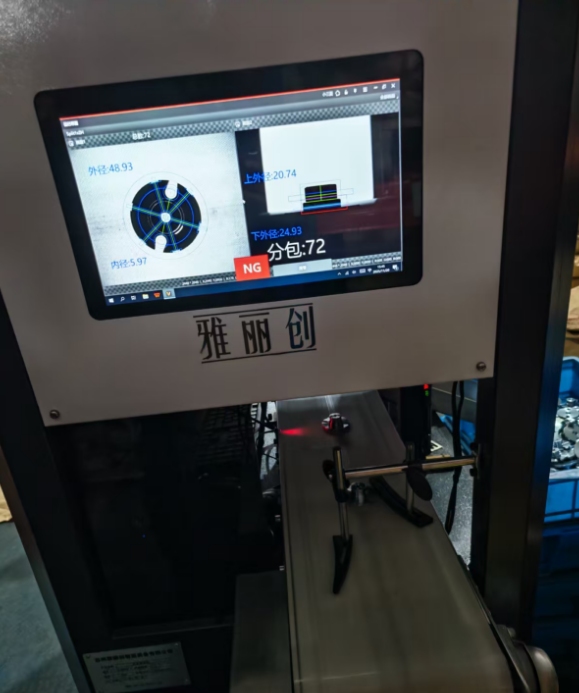 |
|
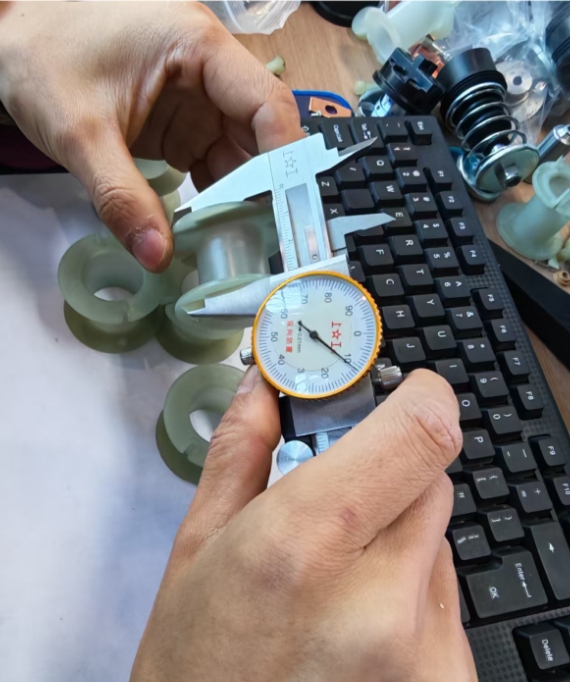
1. Relies on manual visual inspection and tools such as calipers/micrometers; single-batch inspection takes a long time and is easily affected by the condition of the personnel. 2. Significantly influenced by the inspector's experience, fatigue level, and subjective judgment, leading to frequent missed or incorrect inspections; accuracy heavily depends on individual skill level. 3. Inspection results are mostly recorded on paper, making data dispersed and difficult to consolidate; tracing requires checking each record individually, preventing rapid analysis of quality trends. |
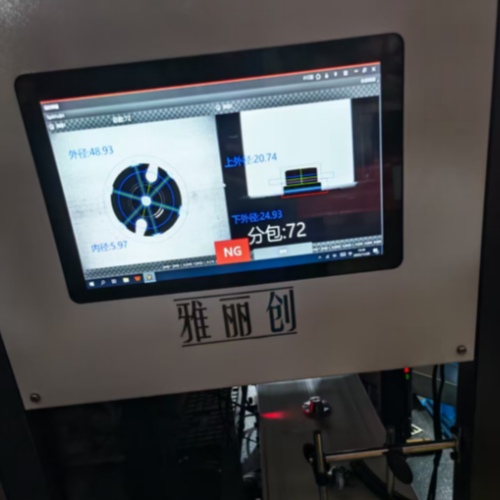
1. Utilizing cameras and algorithms, images can be captured quickly, completing multi-dimensional inspections such as size and appearance within milliseconds, enabling 24-hour continuous operation and improving efficiency by 5 to 10 times. 2. Repeated positioning accuracy reaches the micron level, strictly adhering to preset algorithm standards with no subjective bias, achieving nearly 100% consistency. 3. Automatically retains inspection data for each batch (including images, dimensions, and pass/fail status), supporting real-time statistics, trend analysis, and rapid traceability, aiding in supply chain quality optimization. |

Thanks to its reliable product quality and good reputation, the products have not only won the trust of numerous customers in the domestic market but have also been exported overseas and gained recognition in the international market.
 EN
EN