×
×

VS 1. Accuracy is limited by the instrument itself and manual operation. For example, during a withstand voltage test, the voltage adjustment by an operator can deviate by ±5%; in insulation resistance testing, reading errors var...
 |
VS | 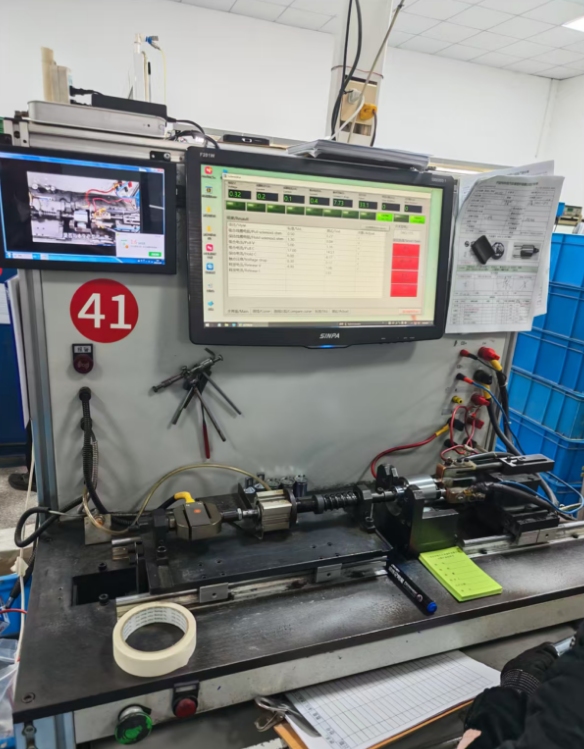 |
|
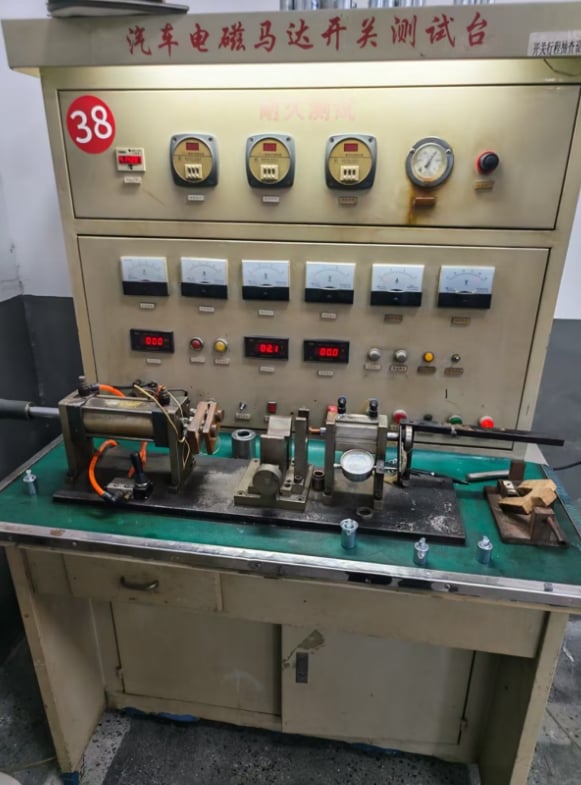
1. Accuracy is limited by the instrument itself and manual operation. For example, during a withstand voltage test, the voltage adjustment by an operator can deviate by ±5%; in insulation resistance testing, reading errors vary due to different viewing angles of operators, with deviations of ≥3%. 2. Consistency is unsatisfactory. Different operators have different habits (such as tightening of connections or control of test time), causing the pass rate of the same batch of products to fluctuate by 5%-8%. For instance, in power testing of power adapters, the pass rate of a novice operator is 6% lower than that of an experienced worker. |
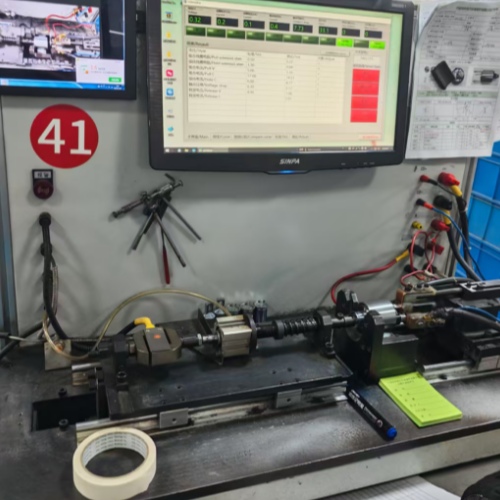
1. Utilizing high-precision sensors (voltage accuracy up to ±0.1% FS, current accuracy up to ±0.05% FS) and an automatic calibration system, measurement errors are controlled within ≤±1% and are not affected by human factors. 2. During multi-parameter simultaneous testing, data consistency exceeds 99.5%. For example, in motor efficiency testing, the fully automated station can simultaneously collect data on secondary travel, pull-in/release voltage, current, contact voltage drop, etc., with a pull-in size deviation of ≤±0.3%. |

Thanks to its reliable product quality and good reputation, the products have not only won the trust of numerous customers in the domestic market but have also been exported overseas and gained recognition in the international market.
 EN
EN