 EN
EN


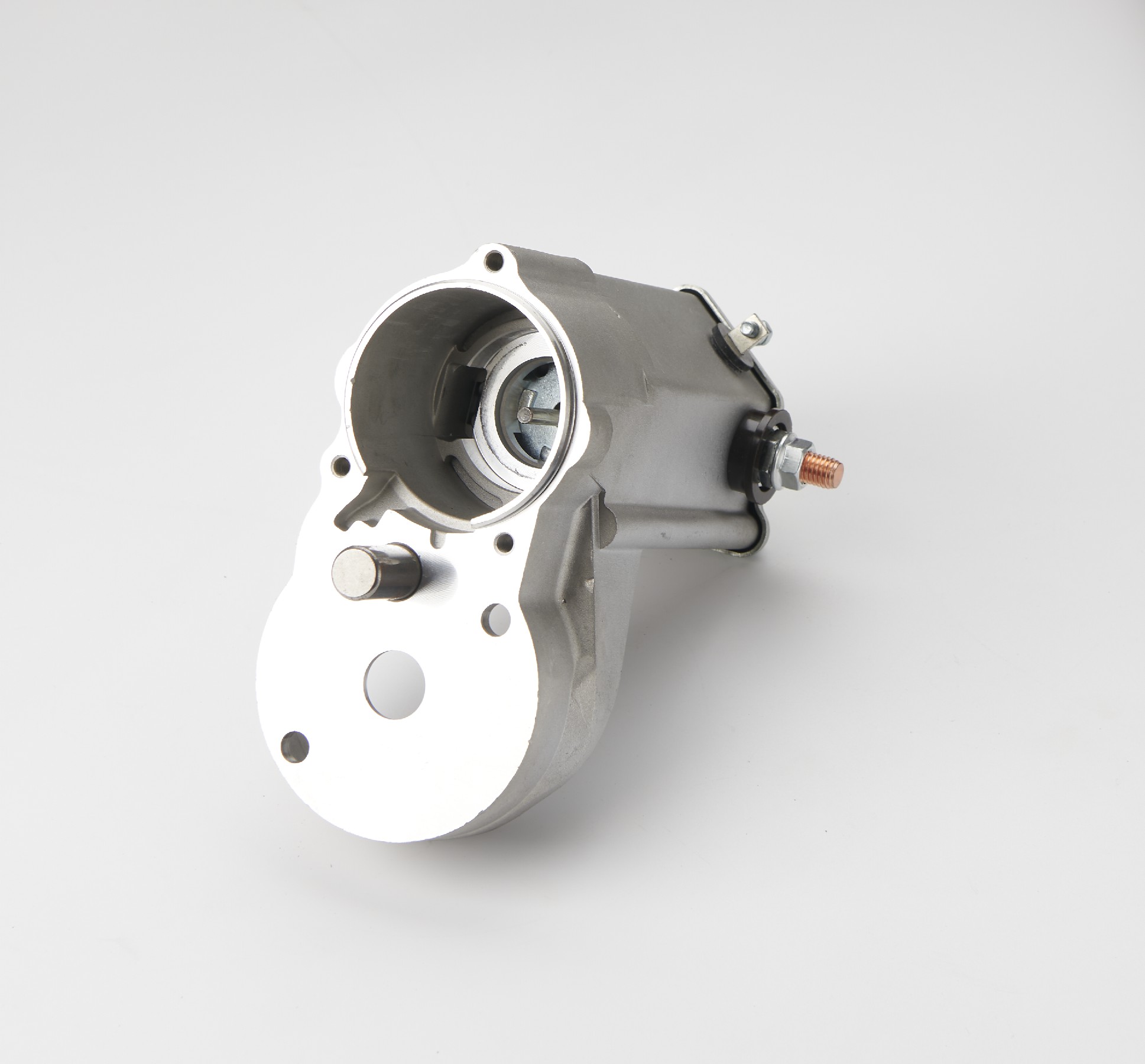
Your car starter solenoid is a critical electromagnetic component that bridges your vehicle's battery and starter motor, engaging the flywheel to crank your engine. When your car starter solenoid fails, you may experience a dead engine, clicking sounds, or complete electrical disconnection. Understanding the most common car starter solenoid problems and their solutions can save you time and money at the repair shop. This guide walks through five typical failures, their root causes, and straightforward fixes that help restore normal engine starting performance.
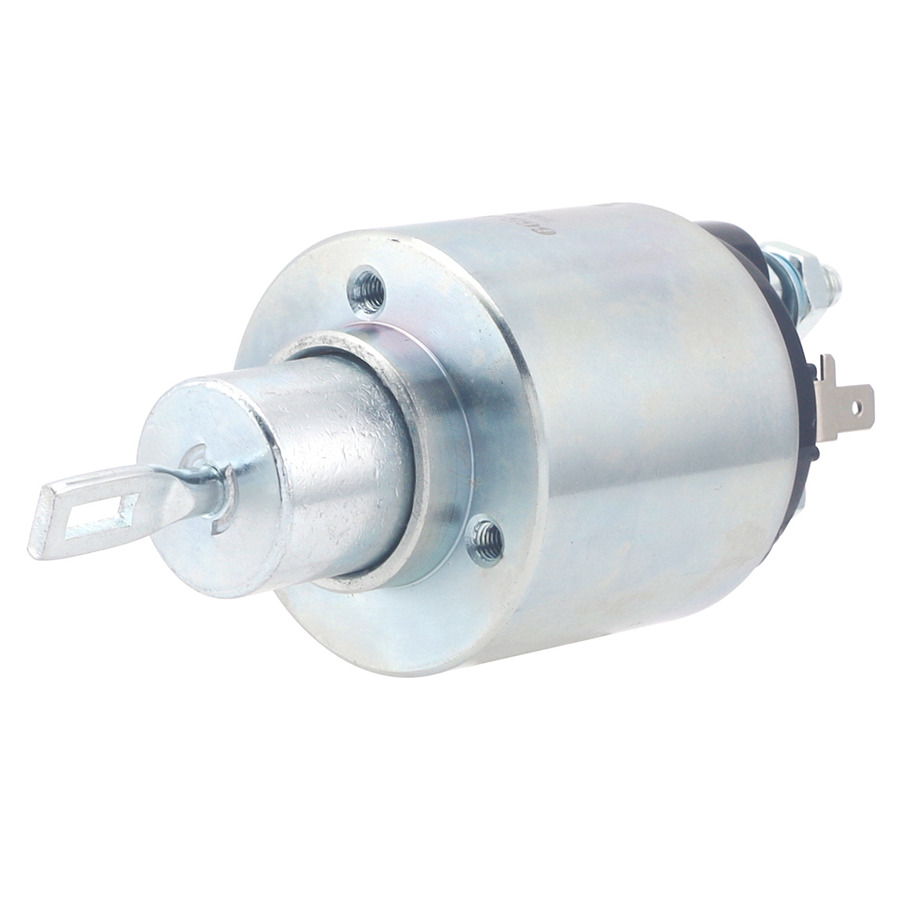
Recognizing the warning signs of a failing car starter solenoid early allows you to diagnose the issue before your vehicle becomes stranded. Each of the five common car starter solenoid problems discussed here has distinct symptoms and varying complexity levels in resolution. Whether the issue involves electrical contact corrosion, mechanical wear, or internal coil damage, knowing what to expect helps you decide between DIY troubleshooting and professional automotive service.
Weak or No Clicking When Turning the Key
Symptom Recognition and Diagnosis
One of the most recognizable car starter solenoid problems occurs when you turn the ignition key and hear nothing but silence or a faint click rather than the typical rapid clicking pattern. This happens when the car starter solenoid fails to engage sufficiently to complete the electrical circuit between the battery and starter motor. The issue often points to low battery voltage, corroded battery terminals, or internal coil degradation within the car starter solenoid itself.
Troubleshooting and Resolution Steps
Start by checking your battery voltage with a multimeter; it should read approximately 12.6 volts when the engine is off. Next, inspect battery terminals and cable connections for corrosion, which restricts current flow to the car starter solenoid. If terminals appear clean but the car starter solenoid still produces weak clicks, the coil windings inside the solenoid may have deteriorated, requiring component replacement. In some cases, tapping the solenoid gently with a wrench can temporarily restore function, though this is a temporary measure before replacement becomes necessary.
Constant Engagement or Continuous Cranking
Understanding Stuck Engagement
A malfunctioning car starter solenoid that remains engaged continuously will cause the starter motor to keep spinning even after the engine starts or when you release the ignition key. This dangerous car starter solenoid problem indicates that the internal switch contacts inside the solenoid have either fused together or become welded from electrical arcing. Continuous engagement damages the starter motor, flywheel, and ring gear through friction and impact, creating a cascade of costly repairs if ignored.
Corrective Actions
Disconnect the negative battery terminal immediately to prevent further damage when your car starter solenoid exhibits continuous engagement. The only reliable fix for this car starter solenoid problem is complete component replacement; internal contact welding cannot be safely restored through cleaning or adjustment. Have a qualified mechanic verify that the engine control module or ignition switch is functioning properly before installing a replacement car starter solenoid, as electrical feedback issues in these systems can trigger false solenoid engagement.
Grinding Noises or Failed Mechanical Engagement
Mechanical Misalignment and Contact Issues
When your car starter solenoid engages but produces grinding or scraping sounds, the plunger mechanism inside may have lost proper alignment or the pinion gear fail to mesh correctly with the flywheel. This car starter solenoid problem develops when internal springs weaken, allowing the plunger to shift laterally within its housing. Grinding noises indicate metal-on-metal contact that generates heat, accelerates wear, and can disable the entire starting system within days if unaddressed.
Diagnostic and Fix Procedures
Listen carefully to isolate whether grinding occurs immediately upon engagement or persists during cranking; this distinction helps pinpoint whether the car starter solenoid itself is faulty or whether the starter motor assembly needs adjustment. Have a technician inspect the solenoid plunger travel distance and verify that return springs possess adequate tension. Replacing a worn car starter solenoid and inspecting the starter motor assembly typically resolves grinding issues. In rare cases where only the mounting position has shifted, repositioning the car starter solenoid may restore proper pinion engagement without full replacement.
Intermittent Starting Failures
Identifying Unreliable Performance Patterns
Some car starter solenoid failures manifest as intermittent starting problems where your vehicle cranks successfully on some attempts but refuses to engage on others. This frustrating car starter solenoid problem typically stems from loose internal contacts, partially corroded electrical connections, or deteriorating coil windings that lose effectiveness under thermal cycling. Intermittent failures often worsen progressively, with working attempts becoming rarer until the car starter solenoid fails completely.
Testing and Resolution Methodology
Document the conditions under which starting failures occur—such as cold mornings, after extended driving, or following rapid restart attempts—to help identify whether your car starter solenoid problem relates to temperature sensitivity or electrical resistance buildup. Use a multimeter to measure voltage drop across the solenoid terminals during engagement attempts; abnormally high voltage drop indicates internal resistance within the car starter solenoid. Clean all electrical connections thoroughly before concluding that the car starter solenoid requires replacement, as many intermittent failures resolve after removing corrosion from contact points and terminal surfaces.
Buzzing Without Engine Cranking
Recognizing Coil Energy Without Mechanical Action
When your car starter solenoid buzzes or hums audibly but the starter motor never engages and the engine refuses to crank, electrical power reaches the solenoid coil but the internal plunger cannot move. This car starter solenoid problem indicates either mechanical obstruction inside the component, severely corroded or stuck plunger contacts, or that the coil voltage, while present, has dropped too low to generate sufficient electromagnetic force. Buzzing occurs as the coil attempts repeatedly to pull the immobilized plunger.
Correction Methods and Prevention
First, verify battery voltage remains adequate above 10 volts during starting attempts, as insufficient voltage prevents the car starter solenoid plunger from moving despite coil energization. If voltage is adequate, light tapping on the car starter solenoid housing may temporarily free a stuck plunger, restoring function briefly. However, permanent resolution requires replacing the car starter solenoid because internal corrosion or mechanical wear that causes plunger stiction will recur. After installation, ensure all battery connections remain clean and tight to maintain optimal voltage delivery to your new car starter solenoid component.
FAQ
How long does a car starter solenoid typically last?
Most automotive car starter solenoid components function reliably for 80,000 to 150,000 miles under normal operating conditions. Harsh climates with extreme temperature fluctuations, frequent short trips that prevent full battery charging, and exposure to moisture accelerate car starter solenoid deterioration. Proper battery maintenance and regular electrical system inspections can extend the operational lifespan of your car starter solenoid significantly.
Can a car starter solenoid be repaired instead of replaced?
In limited cases, a car starter solenoid may be restored through thorough cleaning of corroded contacts and terminals, particularly when problems result from external corrosion rather than internal component failure. However, most serious car starter solenoid problems involving coil degradation, contact welding, or plunger stiction require complete component replacement rather than repair. Professional technicians typically recommend replacement because the cost of quality car starter solenoid units has become competitive with labor costs for attempted repairs.
What warning signs indicate an imminent car starter solenoid failure?
Decreasing reliability in engine starting, increased cranking times before the engine ignites, and occasional clicking without engagement all signal that your car starter solenoid is approaching failure. Temperature sensitivity—where starting fails in cold weather but succeeds in warmth—also indicates a deteriorating car starter solenoid nearing the end of its service life. Address these warning signs promptly by having the electrical system tested to avoid sudden starting failure when you depend on vehicle reliability.
