 EN
EN


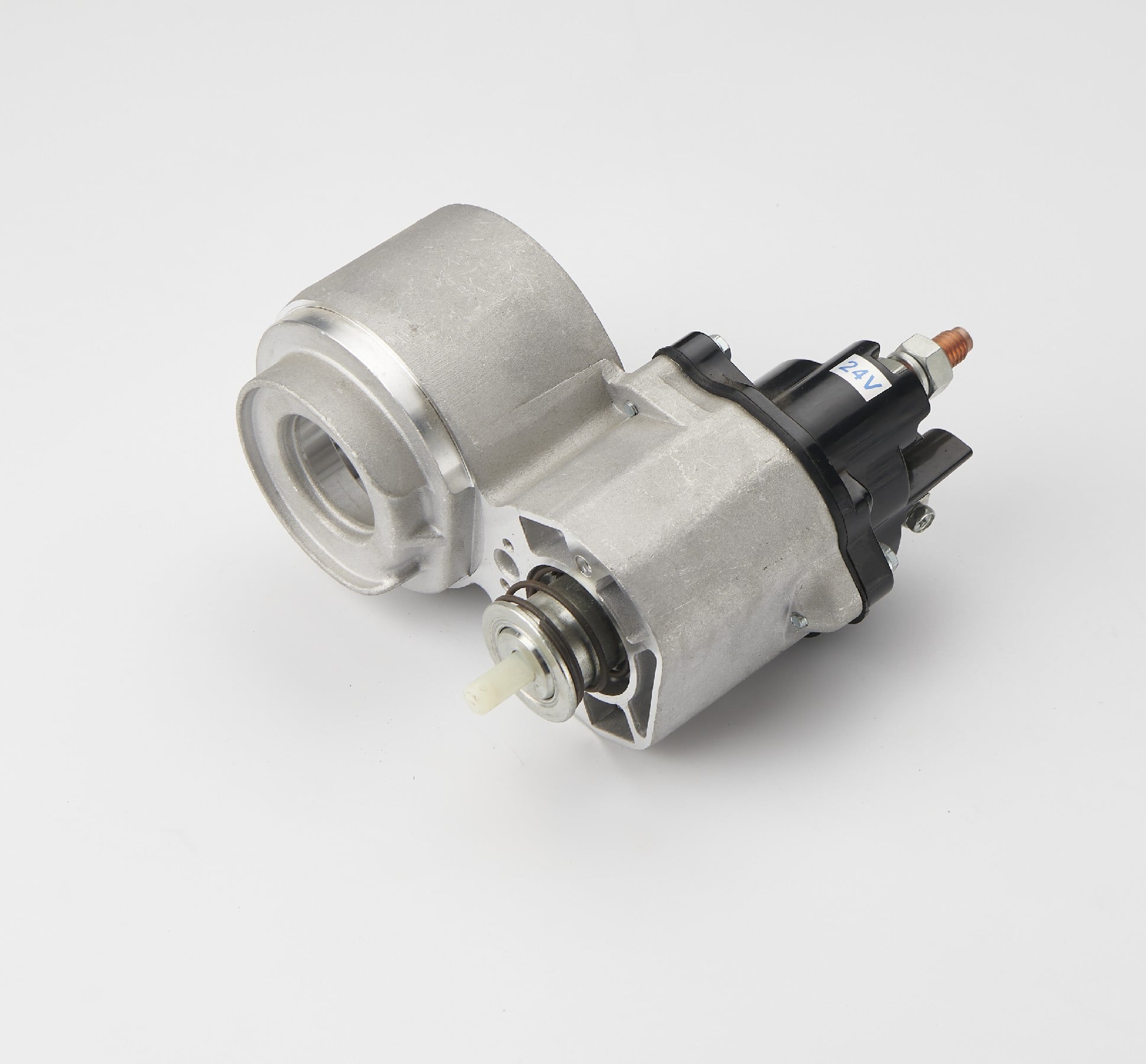
Your vehicle's electrical system relies on numerous components working in perfect harmony, and among the most critical is the car starter solenoid. This electromagnetic switch controls the flow of electrical current to your starter motor, enabling your engine to turn over and start. When a car starter solenoid begins to fail, it sends unmistakable warning signals that demand immediate attention. Understanding these warning signs is essential for any vehicle owner who wants to avoid being stranded with a dead engine that refuses to start.
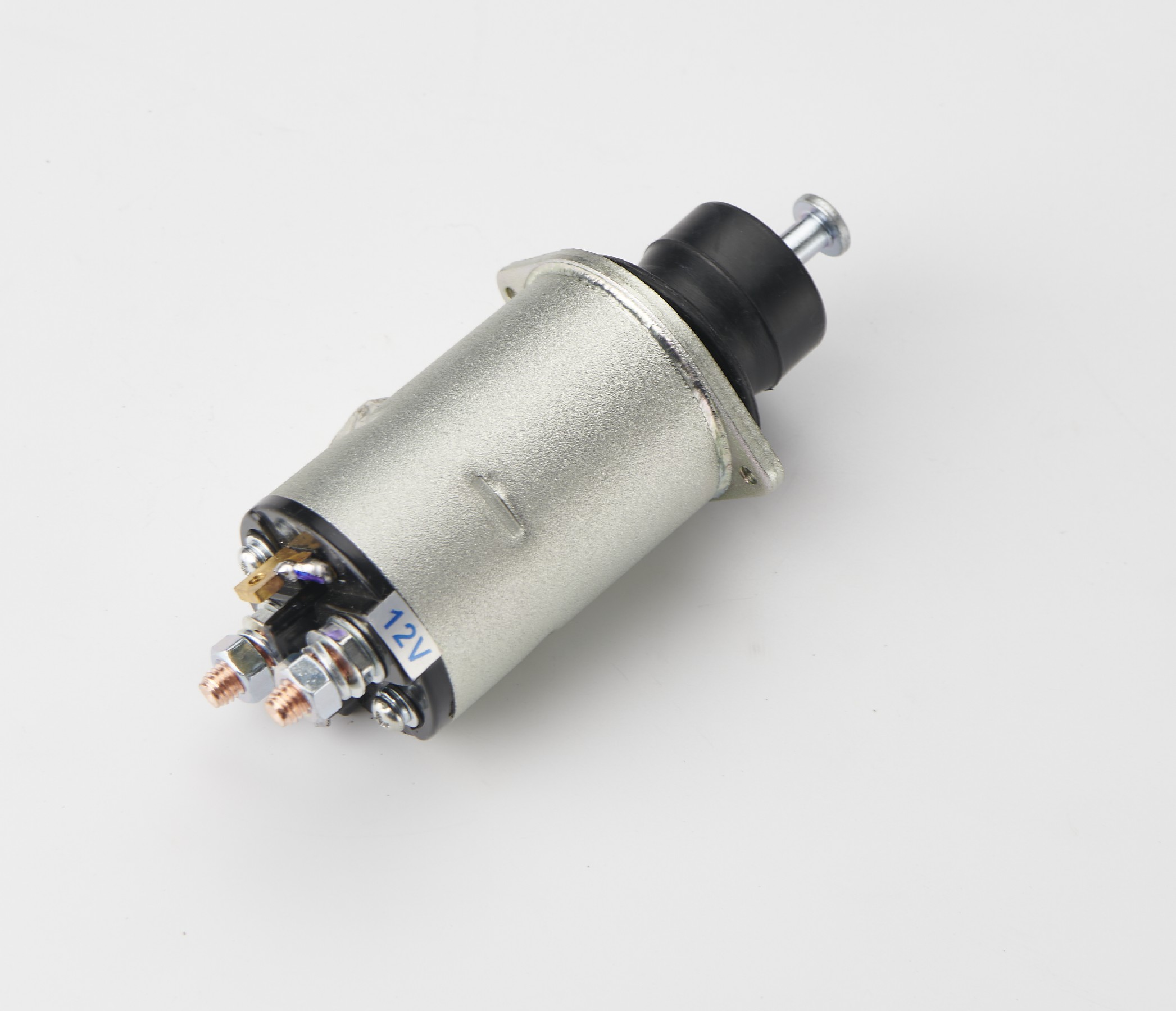
A faulty car starter solenoid can leave you stranded in parking lots, fail during rush-hour traffic, or create safety hazards when your vehicle suddenly becomes unreliable. The problem escalates quickly because a deteriorating car starter solenoid often leads to complete starter failure if ignored. Recognizing the early warning signs gives you the opportunity to schedule maintenance before a minor issue becomes a major breakdown requiring expensive repairs and vehicle downtime.
Understanding Car Starter Solenoid Function
How the Car Starter Solenoid Works
The car starter solenoid is an electromagnetic relay that switches high-amperage current to the starter motor. When you turn the ignition key, a small electrical signal travels from your ignition switch to the car starter solenoid, which then completes a circuit allowing thousands of amps to flow to the starter motor. This rapid engagement of the car starter solenoid is what generates the mechanical force needed to crank your engine. The process happens in milliseconds, and any delay or failure in this car starter solenoid action prevents engine startup entirely.
Why Car Starter Solenoid Reliability Matters
A reliable car starter solenoid ensures consistent cold starts on freezing mornings and reliable starts in hot climates where electrical stress increases. The car starter solenoid operates under extreme electrical loads, with internal contacts experiencing millions of arcing cycles throughout the vehicle's lifetime. When your car starter solenoid deteriorates, that electrical reliability collapses, and your engine becomes unpredictable. For fleet operators and commercial vehicle owners, a failing car starter solenoid directly impacts revenue and operational efficiency.
Primary Failure Signs of a Car Starter Solenoid
Clicking Sounds and No Engine Cranking
One of the most recognizable symptoms of a failing car starter solenoid is a rapid clicking sound when you turn the ignition key. This clicking indicates that your car starter solenoid is attempting to engage but cannot maintain the electrical connection needed to crank the engine. You might hear a single loud click followed by silence, which suggests your car starter solenoid contacts have corroded or deteriorated internally. When the car starter solenoid cannot deliver current reliably, the starter motor never receives full power, leaving your engine completely unresponsive.
Intermittent Starting Problems
An intermittent car starter solenoid failure is particularly frustrating because your vehicle starts normally sometimes but fails at other times. This inconsistency occurs when the car starter solenoid contacts are partially worn but still functional under certain conditions. You might successfully start your car in the morning, but later that same day, your engine refuses to crank despite the battery being fully charged. This pattern strongly indicates a deteriorating car starter solenoid rather than a battery issue, and it typically worsens rapidly once it begins.
Advanced Warning Signs and Electrical Symptoms
Burning Smells and Electrical Odors
A burning electrical smell near your starter area is a serious warning that your car starter solenoid is overheating or experiencing internal arcing. When the car starter solenoid contacts deteriorate, electrical resistance increases, causing extreme heat buildup within the component. This smell indicates that your car starter solenoid is failing rapidly and replacement should be prioritized immediately. Ignoring a burning smell associated with your car starter solenoid risks fire hazards and total electrical system damage.
Dashboard Lights and Electrical Anomalies
A failing car starter solenoid sometimes causes battery warning lights to illuminate on your dashboard, even when the battery is healthy. The electrical stress from a malfunctioning car starter solenoid can trigger voltage fluctuations that set multiple warning codes. You might notice your headlights dimming when attempting to start, or interior lights flickering during ignition attempts—classic signs your car starter solenoid is drawing excessive current inefficiently. These electrical symptoms confirm that your car starter solenoid requires professional inspection and likely replacement.
Taking Action on Car Starter Solenoid Failure
When to Replace Your Car Starter Solenoid
You should prioritize replacement of your car starter solenoid as soon as you notice any of these failure symptoms. A functional car starter solenoid is essential for vehicle reliability, and delays only increase the risk of being stranded. Professional mechanics can quickly diagnose whether your car starter solenoid is the problem using electrical testing equipment. Replacing your car starter solenoid before complete failure prevents secondary damage to your starter motor and eliminates safety risks.
Professional Diagnosis and Replacement
Experienced technicians test your car starter solenoid by measuring electrical continuity and voltage output under load conditions. A quality replacement car starter solenoid restores reliable starting and eliminates the frustration of intermittent failures. Modern vehicles benefit from car starter solenoid components engineered for extended lifespan and consistent performance. Choosing a reliable replacement car starter solenoid ensures your vehicle returns to full operational status.
FAQ
What causes a car starter solenoid to fail?
A car starter solenoid fails due to internal contact erosion from millions of electrical switching cycles, corrosion from moisture exposure, battery voltage spikes, or manufacturing defects. Heat damage and age also contribute to car starter solenoid deterioration. Environmental factors like salt, humidity, and extreme temperatures accelerate car starter solenoid degradation significantly.
Can you drive a vehicle with a failing car starter solenoid?
You cannot drive a vehicle once your car starter solenoid fails completely because your engine will not start. However, during the intermittent failure phase of a failing car starter solenoid, your vehicle might start occasionally, but this unreliability makes driving dangerous and unpredictable. A failing car starter solenoid can leave you stranded anywhere without warning.
How much does a car starter solenoid replacement cost?
Replacing a car starter solenoid typically costs between three hundred and eight hundred dollars depending on vehicle model and labor rates. A quality car starter solenoid component itself costs fifty to two hundred dollars, with the remainder covering professional installation. Delaying car starter solenoid replacement risks damage to adjacent electrical components, potentially increasing total repair costs significantly.
