 EN
EN


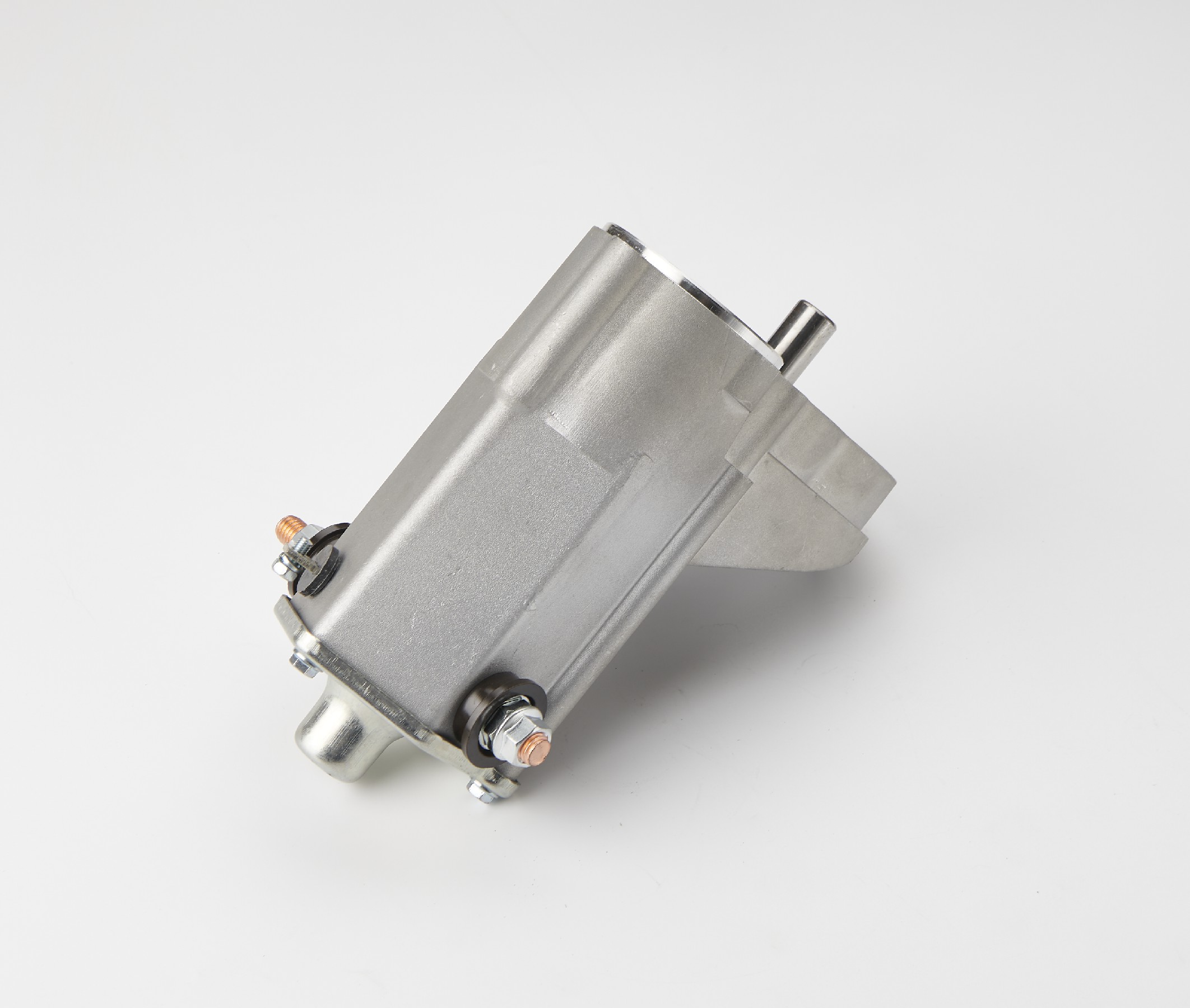
Your vehicle's electrical system relies on many components working in perfect harmony, and one of the most critical is the car starter solenoid. This electromagnetic switch controls the flow of electrical power from your battery to your starter motor, enabling your engine to crank and start. When a car starter solenoid begins to fail, you may notice unusual sounds, intermittent starting issues, or complete failure to start. Recognizing these warning signs early can save you from being stranded and prevent more expensive repairs down the road.
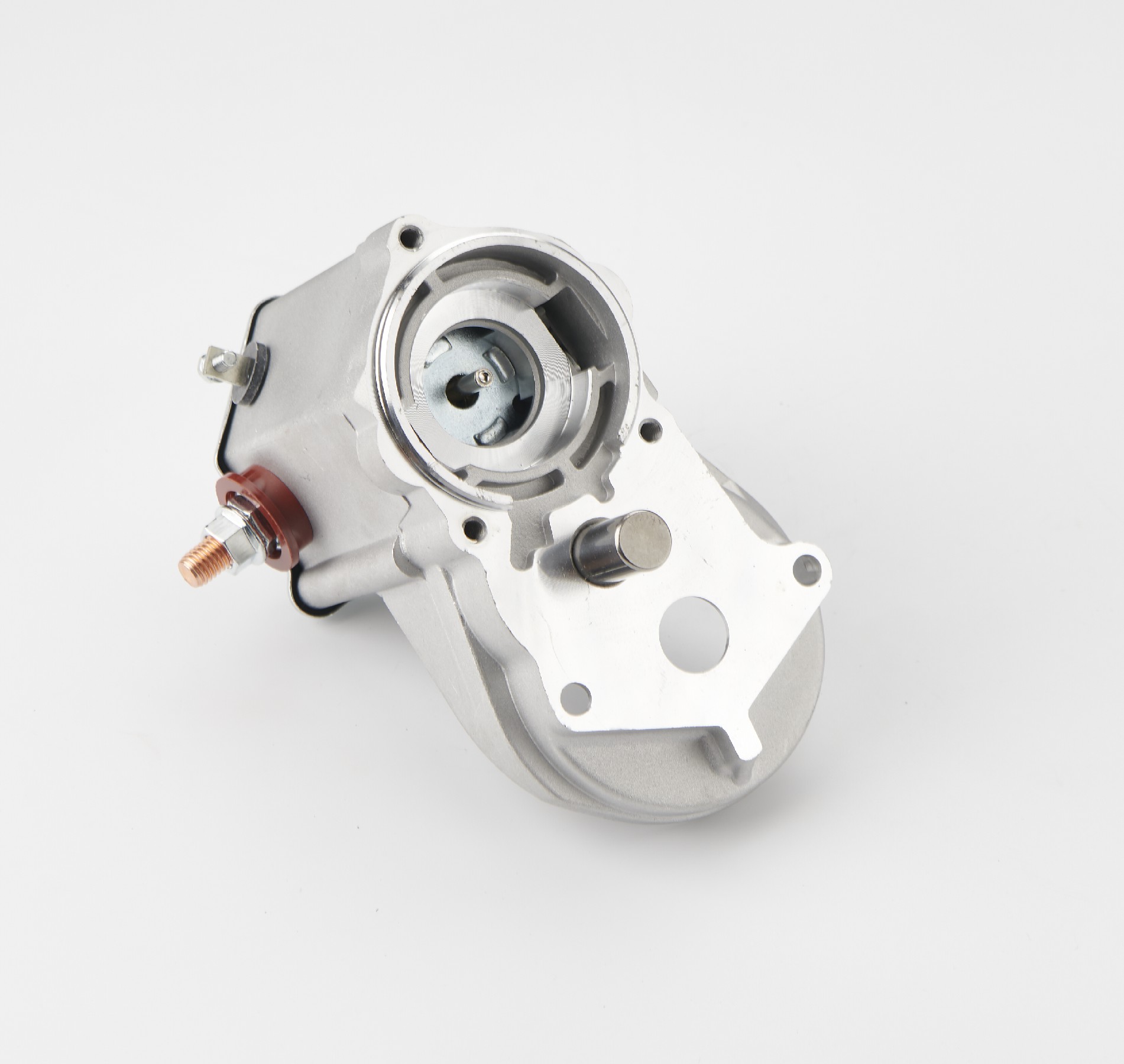
Understanding the symptoms of a failing car starter solenoid is essential for every vehicle owner. The car starter solenoid works silently most of the time, but when problems develop, it sends distinct signals that warrant immediate attention. This guide walks you through the most common warning signs, how to diagnose a faulty car starter solenoid, and what your next steps should be when problems emerge.
Common Warning Signs of a Failing Car Starter Solenoid
Clicking Sounds Without Engine Cranking
One of the most recognizable symptoms of a failing car starter solenoid is a rapid clicking sound when you turn the ignition key. This clicking occurs because the car starter solenoid is attempting to engage but cannot maintain electrical contact properly. Each click represents the solenoid briefly activating and then losing power, creating a repetitive sound. This is distinctly different from the normal cranking sound your engine produces when starting normally. If you hear this clicking pattern, your car starter solenoid may have internal contact wear or corrosion preventing full engagement.
Slow or Weak Cranking Action
Another telltale sign is when your engine cranks slower than usual or with noticeably reduced power. A deteriorating car starter solenoid may not deliver full electrical current to the starter motor, resulting in sluggish cranking that takes longer to turn the engine over. This weak cranking is particularly noticeable on cold mornings when your battery is already stressed. If your battery tests good but cranking remains weak, the car starter solenoid is likely the culprit. Many owners mistake this for a battery problem, only to discover after replacement that the real issue is their car starter solenoid.
Intermittent Starting Problems and Complete Failure
Your Engine Starts Intermittently
Intermittent starting is a frustrating problem that indicates your car starter solenoid is unreliable. Your vehicle might start normally one moment and then refuse to crank the next, with no obvious pattern or predictability. This happens when the car starter solenoid's internal contacts are corroded or worn, creating inconsistent electrical connections. You might succeed on the second or third attempt after waiting a few moments. This intermittent behavior is particularly problematic because it makes diagnosis difficult, but it's a classic sign that your car starter solenoid is deteriorating and needs replacement soon.
Complete Engine Failure to Start
The most severe symptom is when your engine refuses to start at all, with no clicking, cranking, or any response to the ignition key. When a car starter solenoid fails completely, it breaks the electrical circuit entirely, preventing any power from reaching the starter motor. Your dashboard lights may illuminate normally, and other electrical components may function, but the car starter solenoid cannot engage. This represents a total failure of the car starter solenoid and requires immediate replacement. A dead car starter solenoid leaves you unable to start your vehicle without professional help.
Testing and Confirming Car Starter Solenoid Problems
Listening for Solenoid Response
You can perform a basic diagnostic test by listening carefully when turning the ignition key. Place your ear near the starter assembly and listen for a distinctive click when you turn the key to the start position. A healthy car starter solenoid produces a clear, single click before engaging the starter. If your car starter solenoid is failing, you may hear repeated clicking, a weak click, or no click at all. This simple listening test provides valuable information about your car starter solenoid's condition before visiting a mechanic.
Checking Electrical Connections
Before assuming your car starter solenoid has failed, inspect the battery terminals and starter connections for corrosion or loose cables. A car starter solenoid may appear to malfunction when the real problem is poor electrical connections or a weak battery. Clean any corrosion from battery terminals using a wire brush and ensure all connections are tight. A corroded connection can mimic car starter solenoid failure symptoms while being much easier to fix. Proper electrical maintenance often reveals whether your car starter solenoid is truly defective or if connection issues are responsible.
Professional Diagnostic Testing
Professional mechanics use multimeters and specialized diagnostic equipment to test car starter solenoid function precisely. They measure voltage reaching the car starter solenoid and monitor its response when activated. This testing isolates the car starter solenoid from other potential issues and confirms its actual condition. A mechanic can determine whether your car starter solenoid needs immediate replacement or if related components require attention first. Professional testing eliminates guesswork and provides confidence in the diagnosis before you invest in a replacement car starter solenoid.
When to Replace Your Car Starter Solenoid
Recognizing Replacement Urgency
Once you've confirmed that your car starter solenoid is malfunctioning, the next decision is whether to replace it immediately or wait. If symptoms are mild and intermittent, you may have a short window to arrange a repair before complete failure occurs. However, any confirmed car starter solenoid problem will worsen over time as internal contacts continue deteriorating. Waiting too long increases the risk of being stranded at an inconvenient moment. The longer you delay addressing a failing car starter solenoid, the greater the chance of sudden total failure.
Cost Considerations for Car Starter Solenoid Replacement
Replacing a car starter solenoid is far more affordable than addressing damage from a prolonged no-start condition. A replacement car starter solenoid typically costs between one hundred and four hundred dollars depending on your vehicle make and model. Labor costs vary based on your mechanic and how accessible the car starter solenoid is on your specific engine. Addressing the problem promptly when you first notice symptoms prevents more expensive secondary repairs. The cost of replacing a car starter solenoid is minimal compared to the inconvenience and potential complications of extended non-use.
FAQ
What causes a car starter solenoid to fail?
A car starter solenoid fails due to internal contact wear, corrosion from moisture and salt exposure, electrical overload, or simply age-related deterioration. The internal contacts inside a car starter solenoid can pit and wear from repeated electrical arcing during normal operation. Corrosion accumulates on terminals when moisture penetrates the solenoid housing, reducing conductivity. Extreme heat from engine operation accelerates the degradation process. Most car starter solenoid units have a lifespan of seven to ten years before failure becomes likely.
Can I drive with a failing car starter solenoid?
No, you cannot drive with a failing car starter solenoid because the issue prevents your engine from starting reliably. A car starter solenoid only functions during the engine start process, so it doesn't affect your ability to drive once the engine is running. However, once you turn off the engine, a failed car starter solenoid prevents you from starting it again. This means you should address car starter solenoid problems immediately rather than delaying repairs. Waiting risks being stranded in a dangerous location when complete failure occurs.
How do I know if my problem is the battery or car starter solenoid?
If your dashboard lights and other electrical components work normally, your problem is likely the car starter solenoid rather than the battery. A completely dead battery causes total electrical failure throughout your vehicle. A failing car starter solenoid typically allows lights and accessories to function while only affecting the starting system. Professional testing with a multimeter can measure battery voltage and the car starter solenoid's response independently. This testing quickly distinguishes between battery problems and car starter solenoid failure.
