 EN
EN


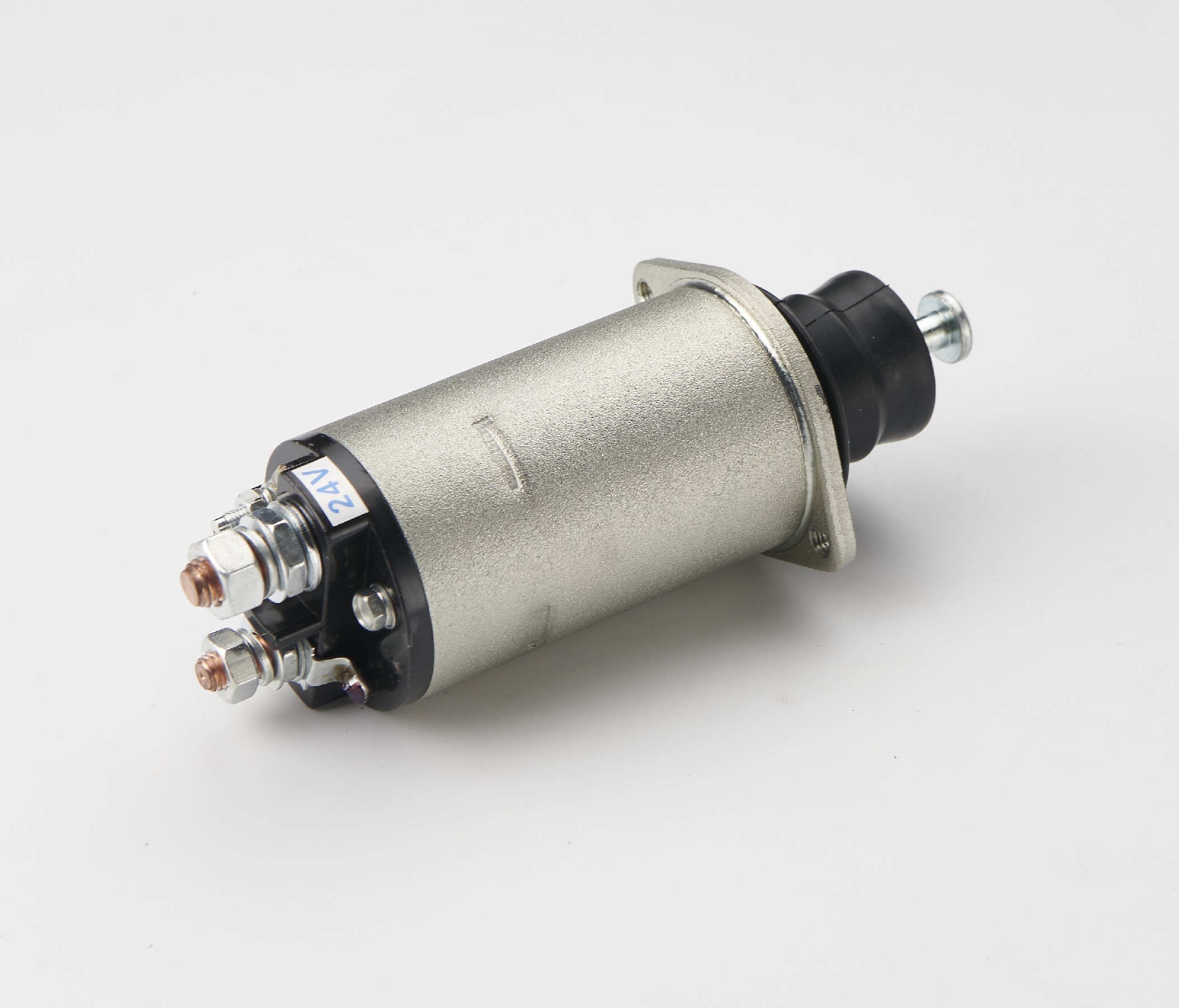
Winter weather poses serious challenges to vehicle reliability, and one critical component that often faces unexpected stress is the car starter solenoid. When temperatures drop significantly, the car starter solenoid must work harder to engage your engine's starter motor, and inadequate preparation can lead to cold-start failures that leave you stranded. Understanding how to protect your car starter solenoid during winter months is essential for maintaining consistent vehicle performance and avoiding costly repairs.
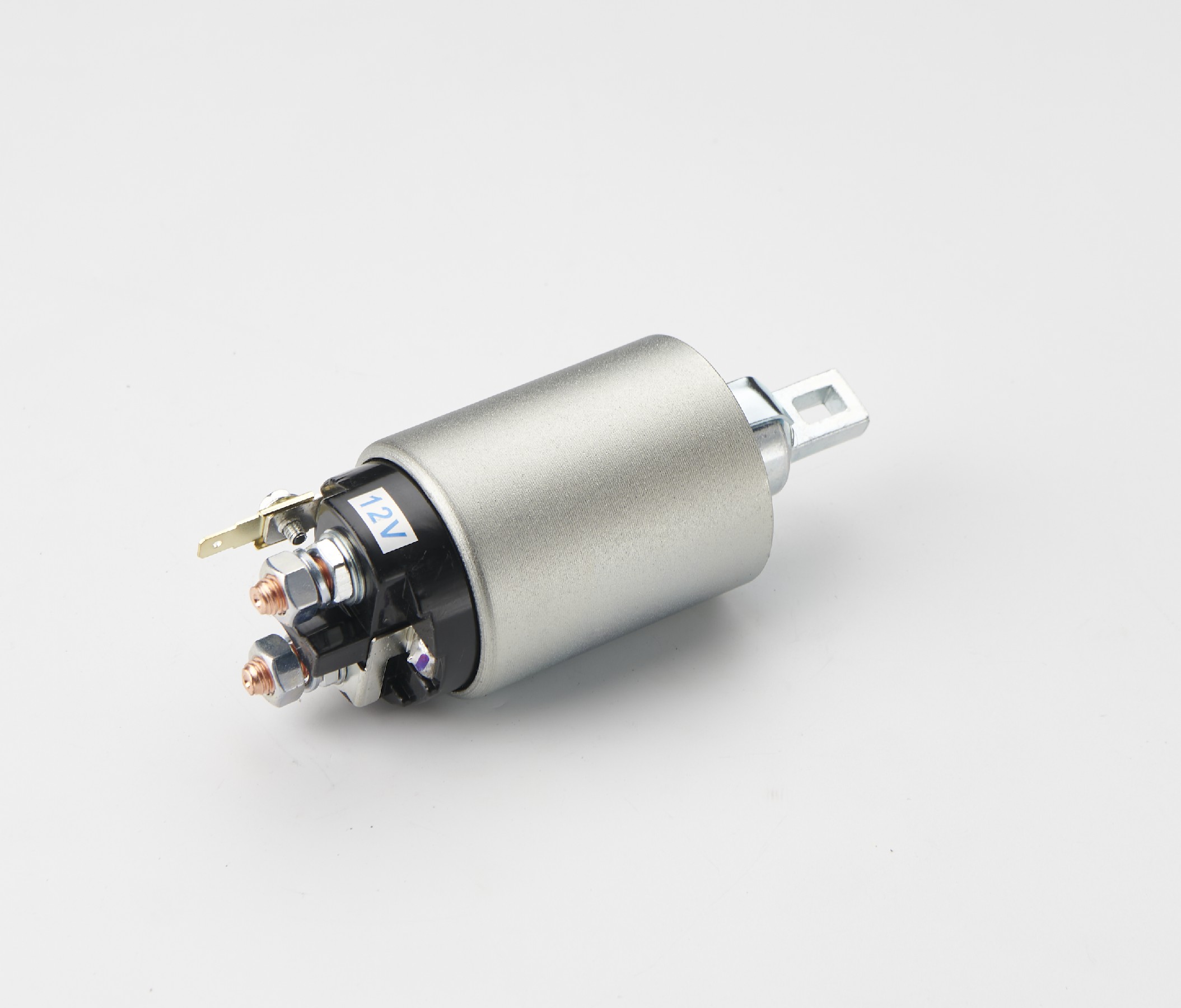
The car starter solenoid is an electromagnetic switch that directs electrical current from your battery to the starter motor, making it one of the most demanding electrical components in cold conditions. When winter arrives, battery power diminishes, oil thickens, and the car starter solenoid must overcome greater mechanical resistance to turn the engine over. Proper winter preparation ensures that your car starter solenoid remains responsive and reliable, protecting both your vehicle's starting system and your peace of mind during the coldest months.
Understanding Winter Stress on Your Car Starter Solenoid
How Cold Weather Affects Solenoid Performance
Cold temperatures dramatically reduce the efficiency of your car starter solenoid by affecting multiple system components simultaneously. Battery electrolyte viscosity increases in cold weather, reducing the available electrical current that your car starter solenoid needs to engage properly. Engine oil becomes thicker and more resistant to movement, forcing the car starter solenoid to work harder against increased mechanical load. When these factors combine, the car starter solenoid may struggle to generate sufficient magnetic force to pull the starter pinion gear into engagement with the engine flywheel.
Common Winter Failure Patterns
Many drivers experience a distinctive clicking sound when their car starter solenoid fails in winter conditions, which indicates insufficient electromagnetic force to hold the starter motor engaged. This happens because the car starter solenoid's electromagnet becomes less effective as electrical resistance increases and current flow decreases in cold weather. Some vehicles exhibit intermittent starting difficulties where the car starter solenoid engages inconsistently over multiple attempts. Others fail to start completely, with the car starter solenoid unable to move the starter gear at all. Recognizing these patterns early allows you to address problems before they leave you unable to start your vehicle.
Essential Maintenance Steps for Winter Readiness
Battery Health Assessment and Preparation
Your battery is the direct power source for the car starter solenoid, making battery condition the foundation of winter starting reliability. Begin winter preparation by having your battery tested to ensure it maintains adequate voltage and current capacity at low temperatures. A battery that functions adequately in moderate weather may fail to provide sufficient power to your car starter solenoid when temperatures drop below freezing. Clean any corrosion from battery terminals and cable connectors, as corroded connections create electrical resistance that further reduces power delivery to the car starter solenoid. Consider upgrading to a winter-rated battery with higher cold-cranking amperage if your vehicle is more than three years old or if you live in a region with severe winters.
Electrical System Inspection and Cleaning
The electrical pathway from your battery to the car starter solenoid must be clean and free of oxidation for optimal current flow. Inspect all battery cables, ground straps, and connectors for signs of corrosion, loose connections, or damaged insulation. Even minor resistance in these connections reduces the power available to your car starter solenoid, compromising its ability to function reliably in cold weather. Apply dielectric grease to all connectors after cleaning to prevent future corrosion buildup. Check that your car starter solenoid terminals are firmly seated and free of debris, as loose connections can prevent full voltage from reaching the solenoid electromagnet.
Operational Practices and Preventive Measures
Engine Block Heater and Prewarming Strategies
Installing an engine block heater is one of the most effective winter preparation methods for reducing stress on your car starter solenoid. By warming engine coolant and oil before startup, the block heater reduces the mechanical load that your car starter solenoid must overcome, allowing it to engage the starter more easily. If you park in a garage, even an unheated space provides some protection, as the car starter solenoid performs better when ambient temperature remains a few degrees higher. For owners without garage access, a simple engine blanket can help retain engine heat overnight, reducing the thermal shock that affects car starter solenoid performance. Allow the engine to warm for several seconds after the initial start before applying heavy load, giving the car starter solenoid and starter motor time to acclimate to operating conditions.
Battery and Oil Considerations
Switching to winter-grade synthetic oil significantly improves your car starter solenoid's working conditions by reducing engine cranking resistance. Thinner winter oils flow more freely at low temperatures, requiring your car starter solenoid to expend less electromagnetic energy to turn the engine. Battery maintainers and trickle chargers prevent charge loss during winter storage periods, ensuring your car starter solenoid always has adequate power available. Keep your battery charged to at least seventy-five percent capacity during winter months, as a depleted battery cannot deliver the electrical current your car starter solenoid requires for reliable engagement. Avoid attempting multiple long-duration cranking cycles, as each attempt drains battery voltage further, making it increasingly difficult for your car starter solenoid to function.
Recognizing and Addressing Problems
Diagnostic Signs and Warning Indicators
Develop familiarity with the normal starting behavior of your vehicle so you can immediately recognize when your car starter solenoid performance deteriorates. A rapid clicking sound during startup indicates that your car starter solenoid is receiving insufficient power to engage the starter motor fully. Slower or single clicks suggest that your car starter solenoid may have internal resistance or connection issues preventing proper engagement. If your car starter solenoid produces no audible clicking whatsoever, the problem may involve the ignition switch, security system, or complete solenoid failure rather than cold-weather stress. Dimming dashboard lights during the starting attempt indicate battery voltage sag, which directly impacts car starter solenoid operation.
When to Seek Professional Service
If your car starter solenoid fails to respond even after battery and electrical system maintenance, professional diagnosis becomes necessary to identify component failures. Mechanics can test your car starter solenoid's electromagnetic coil and switching contacts to determine whether the problem is inherent to the solenoid itself or related to power delivery. Replacement of a faulty car starter solenoid typically resolves chronic starting difficulties that persist despite battery and charging system repairs. Winter is an ideal time to address car starter solenoid problems proactively, as prompt replacement prevents unexpected failures during the coldest part of the season.
FAQ
How can I tell if my car starter solenoid needs winter replacement?
If your car starter solenoid produces weak clicking sounds in cold weather despite adequate battery charge and healthy electrical connections, replacement is likely necessary. Test the solenoid by listening for a distinct click when engaging the ignition, and have the system professionally tested before winter if you experience any starting irregularities. A properly functioning car starter solenoid should engage the starter motor consistently, even at temperatures below freezing.
What is the relationship between battery voltage and car starter solenoid reliability?
Your car starter solenoid requires minimum voltage levels to generate sufficient electromagnetic force for engagement, typically between 10.5 and 12 volts depending on the solenoid design. Cold weather reduces available battery voltage, so maintaining battery health and ensuring fully charged conditions is critical to car starter solenoid performance. Voltage drops below 10 volts generally prevent the car starter solenoid from engaging the starter motor effectively, leaving your vehicle unable to start.
Can winter maintenance prevent car starter solenoid failure completely?
While comprehensive winter maintenance dramatically reduces the risk of car starter solenoid failure, age-related component deterioration cannot be prevented indefinitely through maintenance alone. Regular inspection, battery care, and electrical system cleaning will extend car starter solenoid life and maintain reliability through most winter seasons. However, solenoids that have reached the end of their service life should be replaced proactively rather than waiting for failure to occur during winter months when starting is most critical.
