 EN
EN


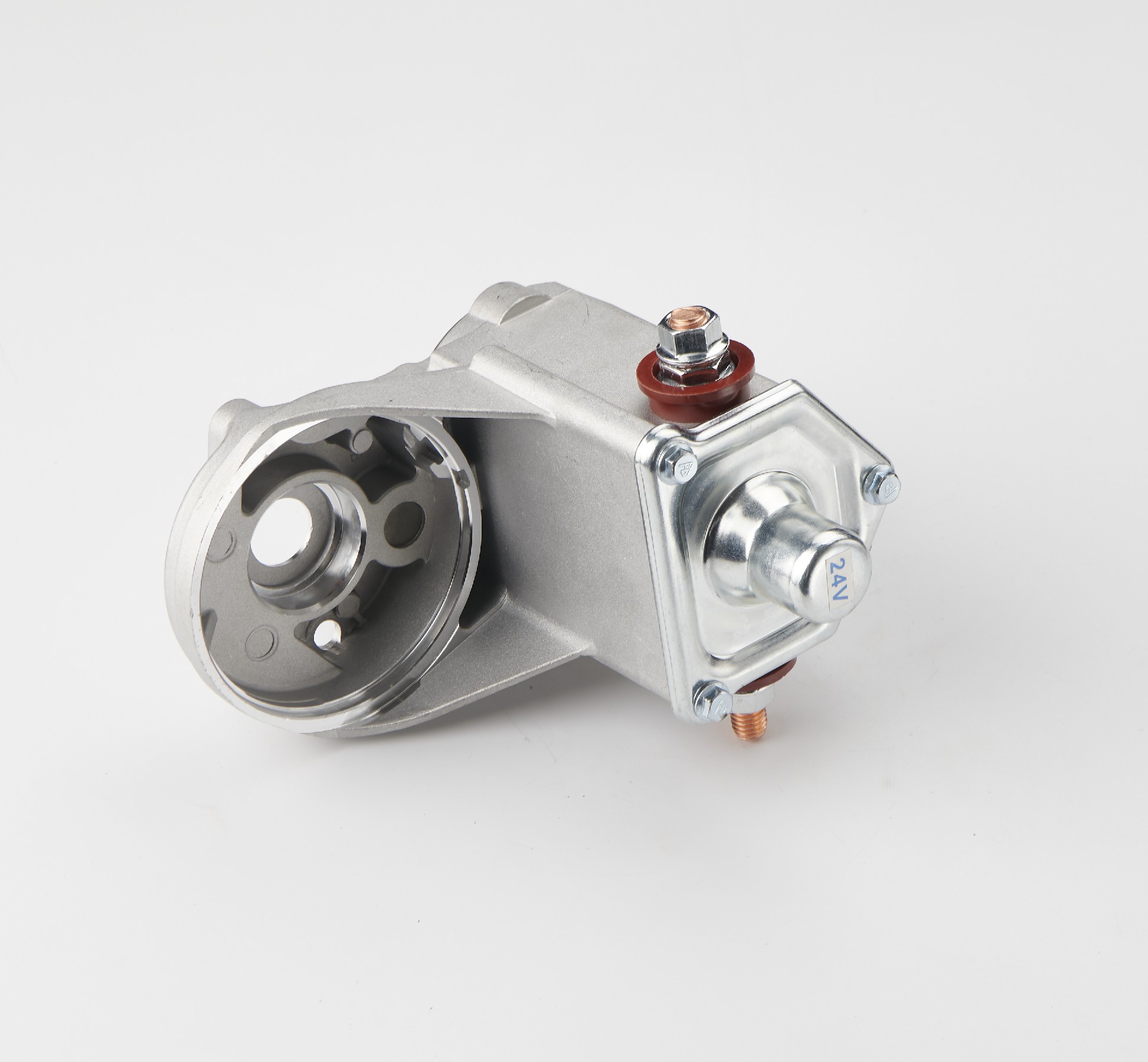
When your vehicle fails to start and you suspect a faulty car starter solenoid, knowing how to safely jump-start it in an emergency can save you time and money. A car starter solenoid is a critical electromagnetic switch that transfers electrical current from your battery to the starter motor, enabling engine ignition. Understanding the proper procedure to jump a car starter solenoid safely is essential for any vehicle owner facing this frustrating situation.
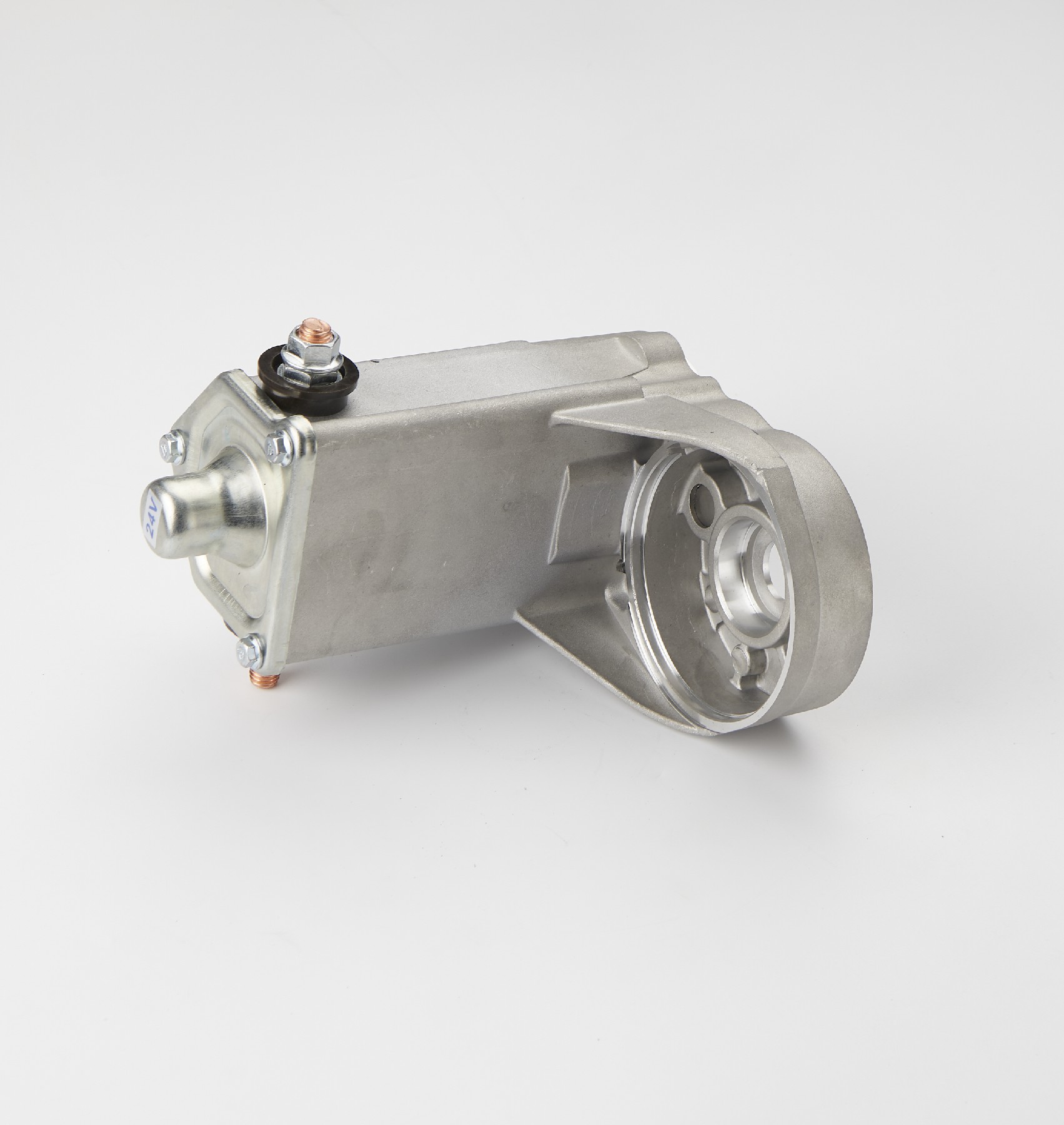
Before attempting to jump a car starter solenoid, recognize that this emergency measure differs significantly from conventional jump-starting. While standard jump-starting addresses battery depletion, bypassing a faulty car starter solenoid requires direct electrical intervention at the starter assembly itself. This guide walks you through safe emergency procedures while emphasizing when professional assistance becomes necessary for vehicle reliability and safety.
Identifying Car Starter Solenoid Failure Signs
Recognizing Electrical Symptoms of Car Starter Solenoid Issues
A failing car starter solenoid produces distinctive warning signals that distinguish it from other engine start problems. When you turn the ignition key, you may hear rapid clicking sounds rather than the normal engine cranking noise, indicating that the car starter solenoid cannot hold adequate electrical current. The dashboard lights may stay bright without dimming, suggesting sufficient battery power reaches your vehicle but the car starter solenoid fails to engage the starter motor properly.
Physical and Environmental Indicators
Weather and age significantly impact car starter solenoid performance. Cold temperatures cause battery resistance to increase, while worn car starter solenoid contacts accumulate corrosion that prevents reliable current flow. If your vehicle shows inconsistent starting behavior—working sometimes but not others—the car starter solenoid likely suffers from intermittent electrical contact failure rather than complete mechanical breakdown.
Emergency Jump Procedures for Car Starter Solenoid
Safety Preparation Before Attempting to Jump a Car Starter Solenoid
Before attempting any emergency intervention with your car starter solenoid, disconnect the negative battery terminal completely. Position your vehicle on level ground away from traffic and ensure the transmission is in Park. Wear safety glasses and work gloves to protect against electrical hazards and corrosion particles. Gather necessary tools including jumper cables, a multimeter for voltage testing, and potentially a remote starter switch if available, as these items support safe car starter solenoid diagnostics.
Direct Bypass Technique for Car Starter Solenoid Activation
Locate your car starter solenoid assembly under the hood, typically mounted directly on or near the starter motor. The car starter solenoid features multiple terminals: the positive battery connection, the ignition switch wire, and the starter motor connection. In an emergency, using a remote starter button to bypass the faulty car starter solenoid's internal switch may activate the starter motor directly, though this bypasses safety interlocks built into your vehicle's electrical system. Connect the remote starter button according to your vehicle manufacturer's specifications and activate it cautiously, listening for normal starter motor engagement sounds.
Battery and Electrical Load Assessment
Verify your battery maintains proper charge before attempting to jump a car starter solenoid. Use a multimeter to confirm battery voltage reads between twelve and fourteen volts at rest. A weakened battery compounds car starter solenoid failures, as the electromagnetic coil requires consistent voltage to function. If your battery voltage remains low, charge it fully before proceeding with emergency procedures on your car starter solenoid.
Safe Handling and Prevention Strategies
Protective Measures During Car Starter Solenoid Emergency Intervention
Never attempt to jump a car starter solenoid while the engine is running, as electrical surges could damage engine control modules. Keep all body parts clear of moving starter components when testing a car starter solenoid function. Avoid prolonged electrical current flow through bypass connections, as excessive heat buildup in a car starter solenoid creates fire hazards and accelerates component failure. Always double-check terminal connections for corrosion and poor contact before each attempt, since a defective car starter solenoid often results from corroded connections rather than internal coil failure.
Long-Term Reliability and Professional Intervention
Emergency jump procedures represent temporary solutions for a failing car starter solenoid and should not replace professional replacement. Repeated emergency bypassing of a car starter solenoid creates additional electrical stress on your vehicle's charging system and can damage the starter motor itself. Schedule professional inspection within twenty-four hours after an emergency jump attempt on your car starter solenoid. Experienced technicians can test the car starter solenoid for internal coil resistance and recommend replacement with quality OEM or verified aftermarket components.
FAQ
What should I do if jumping a car starter solenoid doesn't work on the first attempt?
If your emergency procedure fails to start the engine, wait at least five minutes between attempts to prevent electrical system strain. Check all cable connections at the car starter solenoid terminals for corrosion, tightness, and proper seating. Verify battery voltage remains adequate using a multimeter, as repeated failed starts drain battery charge rapidly. Contact a mobile mechanic or towing service rather than continuing repetitive jump attempts on your car starter solenoid.
Can weather conditions affect emergency jump procedures for a car starter solenoid?
Yes, cold temperatures significantly impact car starter solenoid functionality. Battery chemical reactions slow in freezing conditions, reducing available current. Extreme heat also damages a car starter solenoid's internal coil insulation and weakens magnetic force. Always warm your vehicle slightly before emergency intervention if possible, and avoid multiple rapid attempts on a car starter solenoid in any extreme weather environment.
When should I choose professional repair instead of attempting to jump a car starter solenoid myself?
If you lack mechanical experience, professional help is always safer and faster than emergency procedures. Modern vehicles with computer-controlled starting systems risk serious electrical damage if you bypass a car starter solenoid incorrectly. If jump attempts fail twice, if your battery tests defective, or if you hear grinding sounds from the car starter solenoid, professional replacement is necessary rather than repeated emergency intervention.
