 EN
EN


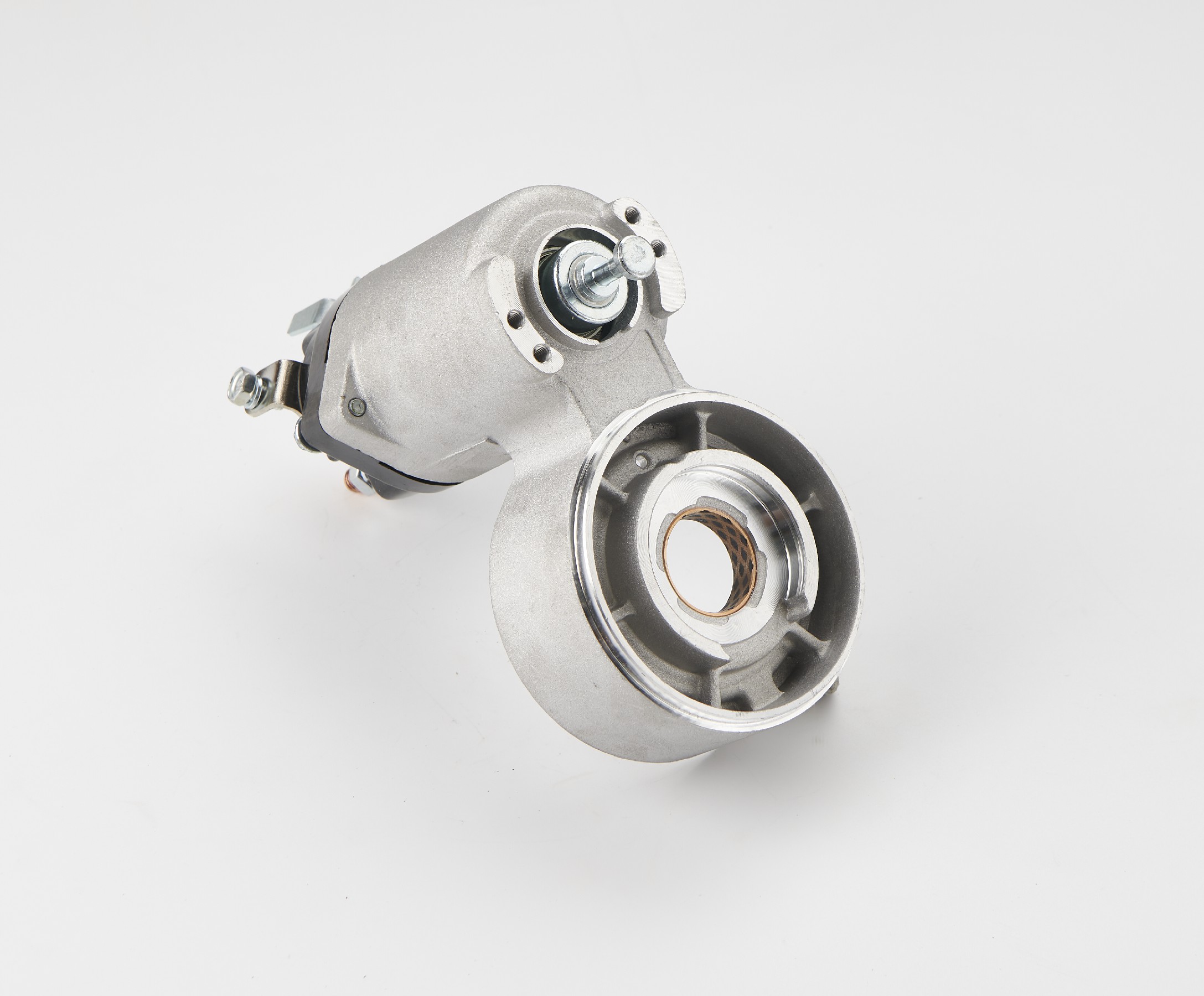
Upgrading your vehicle's electrical starting system is a critical decision that can significantly impact reliability and performance. When engine cranking becomes sluggish or fails entirely, the car starter solenoid often plays a central role in diagnosing the problem. Many vehicle owners face the same question: should they invest in an aftermarket high-torque car starter solenoid, or will a standard replacement suffice? Understanding the real value proposition of these upgraded components requires examining performance metrics, durability advantages, and genuine use-case scenarios where high-torque designs genuinely deliver measurable benefits.
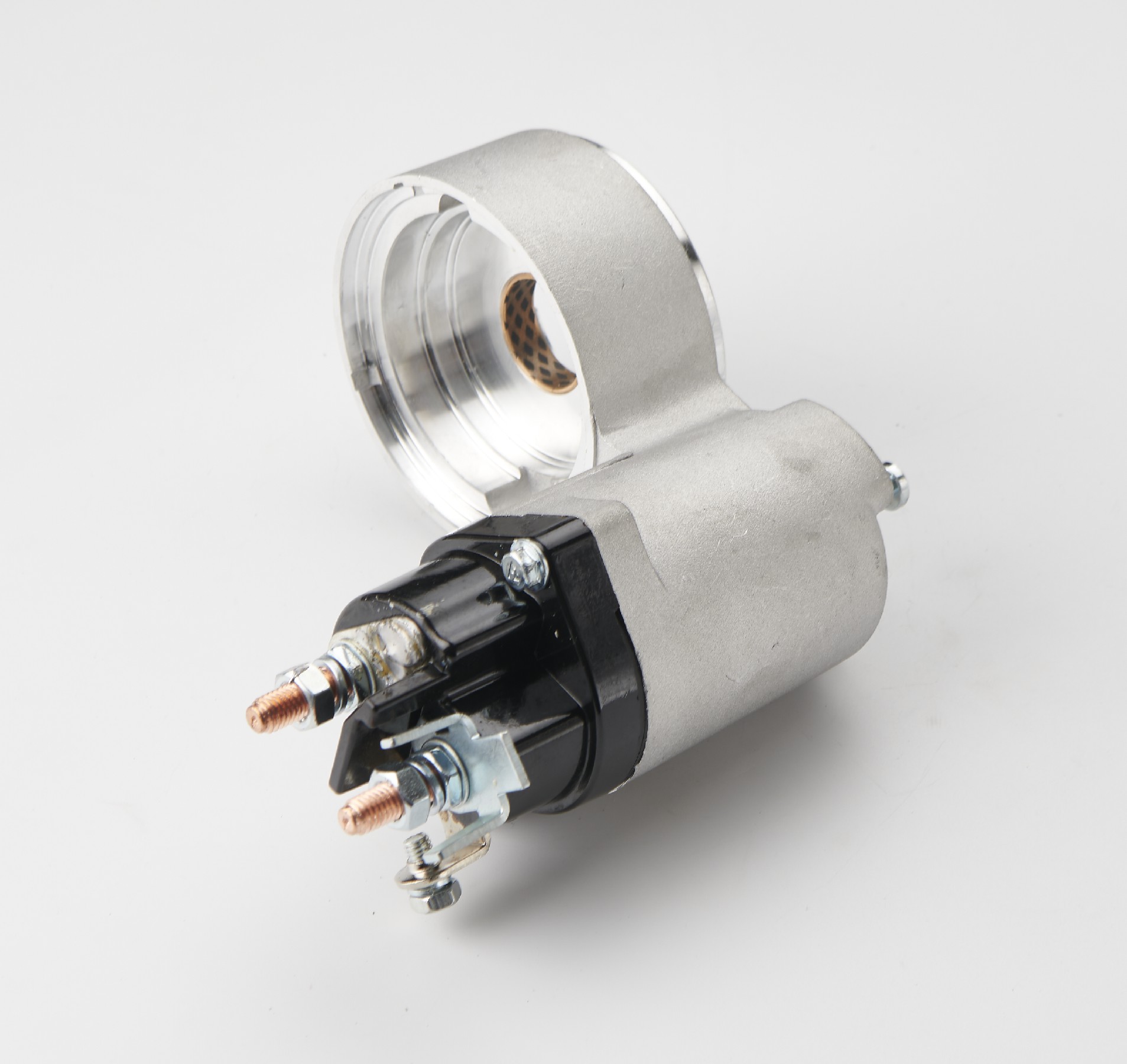
A car starter solenoid is an electromagnetic relay that engages the starter motor and establishes the main power circuit between the battery and the starter. The solenoid receives a low-power signal from the ignition switch, then uses electromagnetism to close heavy-duty contacts that allow full battery current to flow to the starter motor. High-torque aftermarket car starter solenoid models are engineered to deliver stronger electromagnetic engagement, faster contact closure, and enhanced load handling compared to original equipment manufacturer specifications. The question of whether aftermarket high-torque options justify their higher cost depends on your vehicle type, driving conditions, and long-term reliability expectations.
Understanding High-Torque Car Starter Solenoid Design and Performance
How High-Torque Designs Differ from Standard Models
The core distinction between a standard car starter solenoid and an aftermarket high-torque variant lies in electromagnetic coil strength, contact material composition, and mechanical engagement force. Standard car starter solenoid units from original manufacturers are engineered to meet minimum performance thresholds for typical passenger vehicles under normal operating conditions. High-torque car starter solenoid aftermarket models, by contrast, feature reinforced windings that generate stronger magnetic fields, premium contact alloys that resist pitting and wear, and precision-machined plungers that ensure faster and more forceful engagement. These engineering enhancements allow a car starter solenoid to handle greater inrush current, deliver faster motor engagement, and maintain consistent performance across wider temperature ranges and voltage fluctuations.
When you examine the mechanical action of a high-torque car starter solenoid versus standard designs, the difference becomes clear during cold-weather starts or when battery voltage dips below nominal levels. A robust car starter solenoid with high-torque capability pulls harder on the starter drive mechanism, reducing resistance and friction losses during engagement. This translates to more reliable motor spin-up, especially in diesel engines, trucks, and vehicles with larger displacement engines that demand substantial cranking force. The car starter solenoid's ability to maintain consistent electromagnetic pull regardless of ambient temperature or battery condition is where premium aftermarket designs prove their engineering advantage.
Material Composition and Durability Factors
Aftermarket high-torque car starter solenoid manufacturers prioritize material selection as a fundamental reliability driver. Premium copper alloys in the electromagnetic coils resist thermal degradation and maintain consistent resistivity across thousands of start cycles, whereas economy components may experience coil resistance drift over time. The contact surfaces inside a quality car starter solenoid are typically fabricated from silver-cadmium or silver-nickel alloys that withstand arcing and maintain low contact resistance even after extended service life. Standard car starter solenoid contacts may use more economical materials that accumulate pitting and carbon deposits, gradually increasing electrical resistance and reducing engagement reliability. A properly engineered aftermarket car starter solenoid also incorporates superior return spring materials that resist fatigue and corrosion, ensuring the plunger disengages promptly after engine start without stiction or delayed release.
Performance Scenarios Where High-Torque Car Starter Solenoid Models Deliver Real Value
Heavy-Duty Vehicle Applications and Diesel Engines
The most compelling use case for an aftermarket high-torque car starter solenoid involves heavy-duty commercial vehicles, diesel trucks, and engines with compression ignition designs. Diesel engines demand substantially higher cranking force than gasoline engines because compression-ignition combustion requires forcing air into cylinders at extreme pressures before fuel injection. A standard car starter solenoid may struggle to deliver sufficient engagement force when powering starter motors rated for 5000 to 7000 watts of mechanical output on large-displacement diesel units. An industrial-grade, high-torque car starter solenoid ensures repeatable reliable starts even during cold winter mornings when diesel fuel viscosity increases and battery output diminishes. Fleet operators and owner-operators of heavy trucks have discovered that upgrading to premium car starter solenoid models dramatically reduces no-start incidents and associated downtime costs.
Recovery vehicles, concrete mixers, and construction equipment that run continuously throughout the day place extraordinary demand on the car starter solenoid electrical circuit. The repeated thermal cycling and frequent engine restarts gradually degrade standard car starter solenoid contacts and coil insulation. Aftermarket high-torque car starter solenoid units rated for extended duty cycles maintain performance consistency across hundreds or thousands of starts during a single operational day. The electromagnetic reserve capacity built into a heavy-duty car starter solenoid means that even when battery voltage sags to 10 volts during peak current draw, the solenoid still engages decisively and reliably.
High-Performance and Modified Vehicle Applications
Enthusiasts who modify gasoline engines with turbocharging, supercharging, or significant displacement increases often discover that original equipment car starter solenoid components become inadequate bottlenecks in their electrical systems. A modified engine with 50 to 100 additional horsepower generates proportionally higher compression pressures at TDC, demanding more aggressive starter engagement force to overcome mechanical resistance. Aftermarket high-torque car starter solenoid models designed for performance applications feature reinforced plunger shafts, upgraded spring rates, and coil designs optimized for maximum magnetic pull under sustained high-current loads. The car starter solenoid in a turbocharged engine experiences higher thermal stress because intercooler cooling increases air density and compression ratio, requiring faster and more powerful solenoid engagement to ensure reliable cold starts.
Vintage muscle cars and restoration projects also benefit significantly from modern high-torque car starter solenoid technology. Original equipment car starter solenoid designs from the 1960s and 1970s were engineered within the electrical and mechanical constraints of that era, and their performance degrades dramatically after fifty years of service. A contemporary aftermarket high-torque car starter solenoid provides dramatically superior reliability while maintaining aesthetic compatibility with original installations. The car starter solenoid upgrade allows classic car owners to enjoy modern dependability without sacrificing the authenticity or appearance of their vehicles.
Cost-Benefit Analysis and Practical Decision Criteria for Car Starter Solenoid Upgrades
Weighing Upgrade Cost Against Long-Term Reliability Value
The financial case for upgrading to an aftermarket high-torque car starter solenoid depends critically on your vehicle's application and expected service life. A standard replacement car starter solenoid typically costs 30 to 80 dollars and handles normal passenger vehicle duty cycles adequately, providing 3 to 5 years of trouble-free operation under typical driving conditions. A premium aftermarket high-torque car starter solenoid costs 80 to 180 dollars but offers substantially extended service life, greater reliability margins, and superior performance consistency. For owner-operators of commercial trucks who rely on vehicle availability, the cost differential represents negligible expense compared to a single day of lost revenue from an unexpected start failure. For occasional passenger vehicle drivers, the additional investment in a car starter solenoid upgrade may not generate proportional financial returns unless reliability concerns already exist.
The calculation becomes favorable when you factor in the total cost of ownership for vehicles operated in challenging environmental conditions. Vehicles exposed to extreme cold climates, coastal salt air, high-altitude operation, or dusty industrial environments experience accelerated car starter solenoid degradation. A robust, corrosion-resistant aftermarket car starter solenoid resists environmental damage and maintains performance consistency across 5 to 8 years of service, whereas a standard car starter solenoid may fail after 2 to 3 years in harsh conditions. The labor cost to replace a failed car starter solenoid again typically exceeds the initial upgrade investment, making premium models economically rational for long-service-life applications.
Diagnostic Signals That Indicate a Car Starter Solenoid Upgrade Is Justified
Several diagnostic symptoms suggest that your vehicle would benefit from car starter solenoid replacement or upgrade to a high-torque model. Slow engine cranking speed despite a healthy battery indicates that the car starter solenoid contacts are accumulating resistance, reducing available current flow to the starter motor. A clicking sound without engine rotation often signals that the car starter solenoid engages partially but lacks sufficient force to fully close contacts and establish the main power circuit. Multiple start attempts required before engine ignition suggests that the car starter solenoid is struggling with marginal electrical conditions and would benefit from higher electromagnetic reserve capacity. If your vehicle has approached 100,000 to 150,000 miles and exhibits any of these symptoms, upgrading to a high-torque aftermarket car starter solenoid often resolves the issues permanently.
Vehicle history also influences the decision to upgrade to a premium car starter solenoid. Vehicles that have experienced previous battery failures, electrical system corrosion, or charging system problems tend to develop accelerated car starter solenoid degradation because electromagnetic coils and contacts are exposed to voltage spikes and sustained low-voltage conditions. Upgrading to a high-torque car starter solenoid provides enhanced tolerance for electrical system stress and reduces the likelihood of recurrent start failures. Commercial fleets and rental car operators have found that standardizing on quality aftermarket high-torque car starter solenoid components across their vehicle populations substantially reduces maintenance costs and improves on-road reliability.
FAQ
What is the typical lifespan of an aftermarket high-torque car starter solenoid?
A well-manufactured aftermarket high-torque car starter solenoid typically provides 5 to 8 years of reliable service under normal operating conditions, compared to 3 to 5 years for standard equipment models. Actual lifespan depends significantly on driving patterns, environmental exposure, electrical system health, and the quality of the vehicle's battery. Vehicles operated in extreme climates, subjected to frequent cold starts, or used in high-duty-cycle commercial applications may experience reduced lifespan for any car starter solenoid, but premium models maintain superior performance throughout their service life. Regular battery maintenance and prompt diagnosis of electrical system problems help extend car starter solenoid longevity regardless of whether you choose standard or upgraded components.
Can a high-torque car starter solenoid improve fuel efficiency or engine performance?
An aftermarket high-torque car starter solenoid does not directly improve fuel efficiency or peak engine performance, because its function is limited to the engine starting phase. However, a high-torque car starter solenoid ensures faster, more reliable engine cranking and faster ignition system engagement, which can reduce overall start-cycle parasitic losses and improve perceived responsiveness during cold-weather operation. For diesel engines and commercial vehicles where reliable starting is essential to daily operations, the car starter solenoid upgrade indirectly supports operational efficiency by preventing no-start incidents that would otherwise interrupt service schedules.
How do I verify that an aftermarket car starter solenoid matches my vehicle's electrical specifications?
Before purchasing an aftermarket car starter solenoid, verify that the voltage rating, coil resistance, contact configuration, and mechanical mounting pattern match your vehicle's original equipment specifications. Quality manufacturers provide detailed specification sheets that clearly identify compatible vehicle models, engine types, and electrical system configurations for their car starter solenoid products. Consult your vehicle's service manual to determine the original equipment car starter solenoid part number and electrical ratings, then cross-reference with the aftermarket manufacturer's compatibility documentation. Installing a car starter solenoid with mismatched electrical specifications can damage your battery, starter motor, or ignition system, so precise verification is essential before purchasing and installing any upgraded component.
