 EN
EN


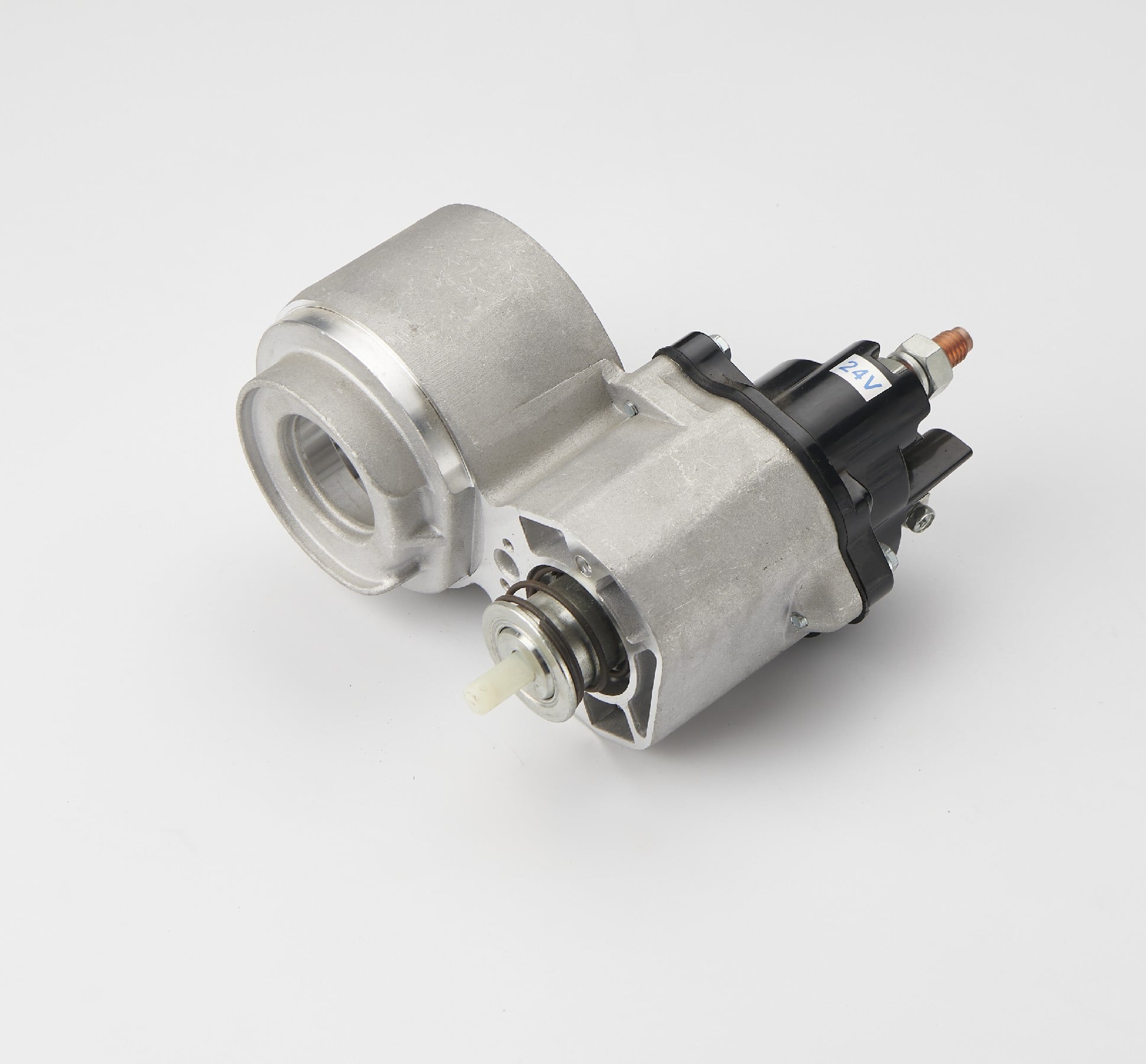
A car starter solenoid is one of the most critical components in your vehicle's electrical system, yet many drivers don't understand what it does or how to diagnose problems when it fails. This electromagnetic switch controls the flow of power from your battery to the starter motor, engaging the flywheel to crank your engine to life. When your car starter solenoid malfunctions, you may experience clicking sounds, no engine cranking, or complete starting failure. Learning to test your car starter solenoid like a professional will save you time, money, and frustration at the mechanic's shop, and it empowers you to make informed decisions about repairs and replacement.
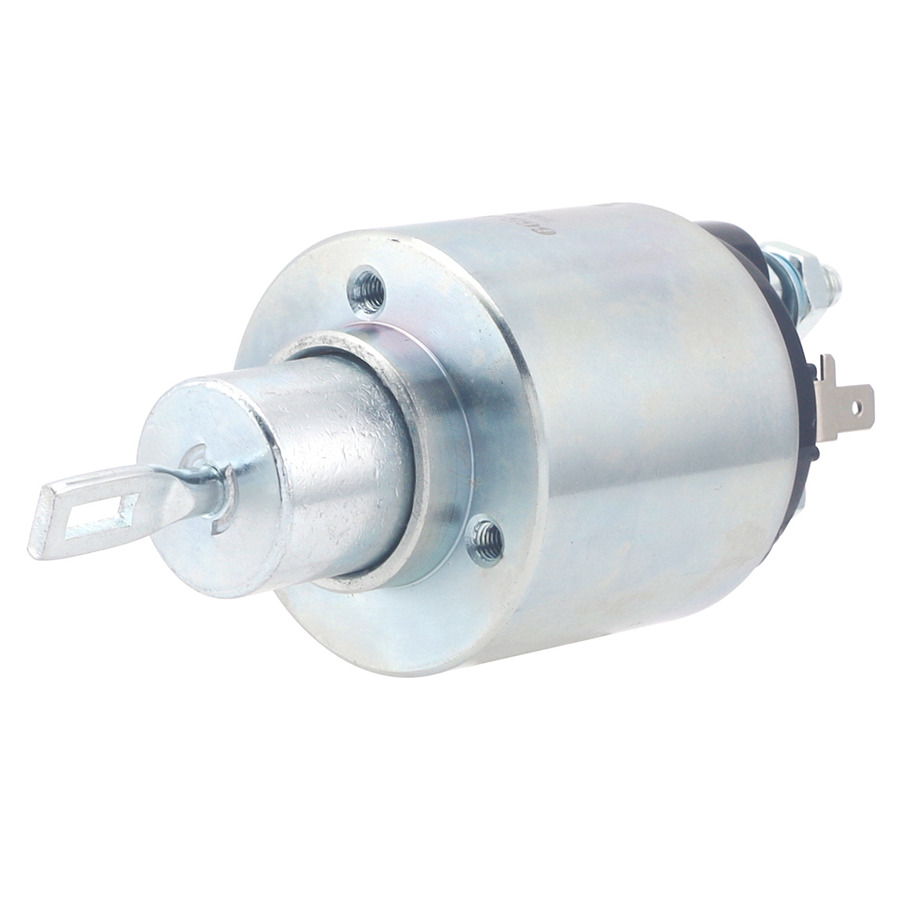
Professional technicians use systematic diagnostic approaches to isolate car starter solenoid issues from other starting system problems. Understanding these testing methods gives you the knowledge to verify whether replacement is truly necessary, communicate more effectively with repair specialists, and avoid unnecessary component replacement. The car starter solenoid works in conjunction with your battery, alternator, starter motor, and ignition system, so distinguishing a bad car starter solenoid from other electrical faults requires precise testing and logical troubleshooting steps.
Understanding Your Car Starter Solenoid Function and Failure Modes
How the Car Starter Solenoid Controls Engine Starting
Your car starter solenoid operates as an electromagnetic relay that bridges high-amperage current between your battery and the starter motor when you turn the ignition key. When you engage the ignition, electrical current flows through a thin wire in the car starter solenoid's coil, creating a magnetic field. This magnetic field pulls a plunger inward, which physically closes heavy-duty contacts inside the car starter solenoid, allowing full battery power to surge directly to the starter motor. This two-stage design protects your ignition switch from high current damage and enables reliable engine starting across thousands of cycles throughout your vehicle's lifespan.
Common Failure Symptoms of a Faulty Car Starter Solenoid
When your car starter solenoid begins to fail, you'll notice distinctive warning signs that should trigger diagnostic testing. A rapid clicking sound during engine cranking often indicates your car starter solenoid is engaging but unable to sustain full contact due to worn internal components or corroded contacts. Silent starting failures where nothing happens at all may suggest your car starter solenoid coil has burned out or lost electrical continuity. Some drivers report the starter motor spinning freely without engine engagement, a symptom that typically points to a failed car starter solenoid unable to push the drive pinion onto the flywheel. Intermittent starting problems where your car starter solenoid works sometimes but fails other times suggest loose connections, corroded terminals, or internal contact deterioration within the solenoid assembly.
Professional Testing Methods for Car Starter Solenoid Diagnosis
Visual Inspection and Basic Connectivity Tests
Begin your car starter solenoid assessment with a thorough visual inspection of the solenoid housing, terminals, and associated wiring. Look for corrosion on the battery terminals and solenoid posts, which prevents adequate current flow through your car starter solenoid. Corroded connections can cause voltage drop that blocks your car starter solenoid from receiving sufficient power, mimicking a failed unit when simple cleaning would restore function. Use a wire brush to remove white, green, or blue oxidation from all metal contact points, then reconnect firmly. Check that all battery cable connections are tight and that no wires show insulation damage, cracking, or heat damage that might impede your car starter solenoid's operation.
Multimeter Voltage Testing of Car Starter Solenoid Circuits
A digital multimeter enables you to measure voltage at different points in your car starter solenoid circuit, revealing whether power is reaching the solenoid when expected. With the engine off and ignition in the accessory position, measure battery voltage between the negative terminal and the positive cable—you should read approximately 12.6 volts in a healthy system. Now have an assistant turn the ignition to the start position while you measure voltage at the large battery cable connected to your car starter solenoid. Full battery voltage should appear immediately when cranking begins. If voltage drops below 10 volts, suspect a weak battery, corroded connections, or internal battery failure rather than your car starter solenoid. Next, measure voltage at the smaller solenoid coil wire (typically 12 volts) while someone attempts to start the engine; absence of voltage here indicates an ignition switch problem or broken wire, not a failed car starter solenoid.
Direct Solenoid Activation and Response Testing
Professional mechanics often bypass the ignition system to test whether your car starter solenoid itself can engage independently of other starting components. This isolation test directly determines if the car starter solenoid's electromagnetic coil and internal contacts function properly. Connect a jumper wire directly from the battery positive terminal to the small coil terminal on your car starter solenoid—you should hear a distinct clicking or clunking sound as the internal plunger activates. If your car starter solenoid remains silent and unresponsive to direct current, the electromagnetic coil has likely failed and requires replacement. Repeat this test several times to ensure your car starter solenoid responds consistently; sporadic response suggests internal contact problems or intermittent coil failure developing within the solenoid assembly.
Advanced Diagnostics and Professional Testing Approaches
Load Testing and Resistance Measurement
Advanced diagnostic equipment allows technicians to apply realistic electrical loads to your car starter solenoid while monitoring its response characteristics. A load tester draws current through the solenoid circuit, simulating actual engine starting conditions while measuring voltage drop and resistance at multiple points. Healthy car starter solenoid coils typically measure between 3 and 8 ohms of electrical resistance, depending on design specifications. If your car starter solenoid shows infinite resistance (zero continuity), the coil has burned out internally. Readings above 15 ohms suggest partial coil failure or deteriorating wire insulation inside the solenoid. Professional mechanics use this resistance data to distinguish between salvageable car starter solenoid issues caused by loose connections versus permanent internal failure requiring component replacement.
Functional Testing Under Starting Load
The most definitive test involves observing your car starter solenoid's behavior during actual engine starting attempts while monitoring electrical parameters simultaneously. Connect diagnostic equipment that simultaneously measures battery voltage, solenoid coil voltage, and starter motor current draw while attempting to crank the engine. A properly functioning car starter solenoid maintains stable coil voltage above 9 volts throughout the starting cycle and smoothly transitions the heavy-duty contacts when engagement occurs. If your car starter solenoid's coil voltage fluctuates wildly, drops below 6 volts, or the starter motor receives inconsistent power delivery, internal solenoid contact wear is occurring. This real-world testing under load reveals problems that bench testing cannot detect, confirming whether replacement is necessary or whether cleaning and tightening connections will restore your car starter solenoid's functionality.
Maintenance Tips and Preventive Care for Car Starter Solenoid Longevity
Regular Battery and Connection Maintenance
Your car starter solenoid depends entirely on clean, corrosion-free electrical connections to receive adequate power and signal voltage. Inspect battery terminals and solenoid connections every six months, removing corrosion buildup that accumulates from moisture and electrochemical reactions. Apply a thin layer of dielectric grease to protected connections after cleaning, which prevents future oxidation and extends your car starter solenoid's working life by ensuring consistent power delivery. Check that all cable connections tighten securely without excessive force that might crack solenoid terminals. Loose connections force your car starter solenoid to work harder with reduced voltage, accelerating internal contact wear and electrical stress on the solenoid coil.
Avoiding Repeated Engine Starting Attempts
Excessive cranking cycles stress your car starter solenoid's internal contacts and electromagnetic coil beyond their design specifications, accelerating failure. If the engine doesn't start after three brief cranking attempts, stop and investigate the problem rather than repeatedly engaging the car starter solenoid. Excessive cranking generates heat that degrades solenoid insulation, burns internal contacts, and weakens the electromagnetic coil. Wait several minutes between starting attempts to allow your car starter solenoid and battery to cool and stabilize electrically. This simple habit extends your car starter solenoid's service life significantly and prevents catastrophic internal damage that requires replacement.
FAQ
How long does a car starter solenoid typically last?
Most car starter solenoid units last between 80,000 and 150,000 miles under normal driving conditions, though some may survive longer with excellent maintenance. The car starter solenoid's lifespan depends heavily on how often you start the engine, local climate conditions affecting corrosion, and whether you maintain clean electrical connections. Regular battery maintenance and avoiding excessive cranking attempts significantly extend your car starter solenoid's working life.
Can you replace a car starter solenoid without replacing the entire starter?
In many vehicles, yes—you can replace just the car starter solenoid while keeping the starter motor assembly. However, some integrated starter designs combine the solenoid and motor in one sealed unit that must be replaced as a complete assembly. Check your vehicle's service manual or consult a professional mechanic to determine whether your specific car starter solenoid can be serviced independently or requires complete starter replacement.
What's the difference between a bad car starter solenoid and a weak battery?
A weak battery typically causes slow engine cranking or dim dashboard lights during starting attempts, whereas a bad car starter solenoid produces rapid clicking with full battery voltage present, or no sound at all with dead silence. Measuring battery voltage under load using a multimeter quickly distinguishes between these problems. If voltage remains above 10 volts during cranking but your car starter solenoid still fails to engage, the solenoid itself has likely failed rather than the battery.
