 EN
EN


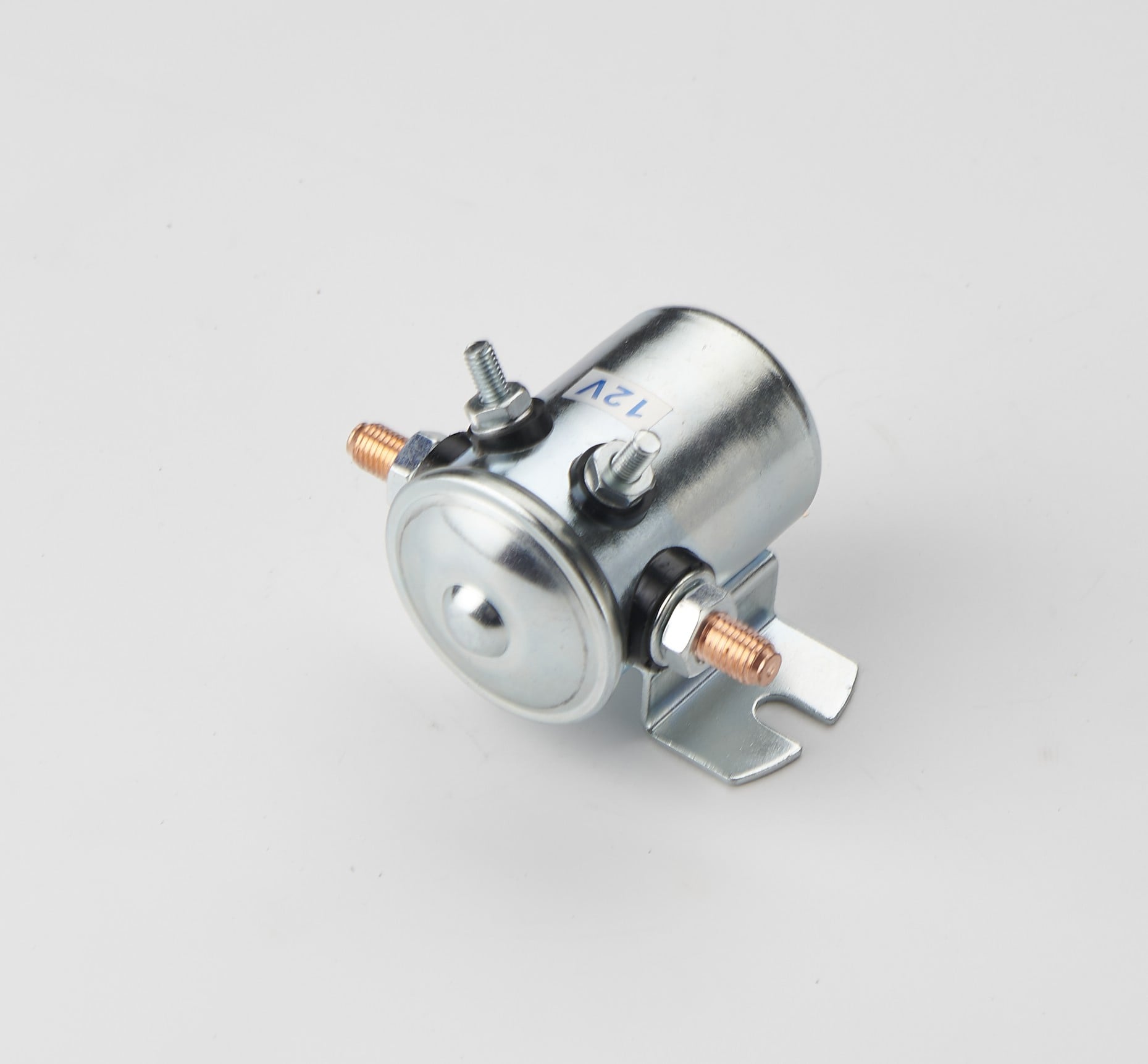
Finding the correct starter relay replacement for industrial equipment can be challenging when you're working with legacy systems or unfamiliar machinery. OEM part numbering systems vary significantly across manufacturers, making it difficult to match your failed component with the right replacement. A comprehensive starter relay OEM part number cross-reference list eliminates guesswork and accelerates your procurement process, ensuring you order compatible parts that meet original specifications and performance requirements.
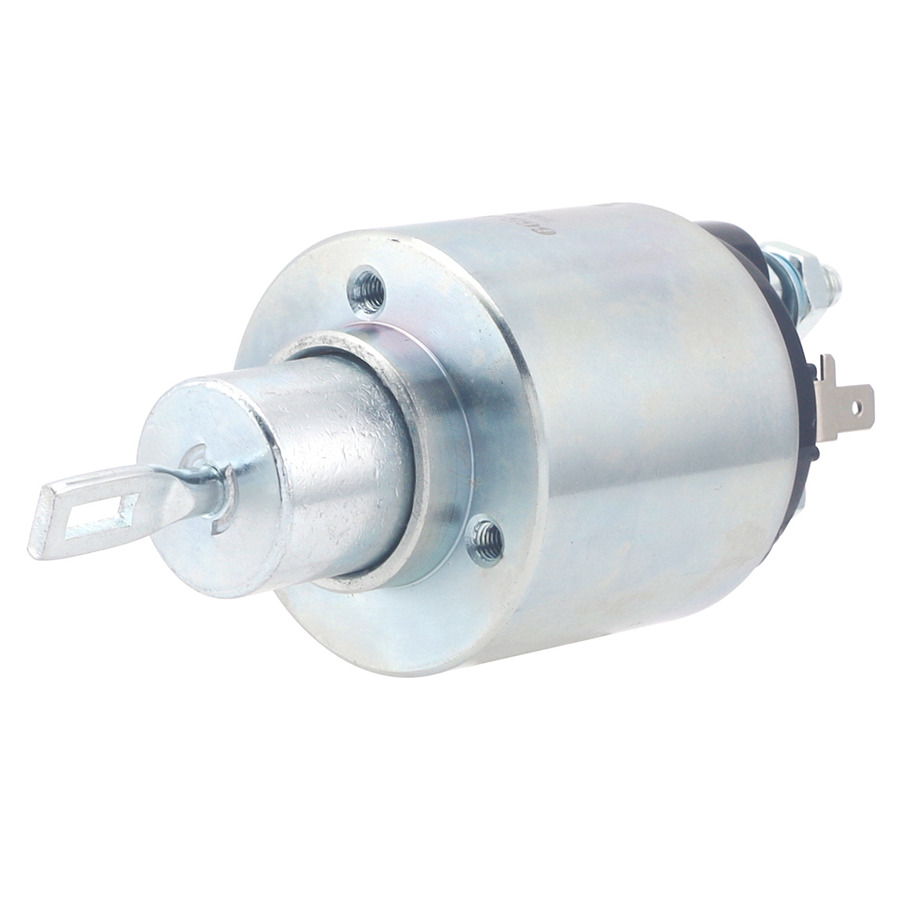
Industrial maintenance teams depend on accurate cross-reference documentation to reduce downtime and avoid costly ordering errors. Whether you manage manufacturing equipment, HVAC systems, or fleet maintenance operations, having access to a structured starter relay cross-reference resource saves time and prevents incompatible purchases. This guide provides practical methodology for navigating part numbers and accessing the free PDF reference materials that streamline your maintenance workflow.
Understanding Starter Relay OEM Part Numbering Systems
How Manufacturers Assign Starter Relay Part Numbers
Each manufacturer uses distinct conventions for coding their starter relay components, reflecting design specifications, voltage ratings, and amperage capacity. OEM part numbers typically encode information about coil voltage, contact configuration, mounting style, and environmental specifications. When you examine a starter relay part number from different manufacturers, the sequence of characters follows their proprietary system, which is why direct cross-referencing becomes essential for maintenance technicians working across multiple equipment brands.
Understanding the logic behind these numbering systems helps you decode what information is embedded in each starter relay designation. A manufacturer might use the first characters to indicate product family, followed by voltage designation, then contact amperage rating, and finally variant codes for special features. This layered approach means that a single starter relay might have multiple related part numbers depending on slight variations in specifications or manufacturing revisions.
Why Cross-Reference Lists Matter for Maintenance
When original equipment fails and you need a replacement starter relay, you may face pressure to find a compatible part quickly without access to the original documentation. Cross-reference lists provide the bridge between what you have and what you need to order, showing which starter relay models are electrically and mechanically equivalent across different OEM catalogs. This capability becomes especially valuable in emergency situations where equipment downtime directly impacts production schedules or service availability.
Having a downloadable PDF starter relay cross-reference removes dependency on vendor availability during off-hours or in regions with limited supply chain access. You can quickly verify that the alternative part number your supplier suggests is actually compatible with your equipment by checking it against the established cross-reference database.
Key Elements in a Starter Relay Cross-Reference List
Electrical Specifications That Define Compatibility
Every starter relay cross-reference list must clearly document the coil voltage, which is fundamental to whether a replacement will function in your application. A 12-volt starter relay cannot be substituted with a 24-volt model regardless of mechanical similarity, as the solenoid coil is engineered for specific voltage ranges. The contact rating, measured in continuous amperage capacity, is equally critical because undersized contacts will overheat and fail prematurely when carrying full motor startup currents.
Contact configuration represents another essential parameter in any starter relay cross-reference resource, specifying whether the unit has normally open, normally closed, or latching contacts. Timing specifications for relay operation, including pickup voltage and dropout voltage thresholds, must align with your equipment's control circuit expectations. A comprehensive starter relay cross-reference list captures all these parameters in searchable format, allowing you to verify that candidate replacement parts truly match your operational needs.
Mechanical and Environmental Considerations
Physical dimensions and mounting configuration become critical when retrofitting a starter relay into existing equipment layouts where space constraints are fixed. Terminal types, whether threaded studs, solder lugs, or plug connectors, must match your wiring system to avoid expensive re-termination work. A quality starter relay cross-reference list includes dimensional drawings and terminal configuration diagrams that let you verify physical compatibility before ordering.
Environmental ratings in the starter relay documentation indicate operating temperature ranges, vibration tolerance, and protection against dust or moisture exposure. Equipment used in outdoor industrial settings, food processing facilities, or harsh manufacturing environments requires components rated for those specific conditions. Your cross-reference guide should highlight these environmental specifications so you select a starter relay replacement rated for the actual deployment environment rather than just electrical compatibility.
Accessing and Using Your Starter Relay Cross-Reference PDF
Organizing Your Search Within the Cross-Reference Document
A well-designed starter relay cross-reference PDF typically begins with a master index sorted by OEM manufacturer and original part number for rapid lookup. The document structure allows you to start from your known part number and immediately locate all equivalent starter relay options across different manufacturers in a single reference table. This primary access method works best when you have the original failed component's part number readily available.
Alternative search pathways within the starter relay cross-reference list organize data by electrical specifications, such as tables grouped by voltage and amperage combinations. This second access method becomes invaluable when you know the electrical requirements but lack the original part number, perhaps because the component failed catastrophically or original documentation was lost. The PDF format allows you to search by specification keyword to find all starter relay models meeting your operational parameters.
Verifying Compatibility Before You Order
When you've identified a potential starter relay replacement using your cross-reference list, the verification process should involve checking at least three compatibility dimensions. First, confirm that electrical specifications including coil voltage, contact amperage rating, and contact configuration exactly match what your equipment requires. Second, verify that physical dimensions and mounting configuration will fit within your equipment's installation space without requiring bracket modifications.
Third, examine any environmental or operational notes in the starter relay reference documentation that might indicate special considerations for your application. Some cross-reference lists include application notes explaining whether substitutions are fully backward compatible or require minor circuit adjustments. Always contact your supplier with the specific starter relay part number from the reference list rather than describing it verbally, ensuring that the exact component reaches you as intended.
FAQ
Where can I find a free starter relay OEM cross-reference PDF?
Many component distributors and solenoid manufacturers provide free downloadable starter relay cross-reference PDFs as a service to maintenance professionals and equipment operators. Technical resources sections of industrial supplier websites typically host these documents for public access, with no registration requirement. You can locate starter relay cross-reference materials by searching your equipment manufacturer's technical documentation library or contacting authorized parts distributors who maintain comprehensive reference databases for their product lines.
Can I use a starter relay from a different manufacturer if the electrical specs match?
Yes, a starter relay from an alternative manufacturer is compatible if electrical specifications, contact configuration, and mounting dimensions all align with your original component. The OEM cross-reference list confirms which alternative starter relay models have been tested and verified for interchangeability. However, always verify physical clearances and terminal types to ensure the replacement starter relay integrates seamlessly into your existing installation without rewiring or bracket modification.
What should I do if my starter relay part number doesn't appear in the cross-reference list?
Contact the manufacturer of your equipment or an authorized parts distributor who can research the starter relay part number and identify current equivalent components. Many reference lists focus on commonly used models, so older or specialized starter relay variants might not be included. The distributor can confirm whether your part has been discontinued and recommend the most current replacement starter relay that meets your electrical and mechanical requirements, potentially with additional notes about any installation considerations.
