EN
EN



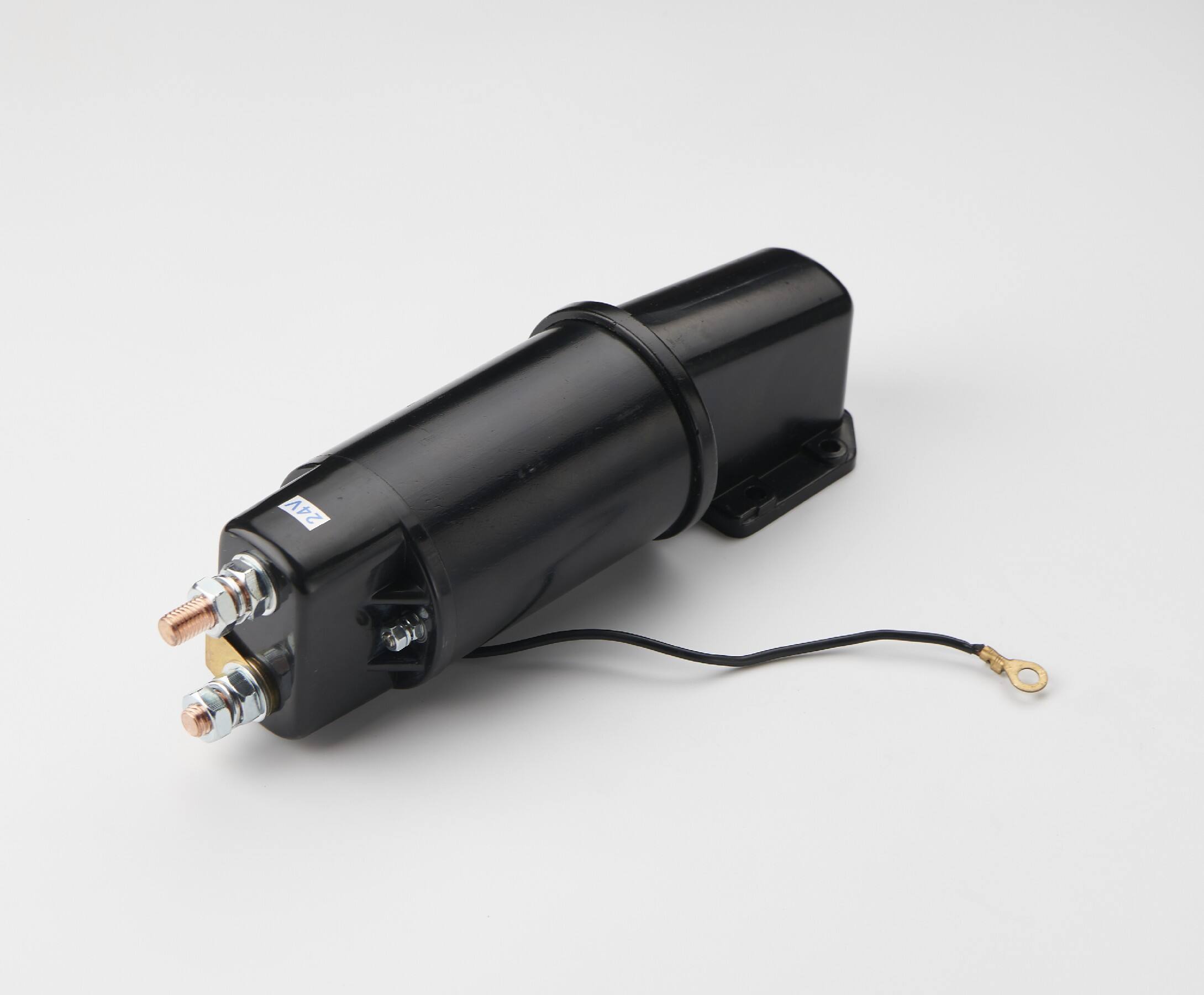
The starter motor solenoid serves as a critical component in your vehicle's starting system, acting as an electromagnetic switch that engages the starter motor with the engine's flywheel. When this essential part malfunctions, your engine may fail to start, leaving you stranded and frustrated. Understanding how to diagnose and address starter motor solenoid issues can save you time, money, and the inconvenience of unexpected breakdowns. This comprehensive guide explores the most common problems associated with starter motor solenoids and provides practical solutions to get your vehicle running smoothly again.
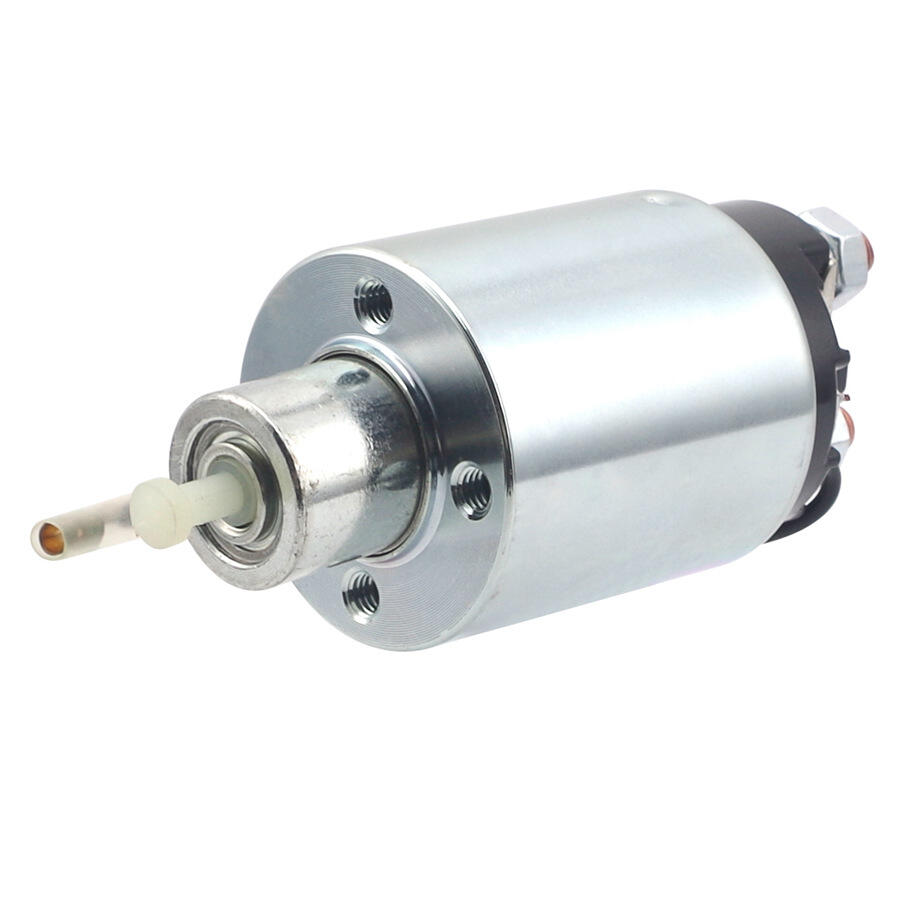
Understanding Starter Motor Solenoid Function
Basic Operating Principles
The starter motor solenoid operates on electromagnetic principles, using a coil of wire wrapped around an iron core to create a magnetic field when electrical current flows through it. This magnetic field pulls a movable iron plunger, which mechanically engages the starter motor drive gear with the engine's ring gear. Simultaneously, the solenoid completes a high-current circuit that powers the starter motor itself. The entire process happens within milliseconds when you turn the ignition key, making it essential for smooth engine startup.
Modern starter motor solenoids typically feature two separate windings: a pull-in winding and a hold-in winding. The pull-in winding draws higher current initially to overcome the spring tension and engage the drive mechanism, while the hold-in winding maintains the engagement with lower current consumption. This dual-winding design ensures reliable operation while minimizing power drain on the battery during the starting process.
Integration with Starting System Components
The starter motor solenoid works in conjunction with several other components to ensure proper engine starting. The ignition switch sends a low-current signal to activate the solenoid, while the battery provides the high-current power needed for both solenoid operation and starter motor function. The neutral safety switch or clutch interlock switch prevents starter engagement when the transmission is in gear, protecting both the starter system and the vehicle's drivetrain from potential damage.
Proper grounding connections are crucial for starter motor solenoid operation, as poor ground paths can cause voltage drops that prevent reliable engagement. The solenoid housing typically mounts directly to the starter motor body, creating both mechanical and electrical connections that must remain clean and secure for optimal performance. Understanding these relationships helps in diagnosing problems and implementing effective repairs.
Problem One - Clicking Sounds Without Engine Cranking
Identifying the Clicking Symptom
One of the most common starter motor solenoid problems manifests as a rapid clicking sound when attempting to start the engine, without any actual cranking motion. This distinctive noise indicates that the solenoid is receiving the activation signal and attempting to engage, but lacks sufficient power to complete the engagement process or maintain it long enough for the starter motor to operate effectively. The clicking occurs as the solenoid plunger repeatedly attempts to engage and then falls back due to inadequate current flow.
This symptom often worsens in cold weather conditions, as lower temperatures increase battery internal resistance and reduce available cranking power. The clicking may start as occasional single clicks but can rapidly progress to continuous rapid clicking as the battery voltage drops further with each unsuccessful engagement attempt. Vehicle owners should recognize this as an early warning sign that requires immediate attention to prevent complete starting system failure.
Root Causes and Solutions
The primary cause of clicking without cranking typically involves insufficient battery voltage or poor electrical connections within the starting circuit. A weak or discharged battery cannot provide the high current required for both solenoid engagement and starter motor operation. Even if the battery has enough voltage for lights and accessories, it may lack the cranking capacity needed for engine starting. Testing battery voltage under load reveals the true condition and helps determine whether replacement or recharging is necessary.
Corroded or loose battery terminals create high resistance connections that limit current flow to the starter motor solenoid. Cleaning terminals with a wire brush and applying protective coating prevents future corrosion buildup. Tightening connections to manufacturer specifications ensures proper electrical contact. Additionally, checking the main power cable from battery to solenoid and the smaller trigger wire from ignition switch helps identify connection problems that contribute to clicking symptoms.
Problem Two - Complete Starter System Silence
Diagnosing Silent Failure Modes
When turning the ignition key produces no sound whatsoever from the starting system, the starter motor solenoid may have completely failed or lost its electrical supply. This silent condition often indicates more serious problems than clicking symptoms, as it suggests either complete electrical isolation or internal solenoid failure. Unlike clicking problems that show partial function, silent failures require systematic electrical testing to locate the specific failure point within the starting circuit.
Silent failures can result from blown fuses, failed ignition switches, or broken wiring connections that prevent the activation signal from reaching the starter motor solenoid. In some cases, the solenoid coil itself may have developed an open circuit, preventing electromagnetic field generation even when proper voltage is applied. Security systems or anti-theft devices can also cause silent failures by interrupting the starting circuit as a protective measure.
Systematic Troubleshooting Approach
Begin troubleshooting silent starter motor solenoid failures by verifying battery condition and connection integrity, as these basic elements must function properly before testing other components. Use a digital multimeter to measure voltage at the solenoid trigger terminal while an assistant turns the ignition key. The presence of battery voltage at this point indicates proper signal transmission, while absence suggests problems in the ignition switch, neutral safety switch, or connecting wiring.
Testing solenoid continuity requires disconnecting the battery and removing the solenoid from the starter motor assembly. Apply multimeter probes to the coil terminals and check for proper resistance values according to manufacturer specifications. An open circuit reading indicates coil failure requiring solenoid replacement. Additionally, inspect the solenoid housing for physical damage, corrosion, or signs of overheating that may indicate internal problems not revealed by electrical testing alone.
Problem Three - Intermittent Starting Difficulties
Recognizing Intermittent Failure Patterns
Intermittent starter motor solenoid problems create frustrating situations where the engine starts normally sometimes but fails at other times without apparent reason. These intermittent failures often follow patterns related to temperature, vibration, or electrical load conditions that affect solenoid operation. Vehicle owners may notice that starting problems occur more frequently after the engine has been running or during specific weather conditions, providing clues about the underlying cause.
Heat-related intermittent failures typically result from thermal expansion of internal components or degraded electrical connections that lose contact when heated. Cold-related problems often stem from increased electrical resistance or mechanical binding of moving parts due to temperature effects. Documenting when failures occur helps identify patterns that guide troubleshooting efforts toward the most likely causes.
Addressing Intermittent Issues
Solving intermittent starter motor solenoid problems requires patience and systematic observation to identify contributing factors. Temperature cycling tests can reveal heat-sensitive connections or components by applying controlled heating and cooling while monitoring electrical continuity. Vibration testing using gentle tapping on suspected components may reproduce intermittent failures caused by loose internal connections or worn contact surfaces.
Preventive measures for intermittent problems include applying dielectric grease to electrical connections to prevent moisture intrusion and corrosion. Securing wiring harnesses and solenoid mounting hardware eliminates vibration-related connection problems. Installing a starter motor solenoid with improved design specifications may provide more reliable long-term operation than repeatedly repairing marginal components.
Problem Four - Starter Motor Continuous Running
Understanding Continuous Operation Problems
A starter motor solenoid that fails to disengage after engine startup creates a dangerous condition where the starter motor continues running even after releasing the ignition key. This problem typically results from stuck solenoid contacts that remain closed due to welding, corrosion, or mechanical binding of the plunger mechanism. Continuous starter motor operation can cause severe damage to both the starter motor and engine ring gear if not addressed immediately.
The high-speed operation of starter motors makes them unsuitable for continuous running, as they lack the cooling and lubrication systems needed for extended operation. Continued engagement with the engine's ring gear at operating RPM creates excessive wear and potential catastrophic failure. Vehicle owners experiencing this problem should immediately turn off the engine and disconnect the battery to prevent further damage while arranging for professional repair services.
Emergency Response and Repair
When a starter motor solenoid fails to disengage, immediate action involves shutting off the engine and disconnecting the battery positive terminal to stop current flow to the starter system. This emergency procedure prevents damage while allowing safe access to the starter motor solenoid for inspection and repair. Never attempt to drive a vehicle with a continuously running starter motor, as this can cause expensive engine damage.
Repairing continuous running problems typically requires complete starter motor solenoid replacement, as the internal contacts have likely suffered damage from electrical arcing or mechanical wear. Inspect the ring gear teeth for damage caused by continuous engagement, as damaged teeth may require flywheel repair or replacement. Professional diagnosis ensures that all affected components receive proper attention and prevents recurring problems.
Problem Five - Slow or Weak Engine Cranking
Identifying Weak Cranking Symptoms
Slow or weak engine cranking indicates that the starter motor solenoid is functioning but not providing optimal performance for reliable starting. This condition manifests as sluggish engine rotation that may eventually start the engine but lacks the vigorous cranking speed necessary for consistent operation. Weak cranking becomes more pronounced in cold weather or with high-viscosity engine oil that increases rotational resistance.
Progressive deterioration of cranking performance often precedes complete starter motor solenoid failure, making early recognition important for preventing unexpected breakdowns. Vehicle owners may notice gradually increasing cranking time required for engine startup or occasional failures that resolve after multiple attempts. These symptoms indicate developing problems within the starting system that require attention before complete failure occurs.
Performance Restoration Techniques
Restoring proper starter motor solenoid performance begins with comprehensive electrical system evaluation, including battery load testing and charging system verification. A battery that tests acceptable under light loads may fail under the heavy current demands of engine starting. Professional load testing reveals true battery capacity and determines whether replacement is necessary for reliable starting performance.
Cleaning and tightening all electrical connections throughout the starting circuit eliminates voltage drops that reduce available power to the starter motor solenoid. Pay particular attention to ground connections, as poor grounding creates resistance that limits current flow. Measuring voltage drop across connections while cranking identifies problem areas that require attention. Additionally, inspecting starter motor brushes and commutator condition helps determine whether starter motor service is needed alongside solenoid maintenance.
Prevention and Maintenance Strategies
Routine Inspection Procedures
Regular inspection of starter motor solenoid components prevents many common problems through early detection of developing issues. Monthly visual inspection of battery terminals, cable connections, and solenoid mounting hardware identifies corrosion, looseness, or physical damage before they cause starting failures. Cleaning terminals and applying protective coating during routine maintenance extends component life and maintains reliable electrical connections.
Battery maintenance plays a crucial role in starter motor solenoid longevity, as proper voltage and capacity reduce stress on solenoid components. Regular battery testing and maintenance charging prevent deep discharge conditions that can damage both battery and starting system components. Maintaining proper electrolyte levels in serviceable batteries and keeping terminals clean ensures optimal electrical performance throughout the starting system.
Environmental Protection Measures
Protecting starter motor solenoid components from environmental factors extends service life and reduces failure frequency. Moisture intrusion causes corrosion of internal contacts and connections, while extreme temperatures affect electrical resistance and mechanical clearances. Applying appropriate protective coatings and ensuring proper drainage around starter motor assemblies prevents moisture accumulation.
Road salt and chemical exposure in harsh environments accelerate corrosion of starter motor solenoid components and connecting hardware. Regular washing of undercarriage areas removes corrosive substances before they cause permanent damage. Installing protective covers or shields in extreme environments provides additional protection against moisture, debris, and chemical exposure that can compromise solenoid reliability.
Professional Diagnosis and Repair
When to Seek Professional Help
Complex starter motor solenoid problems may require professional diagnostic equipment and expertise to identify root causes and implement effective repairs. Intermittent failures, multiple component involvement, or safety-related concerns warrant professional evaluation to ensure proper diagnosis and safe repair procedures. Professional technicians have access to specialized testing equipment and technical information that may not be available to vehicle owners.
Warranty considerations also influence the decision to seek professional repair services, as improper diagnosis or repair attempts may void coverage on new or recently serviced components. Professional shops typically provide warranties on their work and have access to quality replacement parts that ensure reliable long-term operation. Additionally, professional diagnosis can identify related problems that might not be apparent during basic troubleshooting.
Cost Considerations and Value
Professional starter motor solenoid diagnosis and repair costs must be weighed against the potential expenses of incorrect diagnosis or repeated failures. While professional services involve higher initial costs, proper diagnosis and quality repairs often prove more economical than multiple attempts at self-repair. Professional technicians can also identify related issues that could cause future problems, preventing costly roadside failures.
Quality replacement parts and proper installation procedures used by professional shops typically provide longer service life than budget alternatives installed without proper procedures. The convenience of professional service also has value for vehicle owners who lack time, tools, or expertise for starter system repair. Many shops offer payment plans or financing options that make professional repair more accessible when budgets are constrained.
FAQ
How long should a starter motor solenoid typically last?
A properly maintained starter motor solenoid typically lasts between 100,000 to 150,000 miles under normal driving conditions. However, actual service life depends on various factors including climate, maintenance practices, and driving habits. Vehicles operated in extreme temperatures or corrosive environments may experience shorter solenoid life, while those receiving regular maintenance and operating in moderate conditions often exceed expected service intervals. Signs of impending failure usually develop gradually, allowing time for planned replacement before complete failure occurs.
Can I temporarily bypass a failed starter motor solenoid?
While temporary bypass of a failed starter motor solenoid is technically possible using jumper cables or screwdrivers to bridge the contacts, this practice is dangerous and not recommended. Bypassing safety interlocks can cause starter engagement while the transmission is in gear, potentially causing vehicle movement or damage. Additionally, the high current involved in starter operation can cause severe burns or electrical shock. Emergency situations may warrant professional assistance rather than attempting dangerous bypass procedures that risk personal injury or vehicle damage.
What causes premature starter motor solenoid failure?
Premature starter motor solenoid failure often results from electrical system problems such as low battery voltage, poor connections, or charging system malfunctions that force the solenoid to work harder than designed. Excessive cranking attempts during difficult starting conditions can overheat solenoid components and cause premature wear. Environmental factors like moisture intrusion, corrosion, or extreme temperatures also contribute to early failure. Using incorrect replacement parts or improper installation procedures can significantly reduce solenoid service life compared to quality components installed according to manufacturer specifications.
How can I tell if the problem is the solenoid or the starter motor itself?
Distinguishing between starter motor solenoid problems and starter motor issues requires systematic testing of each component. A clicking sound typically indicates solenoid operation but starter motor problems, while complete silence often points to solenoid electrical issues. Testing voltage at the starter motor during cranking attempts reveals whether the solenoid is completing the circuit properly. If the solenoid engages mechanically but the starter motor fails to rotate, the problem likely lies within the starter motor itself rather than the solenoid. Professional testing equipment can measure current draw and mechanical operation to definitively identify the failed component.
Table of Contents
- Understanding Starter Motor Solenoid Function
- Problem One - Clicking Sounds Without Engine Cranking
- Problem Two - Complete Starter System Silence
- Problem Three - Intermittent Starting Difficulties
- Problem Four - Starter Motor Continuous Running
- Problem Five - Slow or Weak Engine Cranking
- Prevention and Maintenance Strategies
- Professional Diagnosis and Repair
- FAQ