EN
EN



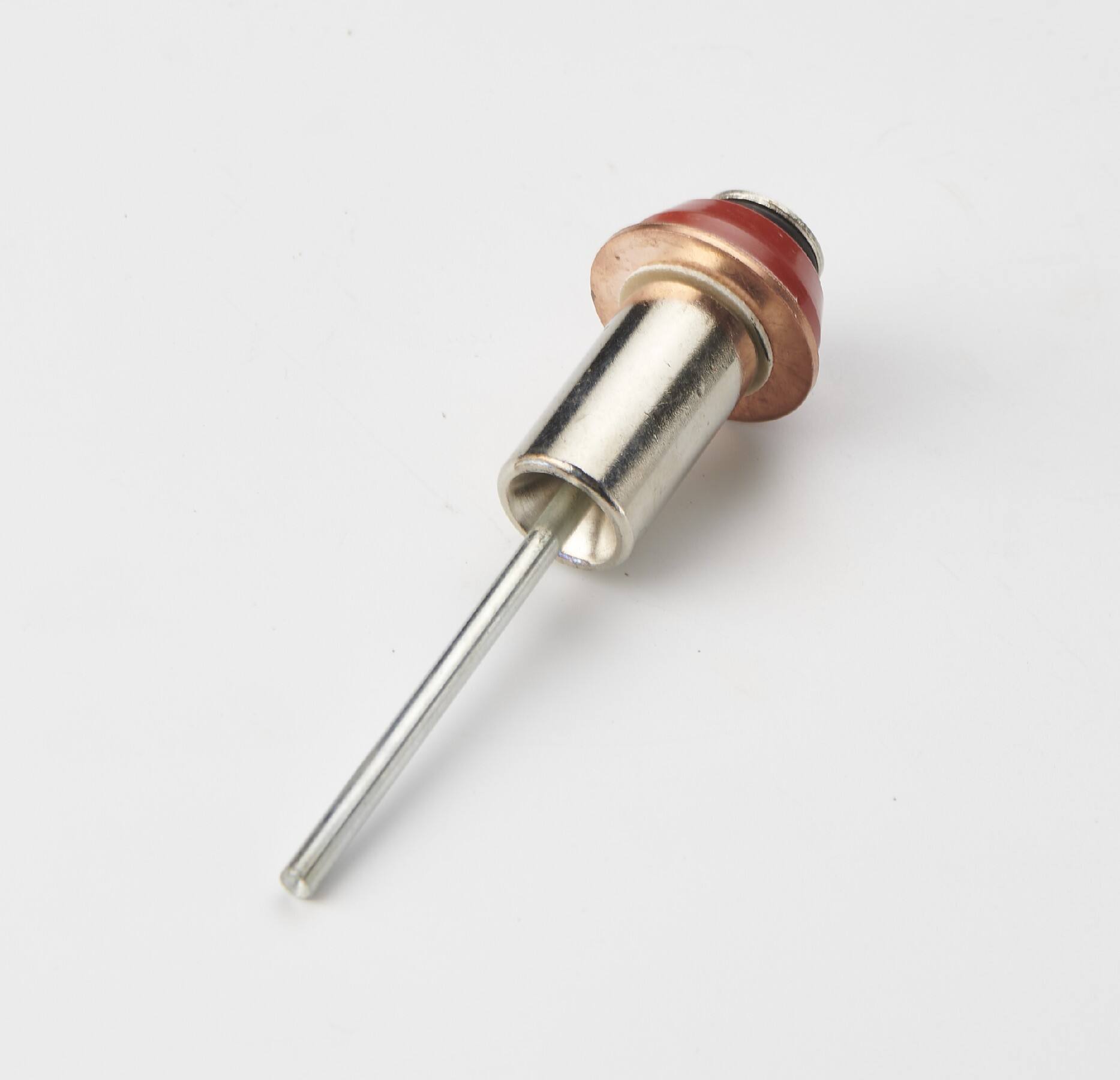
When your vehicle refuses to start, one of the most common culprits is a faulty starter system. Among the various components in this system, the solenoid plays a crucial role in engaging the starter motor with the engine's flywheel. Many vehicle owners face the dilemma of whether to repair solenoid starter motor issues or invest in a completely new unit. Understanding the factors that influence this decision can save both time and money while ensuring reliable vehicle operation. The choice between repairing and replacing depends on several key considerations including cost, availability of parts, severity of damage, and long-term reliability expectations.
Understanding Starter Solenoid Function and Common Failures
How Starter Solenoids Operate in Modern Vehicles
The starter solenoid serves as an electromagnetic switch that controls the flow of electrical current from the battery to the starter motor. When you turn the ignition key, the solenoid receives a low-amperage signal from the ignition switch, which activates its electromagnetic coil. This creates a magnetic field that pulls a plunger mechanism, completing the high-amperage circuit between the battery and starter motor. Simultaneously, the solenoid pushes the starter drive gear into engagement with the engine's flywheel teeth, allowing the motor to crank the engine.
Modern solenoids are designed to handle thousands of start cycles, but they eventually wear out due to electrical arcing, mechanical stress, and environmental factors. The internal contacts become pitted and corroded over time, reducing their ability to conduct electricity efficiently. When attempting to repair solenoid starter motor components, understanding this fundamental operation helps technicians identify specific failure points and determine whether repair is feasible or if replacement is necessary.
Identifying Common Solenoid Failure Symptoms
Several distinct symptoms indicate solenoid problems that may require attention. The most obvious sign is a clicking sound when turning the ignition key, indicating that the solenoid is receiving power but failing to complete the circuit to the starter motor. This typically occurs when internal contacts are worn or corroded beyond their ability to carry the required current load.
Another common symptom is intermittent starting, where the vehicle starts normally sometimes but fails other times. This inconsistency often results from partially damaged contacts that make connection under certain conditions but fail under others. Some vehicles may experience a grinding noise during startup, which can indicate that the solenoid is not properly engaging or disengaging the starter drive gear.
Complete starter failure, where no sound occurs when turning the key, may indicate total solenoid failure or problems elsewhere in the starting system. Professional diagnosis is essential to determine whether the issue lies specifically with the solenoid or involves other components that would affect the decision to repair solenoid starter motor assemblies.
Cost Analysis for Repair Versus Replacement Options
Breaking Down Repair Costs and Labor Requirements
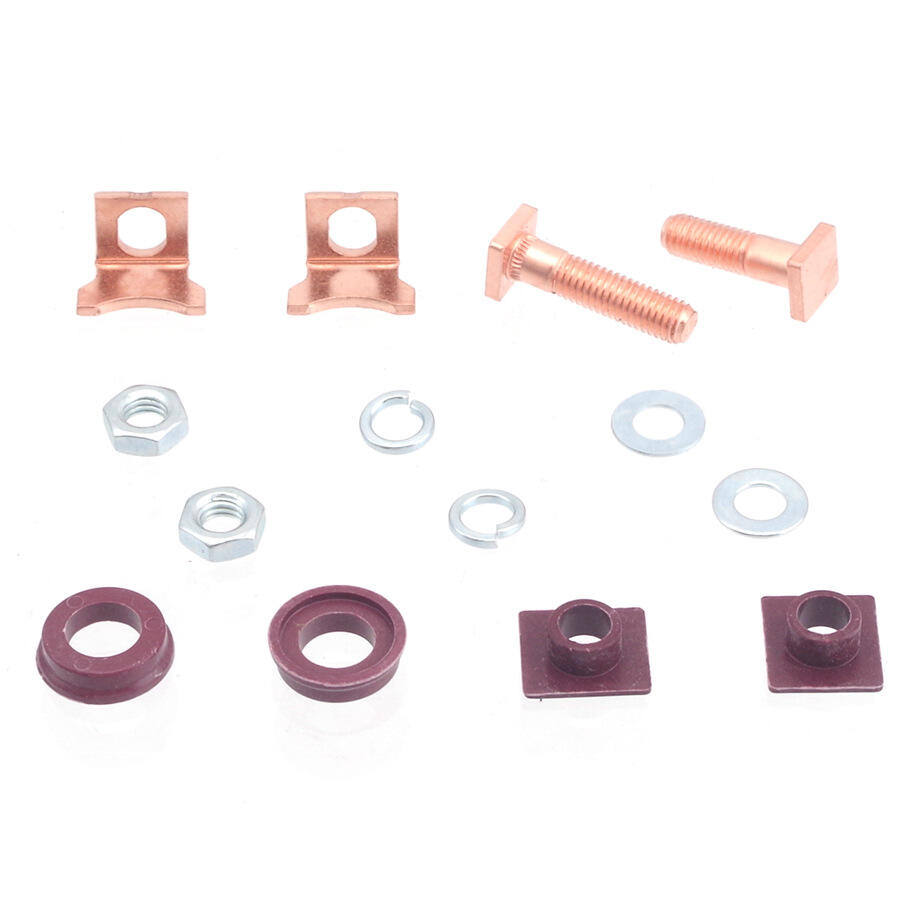
Repairing a starter solenoid typically involves replacing internal contacts, cleaning corrosion, and testing electrical connections. The cost of repair parts is generally modest, with contact sets and basic components ranging from twenty to fifty dollars depending on the vehicle application. However, labor costs can vary significantly based on the complexity of accessing the starter assembly and the time required for proper diagnosis and repair.
Most repair procedures require removing the starter motor from the vehicle, which can take anywhere from one to three hours depending on the engine configuration and accessibility. Some vehicles have starters mounted in easily accessible locations, while others require removing intake manifolds, exhaust components, or other parts to reach the unit. When calculating whether to repair solenoid starter motor components, factor in both parts costs and labor time to get an accurate comparison with replacement options.
Comparing New Unit Costs and Long-term Value
New starter motors with integrated solenoids typically cost between one hundred and three hundred dollars for most passenger vehicles, with heavy-duty or specialty applications potentially costing more. While this represents a higher upfront investment compared to repairs, new units often come with warranties that provide peace of mind and protection against premature failure.
Remanufactured starter motors offer a middle-ground option, providing updated components and professional assembly at costs typically ranging from sixty to one hundred fifty dollars. These units undergo complete disassembly, cleaning, and rebuilding with new wear components, offering reliability approaching that of new units at reduced cost.
The long-term value equation depends heavily on vehicle age, expected service life, and reliability requirements. For newer vehicles or those expected to remain in service for several years, investing in a new or professionally remanufactured unit often provides better value than attempting to repair solenoid starter motor assemblies that may fail again within a relatively short period.
Technical Considerations for Repair Feasibility
Assessing Damage Severity and Repairability
Not all solenoid failures are suitable for repair, making proper assessment crucial before deciding on a course of action. Surface corrosion on contacts can often be cleaned and restored to functional condition, while deep pitting or burning typically requires complete contact replacement. The availability of repair parts varies significantly between manufacturers and models, with some offering comprehensive repair kits while others provide limited or no serviceable components.
Mechanical damage to the solenoid housing, plunger mechanism, or mounting points may make repair impractical or impossible. Cracked housings can allow moisture infiltration that leads to repeated failures, while damaged threads or mounting surfaces can compromise proper installation and operation. When evaluating whether to repair solenoid starter motor assemblies, thorough inspection of all components ensures realistic expectations about repair success and longevity.
Required Tools and Technical Expertise
Successful solenoid repair requires specific tools and knowledge that may not be available to all service providers. Proper disassembly requires understanding of spring-loaded components and electrical connections that can be dangerous if handled incorrectly. Specialized tools for contact removal and installation ensure proper fit and electrical conductivity that affects long-term reliability.
Testing equipment capable of measuring contact resistance, current flow, and electromagnetic field strength helps verify repair quality and predict service life. Many repair attempts fail because inadequate testing fails to identify secondary problems that cause premature failure of repaired components. Professional facilities with appropriate equipment and expertise are more likely to achieve successful repairs that justify the effort and expense involved.
DIY repair attempts, while cost-effective in terms of labor, often result in incomplete repairs or damage to other components due to lack of proper tools or experience. The decision to repair solenoid starter motor components should include honest assessment of available resources and expertise to ensure successful outcomes.
Environmental and Operational Factors Affecting Decision Making
Climate Impact on Starter System Longevity
Environmental conditions significantly influence both the likelihood of solenoid failure and the success rate of repairs. Vehicles operated in harsh climates with extreme temperatures, high humidity, or corrosive conditions experience accelerated wear that may make repairs less cost-effective than replacement with upgraded components.
Cold weather operations place additional stress on starter systems as engines require more cranking power to overcome increased oil viscosity and reduced battery capacity. Repaired solenoids may not provide the reliability margins needed for consistent cold-weather starting, making replacement with new components a more prudent choice for vehicles regularly exposed to freezing conditions.
Marine environments, industrial settings with chemical exposure, or areas with high road salt usage create corrosive conditions that attack electrical connections and metal components. In these environments, the decision to repair solenoid starter motor assemblies should account for accelerated degradation that may limit the effective service life of repaired components.
Vehicle Usage Patterns and Reliability Requirements
High-mileage vehicles or those used for commercial applications may benefit more from replacement than repair due to increased reliability requirements and consequences of failure. Delivery vehicles, emergency services, or transportation equipment cannot afford unexpected breakdowns that might result from marginal repairs.
Conversely, occasional-use vehicles, classic cars, or backup equipment may justify repair efforts even when replacement would be more cost-effective for daily drivers. The reduced duty cycle and lower reliability requirements make successful repair more likely to provide adequate service life to justify the effort and expense involved.
Professional Versus DIY Repair Considerations
Advantages of Professional Service
Professional repair services bring specialized knowledge, proper tools, and warranty support that improve the likelihood of successful outcomes when choosing to repair solenoid starter motor components. Experienced technicians can quickly identify whether repair is feasible and execute the work with minimal risk of component damage or safety issues.
Many professional services offer warranties on repair work that provide protection against premature failure and demonstrate confidence in their workmanship. This warranty coverage can make repair more attractive by reducing the financial risk associated with potential early failure of repaired components.
DIY Repair Challenges and Limitations
Do-it-yourself repairs can significantly reduce costs but require careful consideration of available tools, workspace, and technical knowledge. Starter removal and installation often requires vehicle lifting equipment and may involve working in cramped conditions with limited visibility.
Safety considerations include proper handling of heavy components, electrical safety during testing, and correct torque specifications during installation. Improper installation can result in starter damage, electrical problems, or even engine damage if the starter drive gear fails to disengage properly after starting.
Making the Final Decision
Decision Matrix for Repair Versus Replace
Creating a systematic evaluation helps ensure the best choice between repair and replacement options. Consider factors including total cost including labor, expected service life of repaired components, availability of repair parts, warranty coverage, and consequences of failure for your specific application.
Vehicle age and expected remaining service life strongly influence the cost-benefit analysis. Newer vehicles or those expected to remain in service for several years typically justify replacement investment, while older vehicles with limited remaining life may benefit from cost-effective repairs that provide adequate short-term reliability.
Long-term Reliability and Performance Expectations
Properly executed repairs can provide years of reliable service, but they typically cannot match the longevity and performance consistency of new components. Understanding these limitations helps set appropriate expectations and avoid disappointment if repaired components require attention sooner than anticipated.
The decision to repair solenoid starter motor assemblies should align with overall vehicle maintenance strategies and budget constraints while ensuring adequate reliability for intended use patterns. Regular maintenance and monitoring can help maximize the service life of both repaired and new components regardless of the choice made.
FAQ
How long do repaired starter solenoids typically last
Properly repaired starter solenoids can provide two to five years of reliable service depending on the quality of repair work, operating conditions, and usage patterns. Professional repairs with quality parts and proper testing typically achieve longer service life than DIY attempts. However, repaired units generally do not match the longevity of new components, which often provide seven to ten years of service under normal conditions.
What are the most common signs that indicate solenoid repair is not feasible
Cracked or damaged housing, severely burned or pitted contacts that cannot be replaced, damaged mounting threads, and corroded internal wiring typically indicate that repair is not practical. If the solenoid has failed multiple times previously or shows signs of overheating damage, replacement is usually the better option. Additionally, if repair parts are not available for your specific model, replacement becomes necessary regardless of the damage severity.
Can I temporarily bypass a failed solenoid to get the vehicle started
While it is possible to temporarily bypass a failed solenoid by directly connecting battery power to the starter motor, this should only be done by qualified individuals as an emergency measure. This bypass eliminates the safety features provided by the solenoid and requires extreme caution to prevent electrical injury or component damage. The procedure involves significant safety risks and should never be considered a long-term solution.
Are aftermarket repair kits as reliable as original equipment parts
Quality aftermarket repair kits can provide reliability approaching original equipment specifications, but quality varies significantly between manufacturers. Reputable suppliers often provide components that meet or exceed original specifications, while lower-cost alternatives may use inferior materials that reduce service life. When choosing repair kits, consider supplier reputation, warranty coverage, and compatibility with your specific application to ensure satisfactory results.