EN
EN



When your engine refuses to turn over and you hear only a clicking sound, the culprit often lies within the starter system. A faulty starter solenoid can leave you stranded, transforming what should be a simple ignition process into a frustrating mechanical puzzle. Understanding how to repair solenoid starter motor components effectively requires knowledge of both electrical systems and mechanical troubleshooting techniques. This comprehensive guide explores the root causes of solenoid failures, diagnostic procedures, and proven repair strategies that can restore your vehicle's starting reliability.
Understanding Starter Solenoid Function and Components
Electrical Circuit Operation
The starter solenoid serves as a high-current relay that controls power flow between your battery and starter motor. When you turn the ignition key, a small electrical signal activates the solenoid's electromagnetic coil, creating a magnetic field that pulls the solenoid plunger inward. This action simultaneously engages two critical functions: pushing the starter drive gear into mesh with the flywheel ring gear and closing heavy-duty electrical contacts that deliver full battery power to the starter motor.
Modern automotive electrical systems rely heavily on this solenoid mechanism for reliable engine starting. The component typically operates at 12 volts for passenger vehicles, though commercial and industrial applications may use 24-volt systems. Understanding this basic operation becomes essential when you need to repair solenoid starter motor assemblies, as electrical continuity and mechanical movement must work in perfect synchronization.
Mechanical Components and Assembly
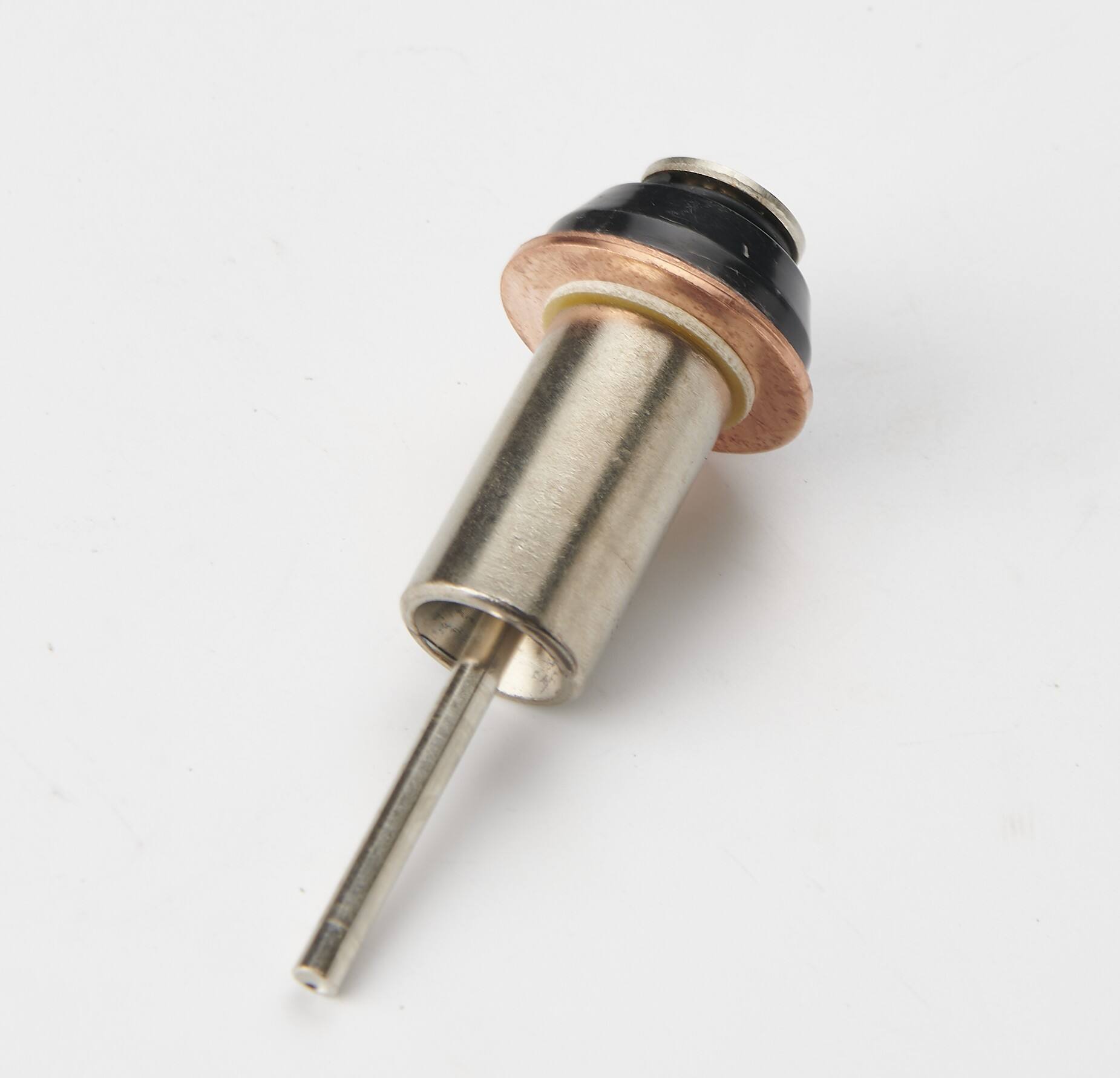
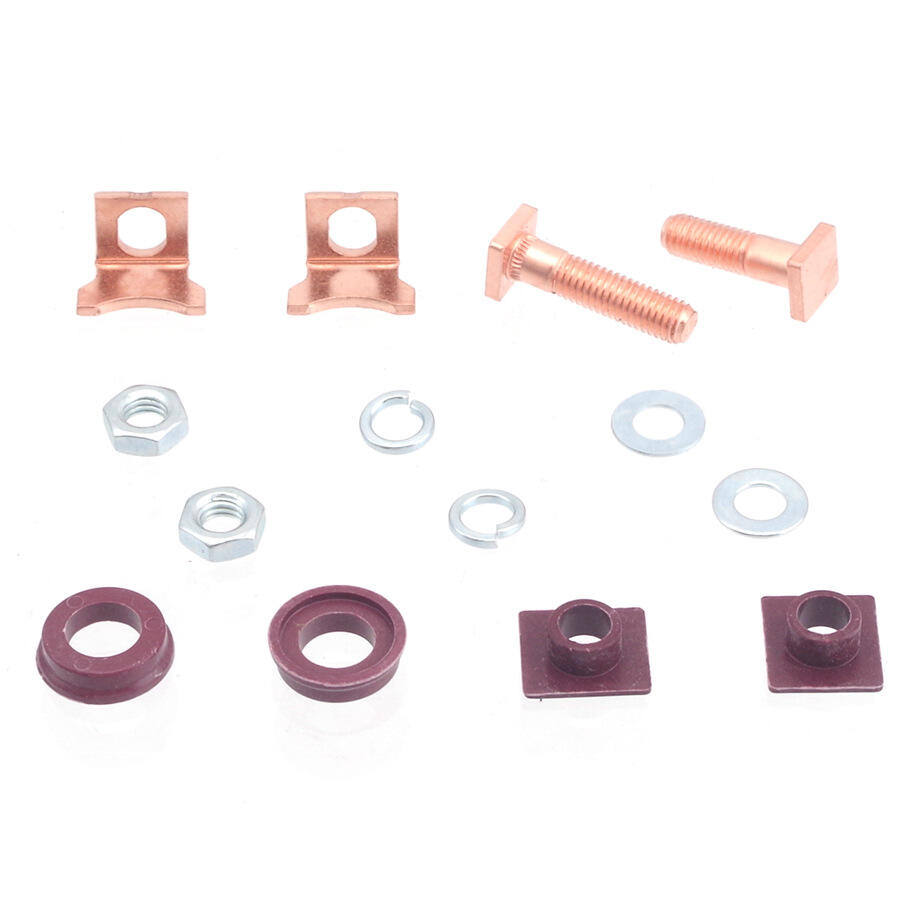
The physical construction of a starter solenoid includes several precision-engineered components that work together seamlessly. The electromagnetic coil surrounds a movable iron plunger that connects to both the starter drive mechanism and the main electrical contacts. Heavy copper contacts handle the high amperage required by starter motors, typically ranging from 150 to 400 amperes depending on engine size and starter specifications.
Spring-loaded return mechanisms ensure proper disengagement when the ignition signal ceases. These springs must maintain adequate tension to retract the drive gear quickly, preventing damage to both starter and flywheel components. Professional technicians recognize that mechanical wear in these spring assemblies often necessitates complete solenoid replacement rather than simple repair procedures.
Common Failure Modes and Diagnostic Symptoms
Electrical Contact Degradation
Electrical contact problems represent the most frequent reason technicians must repair solenoid starter motor systems. Over time, the high-current switching action causes contact surfaces to develop carbon deposits, pitting, and oxidation. These conditions increase electrical resistance, generating excessive heat that accelerates further degradation. Symptoms include intermittent starting, clicking sounds without starter engagement, or complete electrical failure.
Temperature cycling and moisture intrusion compound contact deterioration problems. Marine and agricultural applications face particularly harsh environmental conditions that accelerate corrosion processes. Regular inspection of contact surfaces during maintenance intervals can identify developing problems before complete failure occurs, potentially saving both time and repair costs.
Mechanical Wear and Binding
Mechanical components within starter solenoids experience significant stress during each starting cycle. The plunger assembly must move smoothly through its full range of motion while maintaining proper alignment with both the drive mechanism and electrical contacts. Wear, contamination, or corrosion can cause binding that prevents complete engagement or proper retraction.
Grinding noises during starting attempts often indicate mechanical problems within the solenoid assembly or associated drive components. These symptoms require immediate attention, as continued operation can cause expensive damage to flywheel teeth, starter drive gears, or transmission components. Professional diagnosis becomes crucial when mechanical symptoms appear, as proper repair procedures vary significantly based on the specific failure mode.
Professional Diagnostic Procedures and Testing Methods
Voltage Drop Testing Techniques
Accurate diagnosis forms the foundation of successful starter system repairs. Voltage drop testing provides the most reliable method for identifying electrical problems within solenoid circuits. Using a high-quality digital voltmeter, technicians measure voltage differences across key connection points while the system operates under load conditions. Excessive voltage drops indicate high resistance connections that compromise starting performance.
Professional diagnostic procedures for systems requiring repair solenoid starter motor intervention include systematic testing of all circuit components. Battery terminals, ground connections, ignition switch contacts, and neutral safety switch operation all affect solenoid performance. Thorough testing eliminates unnecessary component replacement while ensuring reliable repair outcomes.
Current Draw Analysis
Starter current analysis reveals valuable information about both solenoid and motor condition. Normal operating current varies by application, but typical passenger vehicle starters draw between 150 and 250 amperes during cranking. Excessive current draw may indicate internal motor problems, while insufficient current often points to solenoid contact issues or circuit resistance problems.
Professional-grade current clamps and oscilloscopes provide detailed analysis capabilities that help technicians identify subtle performance problems. These diagnostic tools enable precise measurement of current patterns throughout the starting cycle, revealing intermittent faults that might not appear during basic electrical testing procedures.
Repair Techniques and Component Replacement
Contact Cleaning and Restoration
When diagnostic testing reveals contact problems, careful cleaning and restoration procedures can often restore solenoid function without complete replacement. Professional repair techniques involve disassembly of the solenoid housing to access internal contact surfaces. Fine abrasives remove oxidation and carbon deposits, while contact burnishing tools restore smooth, conductive surfaces.
However, severely damaged contacts require replacement rather than restoration. Modern repair solenoid starter motor kits include precision-manufactured contact sets that meet or exceed original equipment specifications. Proper installation requires attention to contact alignment, spring tension, and electrical clearances to ensure reliable long-term operation.
Complete Assembly Replacement
Complex mechanical damage or extensive electrical deterioration often necessitates complete solenoid replacement. Modern replacement solenoids incorporate design improvements that address common failure modes found in original equipment. Enhanced contact materials, improved sealing systems, and upgraded spring mechanisms contribute to extended service life and improved reliability.
Installation procedures must account for proper electrical connections, mechanical alignment, and system testing. Professional technicians verify correct operation through comprehensive functional testing before returning vehicles to service. This testing includes verification of proper engagement timing, electrical continuity under load, and mechanical operation throughout the complete duty cycle.
Prevention Strategies and Maintenance Best Practices
Environmental Protection Measures
Proactive maintenance significantly extends solenoid service life and reduces the frequency of repair interventions. Environmental protection represents a critical aspect of preventive care, particularly in harsh operating conditions. Moisture, salt spray, and chemical contaminants accelerate corrosion processes that compromise both electrical and mechanical components.
Regular inspection and cleaning of electrical connections prevents the buildup of corrosive deposits that increase circuit resistance. Dielectric grease application on terminal connections provides moisture protection while maintaining electrical conductivity. These simple maintenance steps can prevent many conditions that would otherwise require extensive repair solenoid starter motor procedures.
Operational Considerations
Proper starting procedures and operational habits significantly impact solenoid longevity. Avoiding extended cranking periods prevents overheating that can damage both solenoid contacts and motor components. Modern engines typically start within seconds under normal conditions, and extended cranking usually indicates underlying problems that require professional diagnosis.
Battery maintenance also plays a crucial role in solenoid preservation. Weak batteries force starter systems to operate at higher current levels for extended periods, accelerating wear processes throughout the electrical system. Regular battery testing and maintenance ensure optimal operating conditions that minimize stress on starter components including the solenoid assembly.
Advanced Troubleshooting and System Integration
Electronic Control Integration
Modern vehicles incorporate sophisticated electronic control systems that interact with traditional starter circuits. Anti-theft systems, remote starting capabilities, and advanced ignition controls all influence starter solenoid operation. Technicians must understand these system interactions when diagnosing problems that require repair solenoid starter motor components in contemporary vehicles.
Diagnostic trouble codes and electronic control module data provide valuable troubleshooting information that complements traditional electrical testing methods. Professional scan tools can reveal intermittent faults and system interactions that might not be apparent through conventional diagnostic approaches. This integration of electronic and mechanical troubleshooting techniques ensures comprehensive problem resolution.
Performance Optimization
Beyond basic repair procedures, optimization techniques can enhance starter system performance and reliability. Proper cable sizing, connection quality, and ground path integrity all contribute to optimal system operation. Upgrading connection hardware and implementing improved routing strategies can significantly enhance starting performance, particularly in high-performance or modified applications.
Professional installation techniques ensure maximum conductivity and mechanical durability of repaired systems. Heat-shrink connections, marine-grade terminals, and proper torque specifications contribute to long-term reliability that minimizes future repair requirements. These attention-to-detail approaches distinguish professional repair work from temporary fixes that may fail prematurely.
Cost Analysis and Economic Considerations
Repair Versus Replacement Economics
Economic analysis plays an important role in determining optimal repair strategies for failing starter solenoids. Simple contact cleaning and minor component replacement often provide cost-effective solutions for early-stage problems. However, extensive damage or repeated failures may indicate underlying system problems that make complete replacement more economical in the long term.
Professional technicians consider factors including labor costs, part availability, warranty coverage, and expected service life when recommending repair strategies. Quality replacement parts and professional installation techniques often provide better long-term value than repeated repairs using inferior components or inadequate procedures.
Total System Cost Considerations
Starter system problems rarely occur in isolation, and comprehensive cost analysis must account for related component condition and replacement requirements. Battery, cables, ignition switches, and neutral safety switches all interact with solenoid operation and may require attention during major repair procedures. Addressing multiple components simultaneously often provides cost savings compared to individual repairs performed over time.
Fleet maintenance operations particularly benefit from systematic approaches that address starter system components comprehensively. Scheduled maintenance programs that include regular inspection and preventive replacement of starter components can significantly reduce unexpected failures and associated downtime costs. These programs require initial investment but typically provide substantial long-term savings through improved reliability and reduced emergency repair costs.
FAQ
What are the most common signs that indicate I need to repair solenoid starter motor components
The most recognizable symptoms include a clicking sound when turning the ignition key without the engine cranking, intermittent starting problems where the starter works sometimes but not others, and complete electrical failure where no sound occurs when attempting to start. Additionally, if you hear grinding noises during starting attempts or notice that the starter engages but doesn't disengage properly after the engine starts, these indicate solenoid mechanical problems requiring immediate attention.
How long does a typical starter solenoid repair take and what should I expect to pay
A standard solenoid replacement typically requires 1-3 hours depending on vehicle accessibility and whether additional components need attention. Costs vary significantly based on location and vehicle type, but generally range from $150-400 including parts and labor. Contact cleaning and minor repairs may cost less, while complete starter system overhauls involving multiple components can exceed $600. Always request detailed estimates that itemize parts and labor costs.
Can I repair solenoid starter motor problems myself or should I seek professional help
While basic electrical testing and simple repairs are possible for experienced DIY mechanics, starter solenoid work requires electrical safety knowledge and proper diagnostic equipment. The high-current electrical systems involved can be dangerous without proper precautions, and incorrect repairs may cause expensive damage to other vehicle systems. Professional diagnosis ensures accurate problem identification and appropriate repair procedures, often saving money compared to trial-and-error replacement approaches.
How can I prevent future starter solenoid problems and extend component life
Regular maintenance includes keeping battery terminals clean and tight, ensuring proper battery condition to reduce starter system stress, and avoiding extended cranking periods that overheat components. Have your charging system tested annually to verify proper voltage regulation, as overcharging accelerates electrical component deterioration. In harsh environments, consider protective coatings for electrical connections and regular professional inspection of starter system components to identify developing problems before complete failure occurs.
Table of Contents
- Understanding Starter Solenoid Function and Components
- Common Failure Modes and Diagnostic Symptoms
- Professional Diagnostic Procedures and Testing Methods
- Repair Techniques and Component Replacement
- Prevention Strategies and Maintenance Best Practices
- Advanced Troubleshooting and System Integration
- Cost Analysis and Economic Considerations
-
FAQ
- What are the most common signs that indicate I need to repair solenoid starter motor components
- How long does a typical starter solenoid repair take and what should I expect to pay
- Can I repair solenoid starter motor problems myself or should I seek professional help
- How can I prevent future starter solenoid problems and extend component life