EN
EN



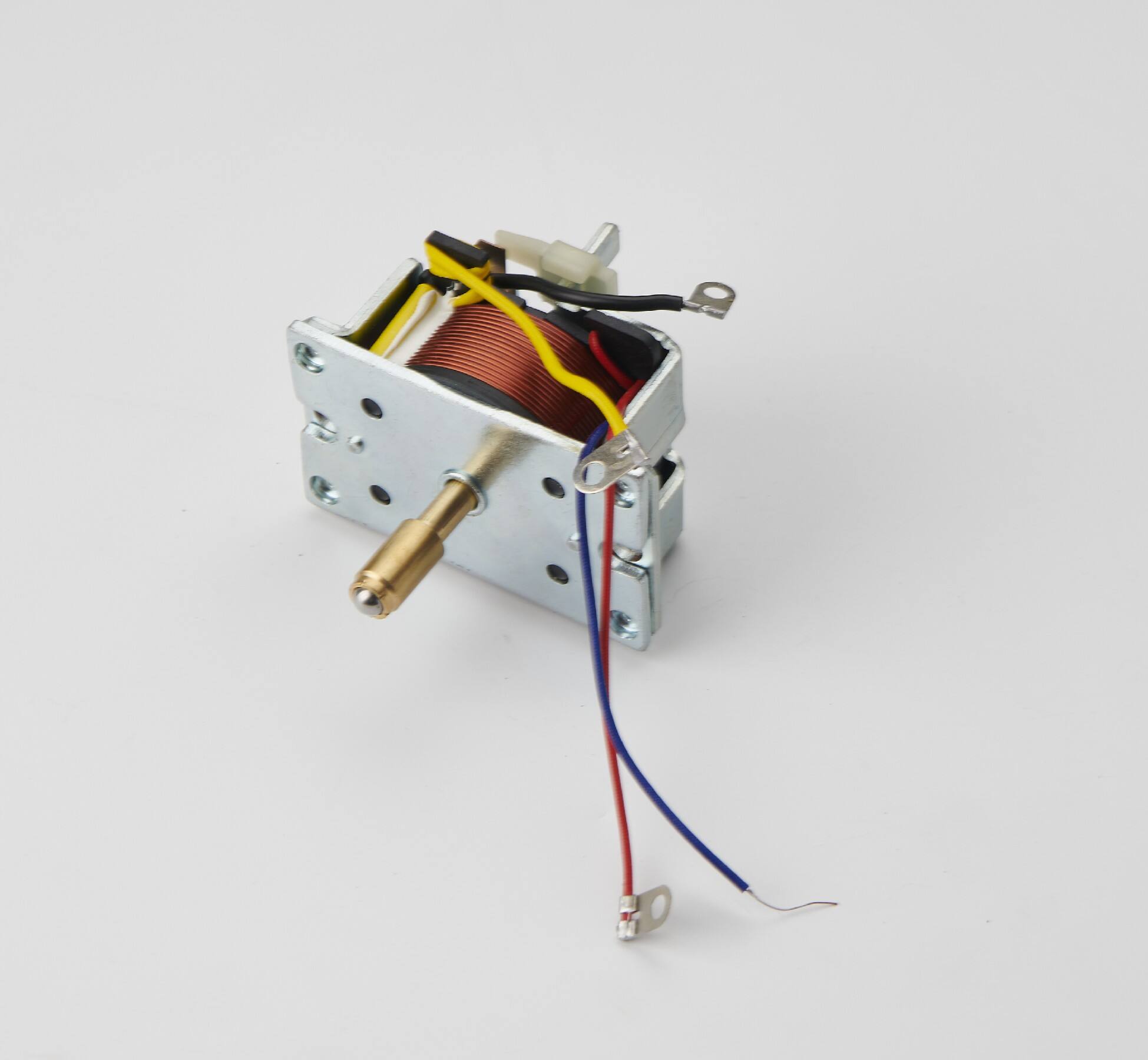
Every vehicle's starting system relies on a critical component that bridges the gap between your ignition key and the engine's cranking mechanism. The starter motor solenoid serves as an electromagnetic switch that controls the flow of electrical current from your battery to the starter motor, making it an essential part of your vehicle's reliable operation. When this component begins to fail, you may experience frustrating starting issues that can leave you stranded at the most inconvenient times. Understanding the signs of a failing starter motor solenoid and knowing when to replace it can save you time, money, and the headache of unexpected breakdowns.
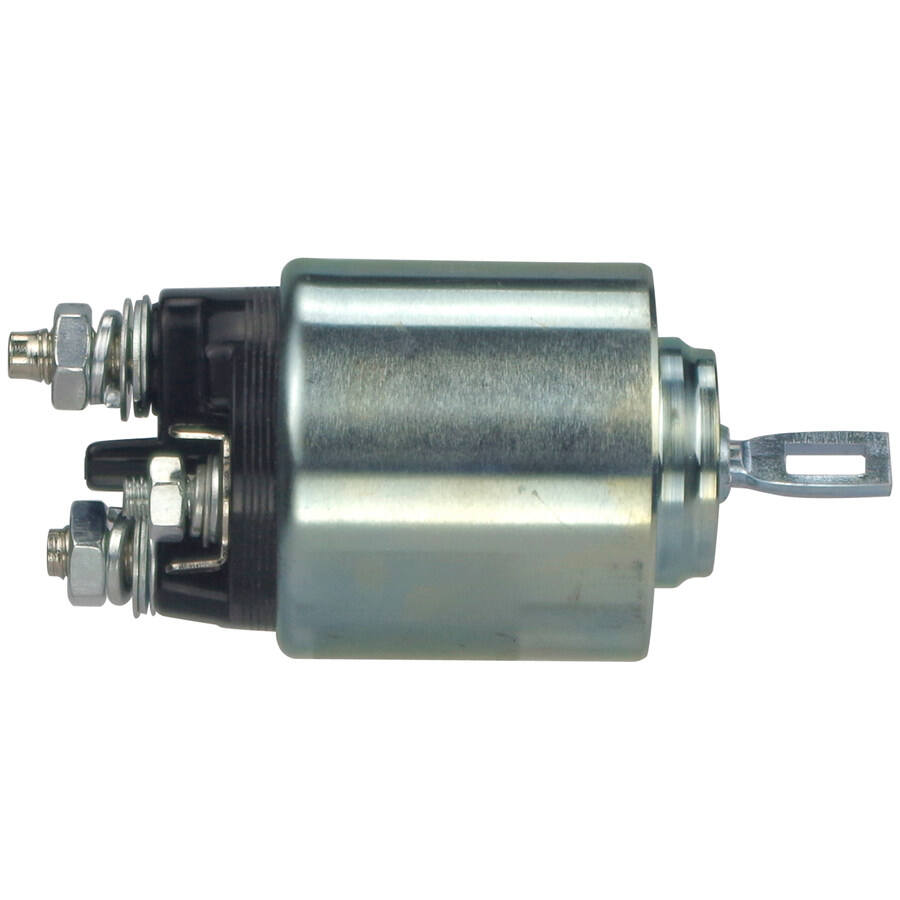
Understanding Starter Motor Solenoid Functionality
Basic Operating Principles
The starter motor solenoid operates on electromagnetic principles, using a coil of wire wrapped around a metal core to create a magnetic field when electrical current flows through it. This magnetic field pulls a metal plunger or armature, which physically connects the battery's high-current circuit to the starter motor. The solenoid essentially acts as a heavy-duty relay, capable of handling the substantial amperage required to turn over your engine. When you turn the ignition key, a small amount of current flows to the starter motor solenoid, which then closes the circuit allowing full battery power to reach the starter motor.
Modern automotive systems have evolved to incorporate more sophisticated starter motor solenoid designs that include built-in overload protection and improved contact materials. These components must withstand repeated high-current switching operations while maintaining reliable electrical connections over thousands of start cycles. The solenoid housing typically contains both the electromagnetic coil and the heavy-duty contacts, all sealed within a protective casing to prevent contamination from moisture, dirt, and automotive fluids.
Integration with Starting System Components
Within the complete starting system, the starter motor solenoid works in coordination with several other components including the ignition switch, starter relay, neutral safety switch, and the starter motor itself. The timing and sequence of these components must be precisely coordinated to ensure smooth engine cranking. When any component in this chain fails, including the starter motor solenoid, the entire starting process can be compromised, leading to various symptoms that vehicle owners should recognize.
The electrical pathway from battery to starter motor involves multiple connection points, and the starter motor solenoid represents one of the most critical junctions in this circuit. High-quality solenoids incorporate features like arc suppression and contact welding prevention to ensure long-term reliability. Understanding how your specific vehicle's starting system is configured can help you better diagnose solenoid-related issues and determine the appropriate replacement timing.
Common Signs of Solenoid Failure
Audible Symptoms and Engine Response
One of the most recognizable signs of a failing starter motor solenoid is a distinct clicking sound when you attempt to start your vehicle. This clicking typically indicates that the solenoid is receiving electrical signal but cannot properly engage the starter motor due to worn contacts or internal mechanical failure. You might hear a single loud click, repeated rapid clicking, or intermittent clicking patterns, each suggesting different types of solenoid problems that require attention.
Another common symptom involves the engine's response to starting attempts. A healthy starter motor solenoid should provide consistent engagement, resulting in immediate starter motor activation and smooth engine cranking. When the solenoid begins to fail, you may experience delayed engagement, where there's a noticeable pause between turning the key and hearing the starter motor activate. In some cases, the starter motor may engage but with insufficient power, causing slow or labored cranking that struggles to turn the engine over completely.
Electrical System Indicators
Electrical symptoms of starter motor solenoid failure can manifest in various ways throughout your vehicle's systems. Dashboard warning lights may flicker or behave erratically during starting attempts, indicating voltage fluctuations caused by poor solenoid contact resistance. You might also notice that interior lights dim significantly when attempting to start the engine, suggesting that the solenoid is creating excessive electrical resistance in the starting circuit.
Intermittent starting problems represent another key electrical indicator of solenoid issues. Your vehicle may start perfectly on some occasions while completely failing to respond on others, often with no apparent pattern or correlation to external factors like temperature or driving conditions. This intermittent behavior typically worsens over time as the starter motor solenoid contacts continue to deteriorate, eventually leading to complete starting system failure.
Diagnostic Procedures and Testing Methods
Visual Inspection Techniques
Begin your diagnostic process with a thorough visual inspection of the starter motor solenoid and its surrounding components. Look for obvious signs of physical damage such as cracked housing, corroded terminals, or loose electrical connections that could affect solenoid performance. Check the mounting hardware to ensure the solenoid is securely attached to the starter motor assembly, as vibration-induced looseness can cause intermittent electrical contact problems.
Examine the electrical connections leading to and from the starter motor solenoid, paying particular attention to corrosion, heat damage, or wire insulation deterioration. Battery acid corrosion can create high-resistance connections that prevent proper solenoid operation, while heat damage might indicate previous electrical problems or overloading conditions. Document any visible issues with photographs for reference during the repair process, as these observations can help guide your replacement component selection.
Electrical Testing Procedures
Proper electrical testing of a starter motor solenoid requires specific equipment and systematic procedures to accurately assess component condition. Using a digital multimeter, measure voltage at the solenoid's control terminal while an assistant operates the ignition switch, ensuring that the solenoid receives the proper signal voltage when starting is attempted. Compare this reading to manufacturer specifications, as insufficient control voltage can prevent reliable solenoid operation.
Conduct continuity testing across the solenoid's main contacts to verify proper internal switching function. With the solenoid de-energized, there should be no continuity between the battery and starter motor terminals. When the solenoid is properly energized, this circuit should show minimal resistance, typically less than one ohm. High resistance readings or complete open circuits indicate internal contact failure requiring starter motor solenoid replacement to restore proper starting system operation.
Replacement Timing and Service Intervals
Preventive Replacement Strategies
Implementing preventive replacement strategies for your starter motor solenoid can help avoid unexpected starting failures and reduce overall vehicle maintenance costs. Most automotive manufacturers recommend starter system inspection during major service intervals, typically every 60,000 to 100,000 miles, depending on vehicle usage patterns and environmental conditions. Commercial vehicles or those operated in harsh conditions may require more frequent starter motor solenoid evaluation due to increased duty cycles and exposure to contaminants.
Consider replacement timing in relation to other starting system components, as coordinated replacement can improve overall system reliability and reduce labor costs. When replacing the starter motor itself, many technicians recommend concurrent starter motor solenoid replacement to ensure optimal compatibility and performance. This approach prevents the frustration of having a new starter motor fail prematurely due to an aging solenoid that cannot provide proper electrical control.
Failure Pattern Recognition
Understanding typical failure patterns helps determine optimal replacement timing for starter motor solenoid components. Most solenoids experience gradual deterioration over time, with contact resistance slowly increasing until starting becomes unreliable. This progressive failure mode allows for planned replacement during convenient service opportunities rather than emergency roadside repairs. However, some solenoids fail suddenly due to electrical overload or mechanical damage, emphasizing the importance of regular inspection and testing.
Environmental factors significantly influence starter motor solenoid lifespan and replacement frequency. Vehicles operated in extreme temperature conditions, high-humidity environments, or areas with significant road salt exposure typically require more frequent solenoid replacement. Marine applications and industrial equipment often subject starter motor solenoid components to particularly harsh conditions that accelerate wear and corrosion processes, necessitating shorter replacement intervals to maintain reliable operation.
Selection Criteria for Replacement Components
Quality and Compatibility Considerations
Selecting the appropriate replacement starter motor solenoid requires careful consideration of quality standards, compatibility requirements, and performance specifications. Original Equipment Manufacturer (OEM) components typically offer the highest compatibility and reliability, as they are designed specifically for your vehicle's electrical system characteristics and mounting requirements. However, high-quality aftermarket alternatives can provide excellent performance at reduced cost, provided they meet or exceed OEM specifications for current handling, contact materials, and environmental protection.
Verify electrical compatibility by confirming that replacement starter motor solenoid components match your vehicle's voltage requirements, control circuit specifications, and current capacity needs. Mismatched electrical characteristics can lead to premature failure, poor starting performance, or damage to other starting system components. Consult vehicle service documentation or contact technical support resources to ensure proper component selection for your specific application and model year.
Installation and Performance Optimization
Professional installation of replacement starter motor solenoid components ensures proper electrical connections, secure mounting, and optimal system performance. Follow manufacturer torque specifications for all electrical connections and mounting hardware, as both under-tightened and over-tightened connections can cause problems. Apply appropriate corrosion protection treatments to electrical terminals and connections to extend component lifespan and maintain reliable electrical contact over time.
Post-installation testing should verify proper starter motor solenoid operation across multiple start cycles and various operating conditions. Monitor starting performance during the first several hundred miles of operation, paying attention to any unusual sounds, delayed engagement, or other symptoms that might indicate installation issues or component defects. Document baseline performance measurements for future diagnostic reference and to track component aging over time.
Maintenance Best Practices
Regular Inspection Protocols
Establishing regular inspection protocols for your starter motor solenoid can significantly extend component lifespan and prevent unexpected failures. Include visual inspection of solenoid mounting, electrical connections, and housing condition as part of routine maintenance procedures. Clean corroded terminals using appropriate electrical contact cleaners and apply protective coatings to prevent future corrosion development. Check mounting hardware tightness and replace any damaged or deteriorated components before they affect solenoid performance.
Document inspection findings and performance observations in maintenance records to track starter motor solenoid condition over time. This documentation helps identify gradual deterioration patterns and optimize replacement timing based on actual component behavior rather than arbitrary mileage intervals. Regular documentation also provides valuable information for warranty claims and helps establish maintenance compliance for commercial vehicle applications.
Environmental Protection Measures
Implement environmental protection measures to shield your starter motor solenoid from harsh operating conditions that can accelerate wear and failure. Install protective covers or shields in applications where the solenoid may be exposed to excessive moisture, road debris, or chemical contamination. Ensure proper drainage around the starter motor assembly to prevent water accumulation that could cause electrical problems or accelerate corrosion processes.
Consider upgrading to enhanced sealing or marine-grade starter motor solenoid components for vehicles regularly exposed to extreme environmental conditions. These specialized components typically feature improved gasket materials, enhanced corrosion resistance, and better protection against moisture intrusion. While initially more expensive, these upgrades can provide significant long-term value through extended component lifespan and reduced maintenance frequency in harsh operating environments.
FAQ
How long does a typical starter motor solenoid last
A typical starter motor solenoid can last anywhere from 100,000 to 150,000 miles under normal operating conditions, though this lifespan varies significantly based on usage patterns, environmental factors, and component quality. Vehicles with frequent start-stop cycles, such as delivery trucks or urban commuter cars, may experience shorter solenoid lifespans due to increased electrical cycling. Conversely, highway-driven vehicles with fewer daily start cycles often achieve longer starter motor solenoid service life. Regular maintenance and proper electrical system care can help maximize component longevity regardless of operating conditions.
Can I replace a starter motor solenoid myself
Replacing a starter motor solenoid is possible for mechanically inclined individuals with proper tools and safety equipment, though the complexity varies by vehicle design and solenoid location. Some vehicles feature easily accessible solenoids that can be replaced with basic hand tools, while others require starter motor removal or significant disassembly to reach the component. Safety considerations include proper battery disconnection, secure vehicle support, and awareness of hot engine components. If you're uncomfortable working with electrical systems or lack proper equipment, professional installation ensures safety and proper starter motor solenoid functionality.
What causes premature starter motor solenoid failure
Premature starter motor solenoid failure typically results from electrical overload, excessive heat exposure, contamination, or poor maintenance practices. Attempting to start an engine with mechanical problems can cause extended starter motor operation, overheating the solenoid contacts and coil windings. Corroded electrical connections create high resistance that generates excessive heat during operation, accelerating component deterioration. Environmental factors such as moisture intrusion, road salt exposure, or chemical contamination can cause internal corrosion and electrical pathway degradation. Poor quality replacement components or incorrect installation procedures also contribute to reduced starter motor solenoid lifespan.
How much does starter motor solenoid replacement typically cost
Starter motor solenoid replacement costs vary widely depending on vehicle type, component accessibility, and whether you choose professional installation or DIY replacement. Parts costs typically range from $20 to $80 for standard passenger vehicles, with luxury or specialty vehicles potentially requiring more expensive components. Professional installation labor charges usually add $100 to $300 to the total cost, depending on complexity and local labor rates. Some vehicles require starter motor removal for solenoid access, significantly increasing labor time and associated costs. Consider obtaining multiple quotes from reputable service providers to ensure fair pricing for your specific starter motor solenoid replacement needs.