EN
EN



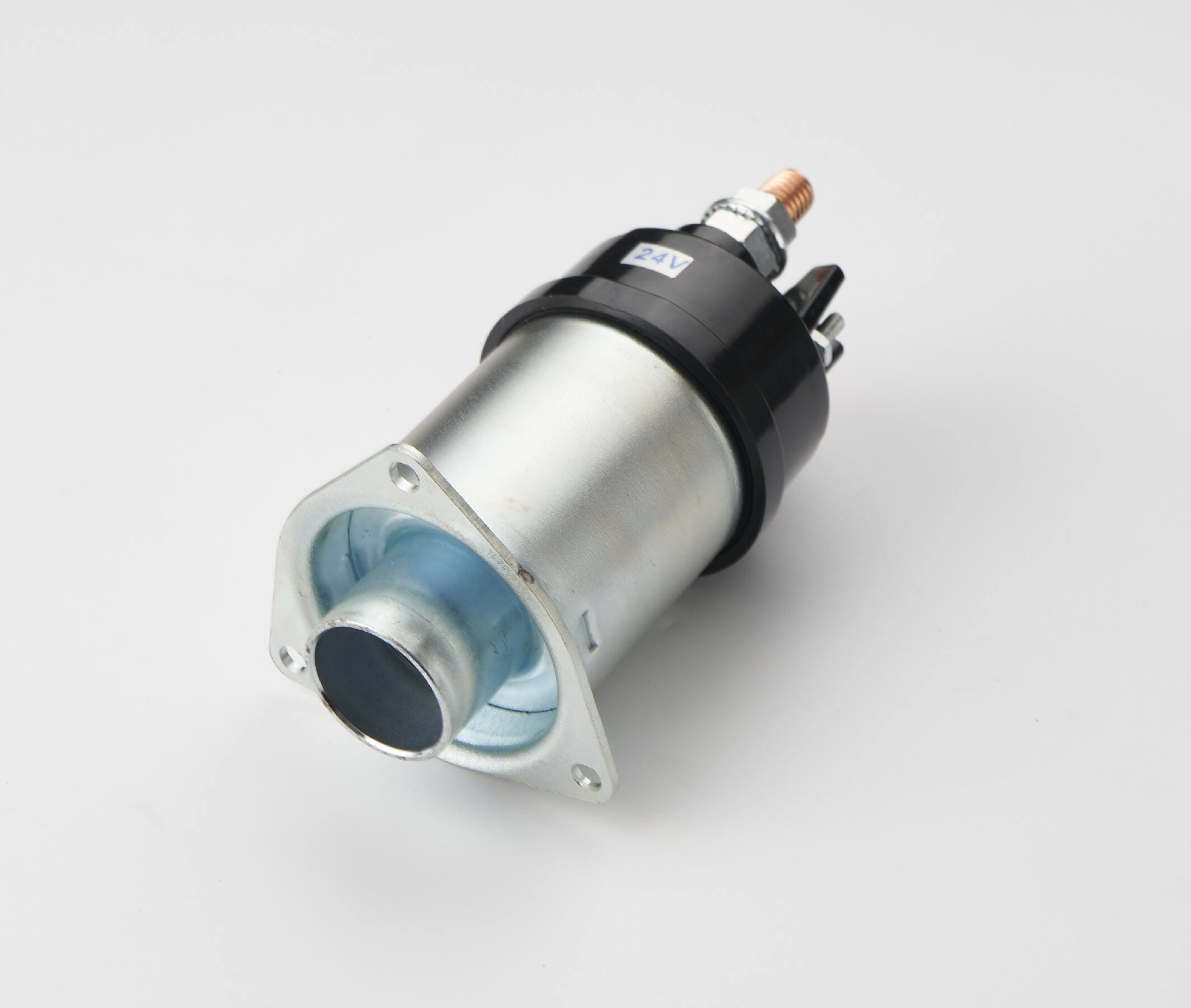
The starter motor solenoid plays a crucial role in your vehicle's ignition system, acting as the electromagnetic switch that connects the battery to the starter motor. This compact yet powerful component ensures your engine starts reliably every time you turn the key or press the start button. Understanding how a starter motor solenoid functions can help vehicle owners diagnose starting problems and maintain their vehicles more effectively. The solenoid's electromagnetic operation creates the necessary connection between high-amperage electrical circuits, making it an indispensable part of modern automotive systems.
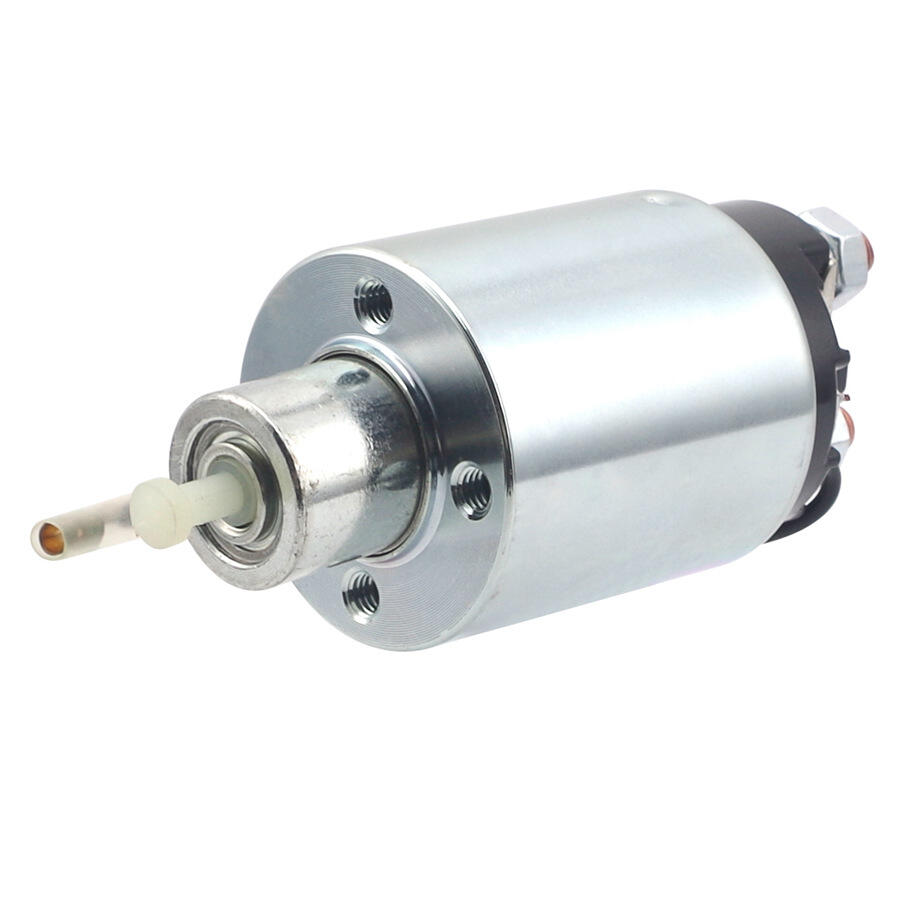
Understanding Starter Motor Solenoid Components
Electromagnetic Coil Structure
The electromagnetic coil forms the heart of every starter motor solenoid, consisting of hundreds of copper wire windings around an iron core. When electrical current flows through these windings, they generate a powerful magnetic field that actuates the solenoid's moving parts. The coil design determines the solenoid's pull-in force and holding capacity, directly affecting its performance and reliability. Modern starter motor solenoid units feature optimized coil configurations that provide consistent electromagnetic force across varying temperature conditions.
The coil assembly includes both pull-in and hold-in windings that work together during the starting sequence. Pull-in windings create the initial strong magnetic force needed to move the plunger, while hold-in windings maintain the connection with lower current consumption. This dual-winding design ensures efficient operation while preventing excessive battery drain during extended cranking periods. Quality starter motor solenoid products incorporate temperature-resistant insulation materials that protect the coil windings from heat damage and electrical breakdown.
Contact Points and Switching Mechanism
Heavy-duty contact points within the starter motor solenoid handle the high-amperage current flow between the battery and starter motor. These contacts must withstand repeated electrical arcing and mechanical wear while maintaining low resistance connections. The switching mechanism operates through precise timing that coordinates with the electromagnetic plunger movement to ensure proper circuit completion. Advanced contact materials resist corrosion and oxidation, extending the operational life of the entire solenoid assembly.
The contact arrangement includes main power contacts that carry the starting current and auxiliary contacts that control the ignition circuit in some applications. Proper contact alignment ensures minimal voltage drop and maximum current transfer efficiency during engine starting. The starter motor solenoid design incorporates spring-loaded mechanisms that provide consistent contact pressure and rapid disconnection when the electromagnetic field collapses. Regular inspection of contact surfaces helps identify wear patterns that could indicate pending solenoid failure.
Starter Motor Solenoid Operating Principles
Electromagnetic Activation Process
The activation sequence begins when the ignition switch sends a low-amperage signal to the starter motor solenoid control circuit. This initial signal energizes the electromagnetic coil, creating a magnetic field that pulls the iron plunger inward against spring tension. The plunger movement simultaneously engages the starter drive gear with the flywheel and closes the main power contacts. This coordinated action ensures proper mechanical engagement before high-amperage current flows to the starter motor, preventing damage to both the starter and flywheel components.
During the pull-in phase, the starter motor solenoid draws maximum current to overcome mechanical resistance and spring tension. Once the plunger reaches its fully engaged position, the hold-in winding maintains the connection while the pull-in winding is de-energized through the closed contacts. This switching reduces the solenoid's current consumption while maintaining secure engagement throughout the starting cycle. The electromagnetic force must be sufficient to hold the plunger position against vibration and the mechanical forces generated by starter motor operation.
Circuit Completion and Power Transfer
When the plunger reaches its fully engaged position, the main contacts close to complete the high-amperage circuit between the battery and starter motor. The starter motor solenoid contacts must handle currents ranging from 100 to 400 amperes depending on engine size and starter motor requirements. Proper contact design ensures minimal voltage drop across the connection, maximizing the power delivered to the starter motor for reliable engine cranking.
The power transfer phase continues until the ignition switch returns to the run position, removing the control signal from the solenoid coil. The electromagnetic field collapses immediately, allowing the return spring to pull the plunger back to its rest position. This action simultaneously disengages the starter drive gear and opens the main power contacts, stopping current flow to the starter motor. The rapid disconnection prevents starter motor damage from continued operation after engine start-up and eliminates potential flywheel gear damage from prolonged engagement.
Common Starter Motor Solenoid Applications
Automotive Engine Systems
Automotive applications represent the most common use of starter motor solenoid technology across passenger vehicles, commercial trucks, and motorcycles. Each vehicle type requires specifically designed solenoids to match the starter motor's power requirements and mounting configuration. Passenger car starter motor solenoid units typically handle 150-200 amperes, while heavy-duty truck applications may require solenoids capable of 300-400 ampere operation. The solenoid mounting location varies between remote mounting on the fender well or direct mounting on the starter motor housing.
Modern automotive starter motor solenoid designs incorporate advanced materials and manufacturing techniques to meet stringent reliability standards. Temperature cycling, vibration resistance, and corrosion protection are critical factors in automotive applications where the solenoid must operate reliably in harsh environmental conditions. Many vehicles use integrated starter motor solenoid assemblies that combine the solenoid with the starter motor in a single unit, reducing installation complexity and improving overall system reliability.
Industrial and Marine Applications
Industrial engines in generators, compressors, and construction equipment rely on heavy-duty starter motor solenoid systems designed for frequent operation and extended service life. These applications often require solenoids with higher amperage ratings and enhanced durability to withstand continuous use in demanding environments. Marine applications present unique challenges including saltwater corrosion resistance and waterproof housing designs to protect the starter motor solenoid from moisture intrusion.
Specialized industrial starter motor solenoid configurations include explosion-proof housings for hazardous environments and high-temperature variants for applications near heat sources. The solenoid selection process considers factors such as duty cycle, ambient temperature range, and maintenance accessibility when choosing appropriate components for specific industrial applications. Remote mounting capabilities allow installation flexibility in space-constrained equipment designs while maintaining easy access for service and inspection procedures.
Troubleshooting Starter Motor Solenoid Issues
Common Failure Symptoms
A failing starter motor solenoid typically exhibits several characteristic symptoms that indicate the need for inspection or replacement. Clicking sounds without starter motor engagement suggest that the solenoid is receiving the control signal but cannot complete the power circuit due to worn contacts or mechanical binding. No response when turning the ignition key may indicate complete solenoid failure, broken control wiring, or loss of power supply to the solenoid circuit.
Intermittent starting problems often point to marginal starter motor solenoid performance where the unit works sometimes but fails under certain conditions. Temperature-related failures occur when heat expansion affects internal clearances or when electrical connections become loose due to thermal cycling. Slow cranking despite a good battery and proper connections may indicate high resistance across the solenoid contacts, reducing the current available to the starter motor.
Diagnostic Testing Procedures
Systematic testing of a starter motor solenoid begins with verification of proper voltage supply at the control terminal and main power terminals. Using a multimeter, technicians can measure the voltage drop across the solenoid during operation to identify high-resistance connections or worn contacts. The control circuit should show battery voltage when the ignition switch is in the start position, while the main terminals should indicate minimal voltage drop during cranking.
Physical inspection of the starter motor solenoid includes checking for corrosion at electrical connections, cracks in the housing, and proper mounting security. Listening for the characteristic click sound during activation helps confirm that the electromagnetic mechanism is functioning, even if the power contacts are not making proper connection. Advanced diagnostic techniques include measuring the solenoid's coil resistance and performing load tests to verify its ability to handle the full starting current without excessive voltage drop.
Maintenance and Service Considerations
Preventive Maintenance Practices
Regular maintenance of the starter motor solenoid system involves cleaning electrical connections to prevent corrosion buildup that can cause voltage drop and poor performance. Battery terminal maintenance directly affects solenoid operation since low voltage conditions can prevent proper electromagnetic engagement or cause erratic operation. Periodic inspection of wiring harnesses identifies potential issues such as frayed insulation or loose connections before they cause starting system failure.
Proper torque specifications for electrical connections ensure reliable current flow while preventing connection loosening due to thermal expansion and vibration. The starter motor solenoid mounting bolts require periodic checking to maintain secure installation and proper electrical grounding. Environmental protection through appropriate sealing and corrosion prevention measures extends the service life of solenoid components, particularly in marine or industrial applications where exposure to moisture and chemicals is common.
Replacement Guidelines and Selection
Selecting a replacement starter motor solenoid requires matching the electrical specifications including coil voltage, contact amperage rating, and mounting configuration of the original unit. Terminal arrangement and wire connection methods must be compatible with the existing wiring harness to ensure proper installation without modifications. Quality considerations include contact material composition, coil insulation ratings, and housing durability appropriate for the specific application environment.
Installation procedures for a new starter motor solenoid emphasize proper electrical connection sequence and torque specifications to prevent damage during assembly. Grounding connections require special attention since poor ground circuits can cause erratic solenoid operation or prevent proper electromagnetic engagement. Testing the new installation includes verification of proper cranking operation and measurement of voltage drop across the solenoid contacts under load conditions to confirm satisfactory performance.
FAQ
How long does a starter motor solenoid typically last
A quality starter motor solenoid typically lasts 100,000 to 150,000 miles under normal operating conditions, though this can vary significantly based on usage patterns and environmental factors. Frequent short trips that require multiple daily starts can reduce solenoid life due to increased cycling, while highway driving with fewer start cycles generally extends component longevity. Extreme temperatures, both hot and cold, can affect the electromagnetic components and contact materials, potentially shortening the solenoid's service life. Regular maintenance and clean electrical connections help maximize the operational life of starter motor solenoid systems.
Can a starter motor solenoid be repaired or must it be replaced
Most modern starter motor solenoid units are designed as sealed assemblies that cannot be economically repaired, making replacement the standard solution for failed components. While some older solenoid designs allowed for contact replacement or coil rewinding, current manufacturing methods prioritize reliability and cost-effectiveness over repairability. Attempting to repair a starter motor solenoid often results in unreliable operation and potential safety hazards due to the high-amperage circuits involved. Professional technicians typically recommend complete solenoid replacement to ensure proper system operation and long-term reliability.
What causes a starter motor solenoid to fail prematurely
Premature starter motor solenoid failure often results from excessive heat buildup due to prolonged cranking attempts or poor ventilation around the solenoid mounting location. Electrical overload from a weak battery or high-resistance connections can cause the solenoid coil to overheat and fail before its expected service life. Corrosion from moisture exposure damages both the electromagnetic components and electrical contacts, leading to reduced performance and eventual failure. Mechanical stress from improper mounting or excessive vibration can also contribute to premature starter motor solenoid failure by causing internal component misalignment or connection loosening.
How can you tell if the problem is the starter motor solenoid or the starter motor itself
Distinguishing between starter motor solenoid and starter motor failure requires systematic testing of both the electromagnetic switching function and the mechanical cranking operation. A clicking sound without starter motor engagement typically indicates solenoid operation with possible contact failure, while complete silence suggests either no power to the solenoid or total solenoid failure. If the solenoid engages properly but the starter motor fails to crank the engine, the problem likely lies within the starter motor itself rather than the solenoid. Voltage drop testing across the starter motor solenoid contacts during operation helps identify high-resistance connections that may prevent adequate current flow to an otherwise functional starter motor.