 EN
EN


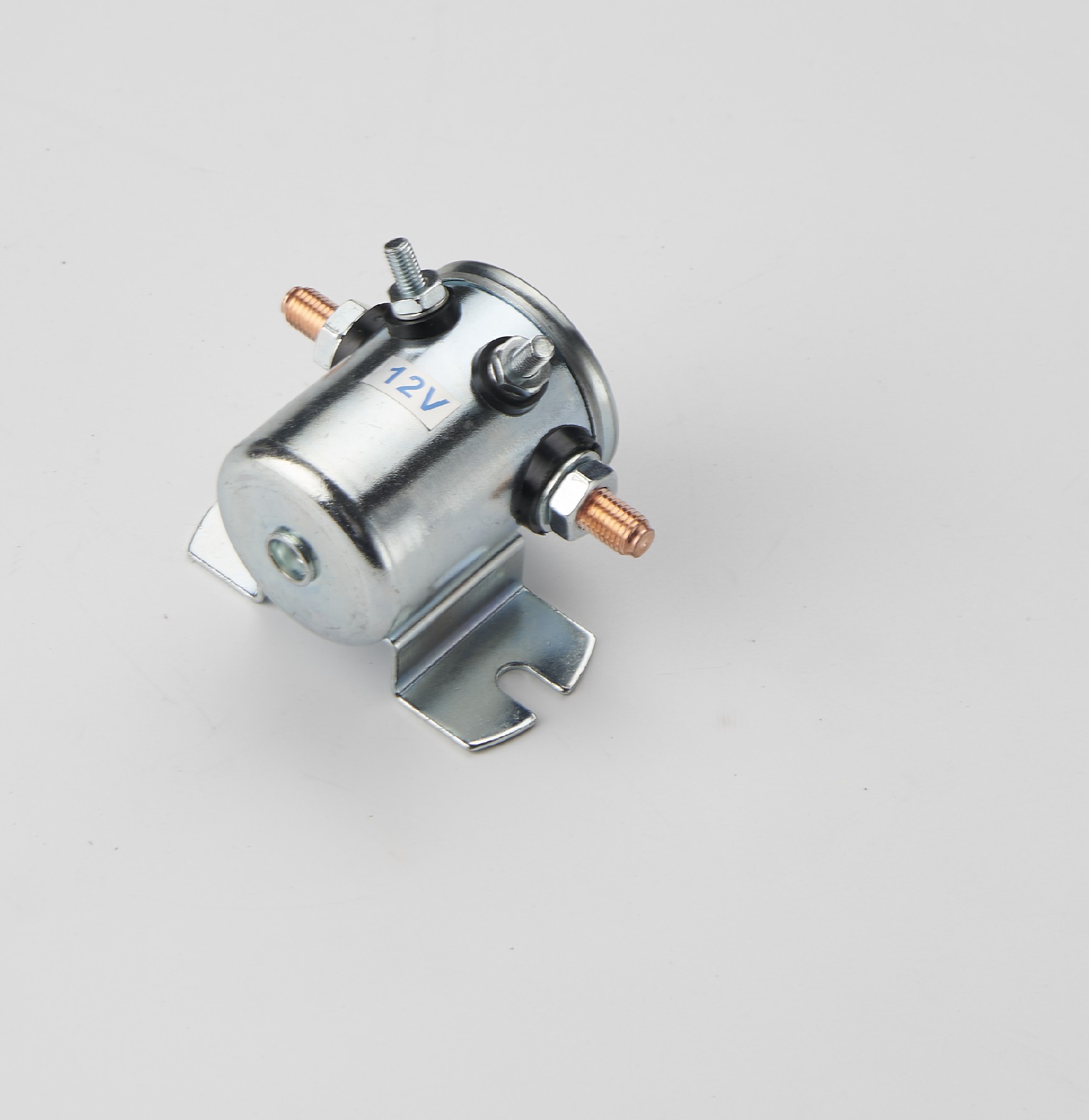
When your vehicle fails to start consistently, a faulty starter relay may be the culprit behind this frustrating problem. The starter relay serves as a critical electrical component that controls the flow of power between your battery and the starter motor. Understanding the warning signs of starter relay failure can save you from unexpected breakdowns and costly repairs. Modern vehicles rely heavily on this small but essential component to ensure reliable engine starting, making it crucial for drivers to recognize when their starter relay begins showing signs of deterioration.
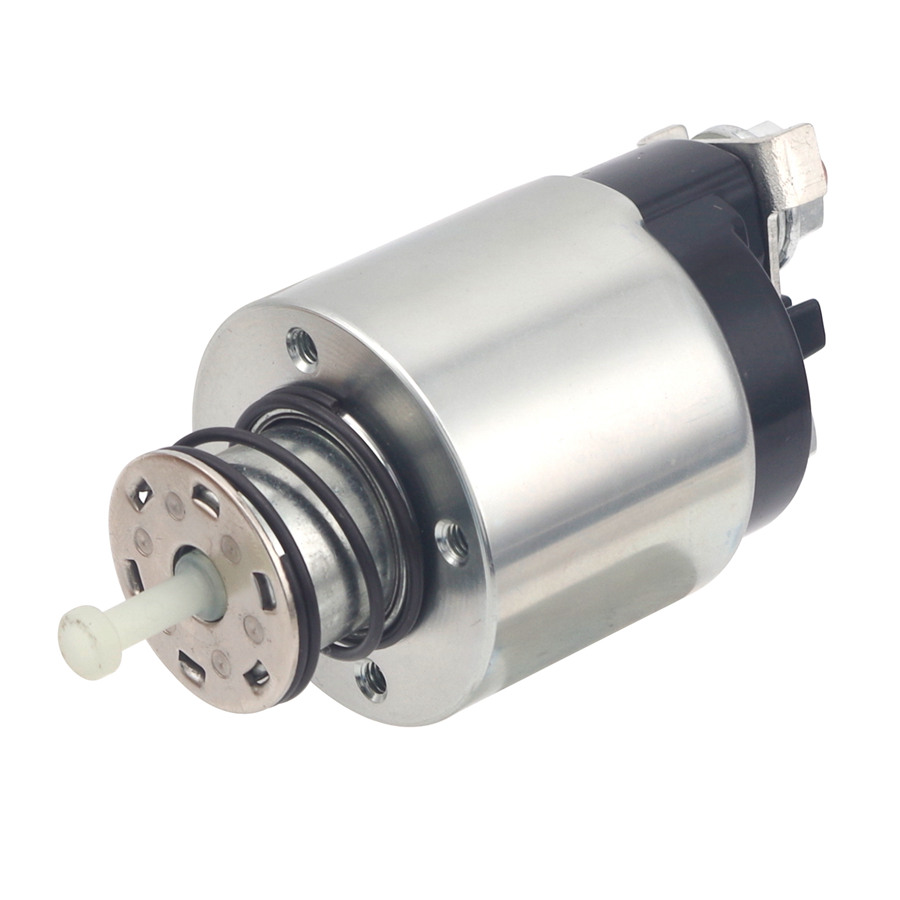
Vehicle starting systems have evolved significantly over the decades, yet the fundamental role of the starter relay remains unchanged. This electromagnetic switch acts as a bridge between the ignition switch and the starter motor, amplifying the small electrical signal from your key into the substantial current needed to crank the engine. When a starter relay begins to fail, it typically exhibits specific symptoms that progress from intermittent issues to complete failure. Recognizing these early warning signs allows vehicle owners to address problems proactively before finding themselves stranded with a non-starting car.
Understanding Starter Relay Function and Operation
Basic Electrical Circuit Operation
The starter relay operates within a sophisticated electrical circuit designed to manage high-current flow efficiently. When you turn the ignition key, a low-current signal activates the relay coil, which creates a magnetic field that closes the relay contacts. This action allows battery power to flow directly to the starter motor, bypassing the ignition switch and protecting it from high-current damage. The relay essentially acts as an electrical amplifier, taking a small control signal and using it to switch a much larger electrical load.
Inside the relay housing, electromagnetic coils work in conjunction with movable contacts to create a reliable switching mechanism. The coil energizes when voltage is applied, pulling the contacts together and completing the circuit to the starter motor. This design ensures that the ignition switch only handles low-current control signals while the starter relay manages the high-current demands of the starter motor. Understanding this basic operation helps identify why certain symptoms occur when the relay begins to malfunction.
Location and Accessibility
Most vehicles position the starter relay in the engine bay fuse box or power distribution center, making it relatively accessible for inspection and replacement. The relay typically plugs into a socket labeled with its function, often alongside other relays and fuses that control various electrical systems. Some vehicles may have the starter relay located in an interior fuse panel, particularly in luxury cars with more complex electrical architectures.
Identifying the correct relay requires consulting your vehicle's owner manual or fuse box diagram, as relay positions vary between manufacturers and model years. The starter relay usually appears as a cube-shaped component with four or five terminals, distinguishable from smaller fuses by its size and the audible clicking sound it makes when activated. Proper identification ensures accurate diagnosis and prevents confusion with other similar relays in the power distribution system.
Primary Warning Signs of Starter Relay Failure
Intermittent Starting Issues
One of the earliest and most common symptoms of a failing starter relay involves intermittent starting problems that seem to occur randomly. Your vehicle may start normally on some occasions while completely failing to respond on others, creating an unpredictable pattern that can be particularly frustrating. This inconsistent behavior typically results from internal relay contacts that have begun to deteriorate, creating poor electrical connections that work sporadically.
The intermittent nature of these starting issues often leads vehicle owners to suspect other components, such as the battery or starter motor. However, when the problem occurs randomly without correlation to weather conditions, battery age, or driving patterns, a faulty starter relay becomes the more likely culprit. These symptoms may worsen over time, with successful starts becoming less frequent as the relay contacts continue to degrade.
Complete Starting System Failure
When a starter relay fails completely, your vehicle will exhibit total starting system failure, with no response when turning the ignition key. The engine will not crank, and you may not hear any sound from the starter motor, creating a situation where the vehicle appears electrically dead despite having a fully charged battery. This complete failure occurs when the relay contacts become so corroded or damaged that they can no longer conduct electricity effectively.
Complete starter relay failure differs from other starting problems in that all electrical accessories typically continue to function normally. The headlights, radio, air conditioning, and other systems will operate as expected, indicating that the battery and main electrical system remain intact. This selective failure pattern helps distinguish relay problems from more comprehensive electrical issues or battery failures that would affect multiple vehicle systems simultaneously.
Audio and Physical Diagnostic Indicators
Clicking Sounds and Relay Operation
A properly functioning starter relay produces a distinctive clicking sound when activated, indicating that the electromagnetic coil is energizing and attempting to close the contacts. When the relay begins to fail, this clicking sound may become more pronounced, irregular, or completely absent depending on the type of failure occurring within the component. Listening carefully to these audio cues provides valuable diagnostic information about relay condition and operation.
Multiple rapid clicking sounds often indicate that the relay is attempting to engage but failing to maintain contact closure, typically due to insufficient voltage or worn contact surfaces. A single click followed by silence suggests that the relay coil energizes but the contacts fail to conduct current to the starter motor. No clicking sound at all may indicate complete coil failure or a loss of control signal from the ignition system.
Physical Inspection Techniques
Visual inspection of the starter relay can reveal external signs of failure, including corrosion, physical damage, or overheating indicators that suggest internal problems. Remove the relay from its socket and examine the terminal pins for signs of burning, corrosion, or physical deformation that could affect electrical contact quality. The relay housing should appear intact without cracks, melting, or other damage that might indicate overheating or electrical arcing.
Corrosion on relay terminals often appears as white, green, or brown deposits that can interfere with electrical connections even when the internal relay components remain functional. Clean terminals with electrical contact cleaner and fine sandpaper can sometimes restore proper operation, though replacement remains the most reliable long-term solution. Physical damage to the relay housing or terminals typically requires immediate replacement to prevent potential electrical hazards or further system damage.
Testing and Verification Methods
Relay Substitution Testing
The most straightforward method for testing a suspected faulty starter relay involves substituting it with an identical relay from another vehicle system. Many vehicles use the same relay type for multiple functions, such as the air conditioning clutch, horn, or cooling fan, making substitution testing readily available without additional tools or equipment. Swap the suspected starter relay with a known good relay of the same type and attempt to start the vehicle.
If the vehicle starts normally after relay substitution, the original starter relay requires replacement. This simple test confirms relay failure without the need for specialized diagnostic equipment or extensive electrical knowledge. Remember to reinstall the original relay in the substitute location to verify that the other system continues to function properly, ensuring that you have identified the correct failing component.
Electrical Testing Procedures
More comprehensive starter relay testing involves using a multimeter to measure voltage and continuity across the relay terminals while it operates. With the ignition key in the start position, measure voltage at the relay coil terminals to confirm that the control signal reaches the relay properly. The coil should receive battery voltage when the key is turned, indicating that the ignition switch and associated wiring function correctly.
Continuity testing across the relay's main contacts reveals whether the internal switching mechanism operates properly when the coil energizes. A functioning relay should show near-zero resistance across the main contacts when activated and infinite resistance when deactivated. Resistance measurements that fall outside these parameters indicate internal contact damage or coil failure that requires relay replacement.
Impact on Vehicle Performance and Safety
Reliability and Predictability Concerns
A failing starter relay creates significant reliability concerns that can affect daily transportation needs and emergency situations. The unpredictable nature of intermittent starting problems means that vehicle owners cannot depend on their cars when reliability is most critical. This situation becomes particularly problematic in extreme weather conditions, remote locations, or during urgent transportation needs where alternative options may be limited.
The progressive nature of starter relay failure means that symptoms typically worsen over time, with successful starts becoming increasingly rare. Vehicle owners who ignore early warning signs often find themselves completely stranded when the relay fails entirely. Planning for relay replacement when intermittent symptoms first appear prevents more serious inconvenience and potential safety hazards associated with unexpected vehicle breakdowns.
Secondary System Effects
Extended starter relay problems can create additional stress on related electrical components, potentially leading to premature failure of other starting system elements. Repeated attempts to start a vehicle with a faulty relay may overload the ignition switch contacts, leading to additional electrical problems that require more extensive repairs. The starter motor may also experience increased wear from inconsistent power delivery patterns caused by failing relay contacts.
Battery drain represents another potential consequence of starter relay problems, particularly when the relay fails in a partially closed position that allows continuous current flow. This condition can discharge the battery overnight or during extended parking periods, creating additional starting problems that mask the underlying relay failure. Addressing relay issues promptly prevents these secondary complications and maintains overall electrical system integrity.
Preventive Maintenance and Best Practices
Regular Inspection Schedules
Incorporating starter relay inspection into routine vehicle maintenance helps identify potential problems before they cause complete system failures. During regular oil changes or seasonal maintenance visits, request that technicians inspect the starter relay for signs of corrosion, damage, or loose connections that could affect performance. This proactive approach costs little but can prevent significant inconvenience and potential safety hazards.
Most automotive experts recommend starter relay replacement every five to seven years as part of preventive maintenance, regardless of apparent condition. This timeframe accounts for the gradual deterioration of internal components that may not produce obvious external symptoms until complete failure occurs. Replacing relays on a scheduled basis ensures reliable vehicle operation and eliminates the uncertainty associated with aging electrical components.
Environmental Protection Measures
Protecting the starter relay from environmental factors that accelerate deterioration extends component life and improves reliability. Ensure that the relay box or fuse panel cover fits properly and provides adequate protection from moisture, dirt, and temperature extremes that can affect relay performance. Clean the relay socket periodically to prevent corrosion buildup that can interfere with electrical connections.
Extreme temperature conditions can accelerate starter relay aging, particularly in vehicles exposed to frequent temperature cycling or harsh climate conditions. Consider using higher-quality relays with improved temperature ratings when replacement becomes necessary, especially in commercial vehicles or applications with demanding operating conditions. Quality replacement parts often provide better long-term reliability than economy alternatives.
FAQ
How long does a typical starter relay last before requiring replacement
A typical starter relay can last anywhere from five to ten years under normal operating conditions, though this lifespan varies significantly based on usage patterns, environmental conditions, and component quality. Vehicles used frequently in stop-and-start driving conditions may experience shorter relay life due to increased cycling, while highway-driven vehicles often see longer component longevity. High-quality relays from reputable manufacturers typically outlast economy alternatives, making the initial investment in quality components worthwhile for long-term reliability.
Can a faulty starter relay damage other electrical components
Yes, a faulty starter relay can potentially damage other electrical components if the failure creates abnormal current flow patterns or voltage spikes. A relay that fails in the closed position can allow continuous current flow to the starter motor, potentially causing overheating and damage to both the starter and associated wiring. Additionally, arcing contacts within the relay can generate electrical noise that may interfere with sensitive electronic systems, though modern vehicles typically include protection circuits to minimize these risks.
Is it safe to drive with starter relay symptoms
While you can technically drive a vehicle that starts despite starter relay symptoms, this practice is not recommended due to the unpredictable nature of relay failure progression. Intermittent starting problems can quickly evolve into complete failure, potentially leaving you stranded in unsafe locations or emergency situations. The relatively low cost and simple replacement procedure for starter relays make immediate replacement the safest and most practical solution when symptoms first appear.
What tools are needed to replace a starter relay
Replacing a starter relay typically requires no special tools beyond basic hand tools that most vehicle owners already possess. The relay usually plugs directly into a socket in the fuse box, requiring only removal of the fuse box cover and gentle pulling to extract the old relay. Some applications may require needle-nose pliers for extraction if the relay fits tightly in its socket, but most relays can be removed by hand. Always consult your vehicle's owner manual to identify the correct relay location and type before attempting replacement.
