EN
EN



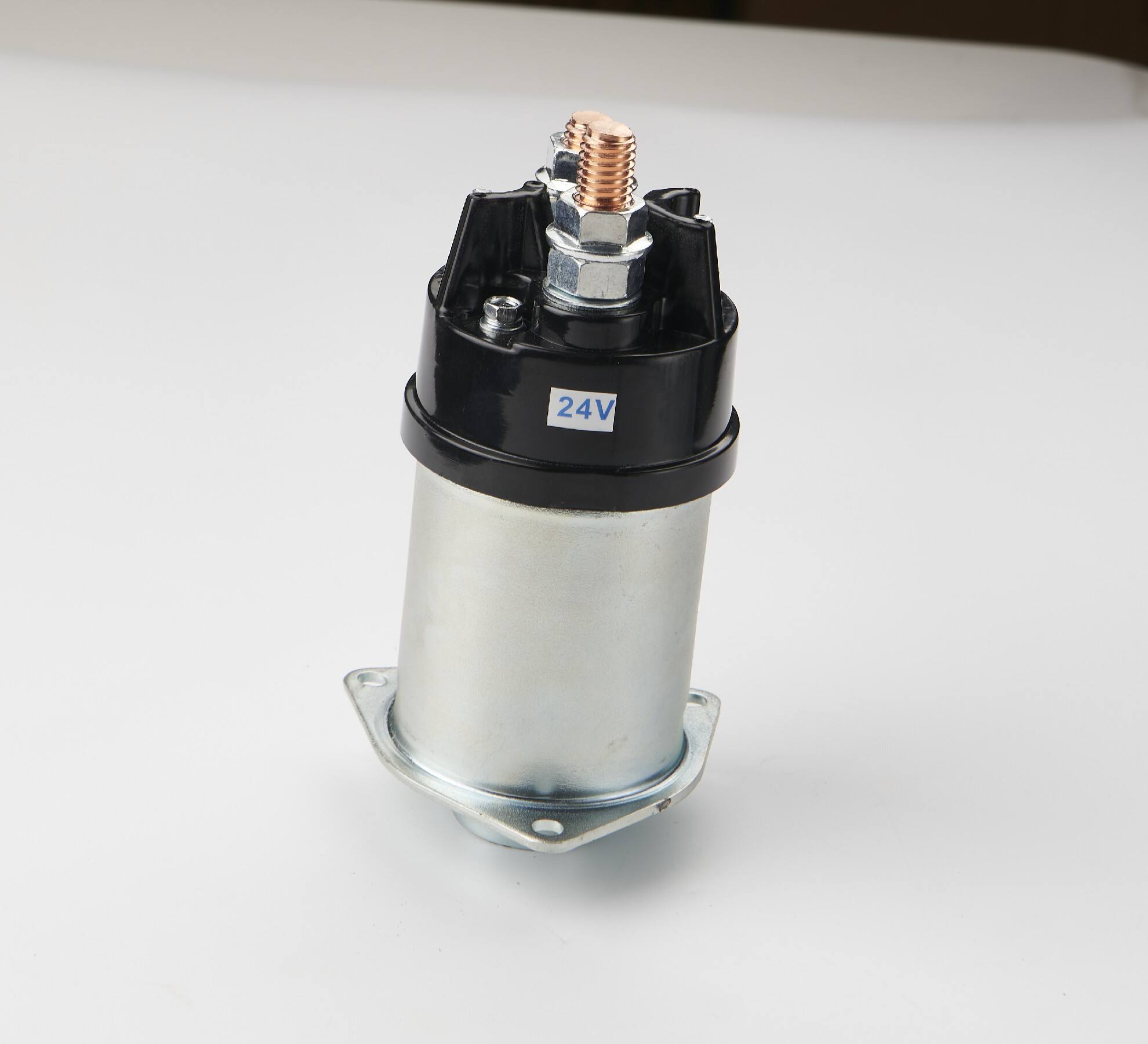
Understanding how your starter motor solenoid functions is essential for maintaining reliable vehicle performance. This electromagnetic switch serves as the critical bridge between your ignition system and starter motor, enabling your engine to turn over when you turn the key. A failing starter motor solenoid can leave you stranded, making proper testing and maintenance crucial for every vehicle owner and automotive technician.
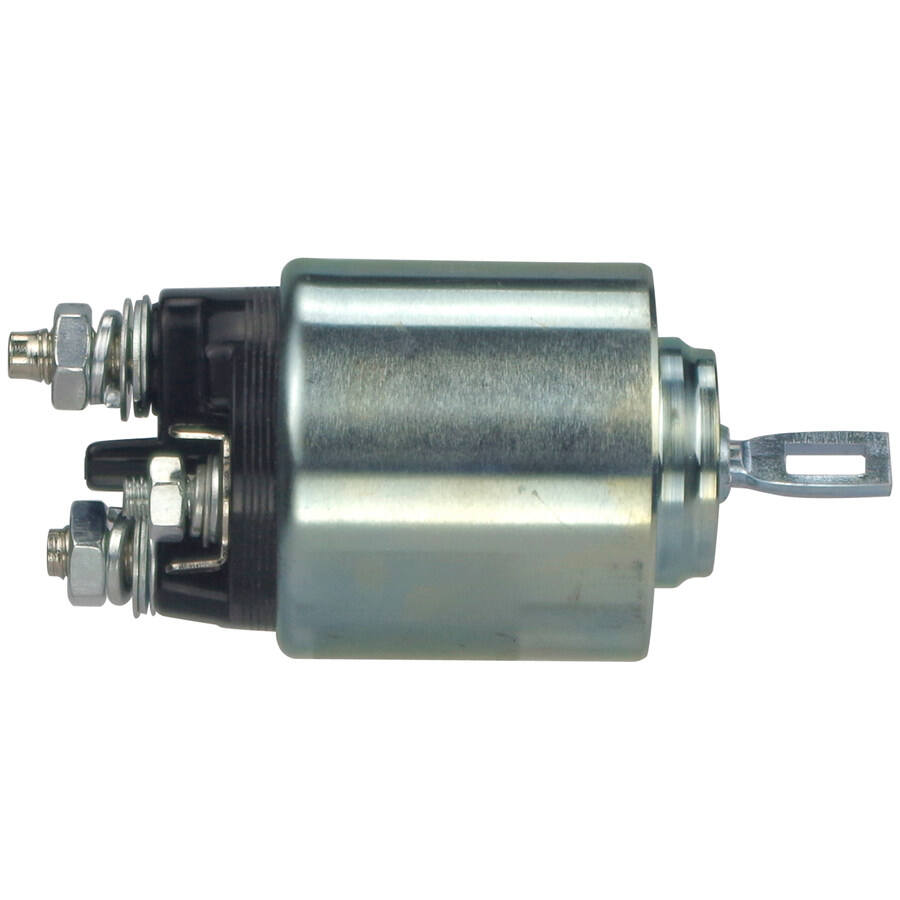
The starter motor solenoid operates through electromagnetic principles, creating a powerful magnetic field when activated by your ignition switch. This magnetic force pulls a plunger that simultaneously closes two circuits: one that sends full battery power to the starter motor, and another that engages the starter drive gear with the flywheel. Without a properly functioning starter motor solenoid, your vehicle's starting system cannot complete this essential sequence.
Understanding Starter Motor Solenoid Components
Internal Construction and Design
The internal architecture of a starter motor solenoid consists of several precision-engineered components working in harmony. The electromagnetic coil, wrapped around a cylindrical core, generates the magnetic field necessary for operation. When current flows through this coil, it creates a strong magnetic force that attracts the movable plunger or armature. This plunger is connected to a heavy-duty contact disc that bridges the main power terminals when activated.
The solenoid housing protects these internal components while providing mounting points for electrical connections. Most starter motor solenoid units feature four terminals: two smaller terminals for the control circuit and two larger terminals for the high-current starter circuit. The contact disc must be robust enough to handle the substantial amperage required by modern starter motors, often exceeding 200 amperes during engine cranking.
Electrical Circuit Integration
Integration with your vehicle's electrical system requires precise understanding of circuit pathways and voltage requirements. The starter motor solenoid receives its activation signal from the ignition switch through a relatively low-current control circuit, typically carrying 12 volts at minimal amperage. This control signal energizes the electromagnetic coil, which then closes the high-current circuit between the battery and starter motor.
Modern vehicles often incorporate additional safety circuits that prevent starter motor solenoid activation unless specific conditions are met. These may include neutral safety switches in automatic transmissions, clutch interlock switches in manual transmissions, and various engine management system inputs. Understanding these integrated safety features is essential when diagnosing starting system problems.
Common Failure Modes and Symptoms
Mechanical Wear Patterns
Mechanical degradation within the starter motor solenoid typically manifests through several distinct failure patterns. Contact disc erosion represents one of the most common issues, occurring when repeated high-current switching causes material transfer and pitting on the contact surfaces. This erosion gradually increases electrical resistance, leading to voltage drop and reduced starter motor performance.
Plunger sticking can result from contamination, corrosion, or wear in the solenoid cylinder. When the plunger cannot move freely, the starter motor solenoid may fail to engage completely or may stick in the engaged position. This condition can cause continuous starter motor operation even after releasing the ignition key, potentially damaging both the starter and flywheel ring gear.
Electrical System Degradation
Electrical failures in the starter motor solenoid often develop gradually before causing complete system breakdown. Coil winding degradation can occur due to heat cycling, vibration, or moisture infiltration, leading to increased resistance or complete circuit interruption. Partial coil failures may allow intermittent operation, making diagnosis challenging without proper testing procedures.
Terminal corrosion and loose connections frequently affect starter motor solenoid performance, particularly in harsh environmental conditions. Corrosion increases electrical resistance, causing voltage drop and heat generation that can accelerate component degradation. Regular inspection and maintenance of electrical connections can prevent many solenoid-related starting problems.
Professional Testing Procedures
Voltage Drop Testing Methods
Voltage drop testing provides the most accurate assessment of starter motor solenoid electrical performance under actual operating conditions. This procedure requires a digital multimeter capable of measuring voltage while the starter system operates under full load. Begin by connecting the multimeter's positive lead to the battery positive terminal and the negative lead to the large solenoid terminal connected to the starter motor.
During cranking, monitor the voltage drop across the starter motor solenoid contacts. Acceptable voltage drop should not exceed 0.5 volts during normal cranking conditions. Higher voltage drops indicate contact resistance problems, requiring solenoid replacement or reconditioning. This test must be performed with the engine disabled to prevent starting during the diagnostic procedure.
Current Draw Analysis
Current draw testing reveals valuable information about both starter motor solenoid and starter motor condition. Using an inductive ammeter, measure the total current draw during cranking while monitoring system voltage. A properly functioning starter motor solenoid should allow consistent current flow without significant fluctuations or interruptions.
Excessive current draw may indicate mechanical binding in the starter motor, while insufficient current draw suggests high resistance in the starter motor solenoid contacts or connections. Compare measured values with manufacturer specifications, considering factors such as engine displacement, compression ratio, and ambient temperature that affect normal cranking current requirements.
Diagnostic Tools and Equipment
Essential Testing Instruments
Professional starter motor solenoid diagnosis requires specific testing equipment designed for automotive electrical systems. A high-quality digital multimeter with automotive testing capabilities forms the foundation of any diagnostic toolkit. Look for meters offering 10-megohm input impedance, true RMS measurement, and the ability to capture transient voltage spikes that may occur during solenoid operation.
Inductive current clamps enable safe measurement of high-amperage circuits without breaking electrical connections. Choose clamps rated for at least 400 amperes continuous measurement, with good accuracy at the lower current levels used for starter motor solenoid control circuits. Quality current clamps also provide better resolution for detecting intermittent connection problems.
Advanced Diagnostic Capabilities
Oscilloscopes offer sophisticated analysis capabilities for complex starter motor solenoid problems, particularly when intermittent failures occur. Modern automotive oscilloscopes can capture voltage and current waveforms during cranking, revealing timing issues, contact bounce, or electromagnetic interference that simpler test equipment might miss.
Load testing equipment specifically designed for starting systems provides standardized testing conditions for accurate starter motor solenoid evaluation. These devices apply controlled loads while monitoring voltage, current, and timing parameters, enabling consistent diagnosis across different vehicle types and operating conditions.
Step-by-Step Testing Procedures
Preliminary Safety Checks
Before beginning any starter motor solenoid testing, ensure all safety protocols are properly implemented to prevent injury or vehicle damage. Disconnect the negative battery cable and wait at least 30 minutes for any residual electrical charges to dissipate. Verify that the transmission is in park or neutral position, and engage the parking brake to prevent unexpected vehicle movement.
Inspect the starter motor solenoid mounting area for obvious damage, corrosion, or loose connections. Clean all electrical terminals using appropriate contact cleaner and ensure secure connections before proceeding with electrical tests. Document the original wire positions using photographs or diagrams to ensure proper reassembly.
Control Circuit Verification
Testing the starter motor solenoid control circuit begins with verifying proper voltage supply from the ignition switch. Connect your multimeter between the small solenoid terminal and ground, then activate the ignition switch to the start position. You should measure battery voltage, typically 12 volts, during key activation.
If no voltage appears at the starter motor solenoid control terminal, trace the circuit back toward the ignition switch, checking for breaks, corrosion, or faulty safety interlocks. Many modern vehicles incorporate complex control logic that may require scan tool diagnosis to identify electronic control module issues affecting starter system operation.
Troubleshooting Common Issues
Intermittent Operation Problems
Intermittent starter motor solenoid operation presents unique diagnostic challenges because symptoms may not appear during testing periods. These problems often result from thermal expansion issues, where components function normally when cold but fail as temperatures increase. Heat cycling can cause solder joint failures, contact surface oxidation, or coil winding breakdown that only manifests under specific temperature conditions.
Vibration-induced failures represent another common cause of intermittent starter motor solenoid problems. Loose mounting hardware, worn bushings, or internal component wear can create intermittent electrical connections that function normally under static conditions but fail during engine operation. Tap testing using a plastic hammer can sometimes reproduce these vibration-sensitive failures during diagnosis.
No-Start Condition Analysis
When a starter motor solenoid completely fails to operate, systematic diagnosis must distinguish between solenoid failure and upstream circuit problems. Begin by verifying battery voltage and condition, as insufficient voltage can prevent proper solenoid operation even when all components are functional. Battery voltage should remain above 9.5 volts during attempted cranking for proper starter motor solenoid operation.
Complete solenoid failure may result from open coil windings, seized plunger mechanisms, or catastrophic contact disc failure. In these cases, the starter motor solenoid typically requires replacement rather than repair. However, careful diagnosis can prevent unnecessary component replacement when the actual problem lies in related circuits or connections.
Maintenance and Prevention Strategies
Routine Inspection Protocols
Preventive maintenance significantly extends starter motor solenoid service life while reducing the likelihood of unexpected failures. Regular visual inspections should focus on electrical connections, mounting hardware, and environmental protection. Look for signs of corrosion, heat damage, or mechanical stress that could indicate developing problems.
Clean all starter motor solenoid terminals annually using appropriate electrical contact cleaner and apply dielectric grease to prevent corrosion. Ensure all mounting bolts remain properly torqued, as vibration can gradually loosen connections and create resistance problems. Pay particular attention to heat shields and protective covers that prevent moisture infiltration.
Environmental Protection Measures
Environmental factors significantly impact starter motor solenoid longevity, particularly in harsh operating conditions. Moisture infiltration can cause internal corrosion and electrical failures, while extreme temperatures affect both mechanical and electrical component performance. Installing appropriate protective covers or relocating solenoids away from heat sources can improve reliability.
Salt exposure from road treatments or marine environments accelerates corrosion processes in starter motor solenoid components. Regular washing and application of corrosion-preventive compounds help maintain electrical connections and mechanical components. Consider upgrading to sealed or marine-grade solenoids in severely corrosive environments.
FAQ
How long should a starter motor solenoid typically last?
A quality starter motor solenoid should provide reliable service for 100,000 to 150,000 miles under normal operating conditions. However, service life varies significantly based on factors such as climate, driving patterns, and maintenance practices. Vehicles operated in extreme temperatures, high-moisture environments, or stop-and-go traffic may experience shorter solenoid life due to increased thermal and mechanical stress.
Can I replace just the solenoid without replacing the entire starter?
Most starter motor solenoid units are replaceable independently of the main starter motor assembly. However, replacement procedures vary significantly between vehicle manufacturers and starter designs. Some solenoids mount externally with simple bolt-on installation, while others integrate into the starter housing requiring partial disassembly. Always consult manufacturer service procedures before attempting solenoid replacement to ensure proper installation and safety.
What causes clicking sounds when trying to start the engine?
Rapid clicking sounds typically indicate that the starter motor solenoid is receiving activation signals but cannot complete the high-current circuit to the starter motor. This commonly results from weak battery voltage, corroded solenoid contacts, or excessive resistance in the starter circuit. The solenoid attempts to engage but immediately releases due to insufficient voltage, creating the characteristic clicking sound. Proper diagnosis requires voltage and current testing during the failure condition.
Why does my starter continue running after I release the key?
Continuous starter operation after key release usually indicates that the starter motor solenoid contacts have welded together due to excessive current or arcing. This dangerous condition can damage both the starter motor and engine flywheel if not immediately addressed. Disconnect the battery immediately and replace the solenoid before attempting further operation. In some cases, the ignition switch itself may be faulty, maintaining the control circuit even after key release.