EN
EN



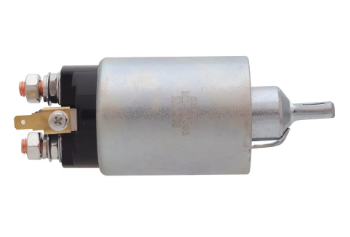
Modern automotive electrical systems rely heavily on precise components to ensure reliable engine starting, and the 12v starter solenoid serves as a critical bridge between the ignition system and the starter motor. This electromagnetic switch plays an essential role in transferring high-current power from the battery to the starter motor while simultaneously engaging the starter drive gear with the engine's flywheel. Understanding the common problems that affect 12v starter solenoid performance can help vehicle owners and technicians diagnose starting issues more effectively and implement appropriate solutions before complete system failure occurs.
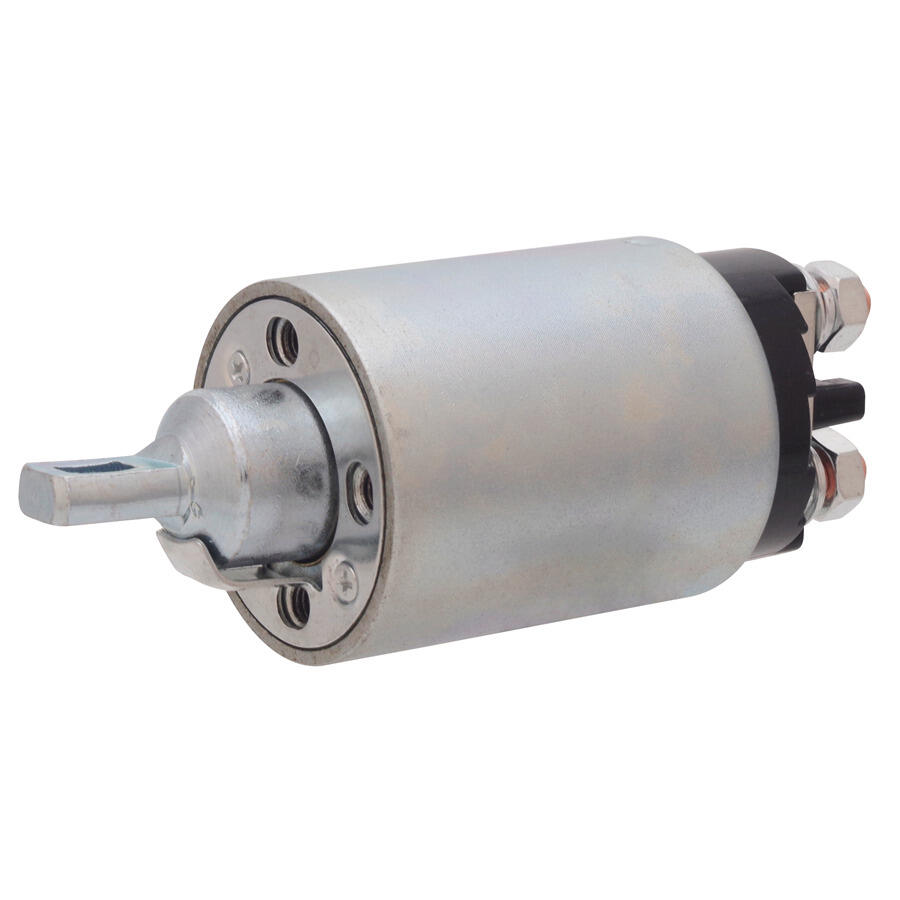
Understanding 12V Starter Solenoid Function and Components
Basic Operating Principles
The 12v starter solenoid operates on electromagnetic principles, utilizing a coil winding to create magnetic force that moves an internal plunger mechanism. When electrical current flows through the solenoid coil, it generates a magnetic field that pulls the plunger inward, simultaneously closing heavy-duty contacts and extending a mechanical linkage. This dual action ensures that electrical power reaches the starter motor while the starter drive gear engages with the engine flywheel. The solenoid design incorporates both pull-in and hold-in windings to provide initial engagement force and maintain contact closure during cranking operations.
Most automotive applications utilize a 12v starter solenoid configuration that includes four primary terminals: the battery terminal receiving direct power, the starter terminal feeding the motor, the ignition terminal connected to the key switch, and the ground connection completing the circuit. The internal contact disc bridges the gap between battery and starter terminals when activated, allowing hundreds of amperes to flow through the system. Understanding this fundamental operation helps technicians identify whether problems originate from electrical, mechanical, or thermal issues within the solenoid assembly.
Key Internal Components
The internal construction of a 12v starter solenoid includes several critical components that must function properly for reliable operation. The electromagnetic coil assembly consists of copper wire windings around an iron core, designed to generate sufficient magnetic force for plunger movement. The plunger mechanism includes a ferrous metal rod that moves within the coil assembly, connected to both the contact disc and the mechanical linkage extending from the solenoid housing. Heavy-duty electrical contacts, typically made from copper or silver alloys, must withstand repeated high-current switching while maintaining low resistance connections.
Additional components include spring assemblies that return the plunger to its rest position when power is removed, insulating materials that prevent electrical shorts between windings and housing, and protective housings that shield internal components from environmental contaminants. The mechanical linkage extends through the solenoid housing to engage with starter drive mechanisms, requiring precise manufacturing tolerances to ensure proper alignment and engagement. Each component must maintain its specifications over thousands of operating cycles while exposed to engine compartment conditions including temperature extremes, vibration, and electrical transients.
Common Electrical Failures and Diagnostic Approaches
Coil Winding Degradation
One of the most frequent problems affecting 12v starter solenoid reliability involves degradation of the internal coil windings due to thermal stress, electrical overload, or manufacturing defects. High resistance develops within the coil assembly when copper conductors oxidize or when insulation breakdown causes turn-to-turn shorts within the winding. These conditions reduce the magnetic field strength generated by the coil, resulting in weak plunger movement or complete failure to engage. Diagnostic procedures include measuring coil resistance with a digital multimeter and comparing readings to manufacturer specifications, typically ranging from 0.5 to 2.0 ohms for most automotive solenoids.
Thermal cycling represents a significant contributor to coil winding failure, as repeated heating and cooling cycles cause expansion and contraction of copper conductors and insulating materials. Engine compartment temperatures can exceed 200 degrees Fahrenheit during operation, while cold weather starting places additional electrical stress on the 12v starter solenoid system. Technicians should inspect solenoid housings for signs of overheating, including discoloration, melted plastic components, or burned odors that indicate excessive thermal stress. Voltage drop testing across the solenoid coil during operation can reveal developing problems before complete failure occurs.
Contact Point Deterioration
The heavy-duty contacts within a 12v starter solenoid must handle hundreds of amperes each time the starter engages, making them susceptible to wear, pitting, and carbon buildup over time. Contact deterioration typically begins with surface oxidation that increases electrical resistance, leading to voltage drops that reduce starter motor performance. As contact surfaces become pitted or burned, the resistance increases further until the connection becomes completely unreliable. Visual inspection of contact surfaces requires solenoid disassembly, but electrical testing can reveal contact problems through voltage drop measurements across the solenoid while under load.
Arcing between contacts during switching operations accelerates deterioration by creating high-temperature plasma that erodes contact surfaces and deposits carbon residue. This problem becomes more severe when starter motors draw excessive current due to internal wear or when electrical system voltage drops below optimal levels. Prevention strategies include maintaining proper battery voltage levels, ensuring clean electrical connections throughout the starting system, and replacing starter motors before excessive current draw damages the 12v starter solenoid contacts. Regular inspection intervals should include voltage drop testing to identify developing contact problems before they cause starting failures.
Mechanical Problems and Solutions
Plunger Mechanism Binding
Mechanical binding of the plunger mechanism represents another common failure mode that prevents proper 12v starter solenoid operation even when electrical components function correctly. Contamination from dirt, moisture, or corrosion products can accumulate within the solenoid housing, creating friction that prevents smooth plunger movement. Temperature extremes can cause expansion or contraction of internal components beyond design tolerances, resulting in binding or sluggish operation. Manufacturing tolerances that fall outside specifications may also contribute to binding problems, particularly in lower-quality replacement components.
Diagnostic procedures for mechanical binding include listening for clicking sounds when the ignition key is turned, which indicates electrical activation without mechanical engagement. Physical inspection may reveal damaged housing components, bent linkages, or contamination visible through housing openings. Lubrication of moving parts using appropriate electrical contact cleaners can sometimes restore function temporarily, but persistent binding usually requires solenoid replacement. Prevention measures include protecting the 12v starter solenoid from excessive moisture exposure and ensuring proper mounting to minimize vibration stress on internal components.
Spring Assembly Failures
The return spring assembly within a 12v starter solenoid must provide sufficient force to retract the plunger and disengage the starter drive when ignition power is removed. Spring fatigue develops over thousands of operating cycles, gradually reducing the return force until the plunger fails to retract completely. This condition can cause the starter motor to remain engaged with the flywheel after engine startup, potentially damaging both components. Weak springs may also allow the plunger to bounce or chatter during operation, creating intermittent electrical connections that result in unreliable starting.
Symptoms of spring assembly problems include grinding noises after engine startup, indicating continued starter engagement, or rapid clicking sounds during cranking attempts that suggest plunger bouncing. Temperature extremes can affect spring tension, with cold weather increasing spring stiffness and hot conditions potentially causing spring relaxation. Inspection procedures require solenoid disassembly to examine spring condition and measure compression force using appropriate tools. Replacement of the entire solenoid assembly is typically more cost-effective than attempting spring replacement in most automotive applications.
Environmental Factors Affecting Performance
Temperature-Related Issues
Extreme temperature conditions significantly impact 12v starter solenoid performance through effects on both electrical and mechanical components. Cold weather increases the viscosity of lubricants within the solenoid mechanism while simultaneously increasing electrical resistance in copper windings, reducing the magnetic field strength available for plunger activation. Battery capacity also decreases in cold conditions, further reducing the current available to operate the solenoid coil. These combined effects can prevent reliable starting in cold weather even when components are otherwise functional.
High-temperature conditions create different challenges for 12v starter solenoid operation, including thermal expansion of components that may cause binding or misalignment. Excessive heat can also accelerate insulation breakdown within coil windings and cause permanent deformation of plastic housing components. Heat-related problems often develop gradually, with performance degrading over time as repeated thermal cycling takes its toll on component integrity. Engine compartment modifications that improve heat dissipation around the solenoid mounting location can help extend component life in high-temperature applications.
Moisture and Corrosion Protection
Moisture infiltration represents a significant threat to 12v starter solenoid reliability, as water can cause corrosion of electrical contacts, short circuits between coil windings, and binding of mechanical components. Housing seals must maintain their integrity to prevent moisture entry, but age-related deterioration or physical damage can compromise protection. Salt exposure from winter road treatments or coastal environments accelerates corrosion processes, making moisture protection even more critical in these applications.
Preventive measures for moisture protection include regular inspection of housing seals, application of dielectric grease to electrical connections, and ensuring proper drainage around the solenoid mounting location. Aftermarket protective covers or shields can provide additional protection in severe environments, while proper mounting orientation helps prevent water accumulation around critical components. When moisture infiltration occurs, prompt cleaning and drying of internal components may prevent permanent damage if addressed before significant corrosion develops within the 12v starter solenoid assembly.
Diagnostic Procedures and Testing Methods
Electrical Testing Protocols
Proper diagnosis of 12v starter solenoid problems requires systematic electrical testing to isolate component failures from system-wide issues. Initial testing should include battery voltage measurement to ensure adequate power supply, followed by voltage measurements at the solenoid terminals during cranking attempts. A functioning solenoid should show battery voltage at the ignition terminal when the key is turned, with corresponding voltage appearing at the starter terminal when the solenoid engages. Absence of voltage at the starter terminal despite proper ignition signal indicates internal solenoid failure.
Resistance measurements of the solenoid coil provide valuable diagnostic information when performed with the circuit de-energized and connections disconnected. Most automotive 12v starter solenoid coils exhibit resistance values between 0.5 and 2.0 ohms, with infinite resistance indicating an open circuit and near-zero resistance suggesting shorted windings. Current draw measurements during operation can reveal excessive resistance in contacts or mechanical binding that increases coil energization time. These tests require appropriate safety precautions and should be performed by qualified technicians familiar with automotive electrical systems.
Performance Verification Procedures
Beyond basic electrical testing, comprehensive 12v starter solenoid evaluation includes performance verification under actual operating conditions. Load testing involves measuring voltage drops across solenoid components while the starter motor operates under full load, revealing contact resistance problems that may not appear during no-load testing. Mechanical function testing includes verification of plunger travel distance and engagement timing to ensure proper starter drive operation.
Oscilloscope analysis provides detailed information about solenoid switching characteristics, including engagement speed and contact bounce that may indicate developing problems. This advanced diagnostic approach helps identify intermittent failures that traditional multimeter testing might miss. Temperature testing under both hot and cold conditions can reveal thermal sensitivity issues that affect reliability in extreme weather. Documentation of test results enables tracking of component degradation over time and helps establish appropriate replacement intervals for preventive maintenance programs.
Replacement and Installation Best Practices
Component Selection Criteria
Selecting appropriate replacement components for 12v starter solenoid applications requires consideration of electrical specifications, mechanical compatibility, and environmental requirements. Original equipment manufacturer specifications provide the baseline for replacement selection, including coil resistance values, contact ratings, and mounting dimensions. Aftermarket alternatives should meet or exceed OEM specifications while providing comparable reliability and service life under normal operating conditions.
Quality considerations include contact material composition, housing construction, and internal component design features that affect long-term reliability. Higher-quality 12v starter solenoid units often incorporate improved contact materials, better sealing systems, and enhanced thermal protection compared to economy alternatives. Price considerations should balance initial cost against expected service life and reliability requirements, particularly in commercial applications where downtime costs exceed component savings from lower-priced alternatives.
Installation and Testing Procedures
Proper installation of replacement 12v starter solenoid components requires attention to mounting alignment, electrical connections, and mechanical linkage adjustment. Mounting bolts should be torqued to manufacturer specifications to ensure proper heat dissipation and vibration resistance without over-stressing housing components. Electrical connections must be clean and tight, with appropriate torque applied to terminal nuts to prevent high-resistance connections that can cause premature failure.
Post-installation testing should verify proper operation under both no-load and full-load conditions to ensure reliable starting performance. Initial startup attempts should be monitored for proper engagement timing and smooth operation without grinding or chattering sounds. Voltage measurements during the first few operating cycles help confirm proper installation and identify any connection problems before the vehicle returns to service. Follow-up inspections after initial operation help identify any installation issues that may require correction.
FAQ
How long should a 12v starter solenoid typically last
A properly functioning 12v starter solenoid should provide reliable service for 100,000 to 150,000 miles under normal operating conditions, though this can vary significantly based on environmental factors and usage patterns. Frequent short trips that require numerous starting cycles can reduce service life, while highway driving with fewer starts tends to extend component longevity. Regular maintenance of the electrical system, including battery and alternator service, helps maximize solenoid life by ensuring optimal operating conditions.
What causes clicking sounds when trying to start the engine
Rapid clicking sounds during starting attempts typically indicate that the 12v starter solenoid is receiving electrical power and attempting to engage, but insufficient current flow prevents complete activation. This condition most commonly results from weak battery voltage, corroded electrical connections, or internal solenoid contact deterioration. The clicking sound represents the solenoid attempting to close its contacts repeatedly without achieving stable engagement due to inadequate electrical supply or internal component failure.
Can a faulty starter solenoid damage other starting system components
Yes, a malfunctioning 12v starter solenoid can potentially damage other starting system components through several failure modes. Contacts that fail to open completely after engine startup can cause the starter motor to remain engaged with the flywheel, leading to starter motor damage or flywheel ring gear wear. Intermittent contact operation can create voltage spikes that may damage electronic ignition components, while excessive current draw from poor connections can stress battery and charging system components.
What tools are needed to test a 12v starter solenoid properly
Proper testing of a 12v starter solenoid requires a digital multimeter capable of measuring voltage, resistance, and current, along with appropriate test leads and safety equipment. A load tester or carbon pile can provide controlled loading for performance verification, while an oscilloscope enables detailed analysis of switching characteristics for advanced diagnostics. Basic hand tools for disconnecting electrical connections and removing components, along with safety glasses and insulated gloves, complete the essential testing equipment for most diagnostic procedures.