EN
EN



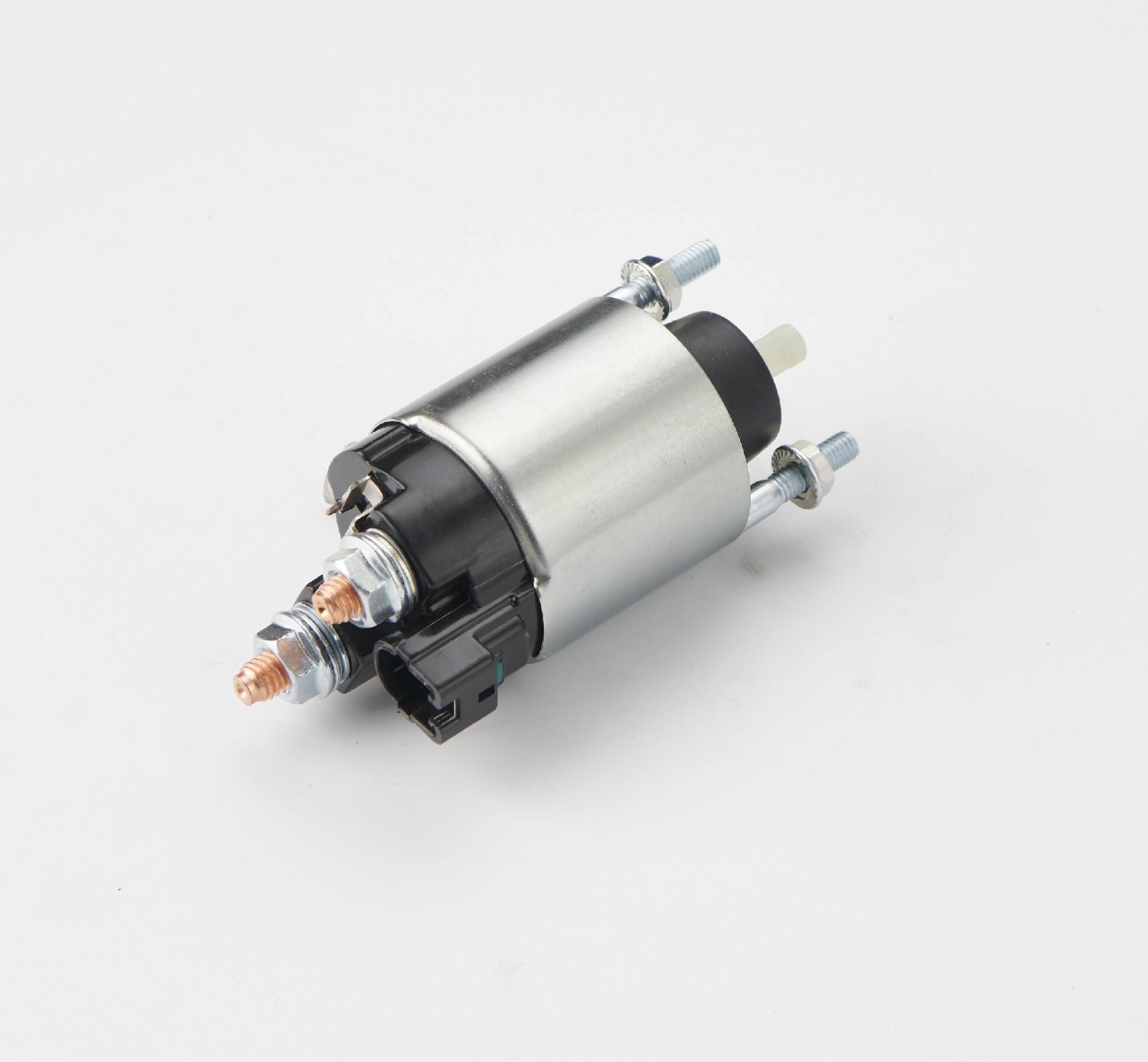
A malfunctioning 12v starter solenoid can leave you stranded with a vehicle that refuses to start, making it one of the most critical components in your automotive electrical system. This electromagnetic switch serves as the bridge between your ignition switch and starter motor, delivering the high current necessary to engage your engine. Understanding how to diagnose, troubleshoot, and replace a faulty 12v starter solenoid can save you significant time and money while ensuring reliable vehicle operation. Whether you're dealing with clicking sounds, intermittent starting issues, or complete starter failure, mastering this essential repair skill empowers you to maintain your vehicle's starting system effectively.
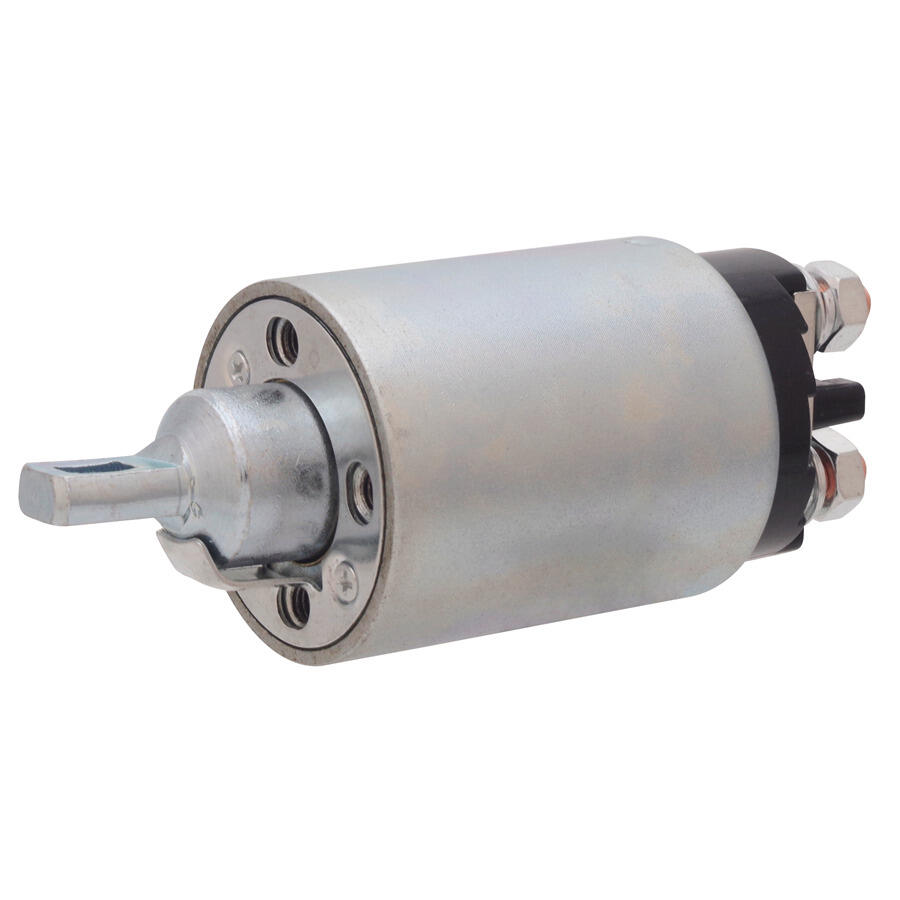
Understanding 12V Starter Solenoid Functionality
Basic Operating Principles
The 12v starter solenoid operates as an electromagnetic relay that controls the flow of electrical current from your battery to the starter motor. When you turn the ignition key, a small current flows through the solenoid's control circuit, creating a magnetic field that pulls a plunger mechanism. This action closes heavy-duty contacts inside the solenoid, allowing full battery voltage and current to reach the starter motor. The solenoid simultaneously engages a gear mechanism that extends the starter drive gear to mesh with the engine's flywheel ring gear.
Most automotive applications utilize a 12v starter solenoid mounted directly on the starter motor assembly, creating a compact and efficient starting system. The solenoid housing contains both the electromagnetic coil and the mechanical switching contacts, designed to handle hundreds of amperes of current flow. Understanding this fundamental operation helps diagnose problems and select appropriate replacement components when repairs become necessary.
Common Failure Modes
Starter solenoid failures typically manifest in several distinct patterns that experienced mechanics learn to recognize quickly. Contact welding occurs when the internal switching contacts become permanently fused together, causing the starter to remain engaged even after releasing the ignition key. This dangerous condition can damage both the starter motor and flywheel if not addressed immediately. Conversely, contact erosion prevents proper electrical connection, resulting in clicking sounds without starter motor engagement.
Coil failures represent another common failure mode where the electromagnetic winding develops open circuits or short circuits. Open coil circuits prevent the solenoid from activating entirely, while short circuits may cause excessive current draw and rapid battery drainage. Environmental factors such as heat, moisture, and vibration accelerate these failure modes, making regular inspection and maintenance essential for reliable 12v starter solenoid operation.
Diagnostic Procedures and Testing Methods
Visual Inspection Techniques
Beginning your diagnostic process with a thorough visual inspection often reveals obvious problems with your 12v starter solenoid before conducting electrical tests. Examine the solenoid housing for physical damage, corrosion, or heat discoloration that might indicate overheating or electrical arcing. Check all electrical connections for looseness, corrosion, or damage, paying particular attention to the large battery cable connections and smaller control wire terminals.
Look for signs of electrical arcing or burning around terminal connections, which often appear as blackened or melted plastic components. Inspect the solenoid mounting hardware to ensure secure attachment to the starter motor or firewall, depending on your vehicle's configuration. Document any abnormalities discovered during visual inspection, as these observations guide subsequent electrical testing procedures and help identify root causes of solenoid failures.
Electrical Testing Procedures
Systematic electrical testing provides definitive diagnosis of 12v starter solenoid problems using basic automotive test equipment. Begin by measuring battery voltage with the engine off and all accessories disabled to establish baseline electrical conditions. Connect a digital multimeter between the solenoid's input and output terminals while observing voltage readings during attempted starting sequences. A properly functioning solenoid should show minimal voltage drop across its main contacts during operation.
Test the control circuit by measuring voltage at the solenoid's trigger terminal while turning the ignition switch to the start position. This measurement should indicate full battery voltage when the ignition switch activates the starting circuit. Use a test light or multimeter to verify ground circuit continuity and identify potential wiring problems that could prevent proper 12v starter solenoid operation throughout the diagnostic process.
Step-by-Step Replacement Procedures
Preparation and Safety Measures
Proper preparation ensures safe and efficient 12v starter solenoid replacement while preventing damage to surrounding components or personal injury. Disconnect the negative battery cable first, followed by the positive cable, to eliminate electrical hazards during the replacement process. Allow the engine to cool completely if recent operation has occurred, as starter components can retain significant heat for extended periods after engine shutdown.
Gather appropriate tools including wrenches, sockets, electrical terminal pullers, and safety equipment such as gloves and eye protection. Raise and secure the vehicle using proper jack stands if accessing the starter requires working underneath the vehicle. Clean the work area around the starter assembly to prevent debris from contaminating electrical connections or falling into engine components during the replacement procedure.
Removal and Installation Steps
Document the original wiring configuration by photographing or sketching electrical connections before removing any cables from your 12v starter solenoid. Remove the starter motor assembly if the solenoid requires replacement as an integral unit, or access individual solenoid mounting hardware for separate replacement. Carefully disconnect all electrical connections using appropriate tools to prevent damage to terminal threads or connection points.
Install the replacement 12v starter solenoid by reversing the removal process, ensuring proper torque specifications for all mounting hardware and electrical connections. Apply appropriate thread-locking compounds where specified by manufacturer recommendations, and route wiring harnesses to prevent interference with moving engine components. Verify proper clearances around the solenoid assembly before proceeding to electrical reconnection and system testing phases of the replacement procedure.
Performance Optimization and Maintenance
Preventive Maintenance Strategies
Regular preventive maintenance significantly extends 12v starter solenoid service life while reducing unexpected failures that leave vehicles inoperative. Schedule periodic inspection of all electrical connections associated with the starting system, including battery terminals, starter cables, and solenoid mounting points. Clean corrosion from electrical connections using appropriate solvents and protective sprays designed for automotive electrical systems.
Monitor starting system performance by observing cranking speed, starter engagement sounds, and ignition response times during routine vehicle operation. Document any changes in starting characteristics that might indicate developing problems with the 12v starter solenoid or related components. Address minor issues promptly before they develop into major failures requiring emergency repairs or roadside assistance services.
Troubleshooting Common Issues
Intermittent starting problems often indicate marginal 12v starter solenoid performance that requires systematic troubleshooting to identify underlying causes. Temperature-related failures suggest internal component degradation that becomes more pronounced under thermal stress conditions. Test the solenoid operation under various temperature conditions to isolate temperature-sensitive failure modes and determine appropriate repair strategies.
Rapid clicking sounds during attempted starting typically indicate insufficient current flow through the solenoid contacts or inadequate battery voltage supply. Verify battery condition and charging system output before concluding that solenoid replacement is necessary. Consider load testing the entire starting system under actual operating conditions to identify marginal components that contribute to starting system problems beyond simple solenoid failures.
Advanced Technical Considerations
Solenoid Specifications and Compatibility
Selecting the correct replacement 12v starter solenoid requires understanding critical specifications that ensure proper compatibility with your vehicle's starting system. Verify current rating specifications to ensure the replacement solenoid can handle your starter motor's electrical demands without overheating or premature failure. Check mounting configuration and terminal arrangements to guarantee physical compatibility with existing wiring harnesses and mounting brackets.
Consider environmental operating conditions when selecting replacement components, particularly for vehicles operated in extreme temperature ranges or harsh duty applications. Heavy-duty 12v starter solenoid designs incorporate enhanced contact materials and improved coil insulation systems that provide superior performance under demanding operating conditions. Consult manufacturer specifications and application guides to identify optimal replacement components for your specific vehicle and operating requirements.
Integration with Modern Vehicle Systems
Contemporary vehicles integrate starting system controls with sophisticated engine management and security systems that affect 12v starter solenoid operation and replacement procedures. Anti-theft systems may require specific initialization procedures following solenoid replacement to restore proper system operation. Remote starting systems impose additional electrical loads and duty cycles that influence solenoid selection and installation requirements.
Hybrid and electric vehicle applications utilize specialized starting system configurations that modify traditional 12v starter solenoid applications and replacement procedures. Understand system integration requirements and follow manufacturer-specific procedures to ensure proper operation and warranty compliance when working with advanced vehicle electrical systems. Consider professional consultation for complex installations involving integrated control systems or specialized vehicle configurations.
FAQ
How long does a 12v starter solenoid typically last?
A quality 12v starter solenoid typically lasts between 100,000 to 150,000 miles under normal operating conditions, though this lifespan varies significantly based on environmental factors, maintenance practices, and vehicle usage patterns. Vehicles operated in extreme temperatures, dusty conditions, or frequent short-trip driving may experience shorter solenoid life due to increased thermal cycling and contamination exposure. Regular maintenance and prompt attention to starting system issues can extend solenoid life well beyond average expectations.
Can I replace a 12v starter solenoid without removing the entire starter motor?
Many vehicles allow independent 12v starter solenoid replacement without starter motor removal, particularly those with externally mounted solenoids on the firewall or fender well. However, most modern vehicles integrate the solenoid directly into the starter motor assembly, requiring complete starter removal for solenoid access. Consult your vehicle's service manual to determine the specific configuration and replacement procedures for your particular application before beginning any repair work.
What causes repeated 12v starter solenoid failures?
Repeated 12v starter solenoid failures often indicate underlying electrical system problems such as inadequate battery capacity, poor electrical connections, or excessive starter motor current draw caused by mechanical problems. Voltage drops in the electrical supply circuit force the solenoid to operate under marginal conditions, accelerating contact wear and coil degradation. Address root causes including battery condition, cable integrity, and starter motor mechanical condition to prevent recurring solenoid failures and ensure reliable starting system operation.
How do I know if my starter problem is the solenoid or the motor itself?
Distinguishing between 12v starter solenoid and motor failures requires systematic testing of both components under operating conditions. Solenoid problems typically produce clicking sounds without starter motor rotation, while motor failures may show solenoid engagement with weak or absent cranking action. Use voltage and current measurements across solenoid terminals and starter motor connections to isolate the failed component. A functional solenoid should show minimal voltage drop during operation, while a working starter motor draws consistent current levels during cranking sequences.