EN
EN



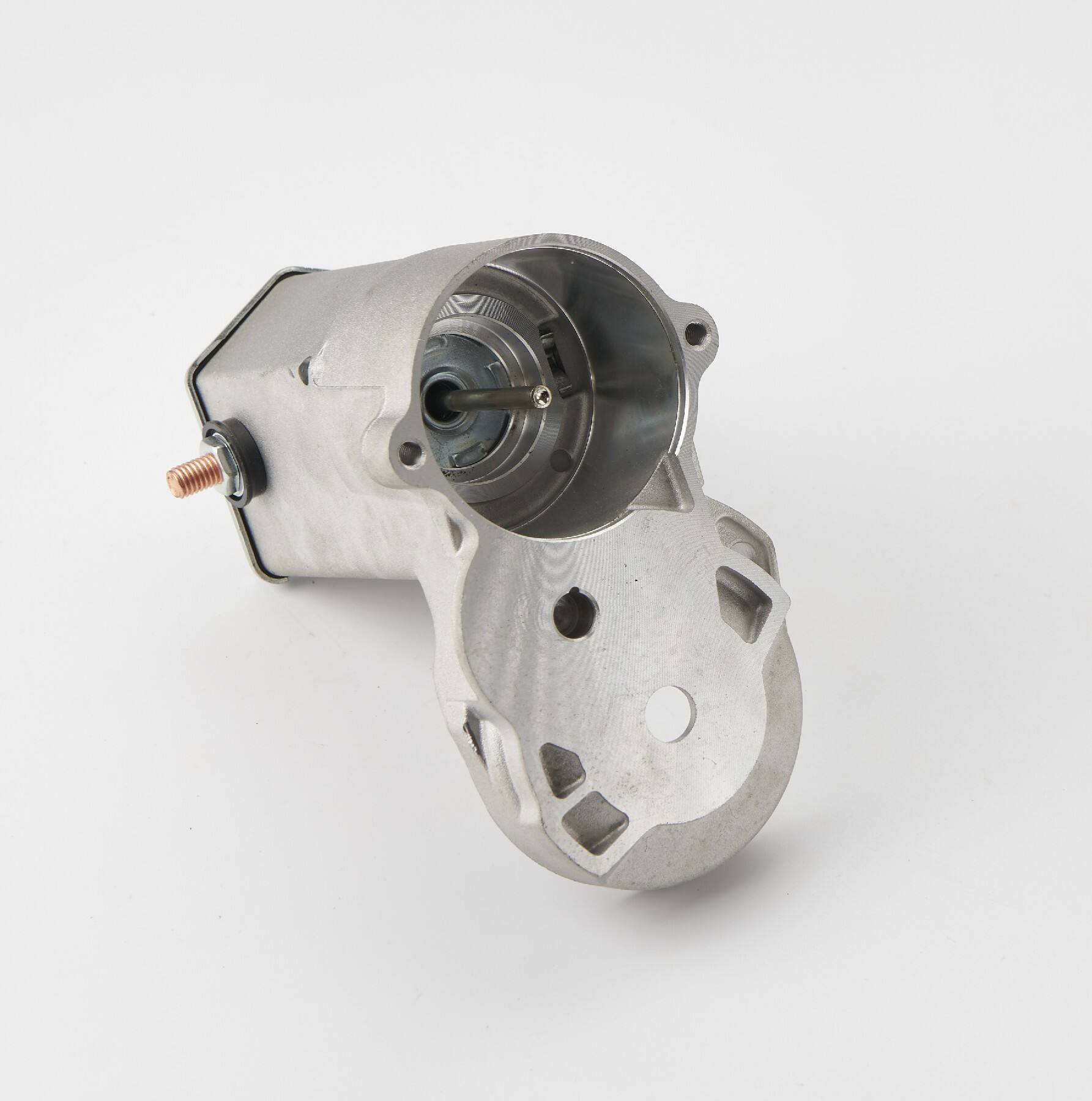
When your vehicle fails to start, the culprit often lies within the starting system, specifically the 12v starter solenoid. This critical component serves as the electrical bridge between your ignition switch and starter motor, controlling the high-amperage current required to engage your engine. Understanding the quality differences between various brands can save you from unexpected breakdowns and costly repairs. Modern automotive systems demand reliable solenoids that can withstand thousands of activation cycles while maintaining consistent performance across diverse operating conditions.
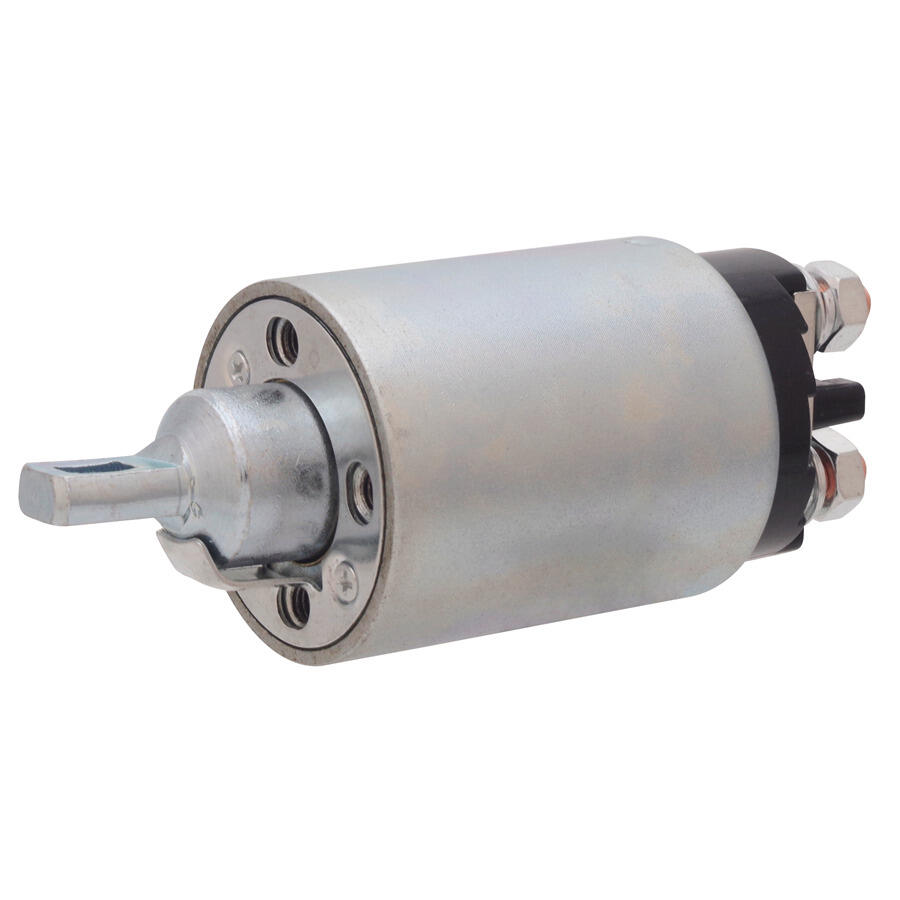
The starter solenoid market presents numerous options, each claiming superior performance and durability. However, not all solenoids deliver equal value or reliability. Professional mechanics and automotive enthusiasts recognize that selecting the right brand significantly impacts vehicle dependability and maintenance costs. Quality solenoids incorporate robust contact materials, precision-engineered housings, and advanced coil designs that ensure consistent operation even under extreme temperature variations and electrical load fluctuations.
Understanding 12V Starter Solenoid Functionality
Basic Operating Principles
A 12v starter solenoid operates through electromagnetic principles, utilizing a coil-activated plunger mechanism to complete high-current circuits. When you turn the ignition key, a small control current energizes the solenoid coil, creating a magnetic field that pulls the internal plunger forward. This action simultaneously closes the main contacts, allowing battery power to flow directly to the starter motor while engaging the starter drive gear with the flywheel ring gear. The dual-function design ensures proper timing and prevents damage to both starter components and engine components.
The electromagnetic coil within the solenoid consists of two separate windings: a pull-in coil and a hold-in coil. The pull-in coil draws higher initial current to overcome spring tension and move the plunger, while the hold-in coil maintains position with reduced power consumption. This sophisticated design minimizes electrical drain on the charging system while ensuring reliable engagement. Quality solenoids feature precise coil specifications that optimize magnetic force generation while preventing overheating during extended cranking periods.
Common Failure Modes and Symptoms
Solenoid failures typically manifest through several distinct symptoms that experienced technicians quickly recognize. Contact burning represents the most common failure mode, resulting from repeated high-current switching operations that gradually degrade the copper alloy surfaces. Burned contacts create resistance that reduces current flow to the starter motor, leading to slow cranking speeds or complete starting failure. Advanced solenoids incorporate silver-tungsten contacts that resist burning and maintain low resistance over extended service intervals.
Coil failures present another significant failure category, often caused by thermal stress, vibration damage, or moisture infiltration. Internal short circuits within the coil windings prevent proper magnetic field generation, while open circuits eliminate solenoid activation entirely. Environmental factors such as engine bay heat, road salt exposure, and moisture accumulation accelerate coil degradation in lower-quality units. Premium 12v starter solenoid designs feature enhanced insulation systems and hermetic sealing that protect internal components from harsh operating environments.
Top Brand Analysis and Performance Comparison
Premium Tier Manufacturers
Leading automotive component manufacturers have established themselves through decades of innovation and quality control in the starter solenoid segment. Bosch maintains its reputation through advanced materials research and precision manufacturing processes that deliver exceptional reliability across diverse vehicle applications. Their solenoids feature corrosion-resistant housings, high-temperature coil insulation, and contact materials specifically engineered for automotive duty cycles. Professional installers frequently recommend Bosch units for critical applications where failure consequences are severe.
ACDelco represents General Motors' original equipment heritage, offering solenoids that meet strict automotive manufacturer specifications. Their engineering teams collaborate directly with vehicle designers to optimize solenoid performance for specific engine configurations and electrical system characteristics. ACDelco solenoids undergo extensive testing protocols that simulate real-world operating conditions, including temperature cycling, vibration exposure, and electrical stress scenarios. This comprehensive validation ensures consistent performance throughout the intended service life.
Mid-Range Options with Proven Track Records
Standard Motor Products has built a solid reputation in the aftermarket segment by focusing on value-oriented solutions without compromising essential quality standards. Their 12v starter solenoid offerings provide reliable performance for typical passenger vehicle applications while maintaining competitive pricing structures. The company invests in modern manufacturing equipment and quality control systems that ensure consistent product specifications across production runs. Many independent repair facilities stock Standard Motor Products solenoids as their primary recommendation for cost-conscious customers.
Wells Vehicle Electronics combines traditional solenoid expertise with modern electronic integration capabilities. Their products serve both conventional starting systems and advanced start-stop technologies found in newer vehicles. Wells solenoids incorporate enhanced electromagnetic designs that reduce power consumption while maintaining strong engagement force. The company's technical support resources help installers select appropriate solenoids for specific vehicle configurations and troubleshoot installation challenges.
Technical Specifications and Performance Metrics
Electrical Characteristics and Ratings
Professional-grade solenoids specify precise electrical parameters that determine compatibility and performance in automotive applications. Pull-in coil resistance typically ranges from 0.5 to 1.2 ohms, while hold-in coil resistance measures between 1.8 and 3.0 ohms depending on design requirements. These resistance values directly affect current draw and magnetic force generation, influencing both cranking performance and electrical system loading. Quality manufacturers provide detailed specification sheets that enable proper application matching and system integration.
Contact ratings represent another critical specification category, with most automotive solenoids designed to handle 200 to 400 amperes of starter motor current. Premium units often exceed these minimum requirements, incorporating oversized contacts that reduce resistance and extend service life. Temperature ratings typically span from -40°F to 200°F, accommodating diverse climate conditions and engine bay environments. The most reliable 12v starter solenoid designs include additional safety margins that ensure operation beyond these specified limits.
Mechanical Construction and Durability Features
Housing materials significantly influence solenoid longevity and environmental resistance in automotive applications. Cast aluminum housings provide excellent heat dissipation while resisting corrosion from road chemicals and moisture exposure. Steel housings offer superior mechanical strength but require protective coatings to prevent rust formation. Premium solenoids often combine multiple materials, utilizing aluminum for the main body with steel reinforcements in high-stress areas. This hybrid approach optimizes both thermal performance and mechanical durability.
Internal component quality varies considerably between manufacturers, affecting both initial performance and long-term reliability. High-grade solenoids incorporate precision-ground plunger assemblies that minimize friction and wear during operation. Spring materials and heat treatment processes determine engagement force consistency over thousands of activation cycles. Quality control procedures during assembly ensure proper alignment and clearances that prevent binding or premature wear. These manufacturing details distinguish premium solenoids from economy alternatives in demanding automotive applications.
Installation Considerations and Best Practices
Proper Mounting and Electrical Connections
Successful solenoid installation requires attention to mounting orientation, electrical connections, and environmental protection. Most automotive applications mount the solenoid directly to the starter motor housing using threaded studs or bolt-on brackets. Proper torque specifications prevent loosening from engine vibration while avoiding over-tightening that could damage component threads. Some installations require remote mounting to accommodate packaging constraints or heat management requirements, necessitating additional wiring harness considerations.
Electrical connection integrity directly affects 12v starter solenoid performance and reliability over time. Battery cable terminals must maintain clean, tight connections to minimize voltage drop and prevent overheating during high-current operation. Ignition switch wiring requires proper gauge selection and secure termination to ensure reliable control signal delivery. Many installation failures result from inadequate wire routing that exposes connections to heat, moisture, or mechanical damage. Professional installers use heat-resistant wire loom and protective coverings in critical areas.
Testing and Validation Procedures
Post-installation testing confirms proper solenoid operation and identifies potential system issues before they cause service interruptions. Basic functionality tests involve measuring coil resistance with a digital multimeter, comparing results against manufacturer specifications. Dynamic testing under actual cranking conditions reveals performance characteristics that static measurements cannot detect. Professional diagnostic equipment can monitor current draw, voltage drop, and engagement timing during starter operation.
Comprehensive system validation includes checking related components that affect solenoid performance and longevity. Battery condition, alternator output, and cable integrity all influence starting system operation and solenoid loading. Weak batteries force solenoids to operate at reduced voltage levels that may prevent proper engagement or cause excessive current draw. Corroded cables increase circuit resistance, creating voltage drops that affect both solenoid activation and starter motor performance. Addressing these system-wide factors ensures optimal solenoid operation and maximum service life.
Maintenance and Troubleshooting Guidelines
Preventive Maintenance Strategies
Regular maintenance procedures can significantly extend 12v starter solenoid service life while preventing unexpected failures. Visual inspection schedules should include checking for corrosion, loose connections, and physical damage that might affect operation. Battery terminal cleaning removes corrosive buildup that increases circuit resistance and forces solenoids to work harder during activation. Periodic load testing identifies gradual performance degradation before complete failure occurs, allowing planned replacement during convenient service intervals.
Environmental protection measures help preserve solenoid integrity in harsh operating conditions. Dielectric grease application on electrical connections prevents moisture infiltration and corrosion formation. Heat shields protect solenoids from excessive exhaust manifold temperatures that can accelerate coil degradation. Regular engine compartment cleaning removes salt accumulation and chemical residues that attack metal components over time. These simple maintenance steps provide significant returns in terms of component longevity and system reliability.
Diagnostic Procedures and Troubleshooting
Systematic diagnostic approaches help technicians quickly identify solenoid-related starting problems and implement appropriate solutions. Voltage testing at the solenoid terminals during cranking attempts reveals whether control signals and power supply reach the component properly. Resistance measurements across the main contacts indicate contact condition and help predict remaining service life. Current draw monitoring during activation identifies coil problems or mechanical binding that affects operation.
Advanced diagnostic techniques utilize oscilloscope analysis to examine solenoid activation patterns and timing characteristics. These detailed measurements reveal subtle performance issues that basic testing methods might miss. Pattern analysis helps distinguish between solenoid problems and related system faults such as starter motor defects or flywheel ring gear damage. Professional diagnostic equipment provides the measurement accuracy and analysis capabilities required for efficient troubleshooting in modern automotive service environments.
Cost-Benefit Analysis and Selection Criteria
Total Cost of Ownership Considerations
Evaluating solenoid options requires analyzing total ownership costs rather than focusing solely on initial purchase price. Premium units typically command higher upfront costs but deliver extended service intervals that reduce replacement frequency and associated labor expenses. Economy solenoids may appear attractive initially, but shorter service life and higher failure rates often result in increased total costs over the vehicle's lifetime. Fleet operators and professional service providers particularly benefit from investing in higher-quality components that minimize unexpected downtime.
Labor costs represent a significant portion of starter system maintenance expenses, making reliability a crucial selection factor. Failed 12v starter solenoid replacements often require emergency service calls that command premium labor rates and disrupt normal schedules. Quality solenoids that provide predictable service intervals allow planned maintenance scheduling during convenient times when labor rates are lower. Additional benefits include reduced warranty claim processing costs and improved customer satisfaction through decreased service interruptions.
Application-Specific Selection Guidelines
Different vehicle applications place varying demands on starter solenoids, requiring tailored selection approaches for optimal results. High-performance engines with elevated compression ratios generate increased starter motor loads that demand solenoids with enhanced current-carrying capacity. Commercial vehicles operating in severe-duty cycles benefit from industrial-grade solenoids designed for frequent activation and extended operational life. Marine and off-road applications require specialized environmental protection features that standard automotive units may not provide.
Climate considerations influence solenoid selection in regions with extreme temperature variations or high moisture levels. Cold-weather applications require solenoids with low-temperature activation capabilities and materials that resist brittleness at sub-zero temperatures. Hot climate installations need enhanced thermal management features and high-temperature insulation systems. Coastal environments demand superior corrosion resistance through specialized coatings and sealing systems. Understanding these application-specific requirements ensures optimal solenoid performance across diverse operating conditions.
FAQ
How long should a quality 12V starter solenoid last in typical automotive service
A quality 12v starter solenoid typically provides 7-10 years of reliable service in normal passenger vehicle applications, translating to approximately 50,000-100,000 activation cycles. However, service life depends heavily on operating conditions, electrical system health, and component quality. Vehicles with frequent start-stop cycles, such as delivery trucks or taxi fleets, may require replacement every 3-5 years due to accelerated wear. Premium solenoids often exceed these typical intervals through enhanced materials and construction methods.
What symptoms indicate a failing starter solenoid versus other starting system problems
Failed starter solenoids produce distinct symptoms that help differentiate them from other starting system faults. A clicking sound without starter motor engagement typically indicates solenoid contact failure or insufficient coil activation. Complete silence when attempting to start often points to coil failure or control circuit problems. If the starter motor runs continuously without stopping when releasing the ignition key, solenoid contacts may be welded closed. These symptoms contrast with starter motor problems that produce grinding noises or slow cranking speeds.
Can I replace a starter solenoid myself or should I use professional installation
Many vehicle owners can successfully replace starter solenoids with basic hand tools and mechanical aptitude. The procedure typically involves disconnecting the battery, removing electrical connections, and unbolting the old solenoid from its mounting location. However, some installations require starter motor removal or working in confined spaces that challenge inexperienced mechanics. Professional installation ensures proper torque specifications, electrical connection integrity, and post-installation testing. Consider professional service for complex installations or when lacking proper diagnostic equipment.
Do aftermarket starter solenoids perform as well as original equipment parts
Quality aftermarket solenoids often match or exceed original equipment performance while providing cost advantages. Reputable aftermarket manufacturers invest in research and development that incorporates improvements over original designs. However, the aftermarket includes both premium and economy options, making brand selection critical. Stick with established manufacturers that provide detailed specifications and warranty coverage. Avoid generic or unbranded solenoids that may use inferior materials or lack quality control. Professional technicians often prefer certain aftermarket brands over original equipment for specific applications.
Table of Contents
- Understanding 12V Starter Solenoid Functionality
- Top Brand Analysis and Performance Comparison
- Technical Specifications and Performance Metrics
- Installation Considerations and Best Practices
- Maintenance and Troubleshooting Guidelines
- Cost-Benefit Analysis and Selection Criteria
-
FAQ
- How long should a quality 12V starter solenoid last in typical automotive service
- What symptoms indicate a failing starter solenoid versus other starting system problems
- Can I replace a starter solenoid myself or should I use professional installation
- Do aftermarket starter solenoids perform as well as original equipment parts