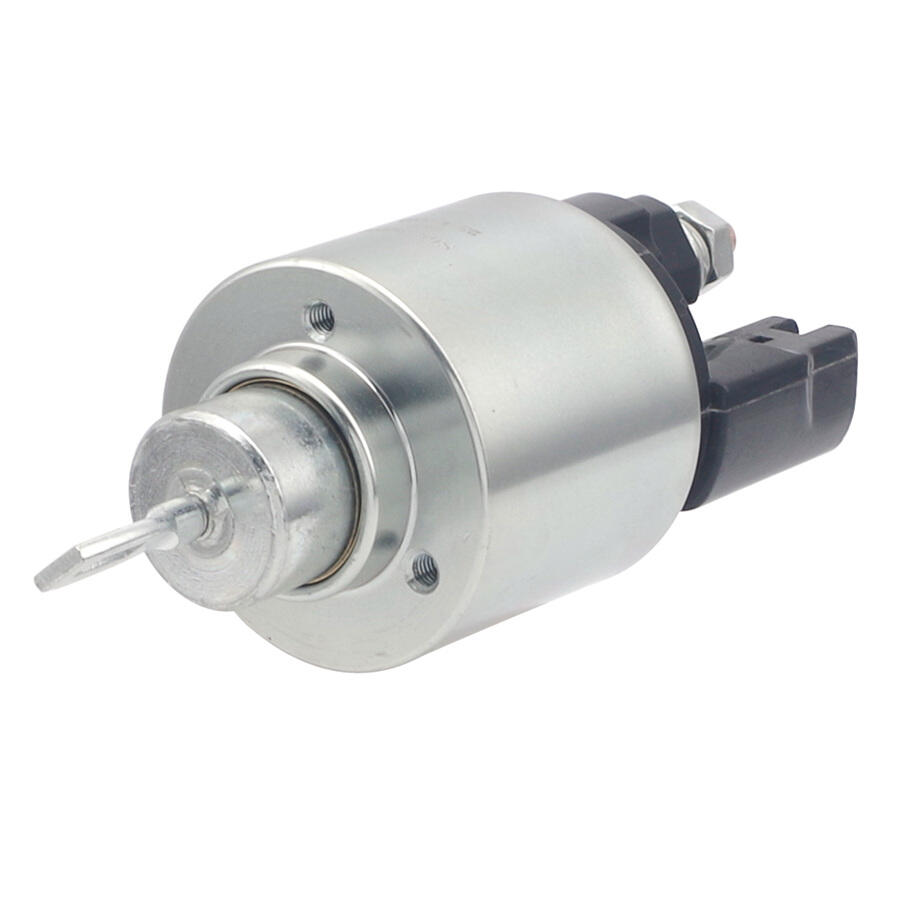
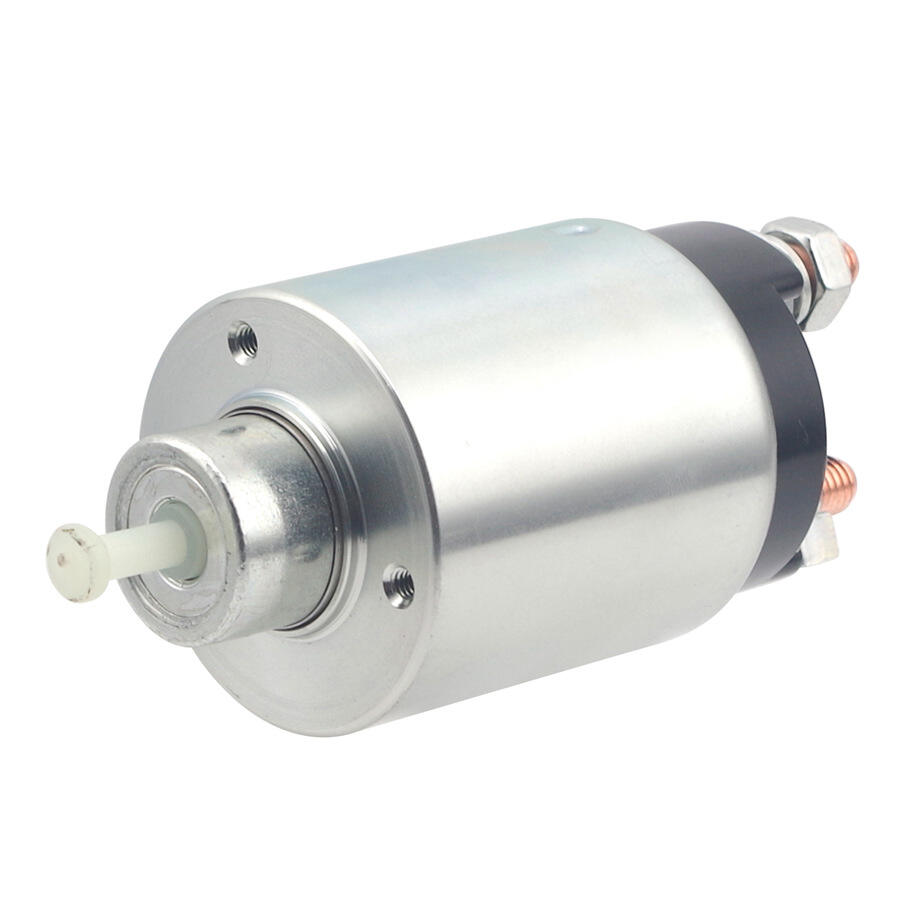
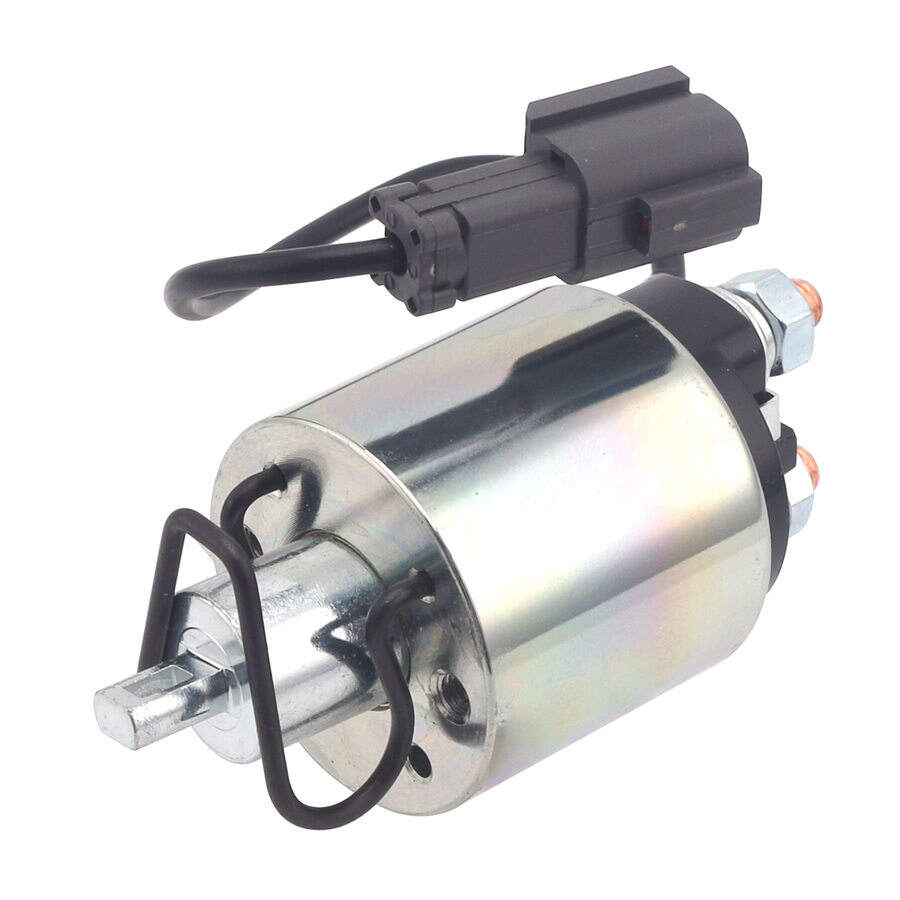
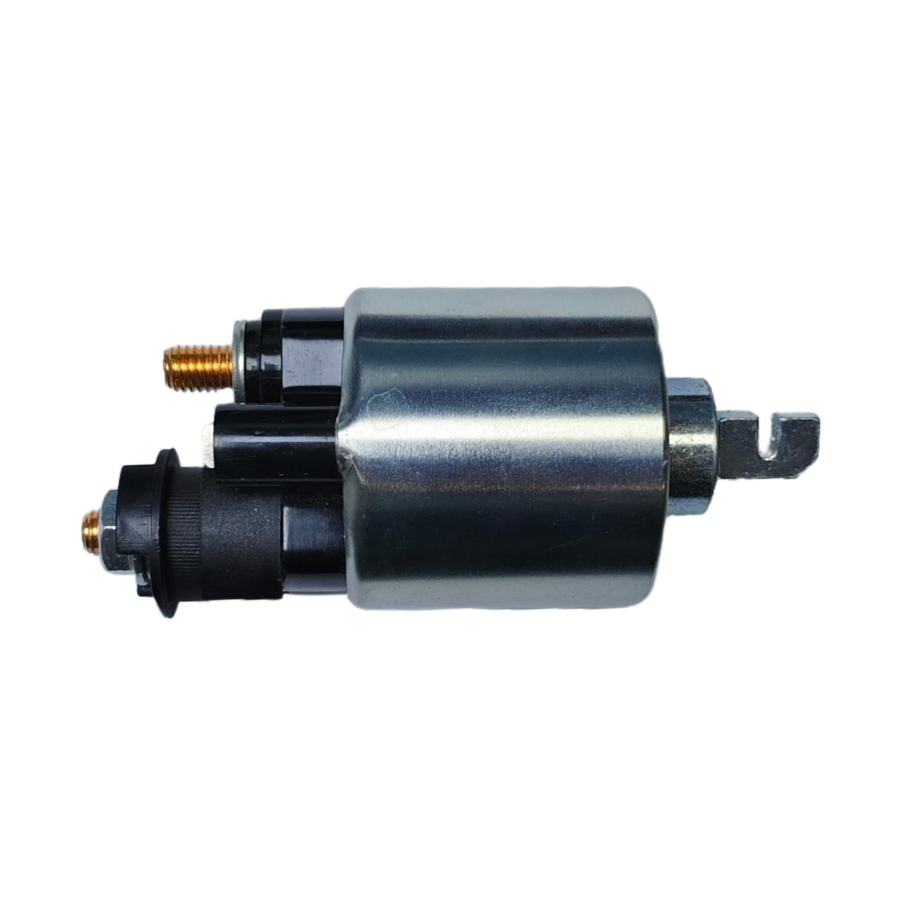
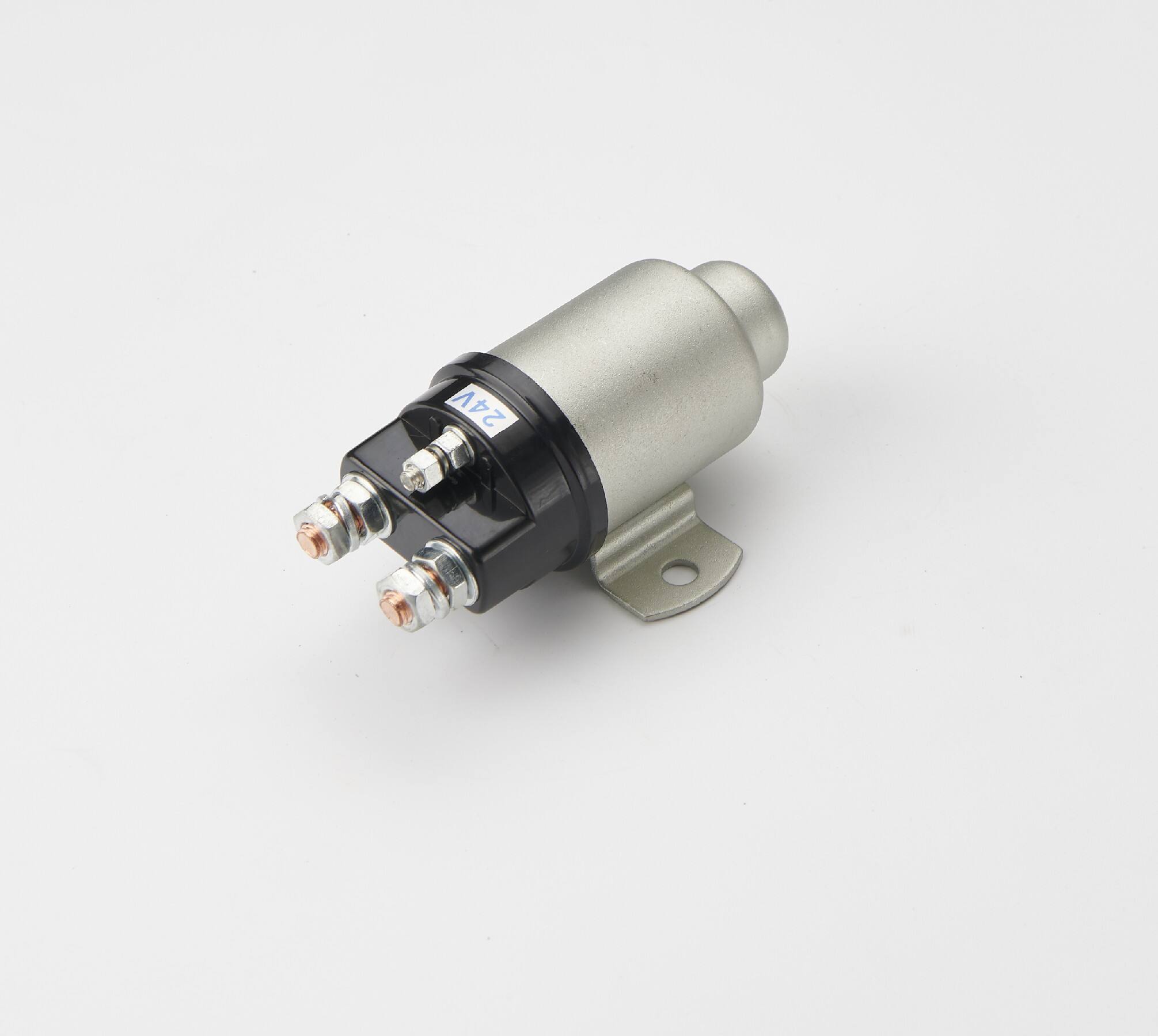
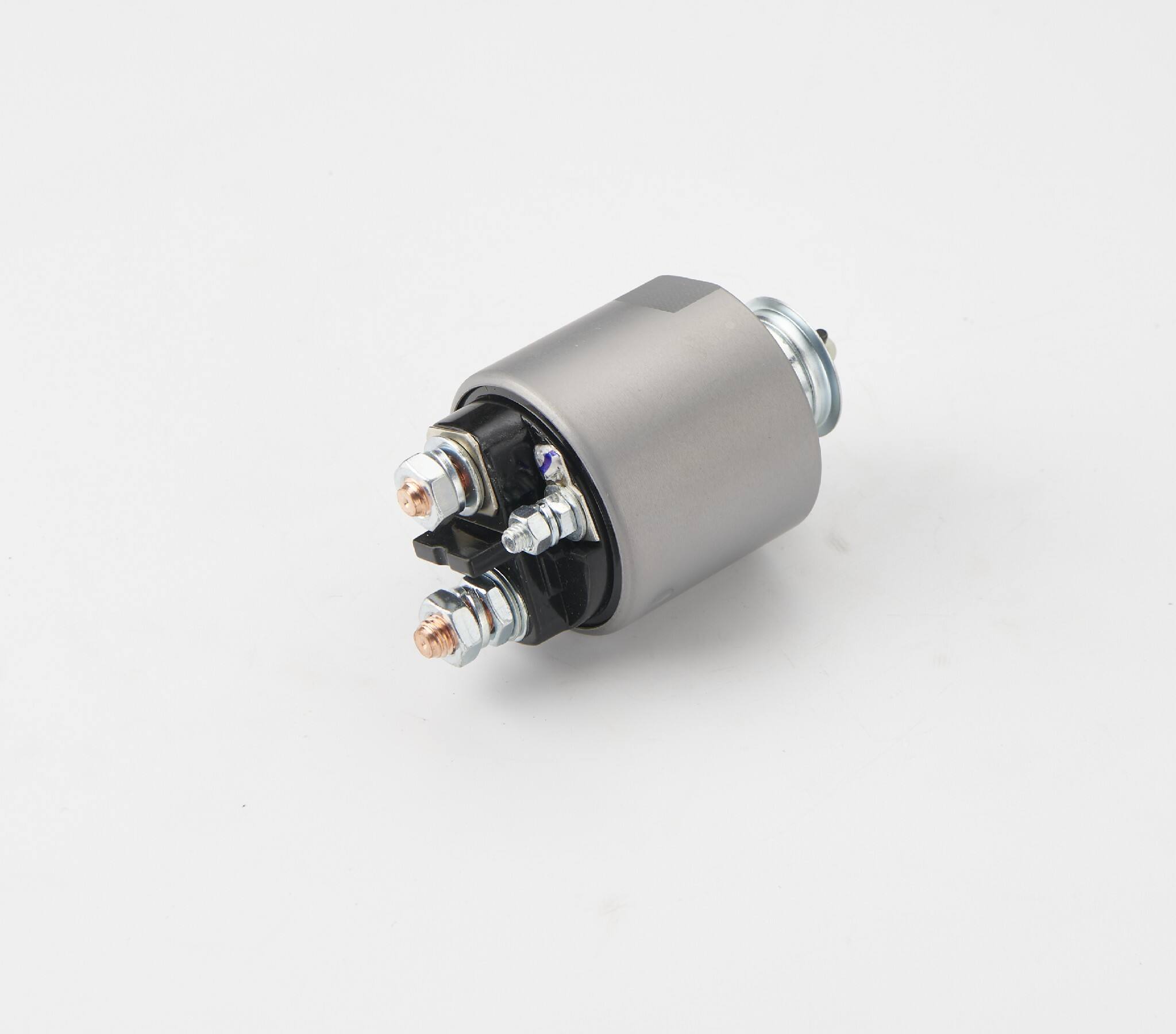
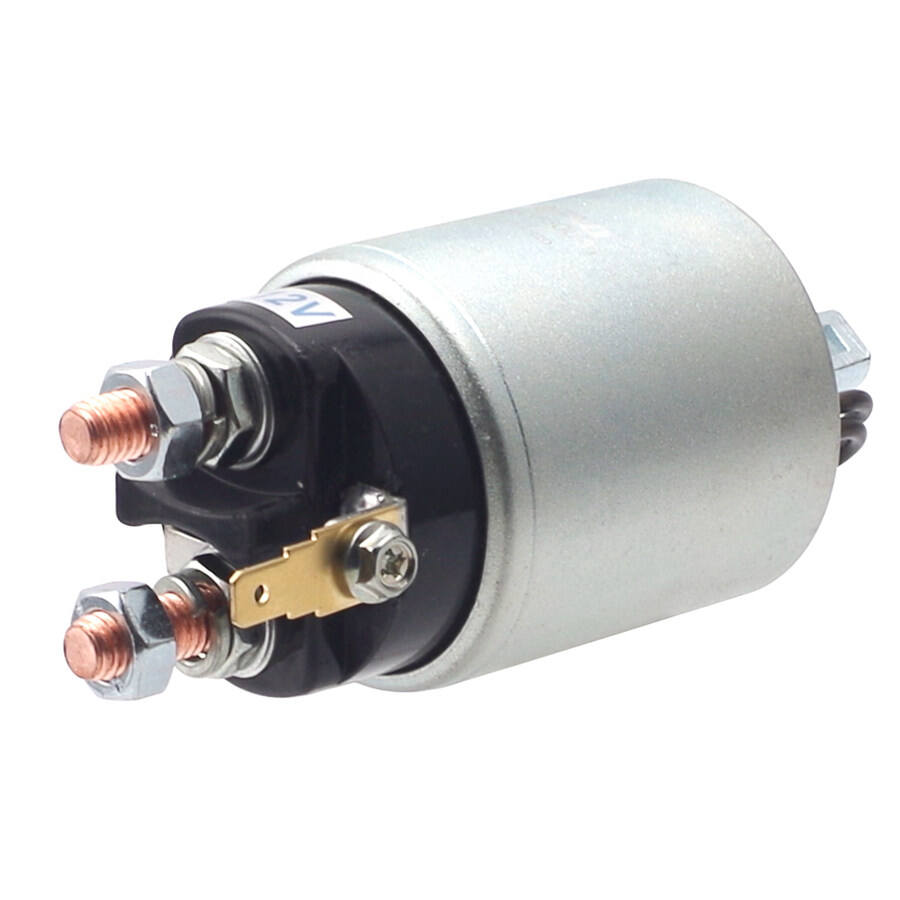
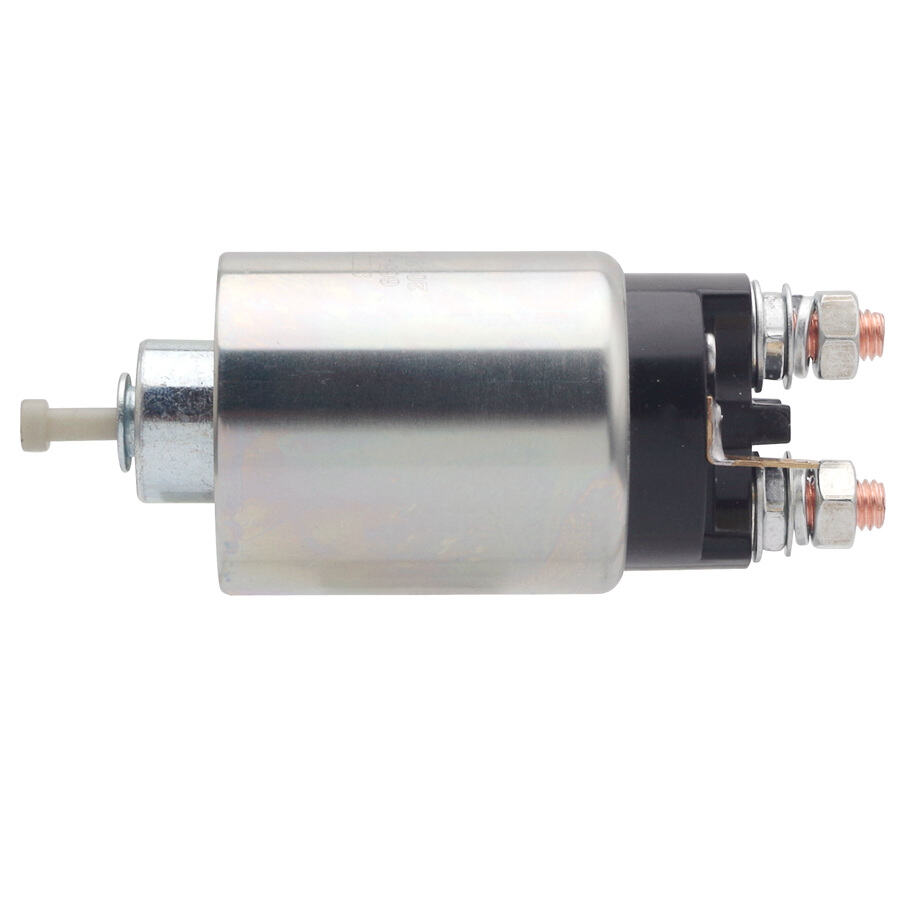
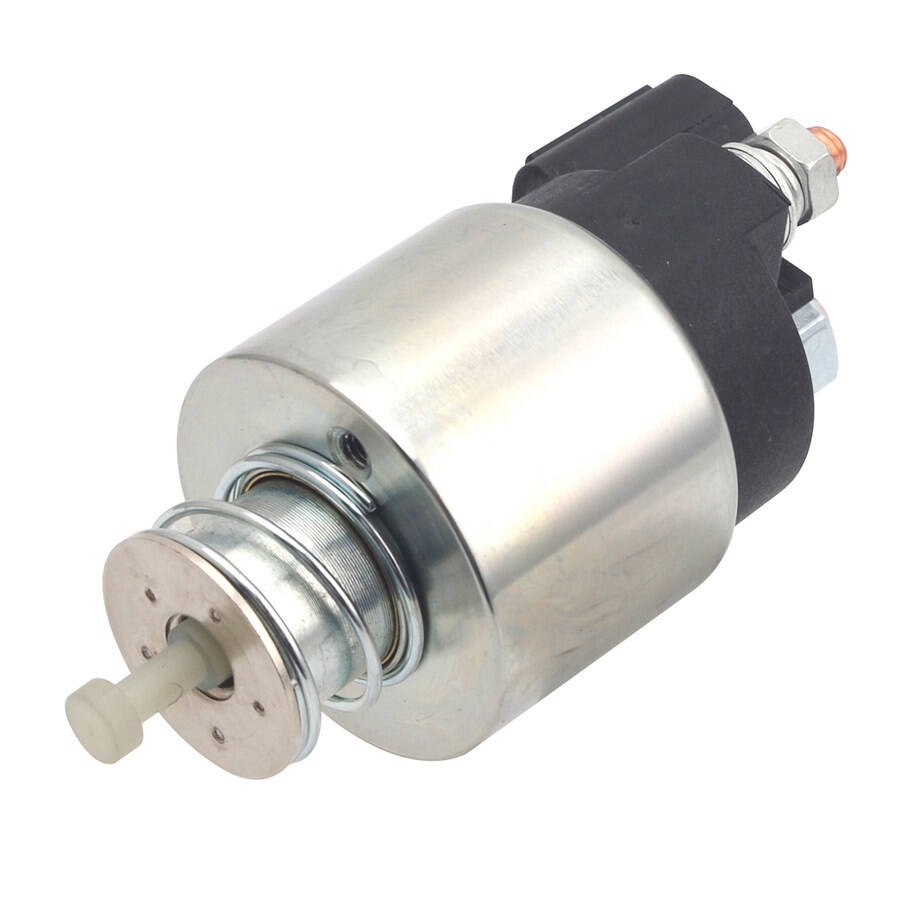
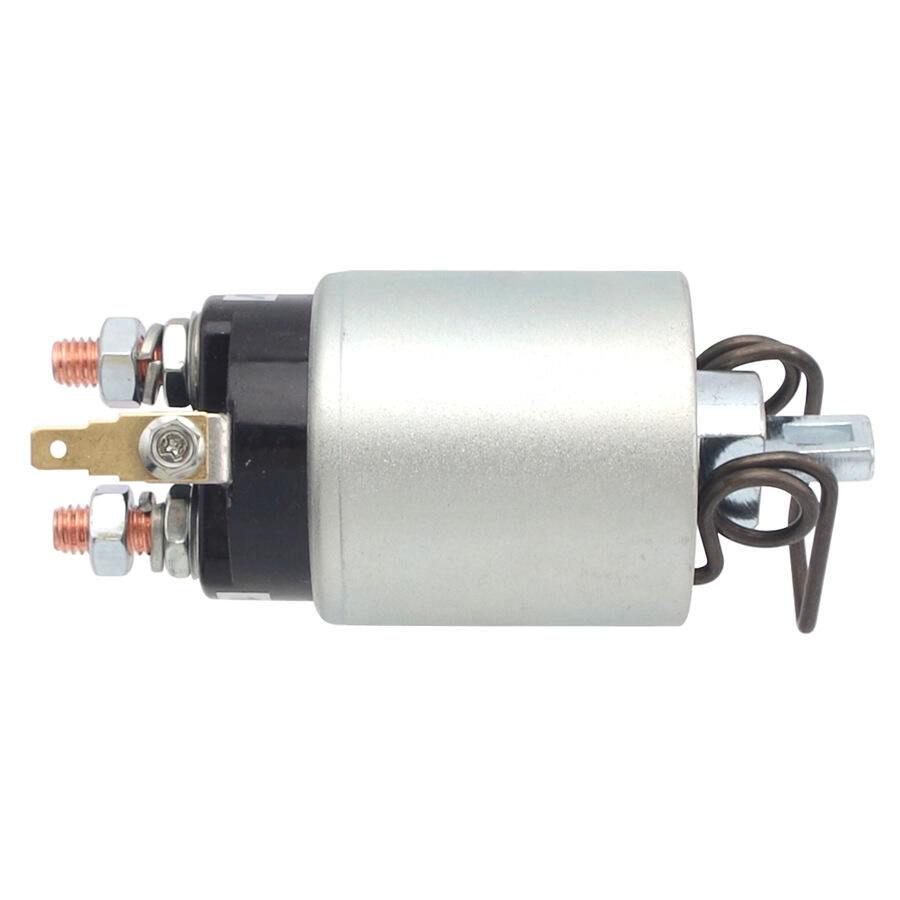
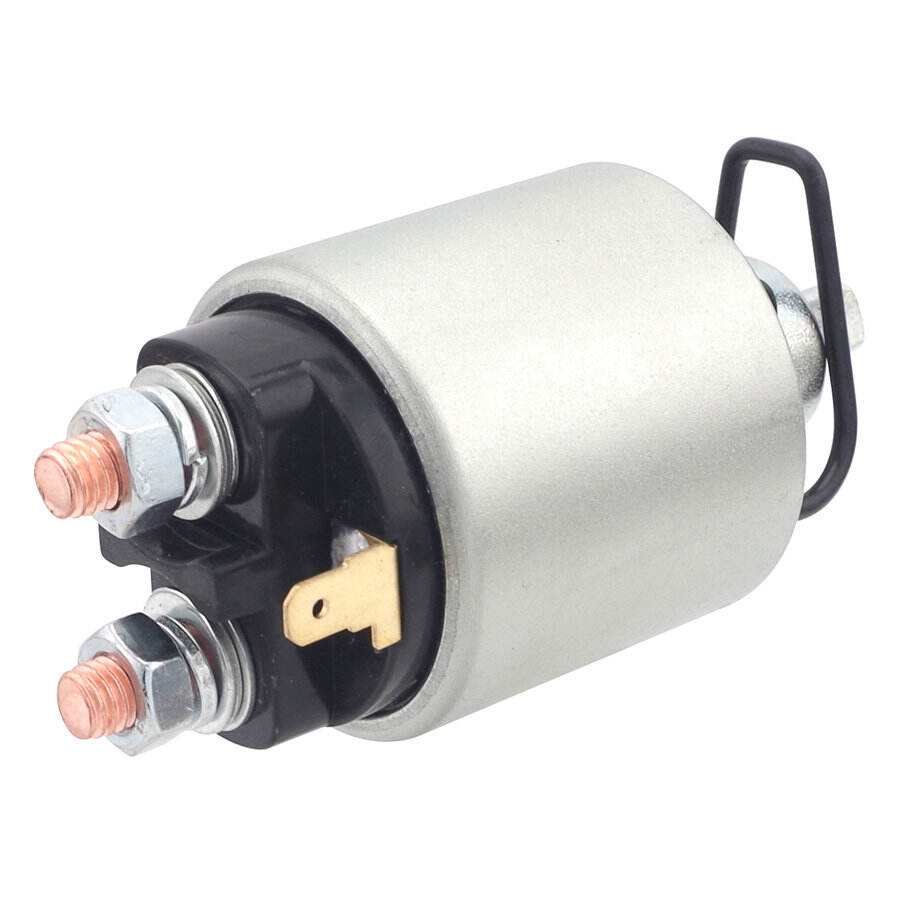
starter solenoid switch
The starter solenoid switch serves as a critical electromagnetic component in automotive electrical systems, acting as the primary interface between the ignition system and the starter motor. This sophisticated device combines relay functionality with mechanical engagement capabilities, enabling vehicles to start reliably and efficiently. The starter solenoid switch operates through electromagnetic principles, utilizing a copper coil wound around a movable iron core that creates magnetic fields when energized. When the ignition key activates the switch, electrical current flows through the solenoid coil, generating magnetic force that pulls the plunger inward. This mechanical action simultaneously closes heavy-duty contacts that deliver high amperage current directly from the battery to the starter motor while engaging the starter drive gear with the flywheel ring gear. The technological architecture of the starter solenoid switch incorporates multiple contact points designed to handle different electrical loads. Primary contacts manage the high-current pathway between battery and starter motor, typically handling 200-400 amperes during cranking operations. Secondary contacts control auxiliary circuits, including ignition bypass functions and starter relay operations. Modern starter solenoid switches feature enhanced materials engineering, utilizing silver-plated copper contacts for superior conductivity and corrosion resistance. Heat-resistant housings protect internal components from engine bay temperature extremes, while sealed designs prevent moisture and contaminant ingress. Applications span across automotive, marine, agricultural, and industrial sectors where reliable engine starting remains essential. The starter solenoid switch proves indispensable in passenger vehicles, commercial trucks, boats, tractors, generators, and construction equipment. Its compact design allows flexible mounting options while maintaining robust performance under demanding operational conditions. Advanced variants incorporate electronic control interfaces, enabling integration with modern engine management systems and anti-theft mechanisms.
 EN
EN