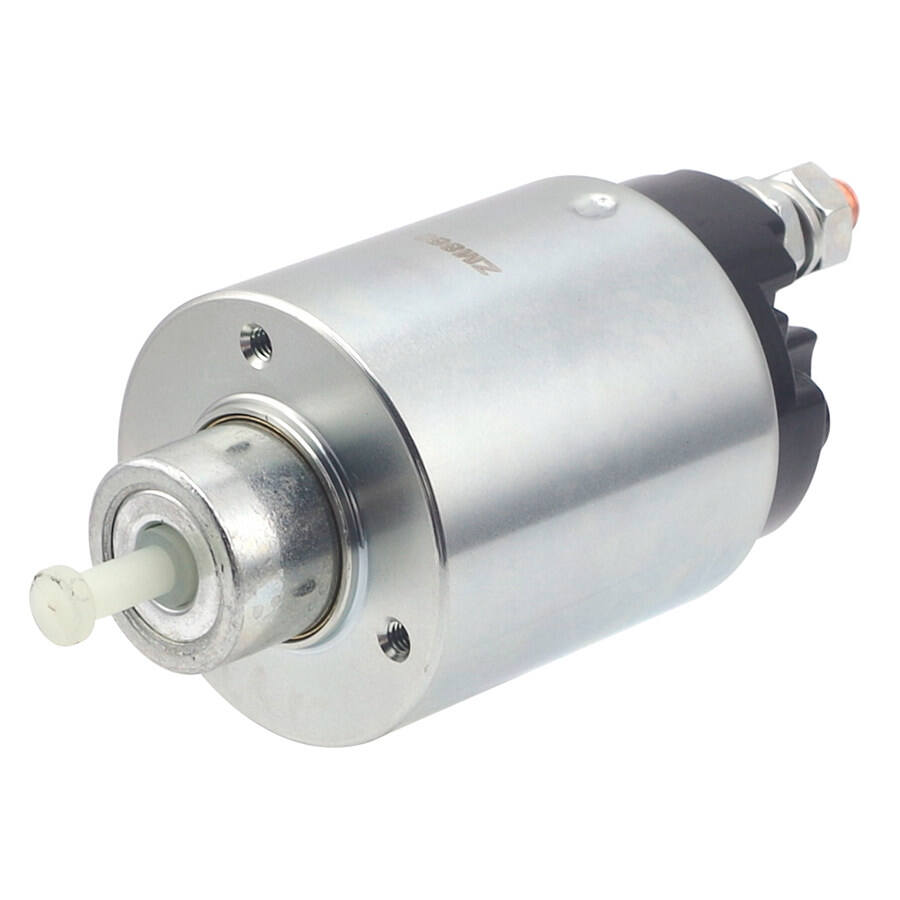
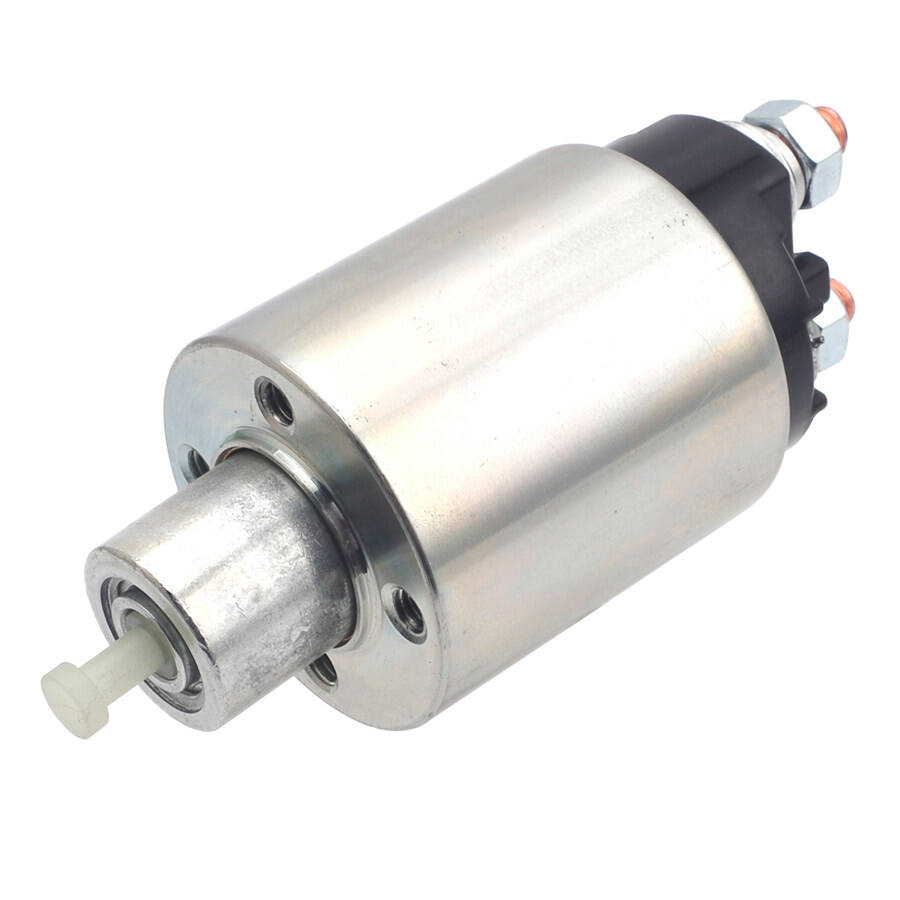
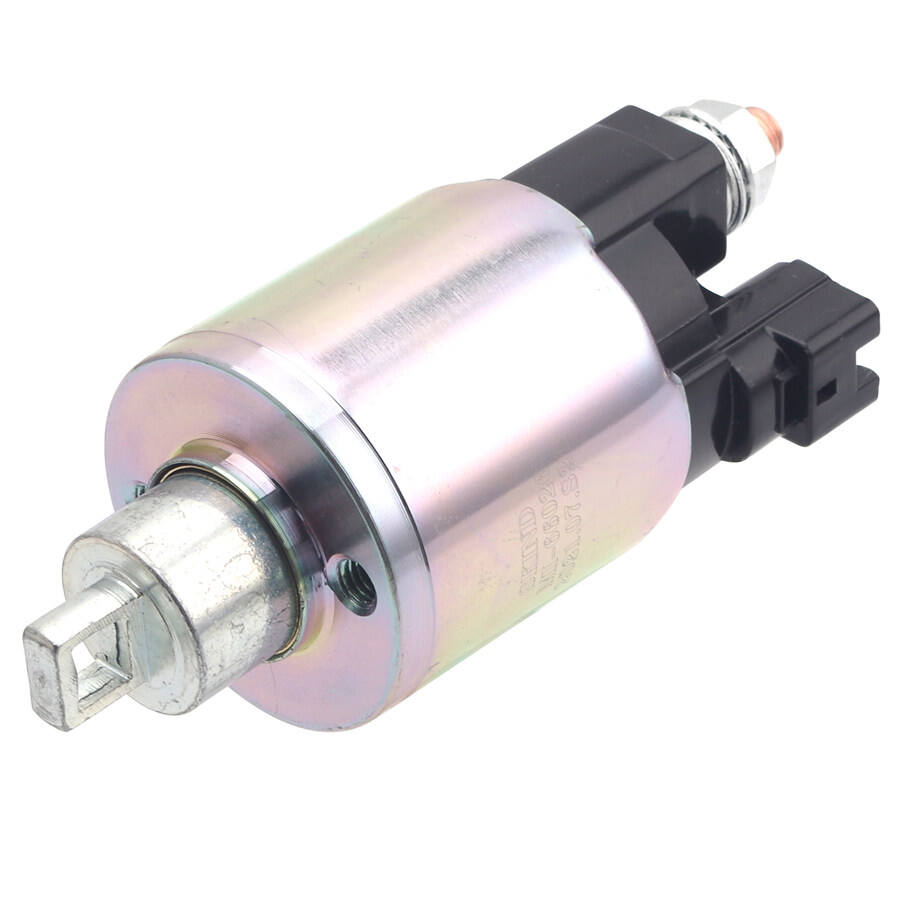
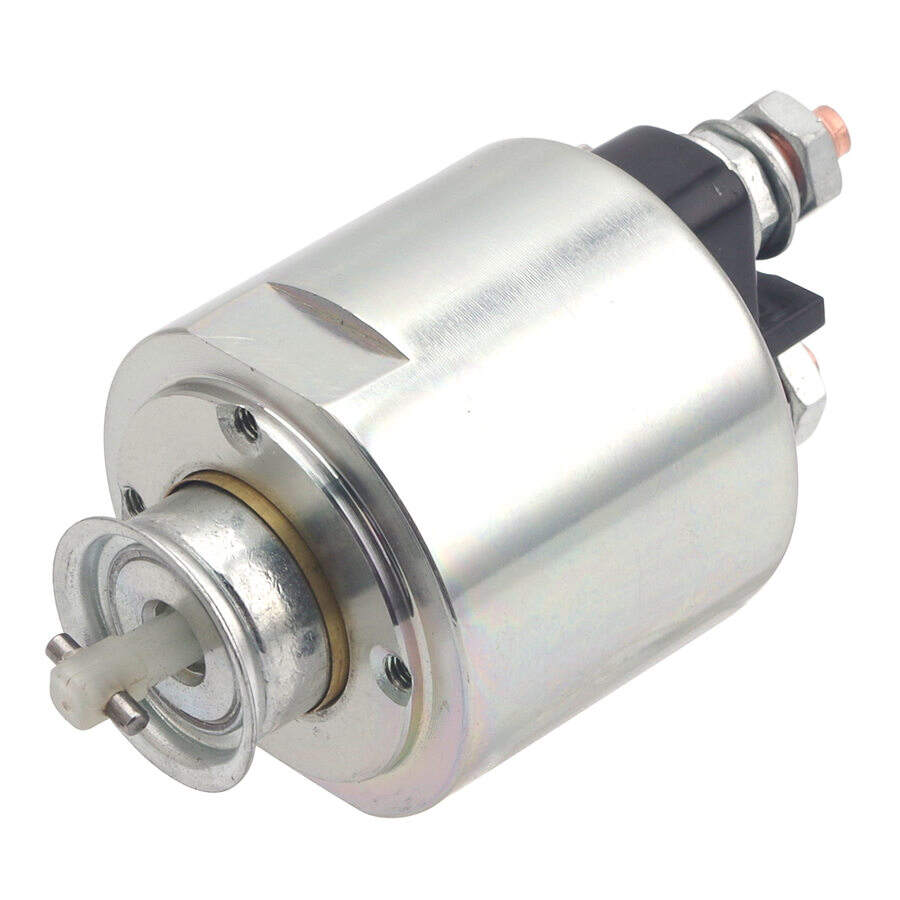
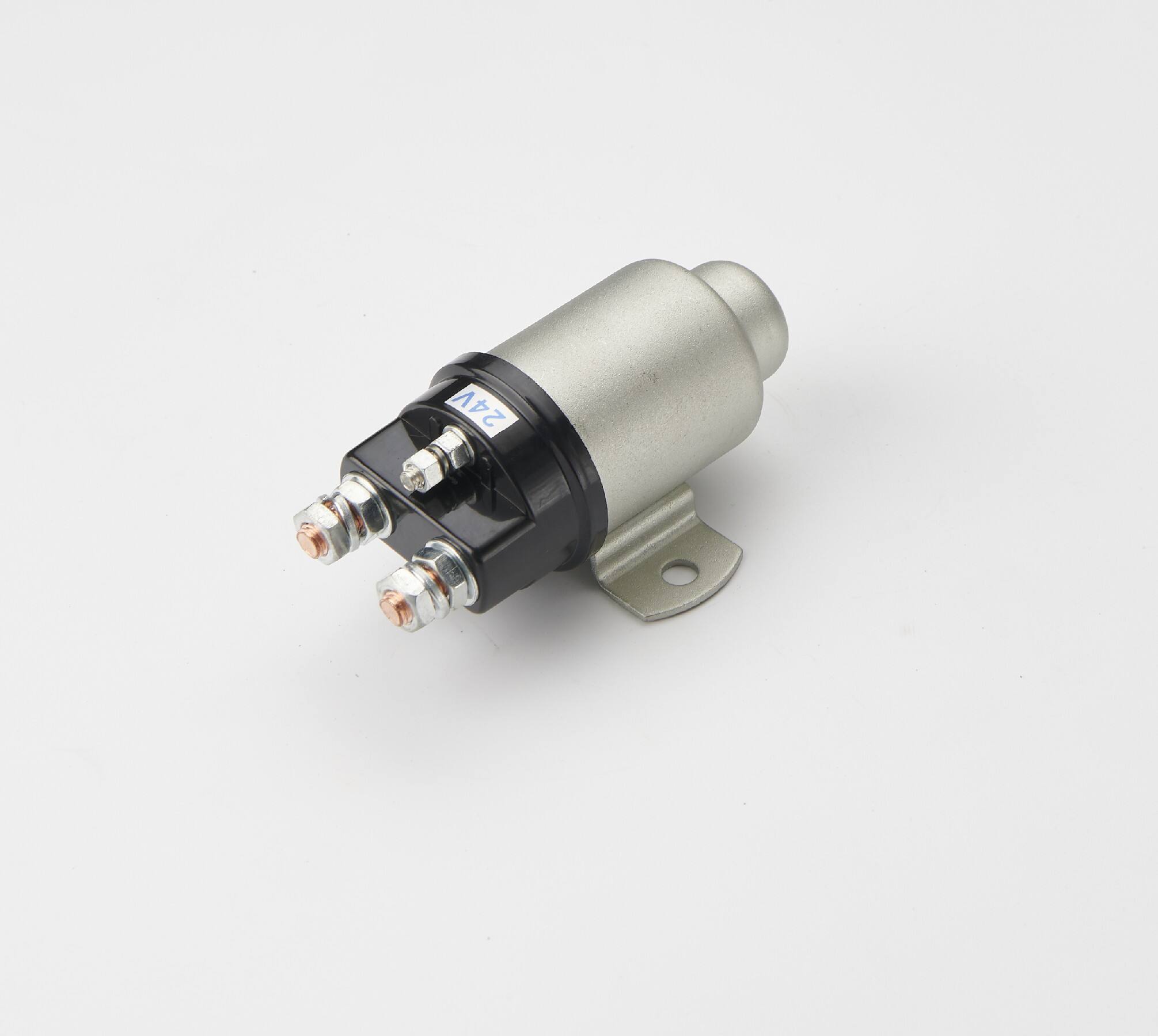
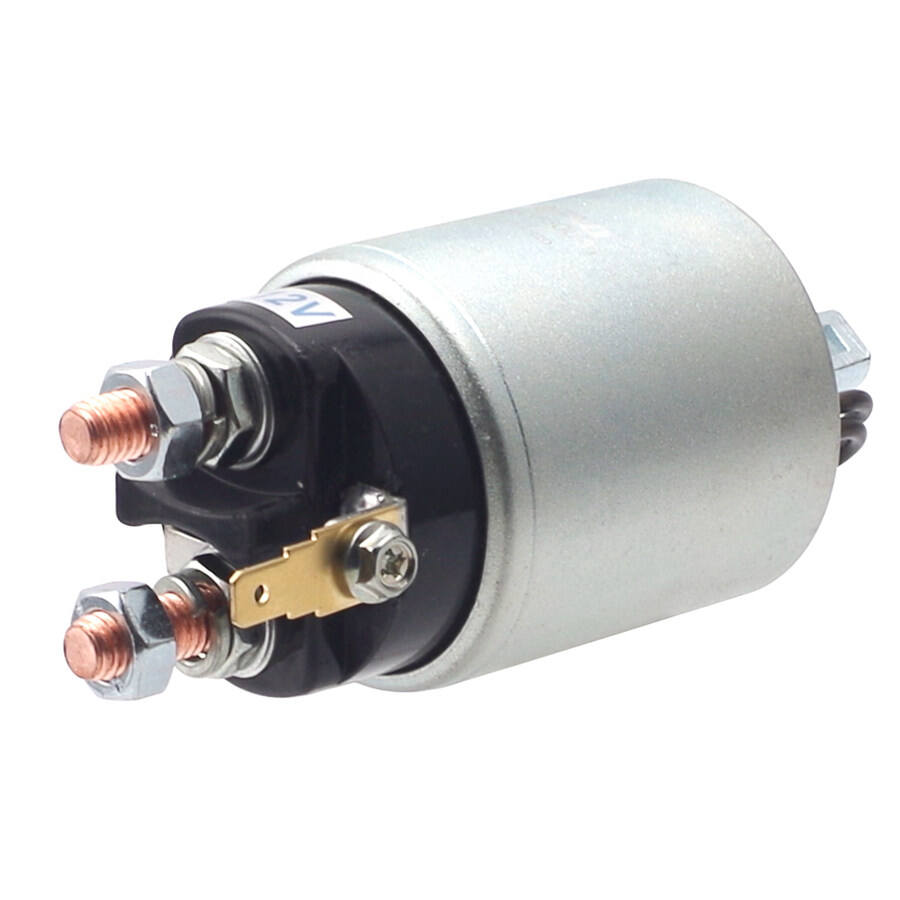
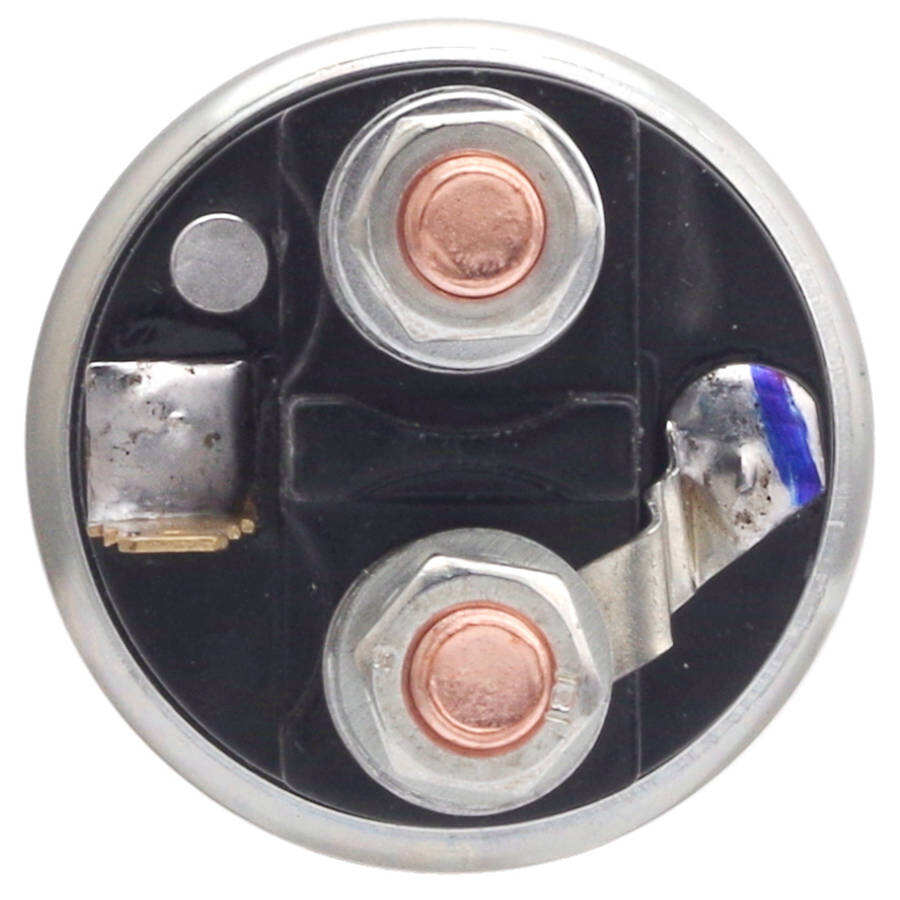
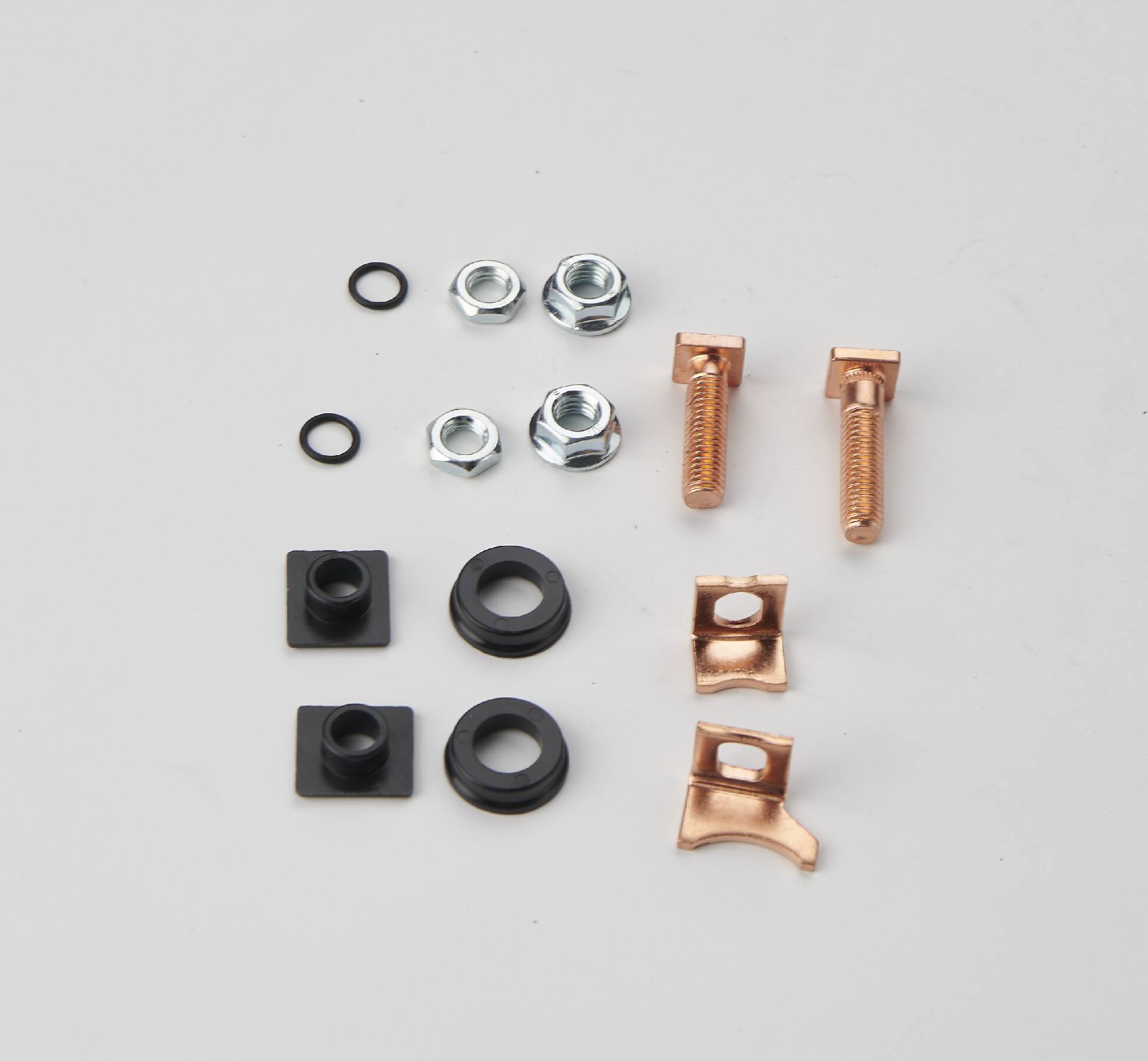
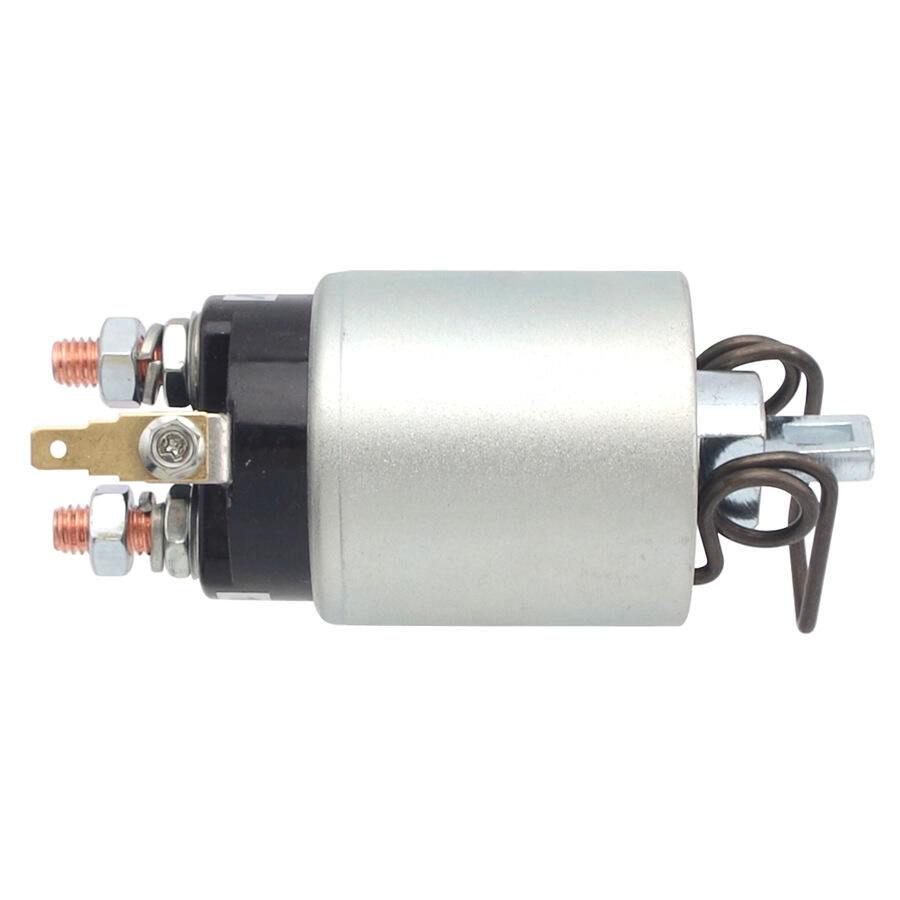
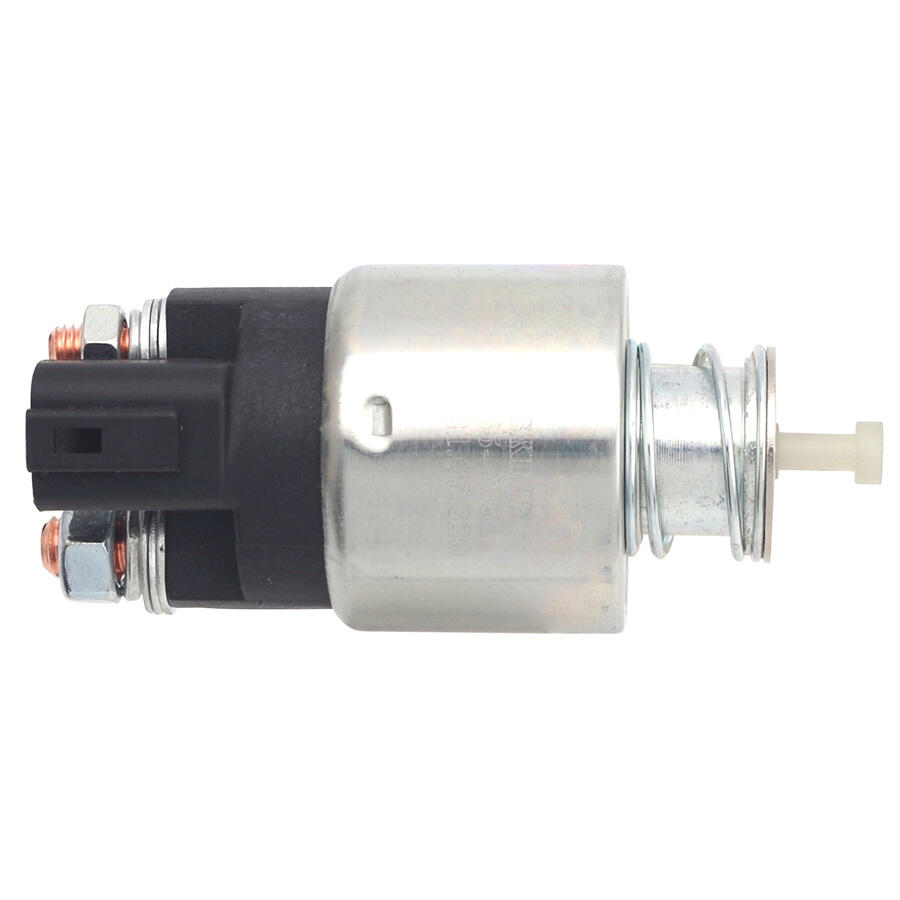
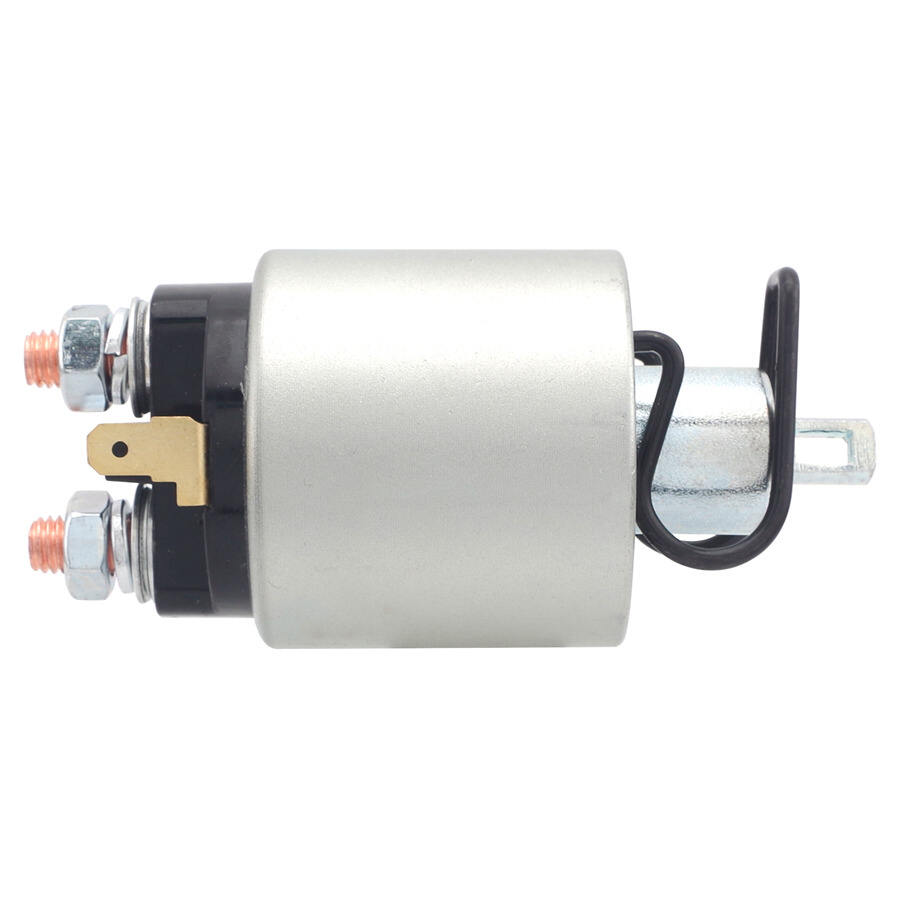
Remote Solenoid Switch - Advanced Electromagnetic Switching Control Solutions

Get a Free Quote

Our representative will contact you soon.
Email
Name
Company Name
WhatsApp
Message
0/1000

remote solenoid switch

A remote solenoid switch represents a sophisticated electromagnetic switching device that enables operators to control electrical circuits from distant locations without requiring physical proximity to the switch mechanism. This innovative technology combines the reliability of traditional solenoid switches with the convenience of remote operation, creating an essential component for modern industrial and commercial applications. The remote solenoid switch functions through electromagnetic principles, utilizing a coil of wire wound around a ferromagnetic core that generates a magnetic field when energized. This magnetic field attracts a movable armature, which mechanically operates the switch contacts to either open or close electrical circuits. The remote activation capability distinguishes this device from conventional switches, allowing users to control operations from safe distances or inaccessible locations. The technological architecture of remote solenoid switches incorporates advanced control systems that support various communication protocols, including wireless radio frequency, infrared signals, and wired remote control connections. These switches typically feature robust construction materials designed to withstand harsh environmental conditions, including temperature extremes, moisture exposure, and vibration resistance. The switching mechanism delivers precise operation with minimal response times, ensuring reliable circuit control when immediate action is required. Applications for remote solenoid switches span numerous industries and sectors, including automotive systems, industrial machinery, security installations, agricultural equipment, and marine applications. In automotive contexts, these switches control starter motors, fuel pumps, and various electrical accessories from dashboard-mounted controls. Industrial facilities utilize remote solenoid switches for equipment shutdown procedures, conveyor system controls, and emergency stop functions where operator safety requires distance from machinery. Security systems incorporate these devices for gate controls, alarm activation, and access management systems. Agricultural equipment benefits from remote solenoid switch technology in irrigation systems, livestock feeding mechanisms, and field equipment operation where operators need control flexibility across large areas.

New Product Recommendations

Remote solenoid switches deliver exceptional operational benefits that significantly enhance safety protocols across various applications. The primary advantage lies in operator protection, as these devices eliminate the need for personnel to physically approach potentially dangerous equipment or hazardous environments during switching operations. This safety enhancement proves invaluable in industrial settings where high-voltage equipment, chemical processes, or mechanical hazards create risks for workers. The remote operation capability allows technicians to maintain safe distances while controlling critical systems, reducing workplace accidents and improving overall operational safety standards. Convenience represents another substantial benefit of remote solenoid switch technology. Operators can control multiple systems from centralized locations, streamlining workflow processes and improving operational efficiency. This centralized control capability proves particularly valuable in large facilities where walking distances between control points would otherwise consume significant time and labor resources. The remote functionality also enables operators to respond quickly to changing conditions without leaving their monitoring stations, maintaining continuous oversight of critical processes. Cost-effectiveness emerges as a significant advantage through reduced maintenance requirements and extended operational lifespan. Remote solenoid switches eliminate the wear and tear associated with frequent manual operation, as electromagnetic switching mechanisms experience less mechanical stress compared to manual switches operated by physical contact. This reduced wear translates to lower replacement costs and decreased maintenance intervals, providing substantial long-term savings for facility operators. The precision control offered by remote solenoid switches ensures consistent switching performance, reducing the likelihood of operational errors that could result in equipment damage or process disruptions. Installation flexibility represents another key advantage, as remote solenoid switches can be positioned in optimal locations regardless of operator accessibility requirements. This flexibility allows engineers to design systems with improved layouts that prioritize functional efficiency rather than manual access considerations. The technology supports various mounting configurations and environmental protections, enabling deployment in challenging conditions where traditional switches might fail. Energy efficiency benefits result from the precise control capabilities of remote solenoid switches, which can eliminate unnecessary power consumption through more accurate timing and switching precision. The electromagnetic operation requires minimal power for activation while providing reliable switching performance, contributing to overall system energy optimization. Additionally, remote solenoid switches offer superior reliability through their sealed construction and reduced exposure to environmental contaminants that typically affect manually operated switches.

Practical Tips

Starter Solenoid 2025 Guide: 5 Steps to Test Your Starter Solenoid

21

Oct

Starter Solenoid 2025 Guide: 5 Steps to Test Your Starter Solenoid

Understanding the Critical Role of Automotive Starting Systems The starter solenoid serves as the heart of your vehicle's starting system, acting as the crucial link between your ignition switch and the starter motor. This vital component enables the...
View More
Solenoid Switch 2025 Guide: 5 Steps to Test Your Solenoid Switch

21

Oct

Solenoid Switch 2025 Guide: 5 Steps to Test Your Solenoid Switch

Understanding the Critical Role of Solenoid Switches in Modern Systems In the world of electromechanical devices, the solenoid switch stands as a fundamental component that bridges the gap between electrical signals and mechanical actions. These esse...
View More
Starter Solenoid Failure Symptoms Every Driver Should Know

14

Nov

Starter Solenoid Failure Symptoms Every Driver Should Know

Understanding the warning signs of starter solenoid malfunction can save drivers from unexpected breakdowns and costly repairs. The starter solenoid serves as a critical electrical component that bridges the gap between your ignition system and the s...
View More
Repairing the Starter Solenoid Emergency Fix: Roadside Solenoid Repair

14

Nov

Repairing the Starter Solenoid Emergency Fix: Roadside Solenoid Repair

When your vehicle refuses to start and you hear only a clicking sound from under the hood, the culprit is often a malfunctioning starter solenoid. Understanding how to repair solenoid starter motor components can save you from being stranded on the r...
View More

Get a Free Quote

Our representative will contact you soon.
Email
Name
Company Name
WhatsApp
Message
0/1000

remote solenoid switch

Advanced Safety and Distance Control Technology

Advanced Safety and Distance Control Technology

The remote solenoid switch revolutionizes operational safety by providing secure distance control capabilities that protect operators from potential hazards while maintaining precise switching functionality. This advanced safety feature addresses critical workplace protection requirements across numerous industries where proximity to equipment poses significant risks to personnel. The technology enables operators to maintain safe distances from high-voltage electrical systems, rotating machinery, chemical processing equipment, and other potentially dangerous installations while retaining full control over switching operations. The electromagnetic switching mechanism responds instantly to remote commands, ensuring that emergency shutdown procedures can be executed immediately without requiring personnel to approach hazardous areas. This immediate response capability proves essential in emergency situations where seconds can determine the difference between safe shutdown and catastrophic failure. The remote operation feature eliminates human exposure to electrical arcs, mechanical pinch points, toxic vapors, and extreme temperatures that commonly exist near industrial switching equipment. Safety protocols benefit tremendously from this technology, as operators can implement lock-out tag-out procedures from secure locations, reducing the risk of accidental energization during maintenance activities. The remote solenoid switch supports multiple activation methods, including wireless radio frequency controls, infrared signals, and hardwired remote stations, providing flexibility in safety system design. This versatility allows safety engineers to select the most appropriate control method based on specific environmental conditions and safety requirements. The technology also incorporates fail-safe mechanisms that ensure switches return to predetermined safe positions in the event of power loss or communication interruption, maintaining system safety even during unexpected failures. Industries such as chemical processing, oil and gas operations, mining, and heavy manufacturing particularly benefit from this safety enhancement, as these sectors frequently involve hazardous environments where traditional manual switching creates unacceptable risks. The remote control capability extends beyond basic on-off functions to include complex switching sequences, allowing operators to execute sophisticated safety procedures from protected locations. This comprehensive safety approach reduces insurance costs, improves compliance with occupational safety regulations, and demonstrates corporate commitment to worker protection.
Exceptional Reliability and Durability Engineering

Exceptional Reliability and Durability Engineering

Remote solenoid switches incorporate exceptional engineering design principles that deliver outstanding reliability and durability performance under demanding operational conditions. The electromagnetic switching mechanism eliminates many failure points associated with mechanical switching systems, as the absence of complex moving parts reduces wear and maintenance requirements significantly. The sealed construction methodology protects internal components from environmental contaminants such as dust, moisture, chemicals, and temperature fluctuations that typically compromise conventional switch performance. This environmental protection extends operational lifespan considerably, often exceeding traditional switch technologies by multiple years under similar operating conditions. The magnetic switching action provides consistent performance characteristics throughout the device's operational lifetime, maintaining precise switching timing and contact integrity regardless of usage frequency. Unlike mechanical switches that experience contact degradation through repeated operation, remote solenoid switches maintain their switching characteristics because the electromagnetic field generates consistent force application every activation cycle. The robust construction materials include corrosion-resistant housings, high-temperature insulation systems, and precious metal contact surfaces that resist oxidation and contamination. These material selections ensure reliable operation in harsh environments including marine applications, chemical processing facilities, and outdoor installations subject to weather exposure. The electromagnetic coil design incorporates advanced winding techniques and insulation systems that provide excellent resistance to voltage spikes, temperature cycling, and mechanical vibration. This engineering approach results in coils that maintain their electrical characteristics and switching performance even after millions of operational cycles. Quality control procedures during manufacturing include extensive testing protocols that verify switching consistency, contact resistance, and insulation integrity before devices leave production facilities. The remote control circuitry utilizes solid-state components that offer superior reliability compared to mechanical relay systems, providing consistent signal processing and switching command execution. Advanced diagnostic capabilities built into modern remote solenoid switches enable predictive maintenance scheduling, allowing operators to identify potential issues before they result in operational failures. This proactive maintenance approach maximizes equipment uptime while minimizing unexpected shutdowns that could disrupt critical processes. The technology supports various mounting configurations and environmental ratings, enabling deployment in applications ranging from indoor control panels to outdoor industrial installations subject to extreme weather conditions.
Versatile Integration and Smart Control Capabilities

Versatile Integration and Smart Control Capabilities

The remote solenoid switch demonstrates remarkable versatility through its comprehensive integration capabilities and intelligent control features that adapt seamlessly to diverse application requirements across multiple industries. Modern remote solenoid switch technology supports numerous communication protocols including wireless radio frequency, Bluetooth connectivity, infrared control, and traditional hardwired control systems, enabling integration with existing infrastructure without requiring extensive system modifications. This communication flexibility allows operators to select the most appropriate control method based on specific operational requirements, environmental conditions, and existing equipment compatibility. The smart control capabilities extend beyond simple on-off switching to include programmable timing sequences, conditional logic operations, and feedback monitoring systems that provide comprehensive operational oversight. Advanced models incorporate microprocessor-based control systems that enable complex switching algorithms, automatic sequencing, and integration with building automation systems or industrial control networks. The programmable features allow operators to customize switching behavior for specific applications, including delayed activation, timed sequences, and automatic cycling patterns that optimize equipment performance. Integration with modern control systems enables remote solenoid switches to participate in sophisticated automation schemes where switching operations coordinate with sensors, timers, and other control devices to create comprehensive automated systems. The technology supports various voltage ranges and current ratings, accommodating applications from low-power electronics to high-current industrial equipment without requiring additional interface components. Network connectivity options enable remote monitoring and control through internet-based systems, allowing operators to manage switching operations from virtually any location with appropriate network access. This connectivity capability proves particularly valuable for distributed facilities, remote installations, and applications requiring centralized monitoring of multiple switching points. The versatile mounting options and form factors accommodate diverse installation requirements, from compact control panel mounting to weatherproof outdoor installations. Customization capabilities allow manufacturers to adapt remote solenoid switches for specific applications, including specialized coil voltages, unique contact configurations, and environmental ratings that meet particular industry standards. The technology readily integrates with safety systems, emergency shutdown procedures, and security installations, providing reliable switching performance that supports critical safety functions. Modern remote solenoid switches also incorporate diagnostic features that monitor switching performance, detect potential issues, and provide operational feedback to maintenance systems, enabling proactive maintenance scheduling and system optimization. This intelligent monitoring capability reduces unexpected failures while maximizing operational efficiency through data-driven maintenance decisions. The scalability of remote solenoid switch systems allows for expansion from simple single-switch installations to complex multi-point control networks that manage extensive switching requirements across large facilities or distributed operations.

Remote Solenoid Switch - Advanced Electromagnetic Switching Control Solutions
Facebook YouTube

Get a Free Quote

Our representative will contact you soon.
Email
Name
Company Name
WhatsApp
Message
0/1000