Environmental Protection and Durability
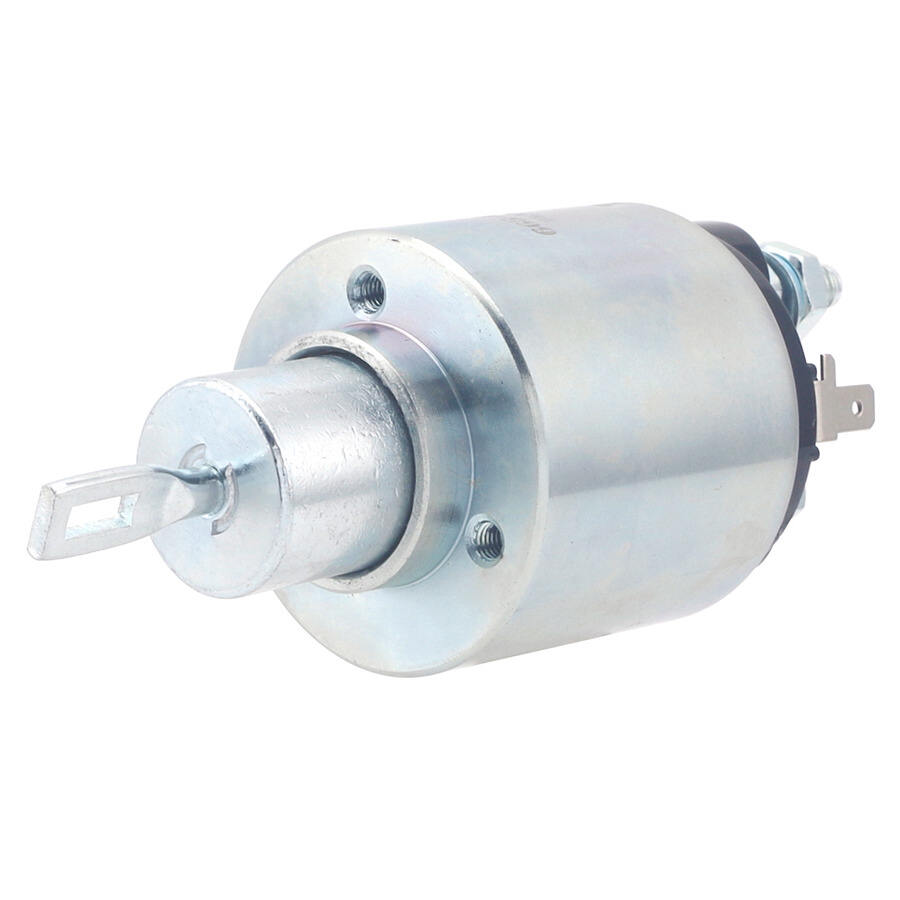
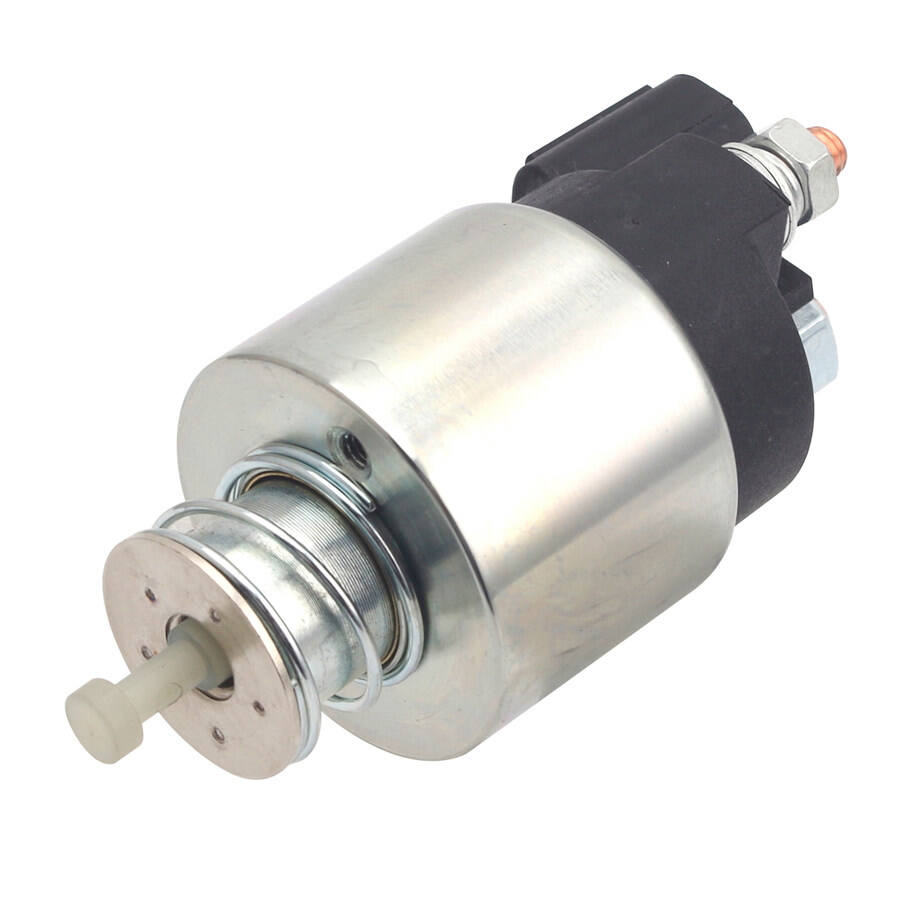
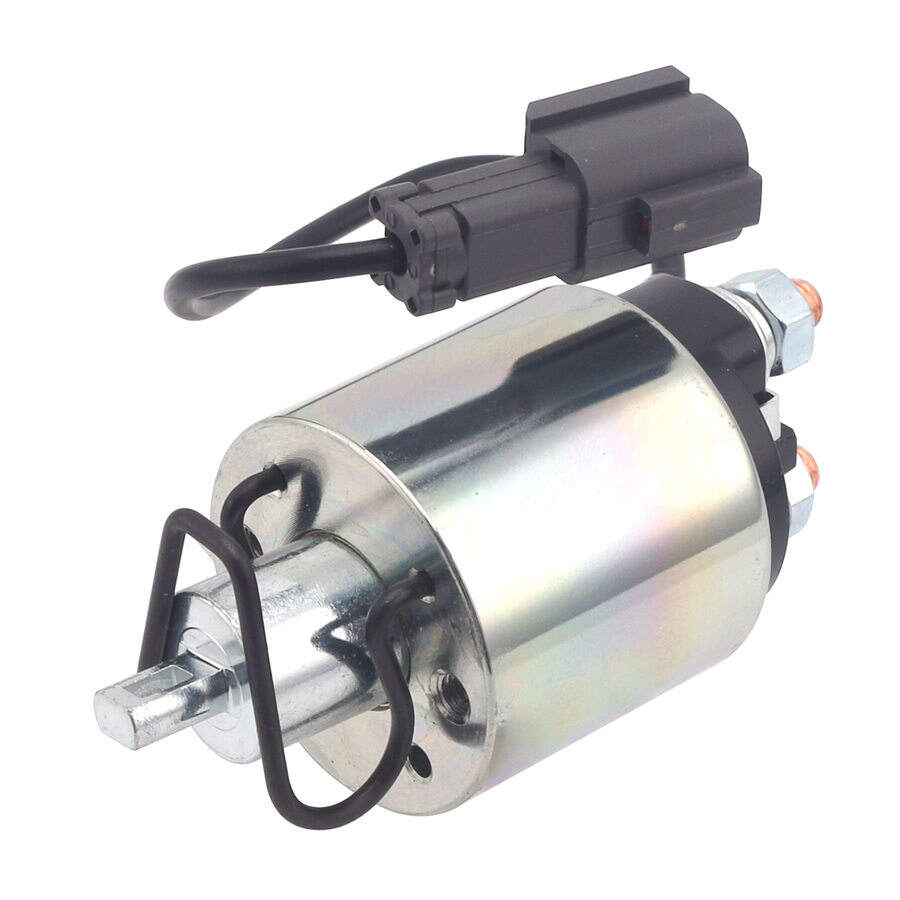
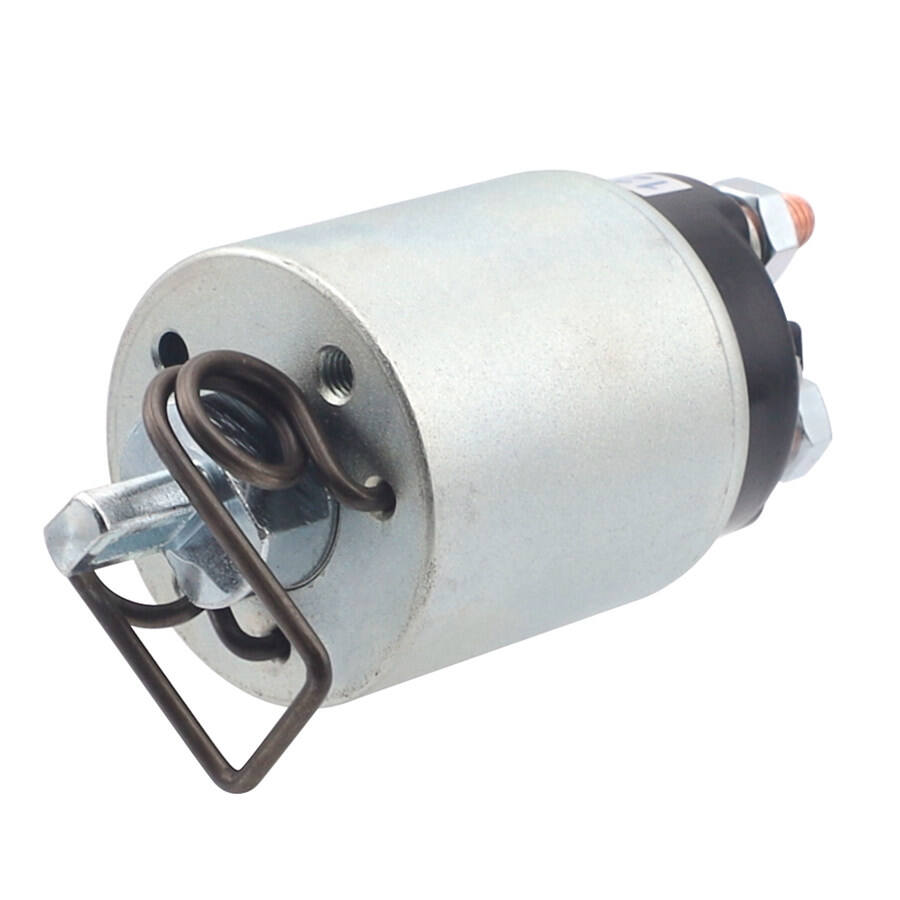
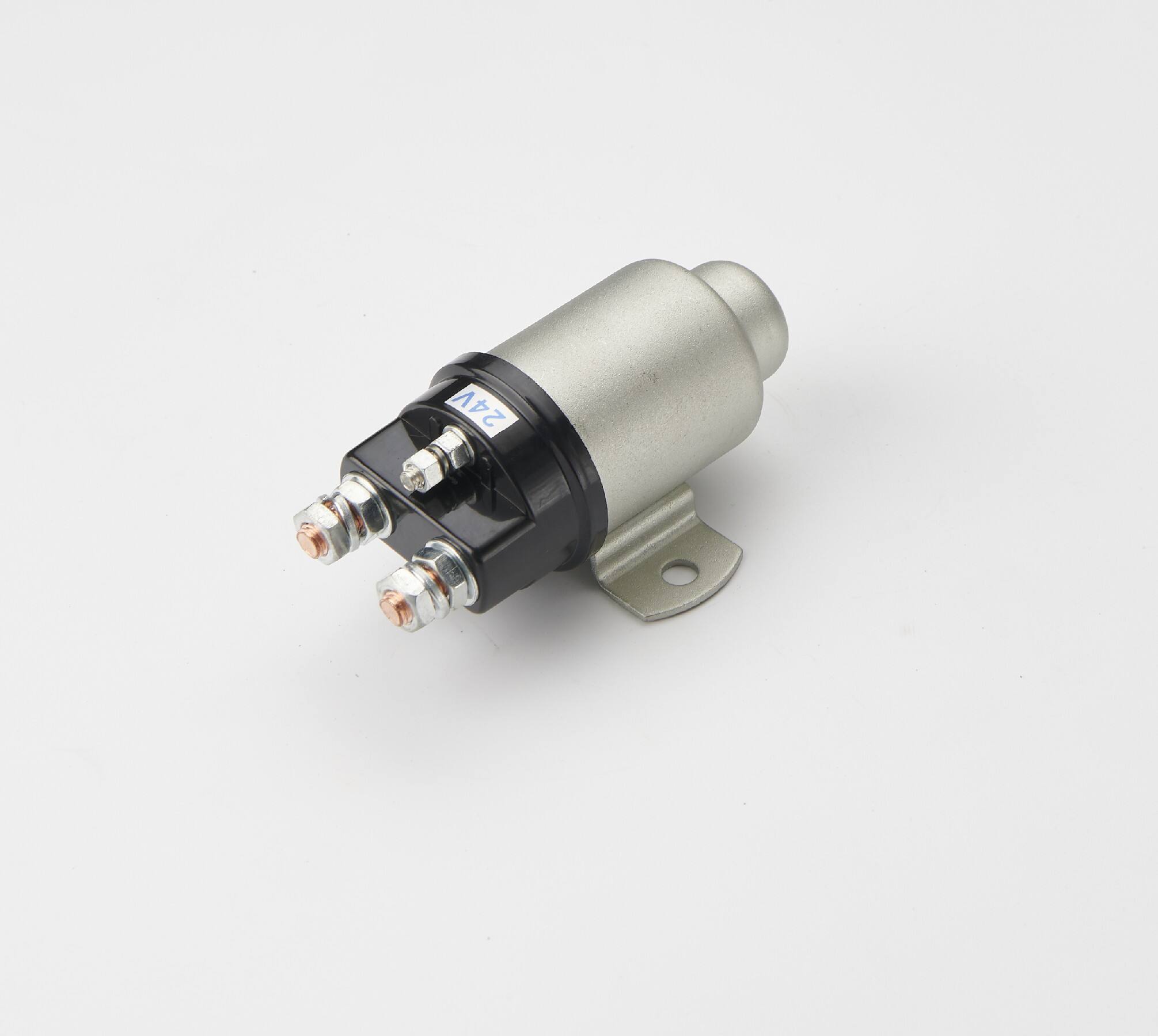
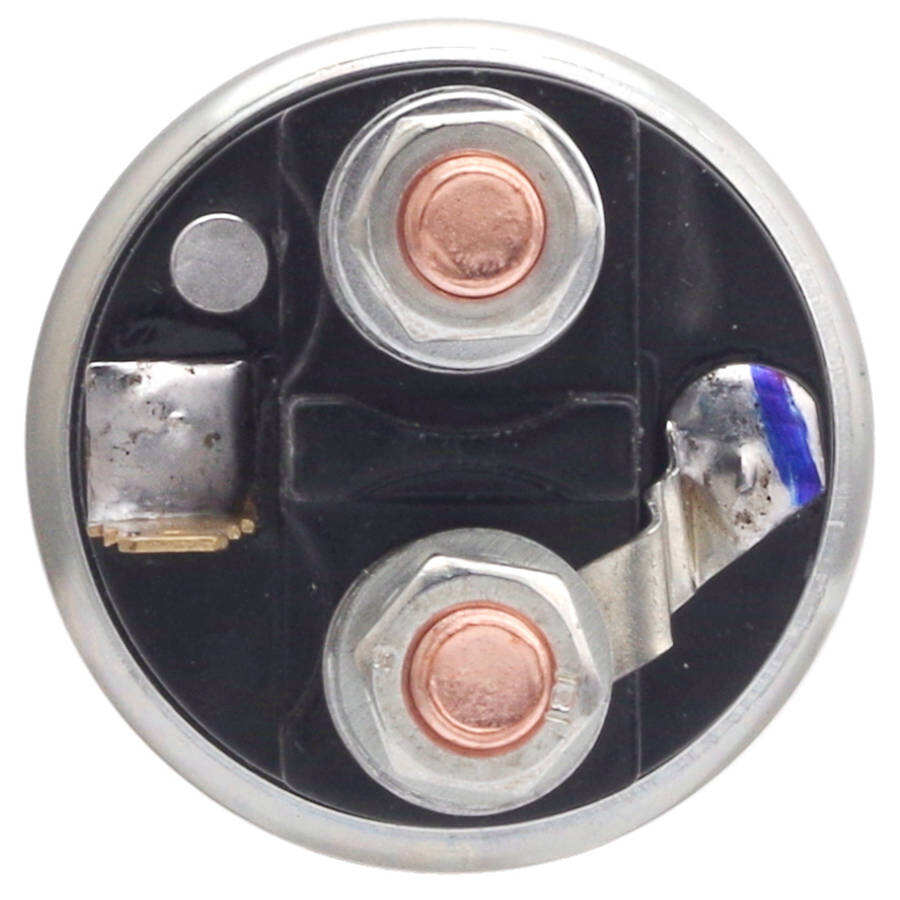
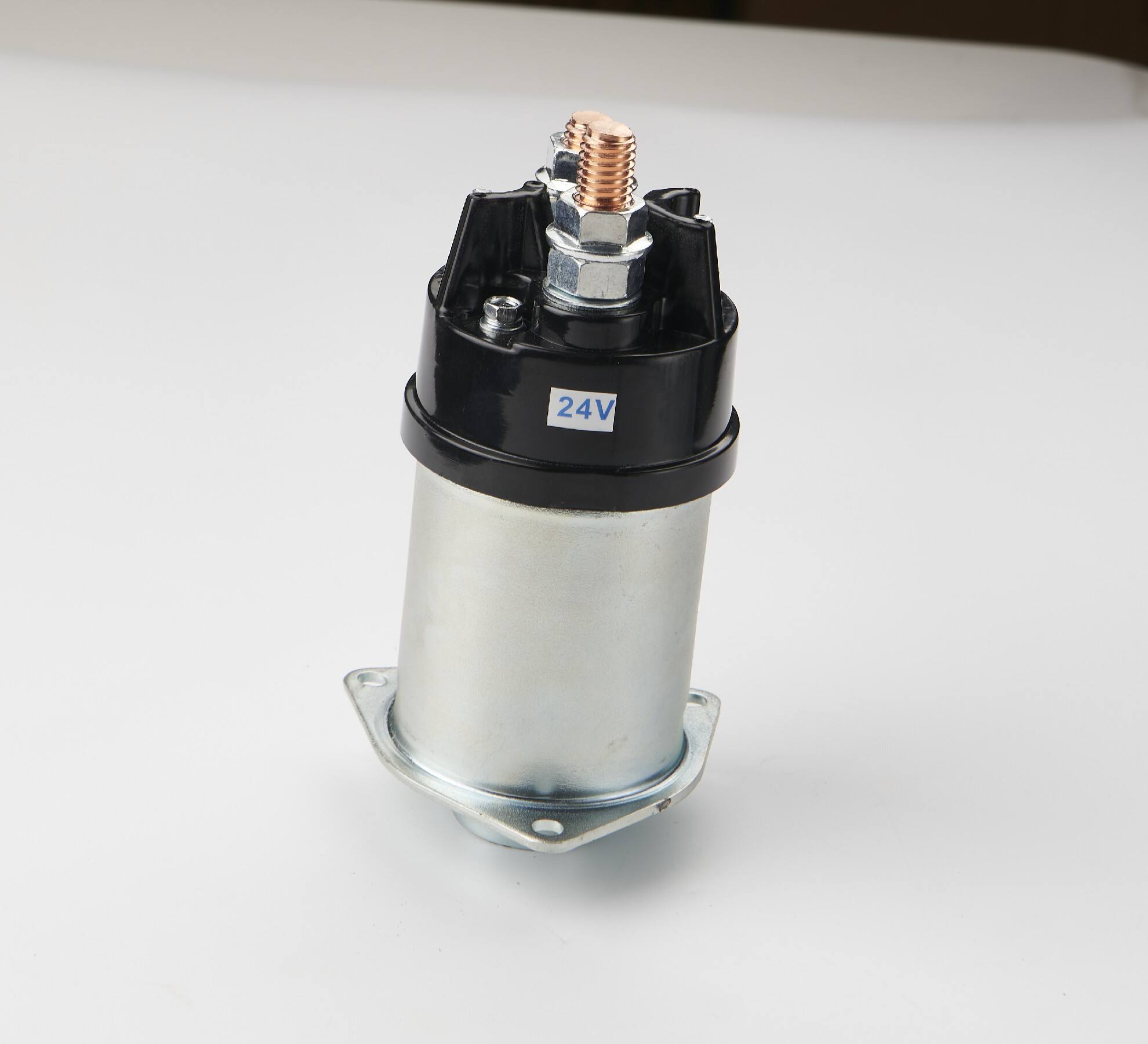
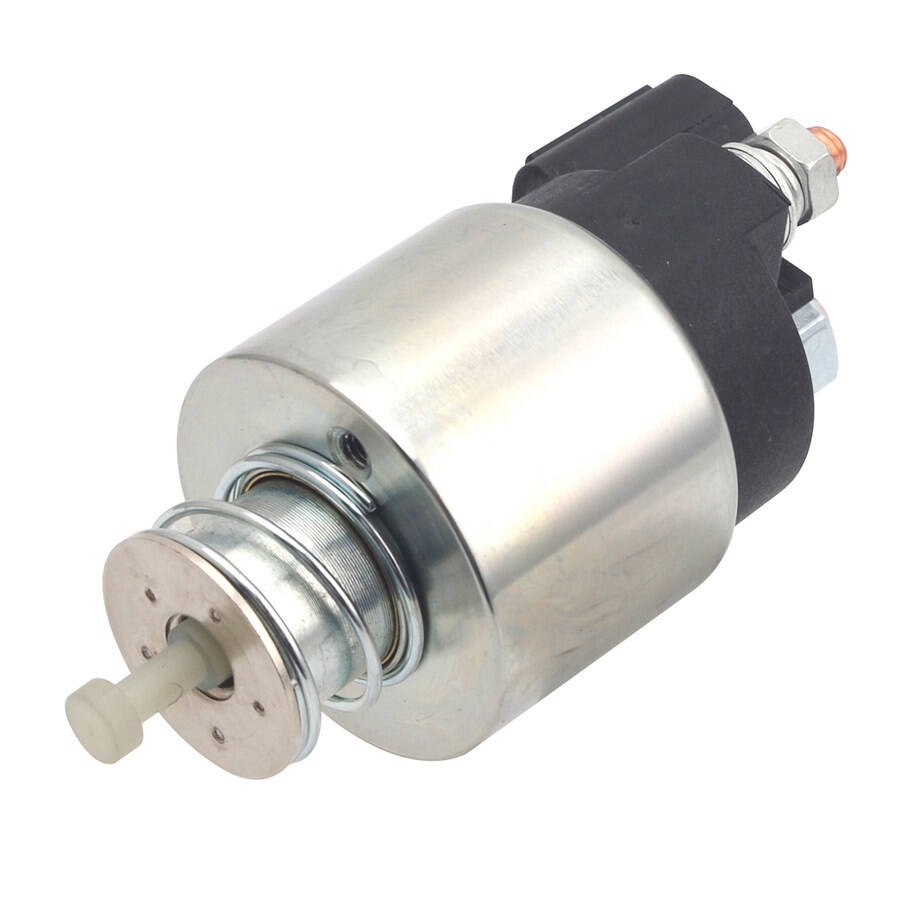
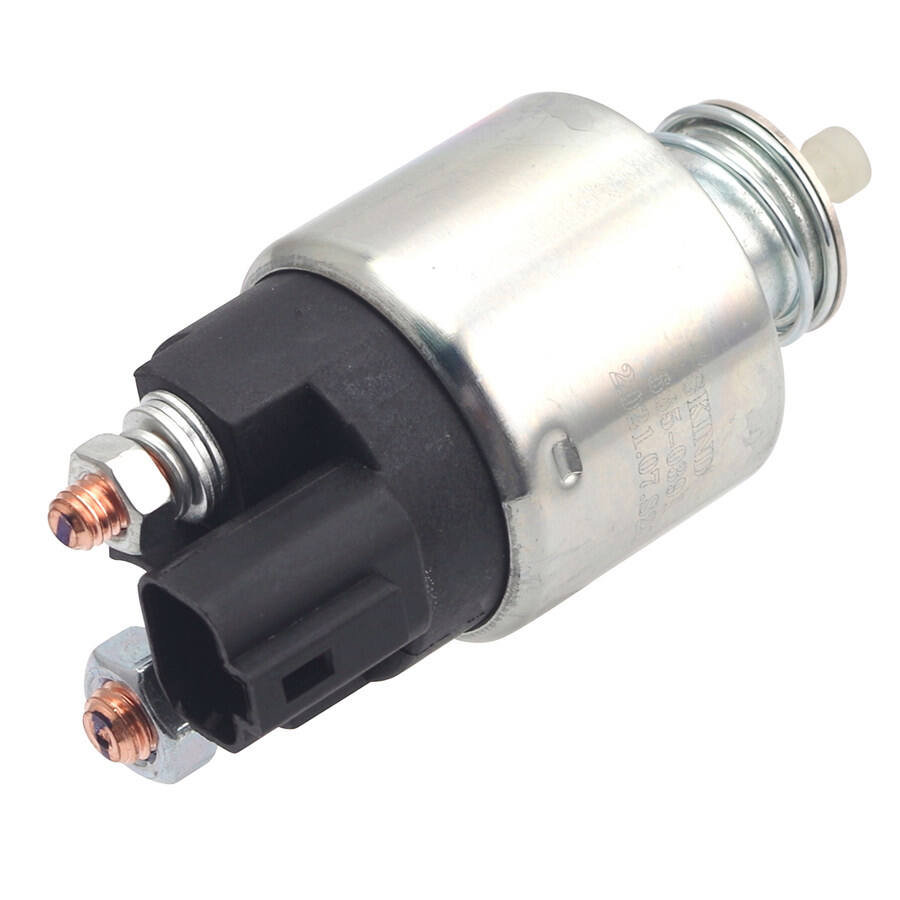
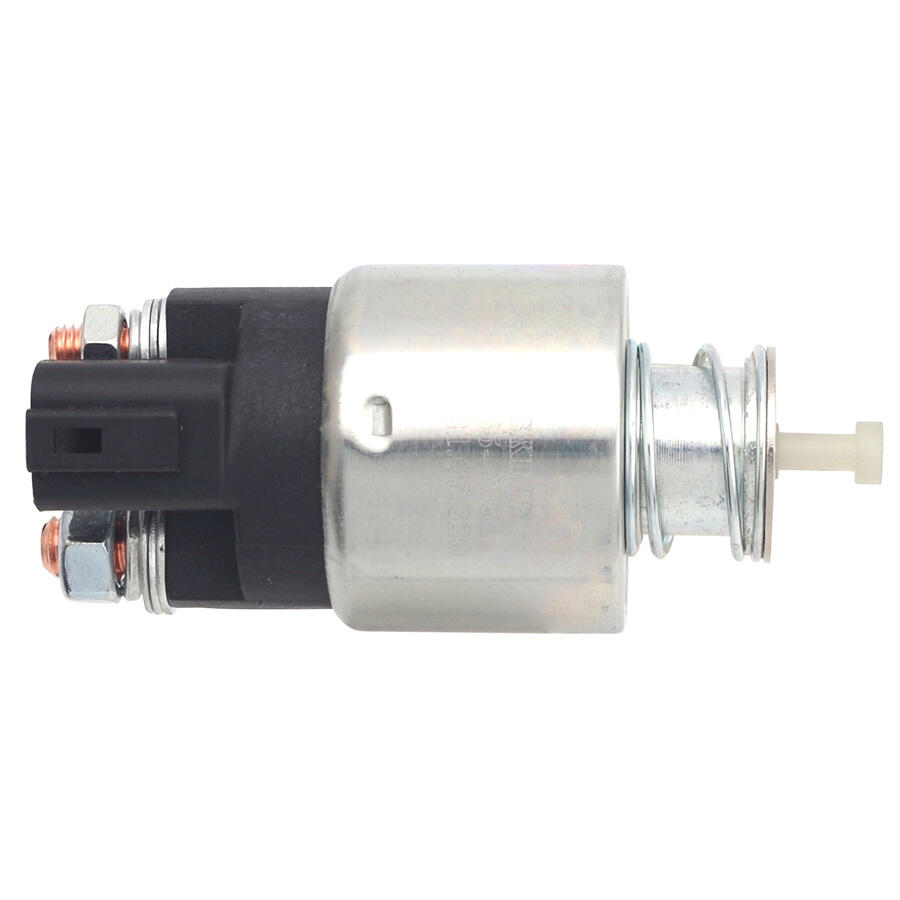
Environmental protection stands as a cornerstone feature of modern car solenoid switch design, ensuring reliable operation across diverse climatic conditions and automotive applications. The housing construction typically employs high-grade thermoplastics or metal enclosures that resist chemical attack from engine fluids, road salt, and atmospheric contaminants commonly encountered in automotive environments. Sealed designs incorporate advanced gasket systems and welded joints that prevent moisture intrusion, which could cause corrosion of internal components or electrical shorts. The car solenoid switch protection extends to temperature extremes, with operational specifications often ranging from negative 40 to positive 150 degrees Celsius, accommodating everything from arctic starting conditions to underhood heat soak situations. Vibration resistance represents another critical protection feature, with internal components secured against the constant mechanical stresses encountered in vehicle operation. Shock mounting systems and reinforced connection points prevent fatigue failures that could interrupt electrical continuity. The environmental sealing also protects against dust and debris infiltration that could interfere with mechanical operation or cause electrical tracking across insulated surfaces. UV radiation protection prevents plastic components from degrading when exposed to direct sunlight in open engine bay applications. Chemical resistance testing ensures compatibility with automotive fluids including engine oil, transmission fluid, brake fluid, and various cleaning solvents used in maintenance operations. The car solenoid switch durability design incorporates fatigue testing that simulates years of normal operation, validating component life expectancy under real-world conditions. Corrosion protection extends to all metal components through appropriate material selection, surface treatments, and cathodic protection where applicable. Salt spray testing verifies performance in marine environments or regions where road salt application is common during winter months. The environmental protection also encompasses electromagnetic compatibility, with shielding that prevents interference from ignition systems, alternators, and other high-energy automotive electrical components. Quality assurance testing includes thermal cycling, humidity exposure, and accelerated aging protocols that validate long-term environmental resistance and operational reliability.
 EN
EN