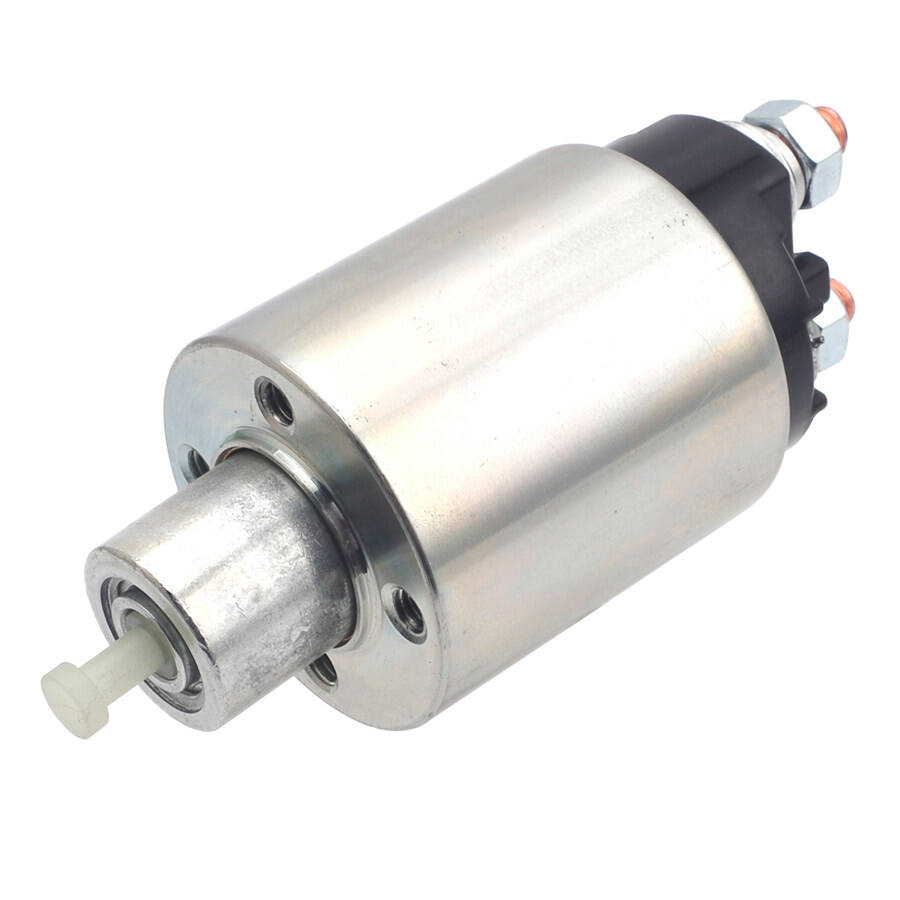
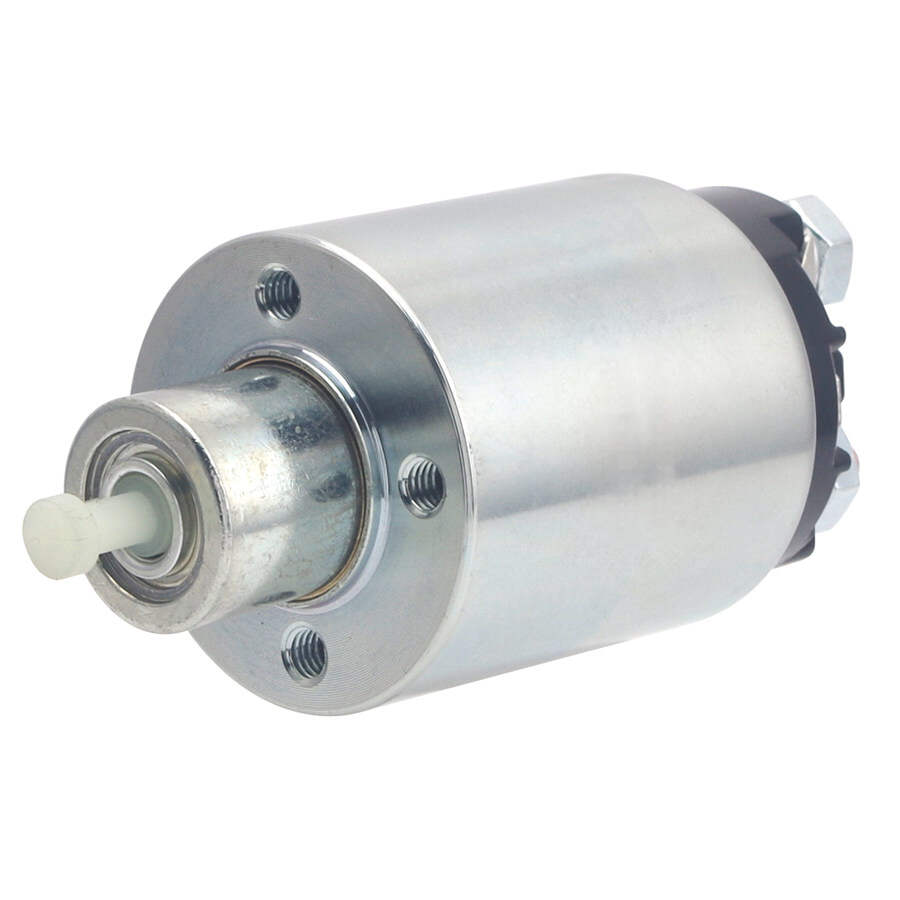
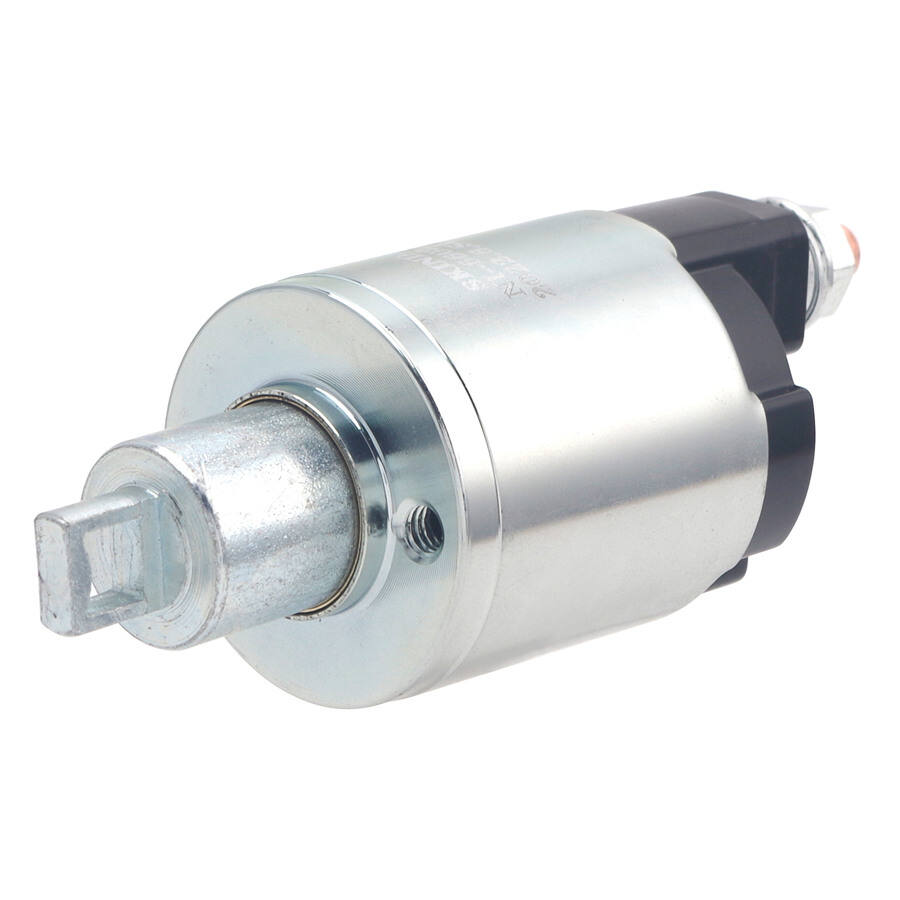
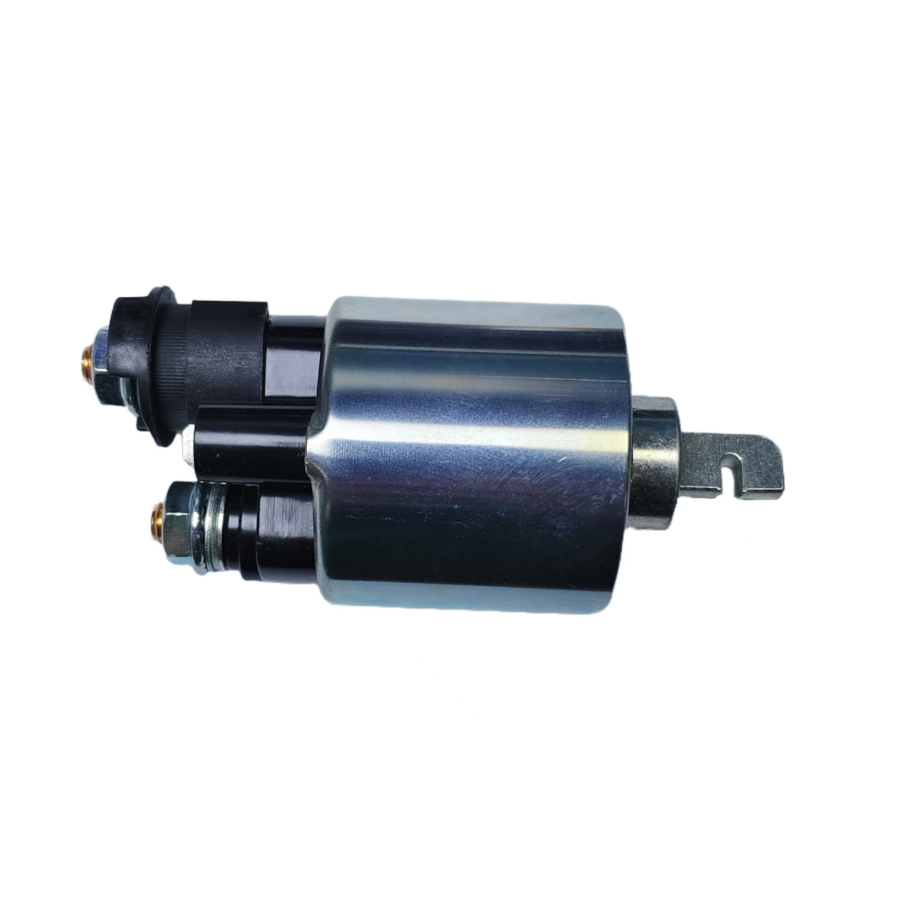
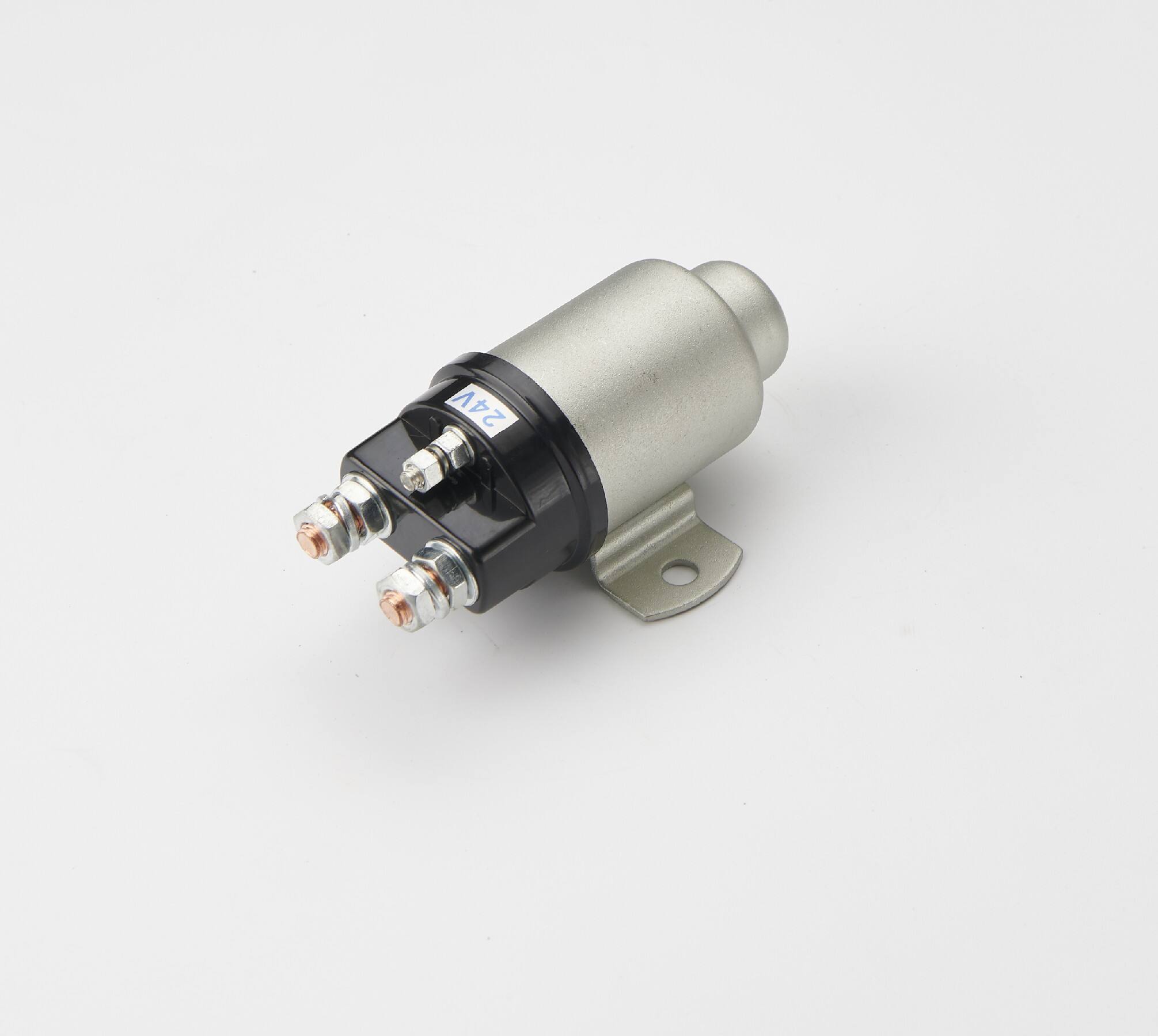
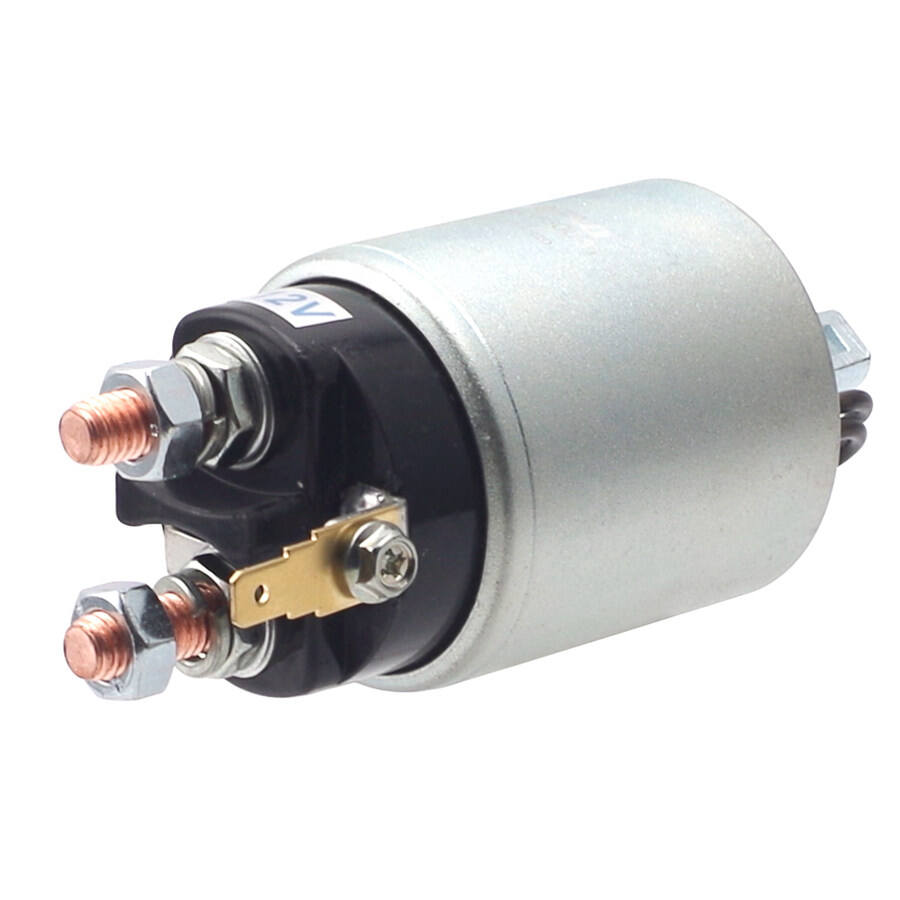
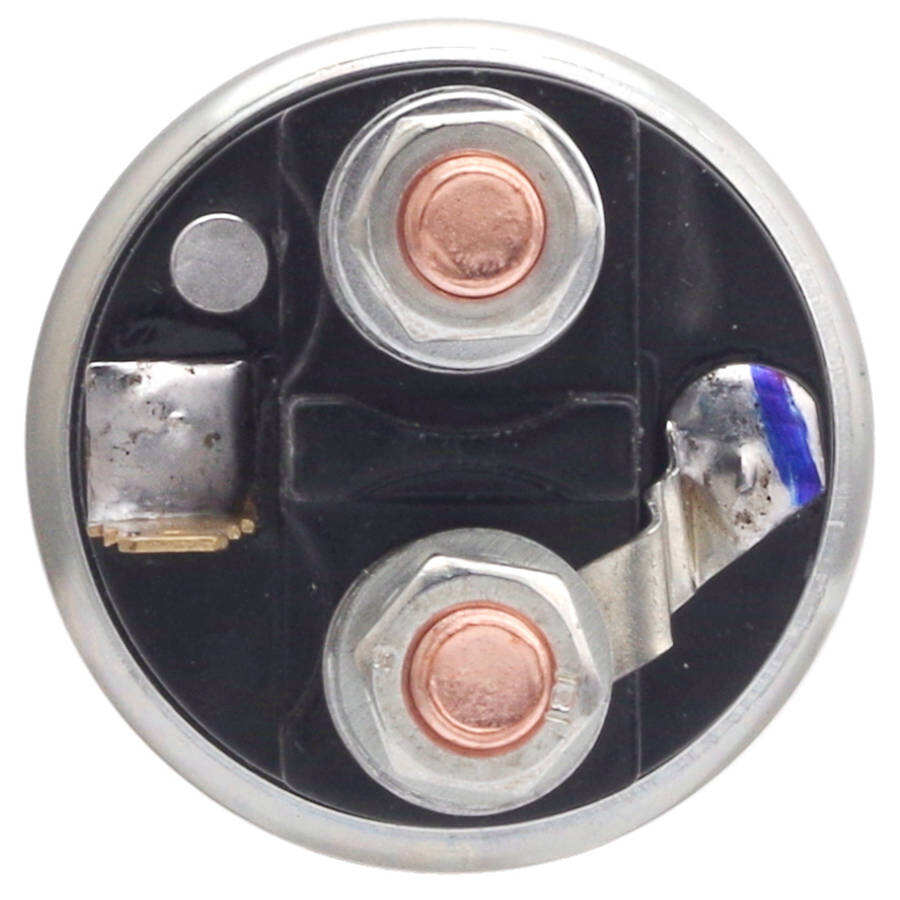
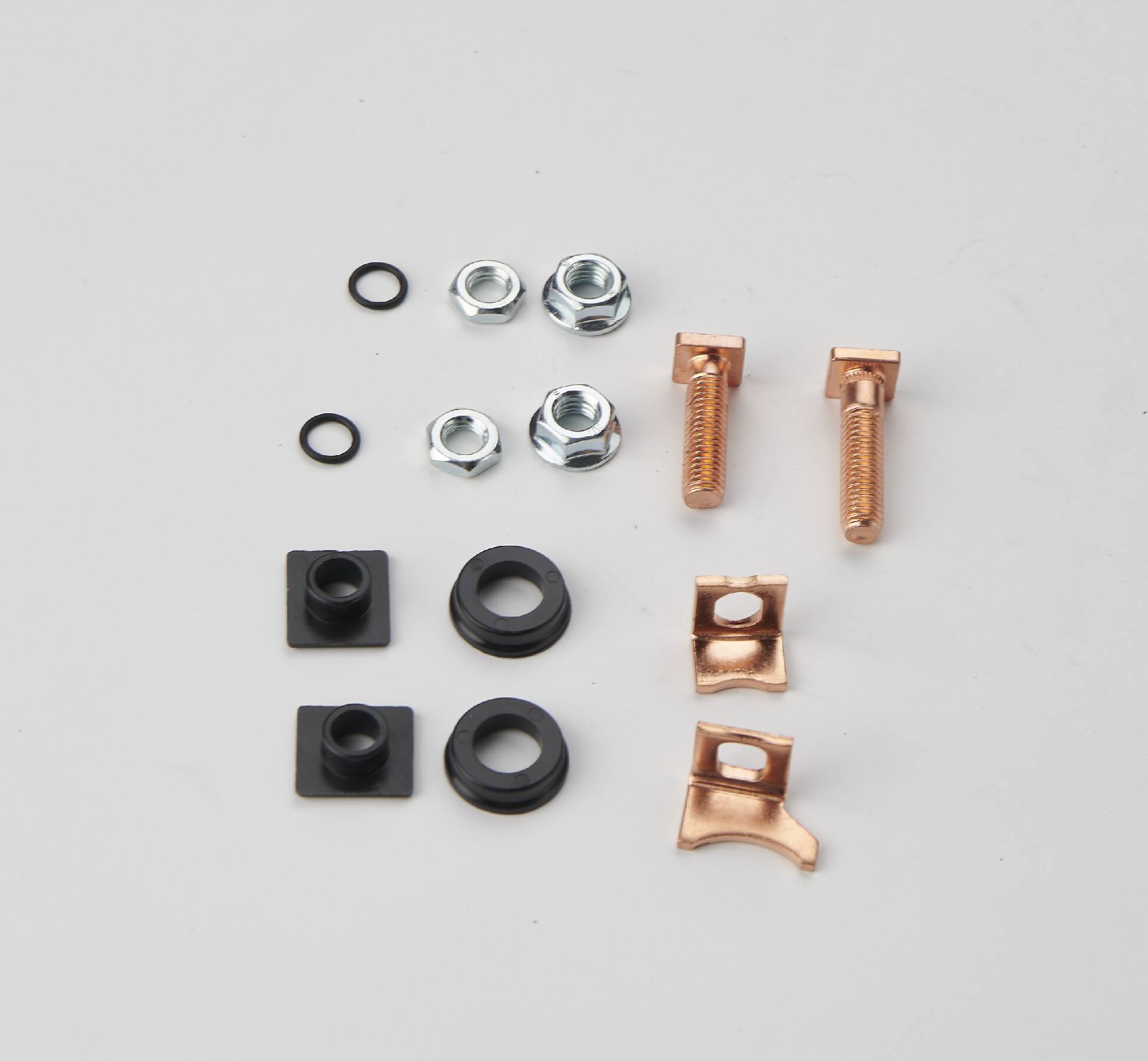
continuous duty starter solenoid
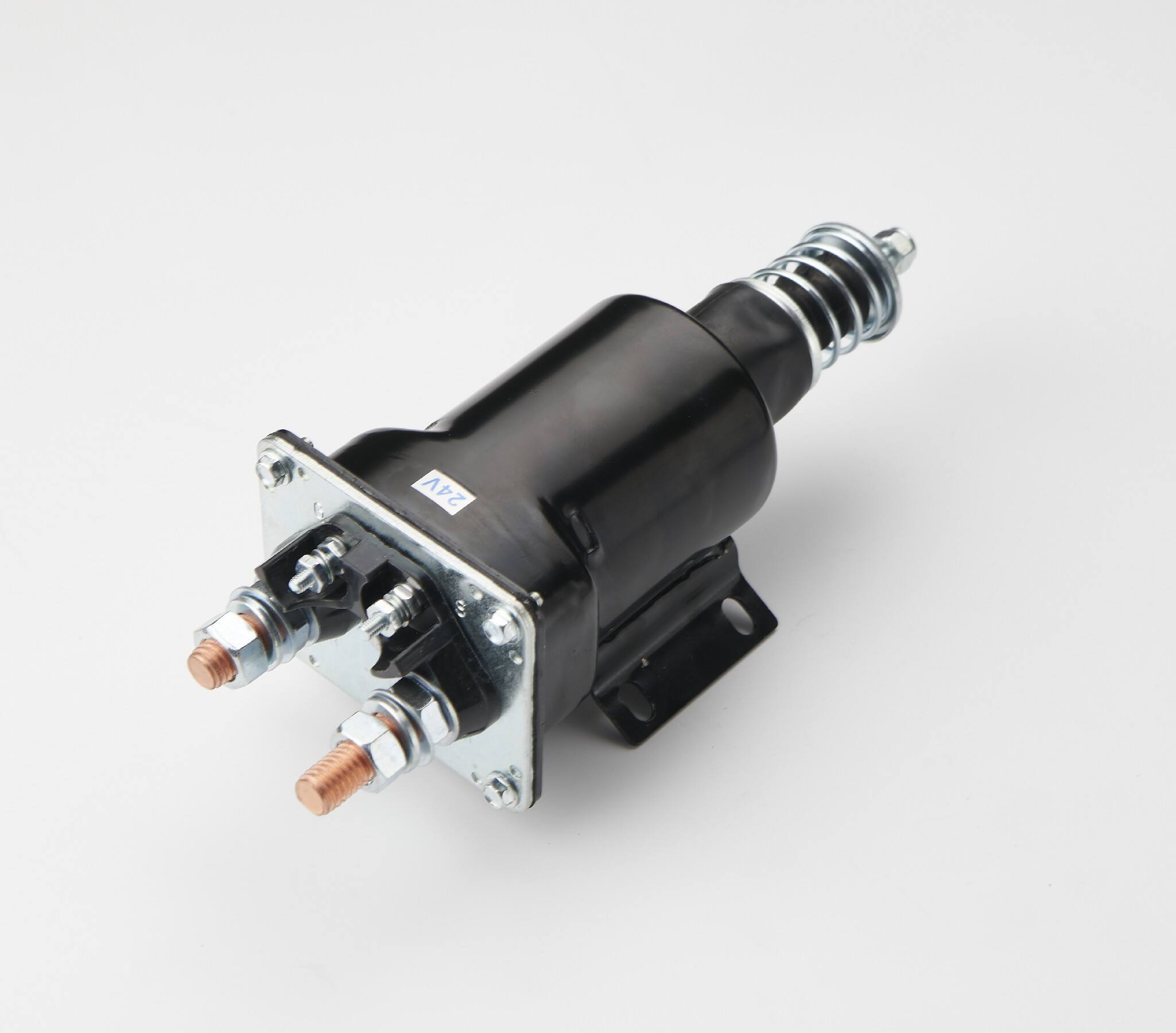
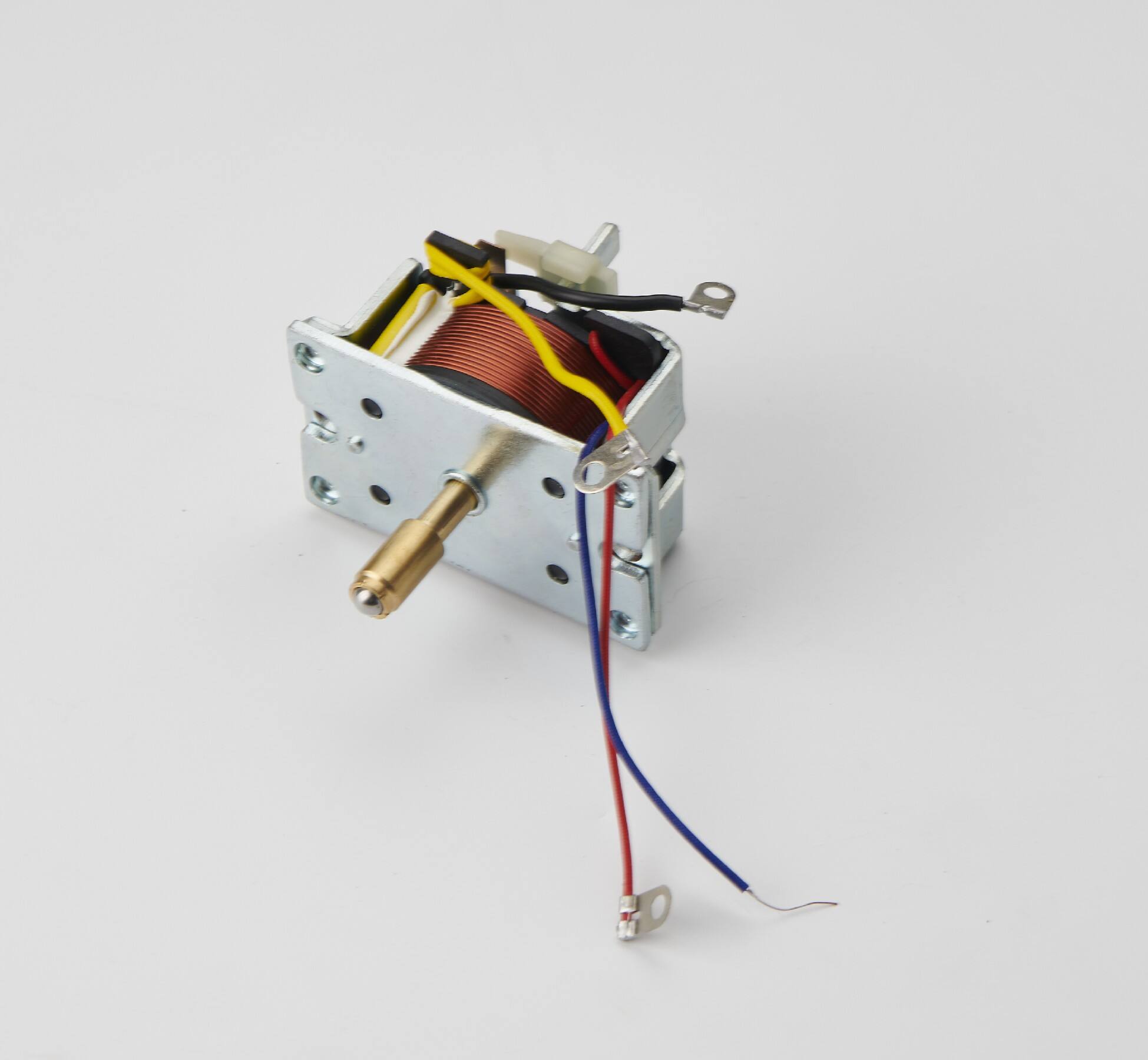
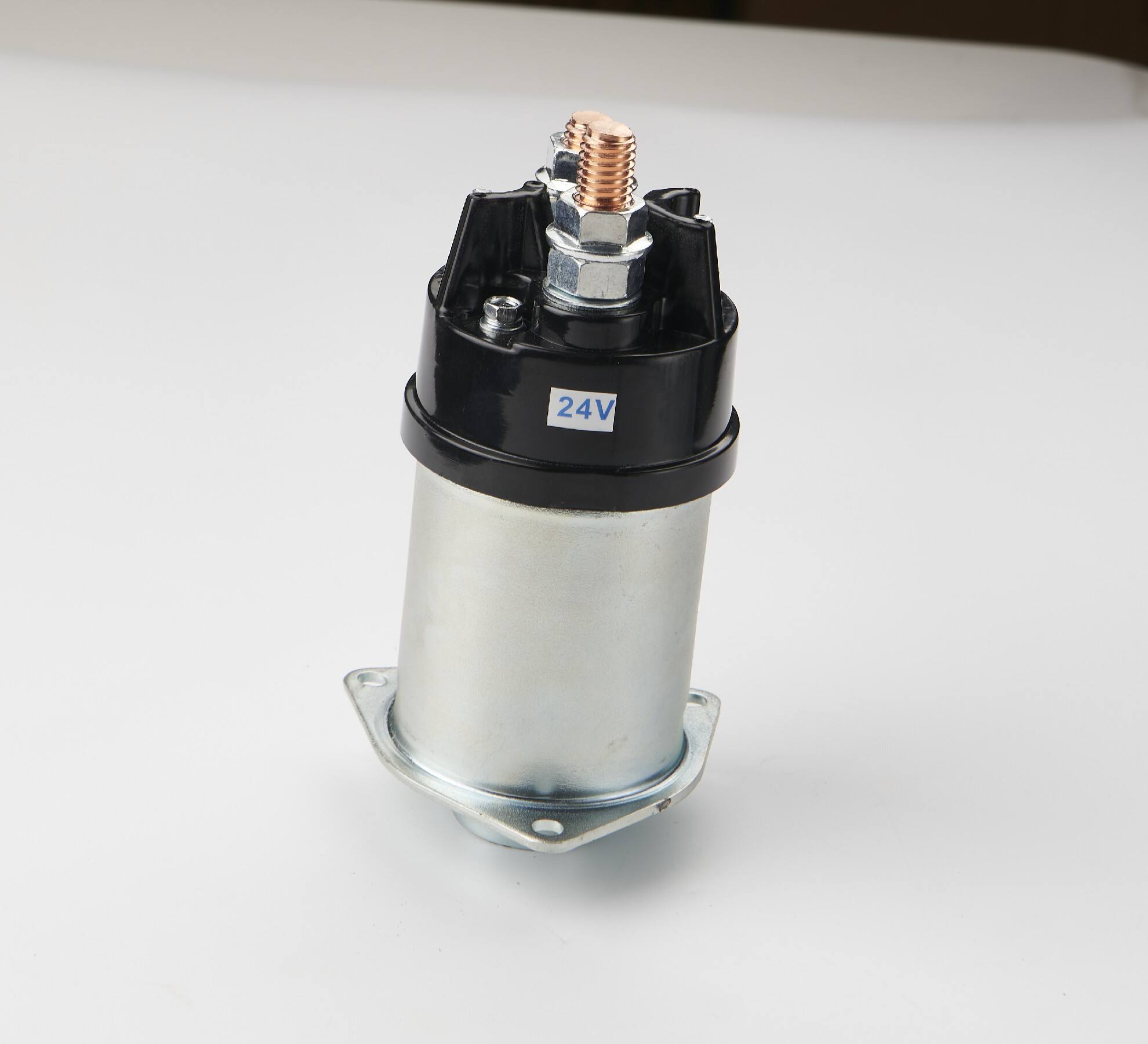
A continuous duty starter solenoid represents a critical electrical component designed to manage heavy-duty switching operations in various mechanical and automotive systems. Unlike standard starter solenoids that operate intermittently, the continuous duty starter solenoid maintains reliable performance during extended operational periods without overheating or component degradation. This specialized solenoid functions as an electromagnetic switch that controls high-current circuits, making it essential for applications requiring sustained electrical engagement. The continuous duty starter solenoid operates through electromagnetic principles, where electrical current flowing through a coil creates a magnetic field that actuates a mechanical plunger or armature. This mechanism enables the solenoid to open or close electrical contacts, effectively controlling power flow to connected devices or systems. The robust construction of continuous duty starter solenoids incorporates heavy-duty materials, enhanced cooling systems, and superior insulation to withstand prolonged operation cycles. These components feature reinforced housing, corrosion-resistant terminals, and advanced contact materials that resist wear and electrical arcing. Modern continuous duty starter solenoids integrate sophisticated thermal management technologies, including heat dissipation fins and specialized coil windings that minimize temperature buildup during extended use. The applications for continuous duty starter solenoids span across multiple industries, including marine vessels, industrial machinery, agricultural equipment, construction vehicles, and specialized automotive systems. Marine applications particularly benefit from these solenoids due to their ability to handle continuous bilge pump operations, anchor windlass systems, and navigation equipment power management. Industrial settings utilize continuous duty starter solenoids for conveyor belt systems, manufacturing equipment, and automated machinery that requires consistent electrical switching capabilities. The agricultural sector relies on these components for irrigation systems, grain handling equipment, and farming machinery that operates for extended periods during seasonal activities.
 EN
EN