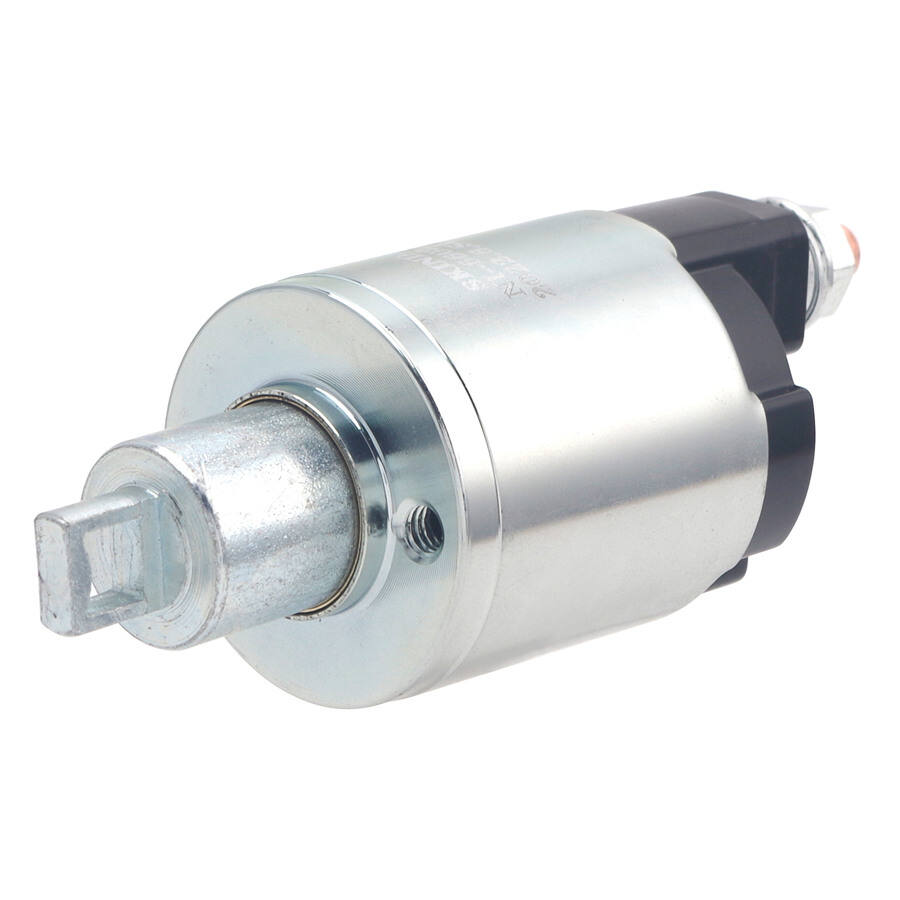
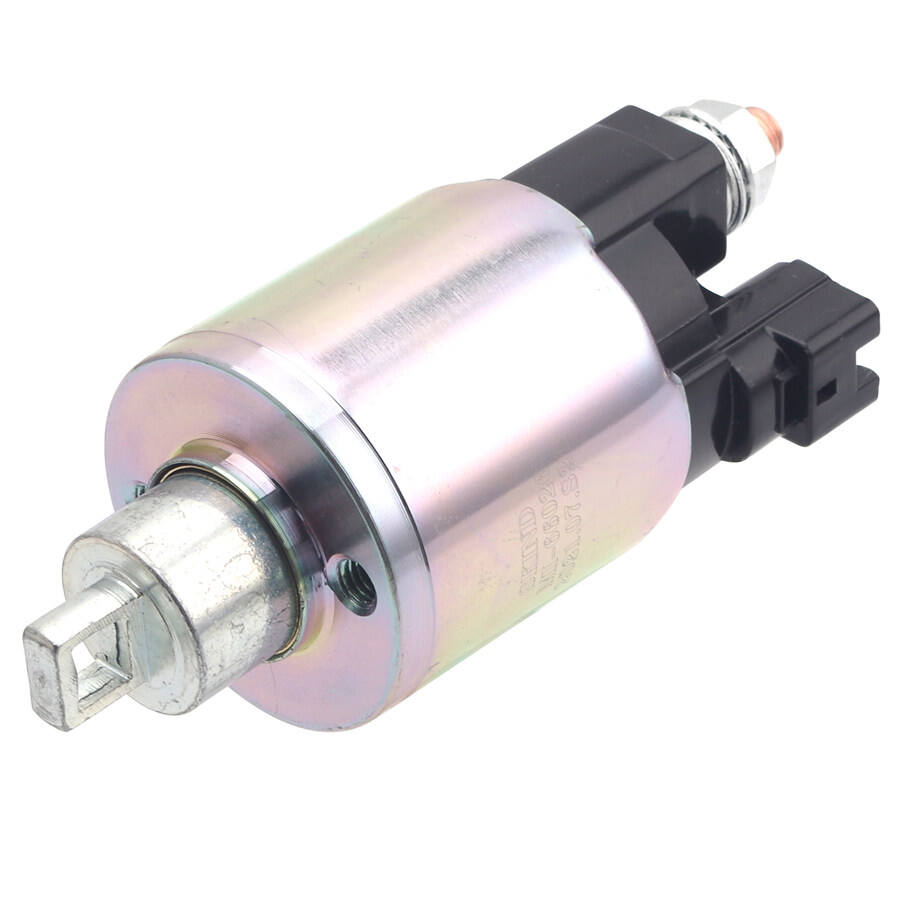
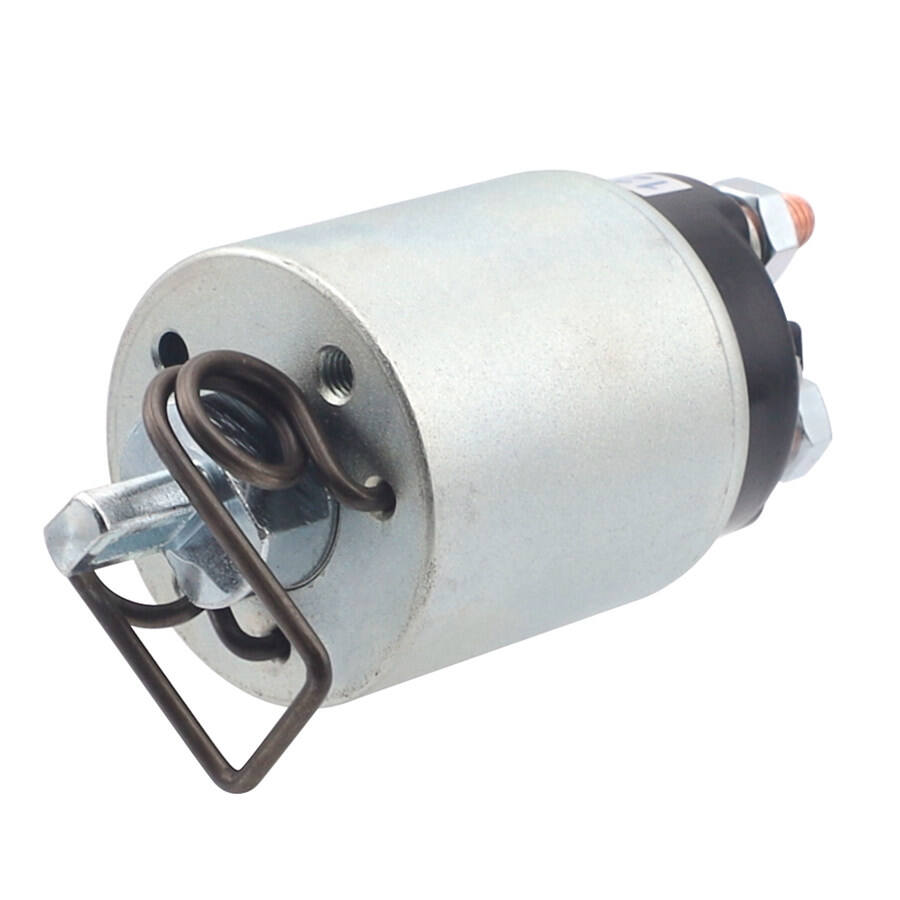
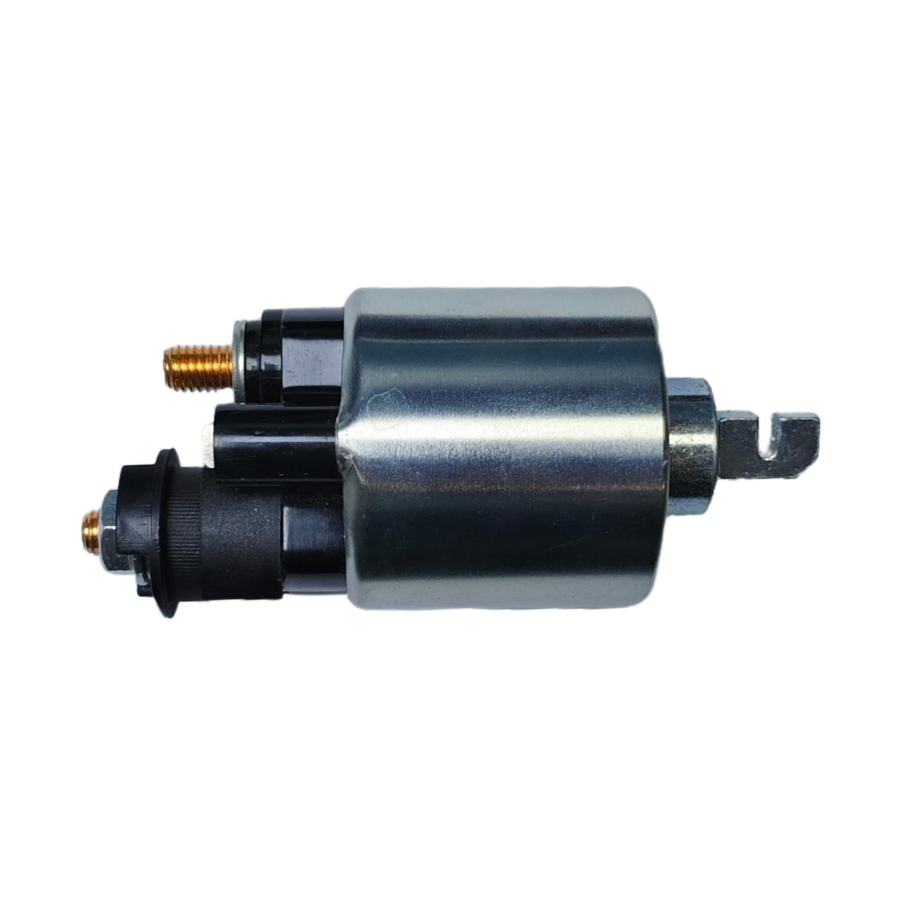
4 prong starter relay
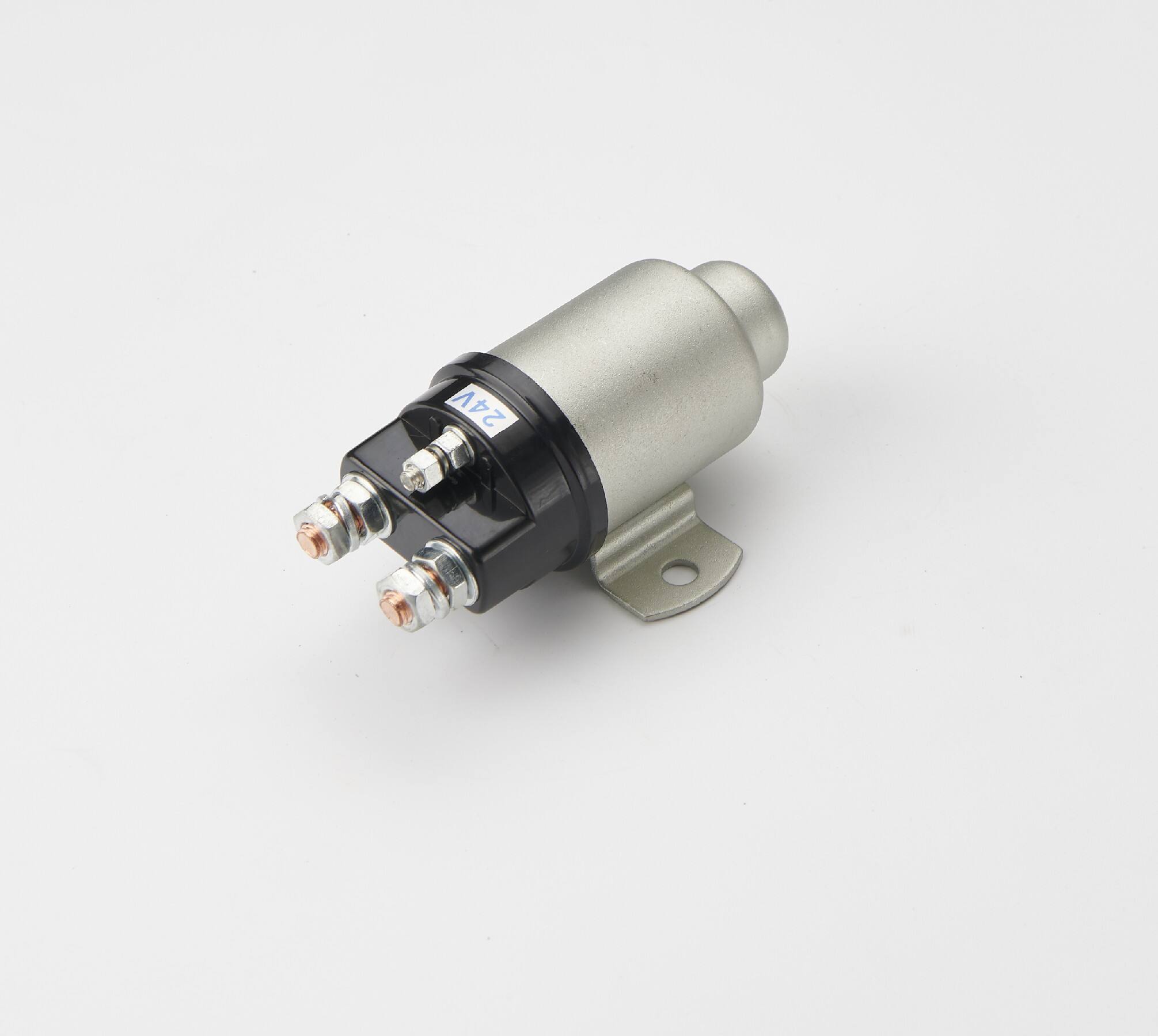
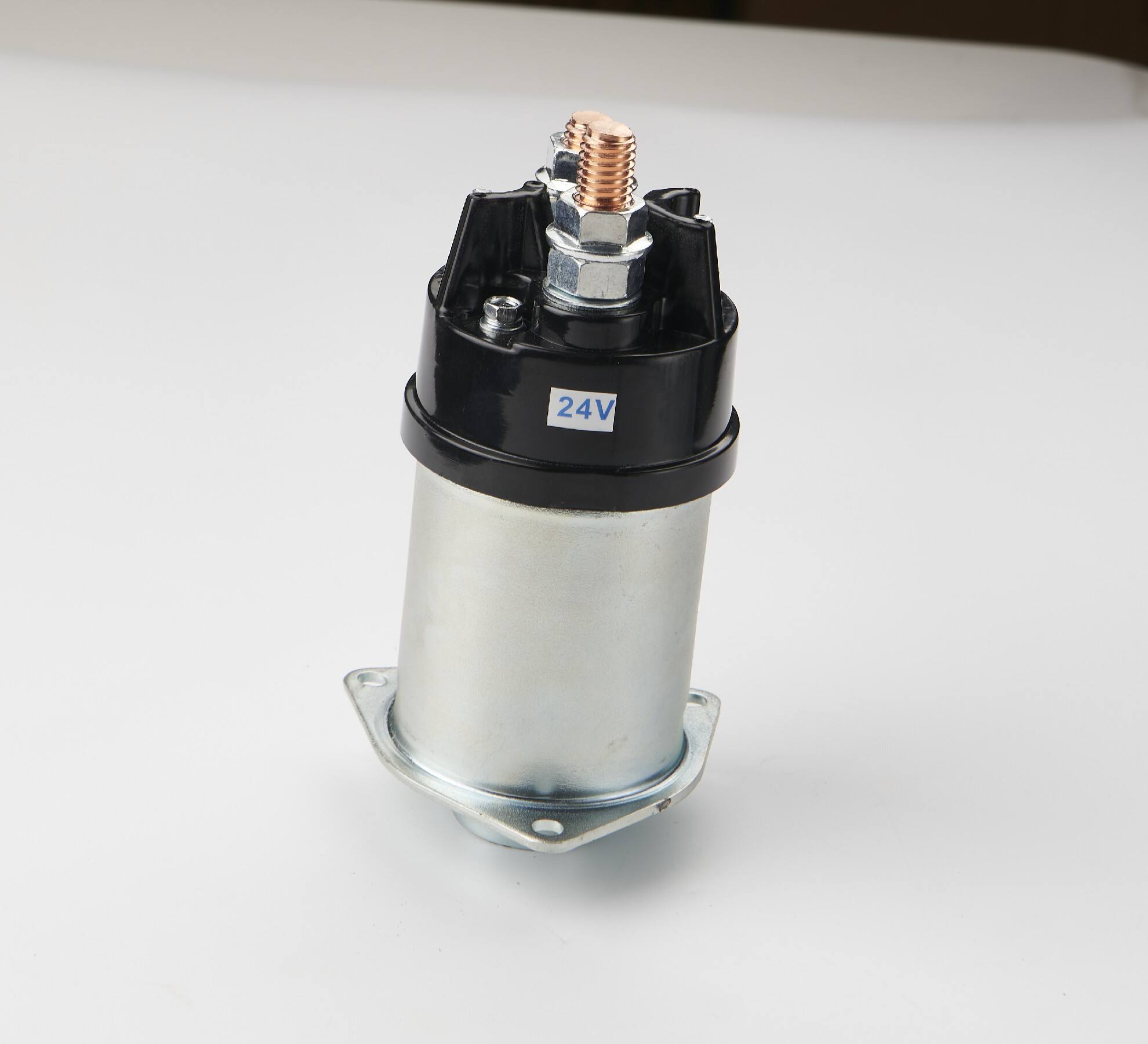
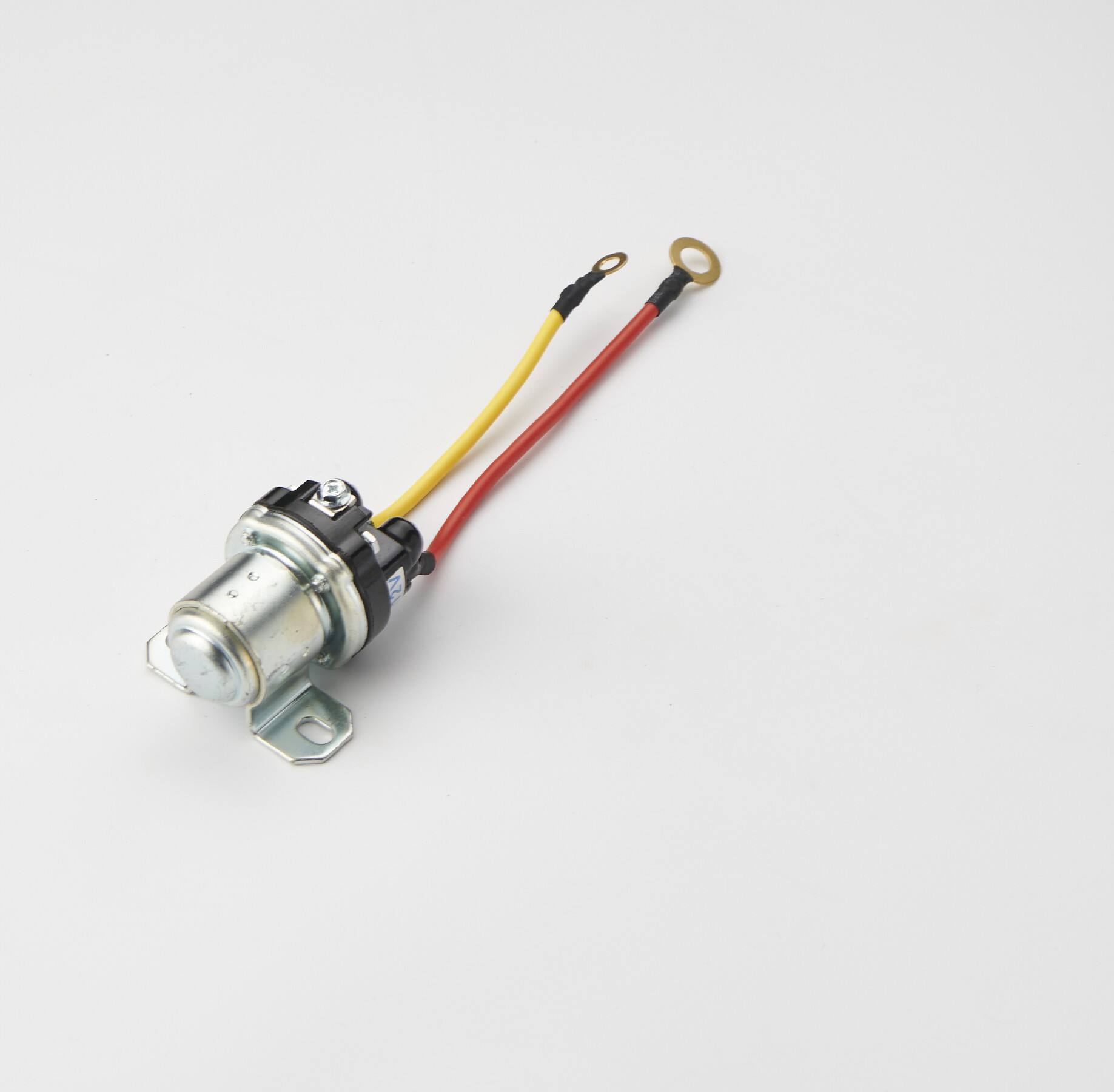
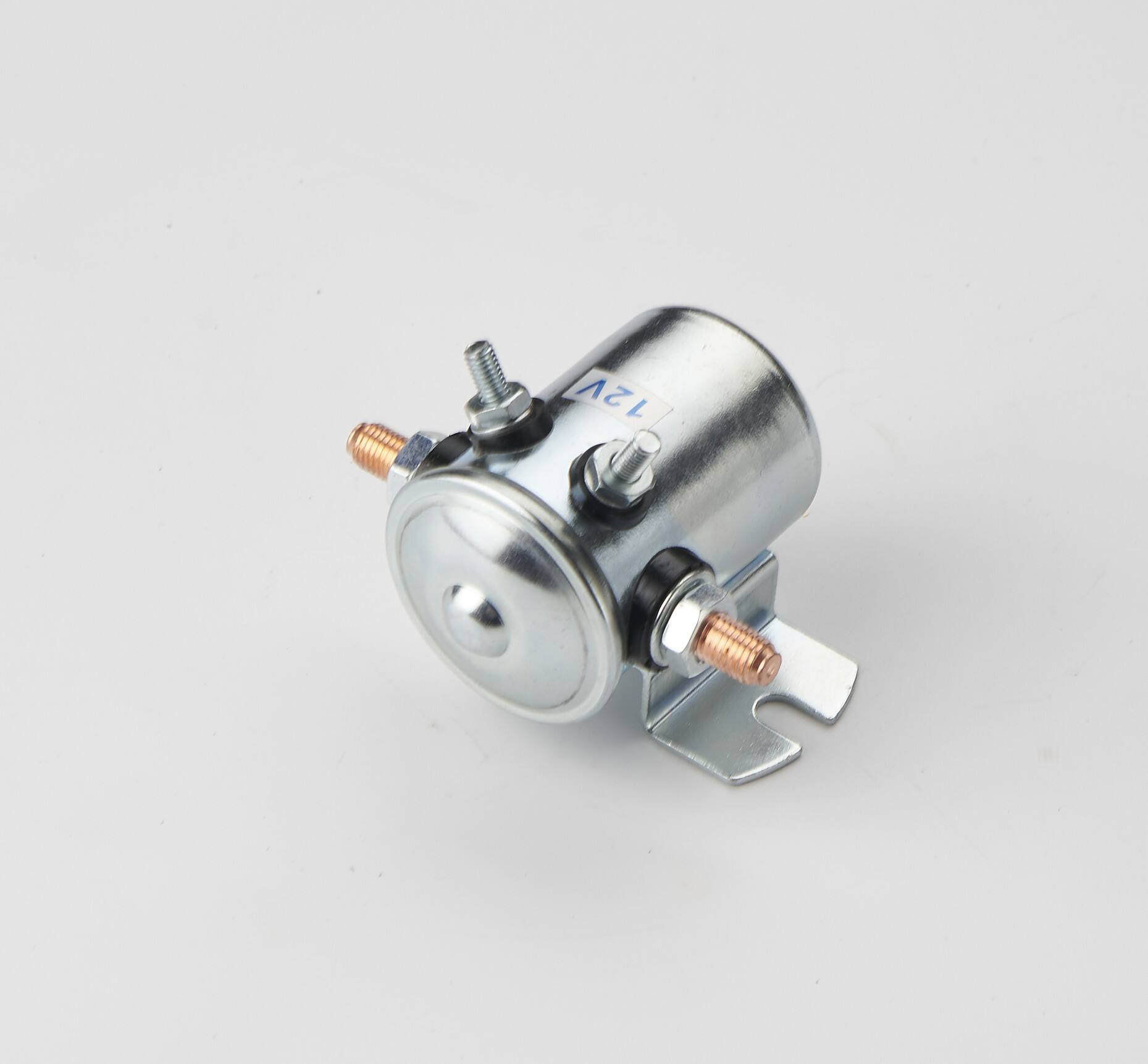
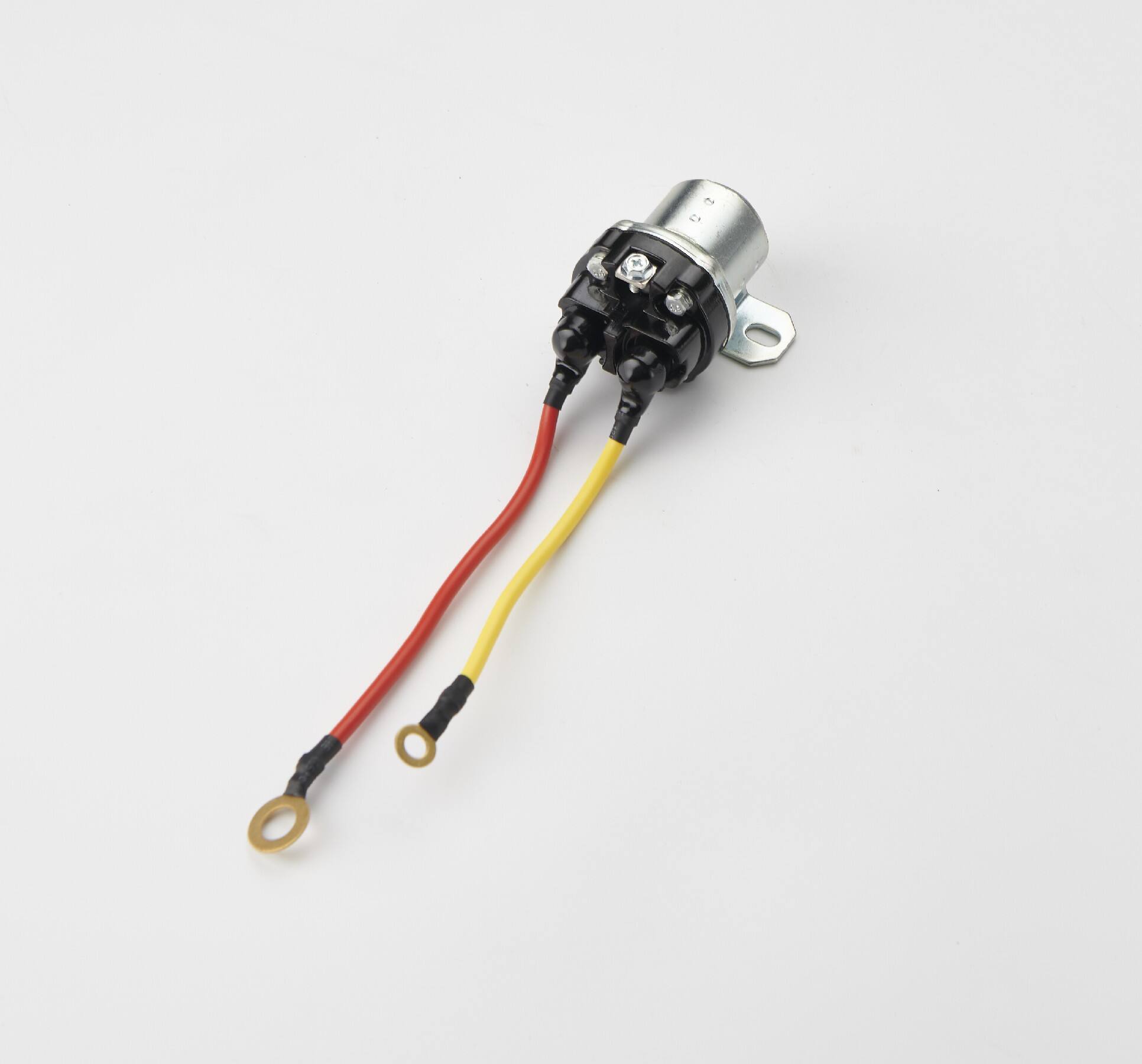
The 4 prong starter relay represents a crucial electrical component in automotive and industrial applications, serving as an electromagnetic switch that controls high-current circuits through low-current signals. This sophisticated relay system features four distinct terminal connections that enable precise control over starter motor operations and various other electrical functions. The 4 prong starter relay operates on the principle of electromagnetic induction, utilizing a coil that creates a magnetic field when energized, which then actuates internal contacts to complete or interrupt electrical circuits. The primary function of this relay involves managing the substantial electrical current required to engage starter motors in vehicles and machinery. When the ignition switch sends a low-current signal to the relay coil, it generates sufficient magnetic force to close the internal contacts, allowing high-current flow from the battery to the starter motor. This design protects sensitive ignition switches from handling dangerous amperage levels while ensuring reliable motor engagement. The technological features of the 4 prong starter relay include robust contact materials capable of withstanding repeated switching operations under high electrical loads. Modern variants incorporate advanced metallurgy in contact construction, utilizing silver-plated or tungsten contacts that resist welding and corrosion. The relay housing provides environmental protection against moisture, dust, and vibration, essential factors in automotive and industrial environments. Temperature compensation mechanisms ensure consistent performance across varying operating conditions, while arc suppression technology minimizes contact degradation during switching operations. Applications for the 4 prong starter relay extend beyond automotive starter systems to include HVAC equipment, industrial machinery, marine applications, and backup power systems. In automotive contexts, these relays control not only starter motors but also cooling fans, fuel pumps, and auxiliary equipment requiring high-current switching capabilities.
 EN
EN