Heavy-Duty Construction for Commercial Applications
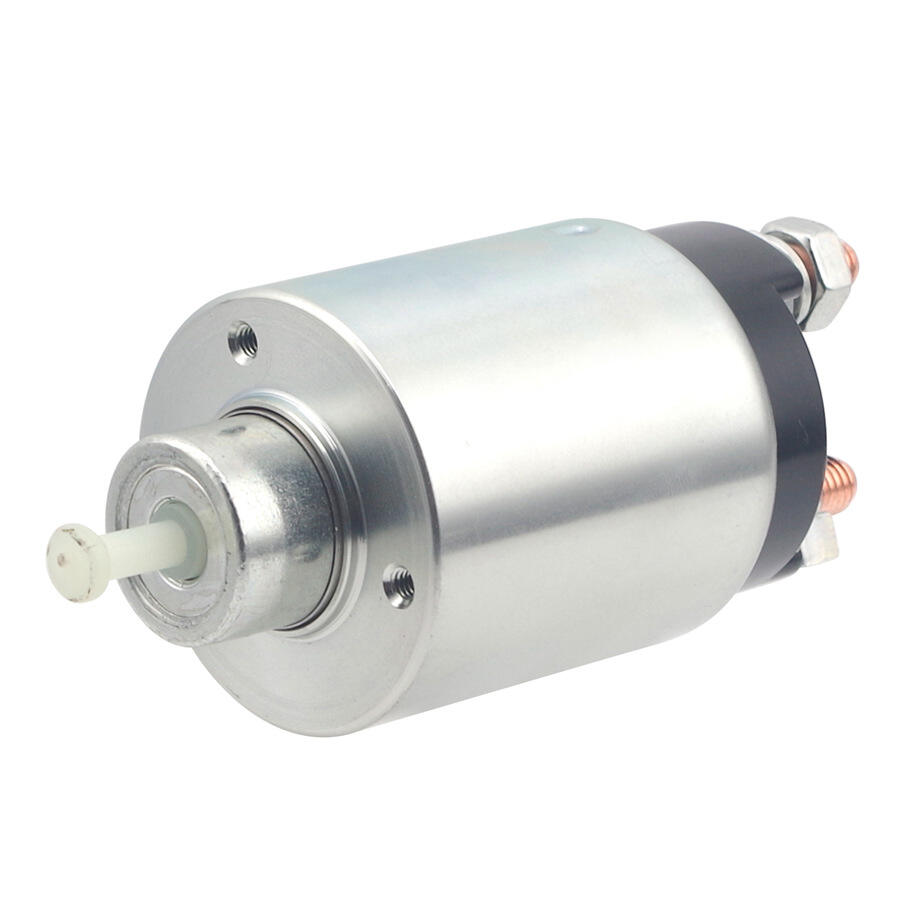
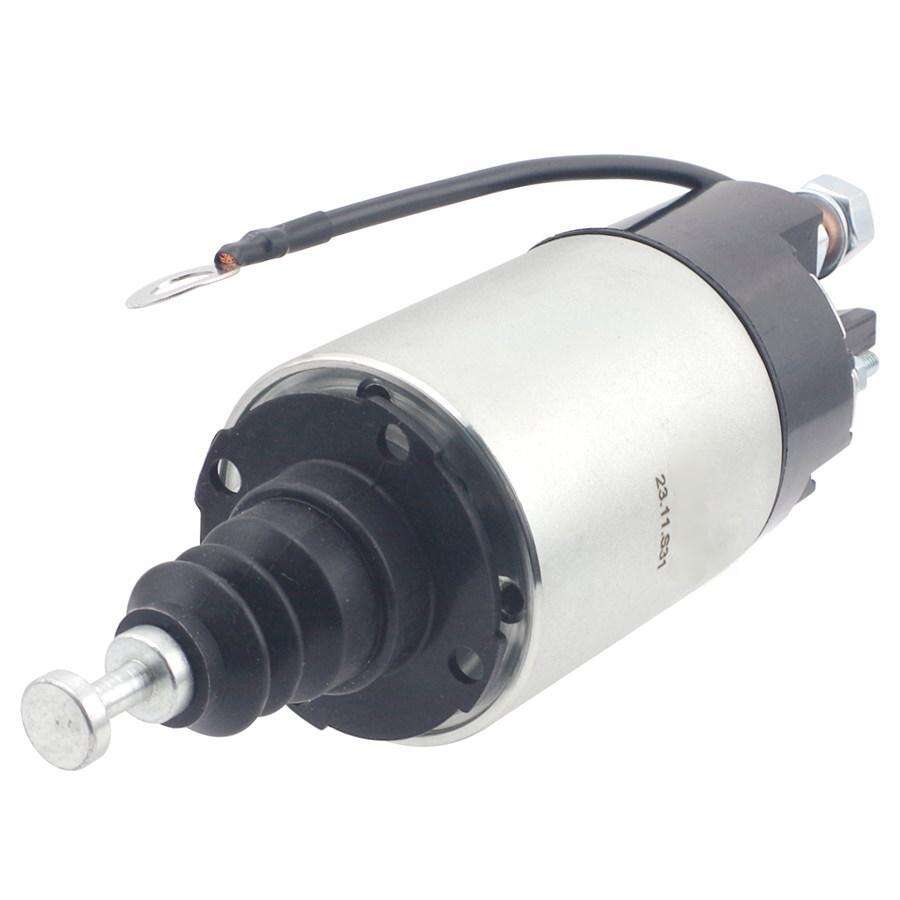
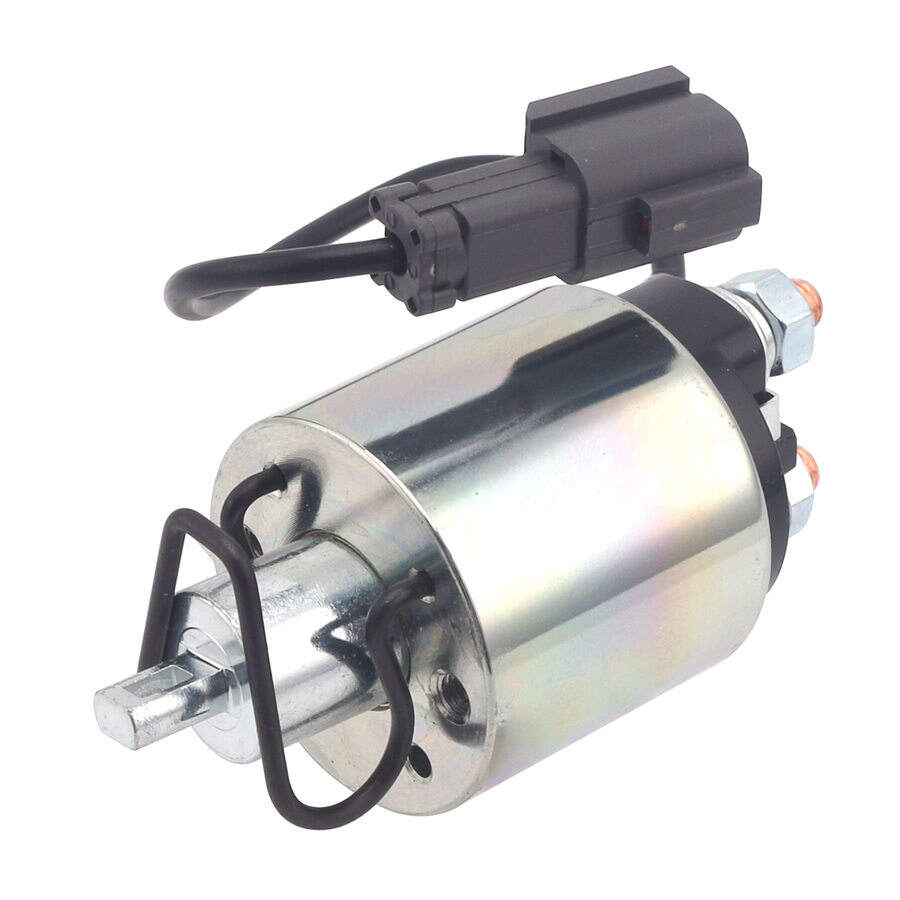
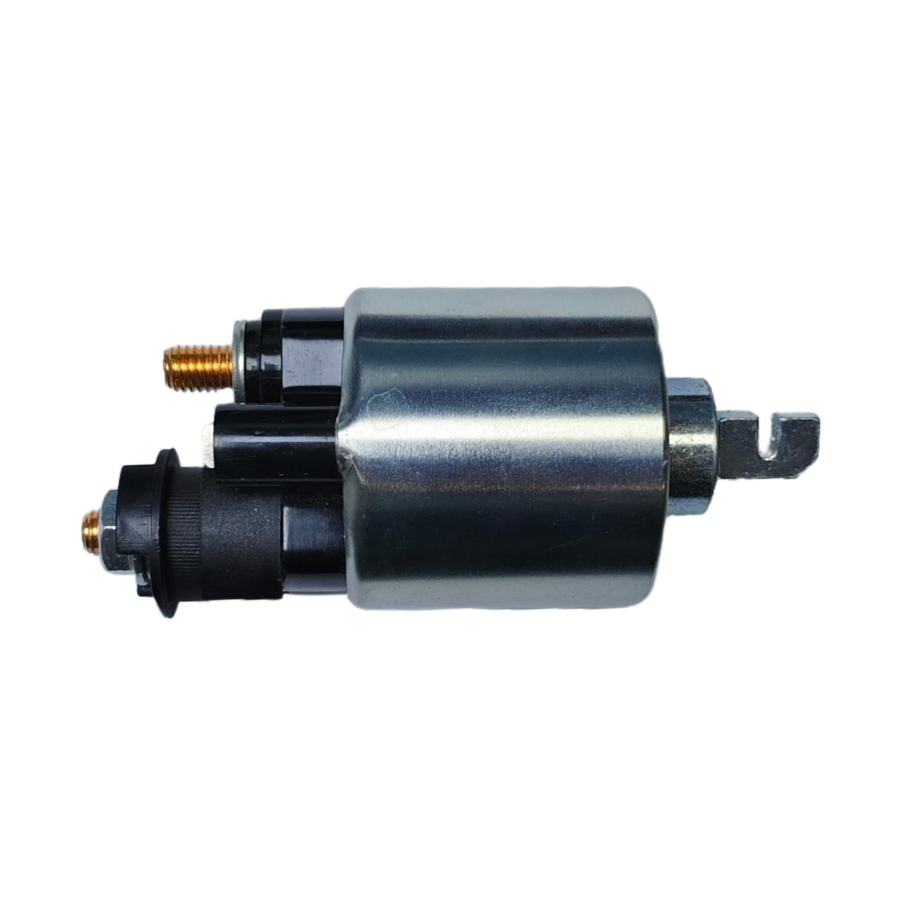
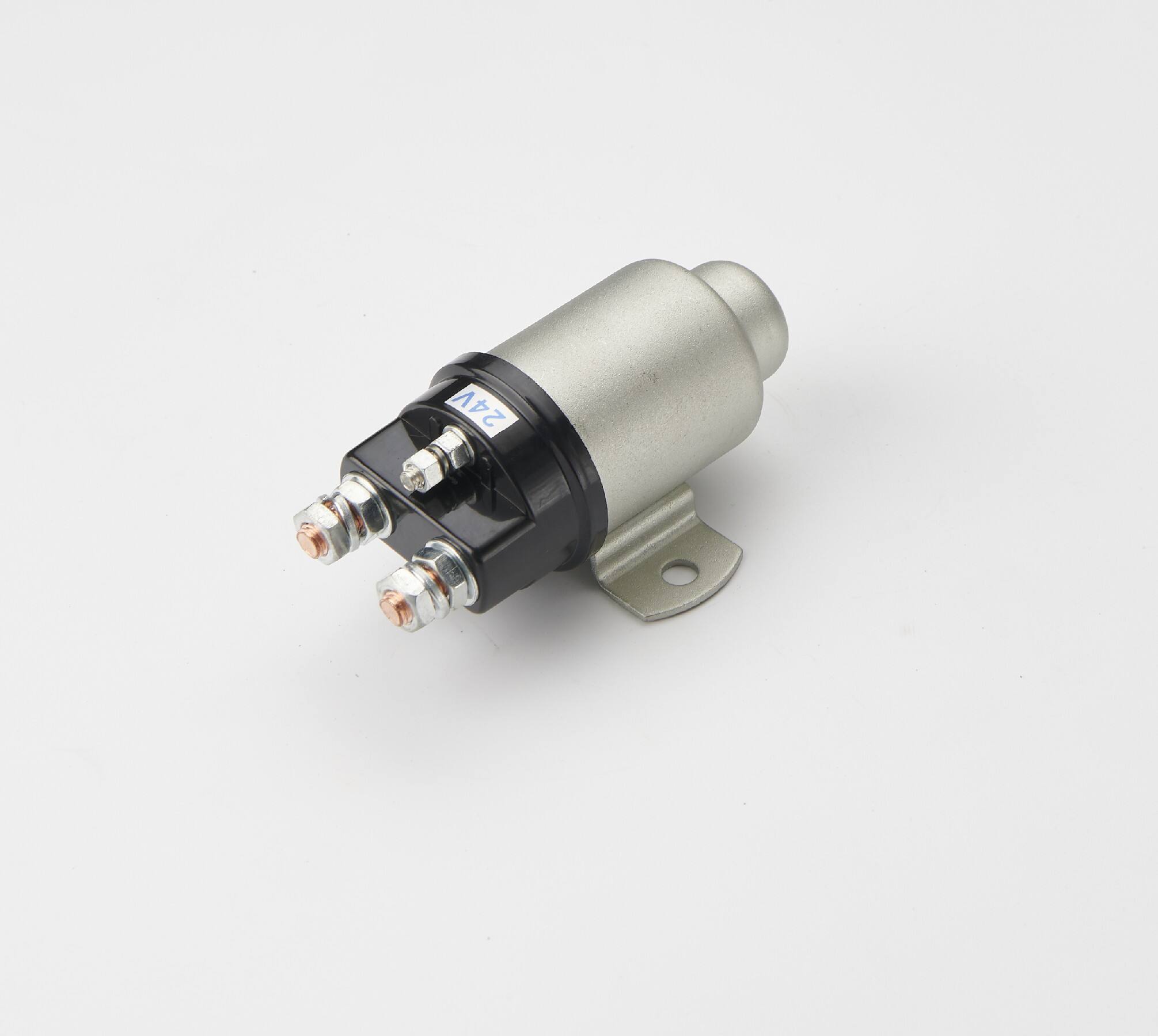
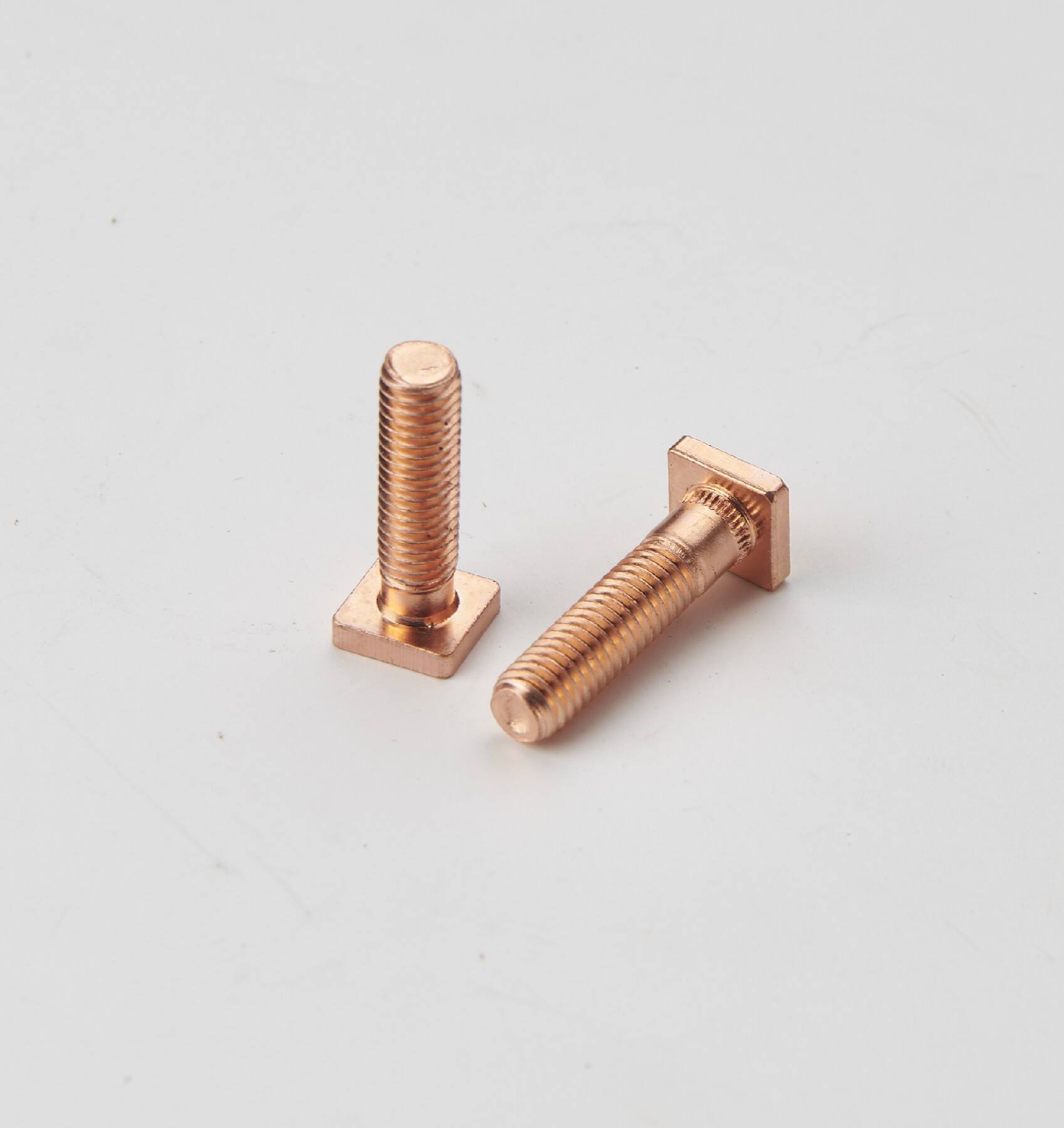
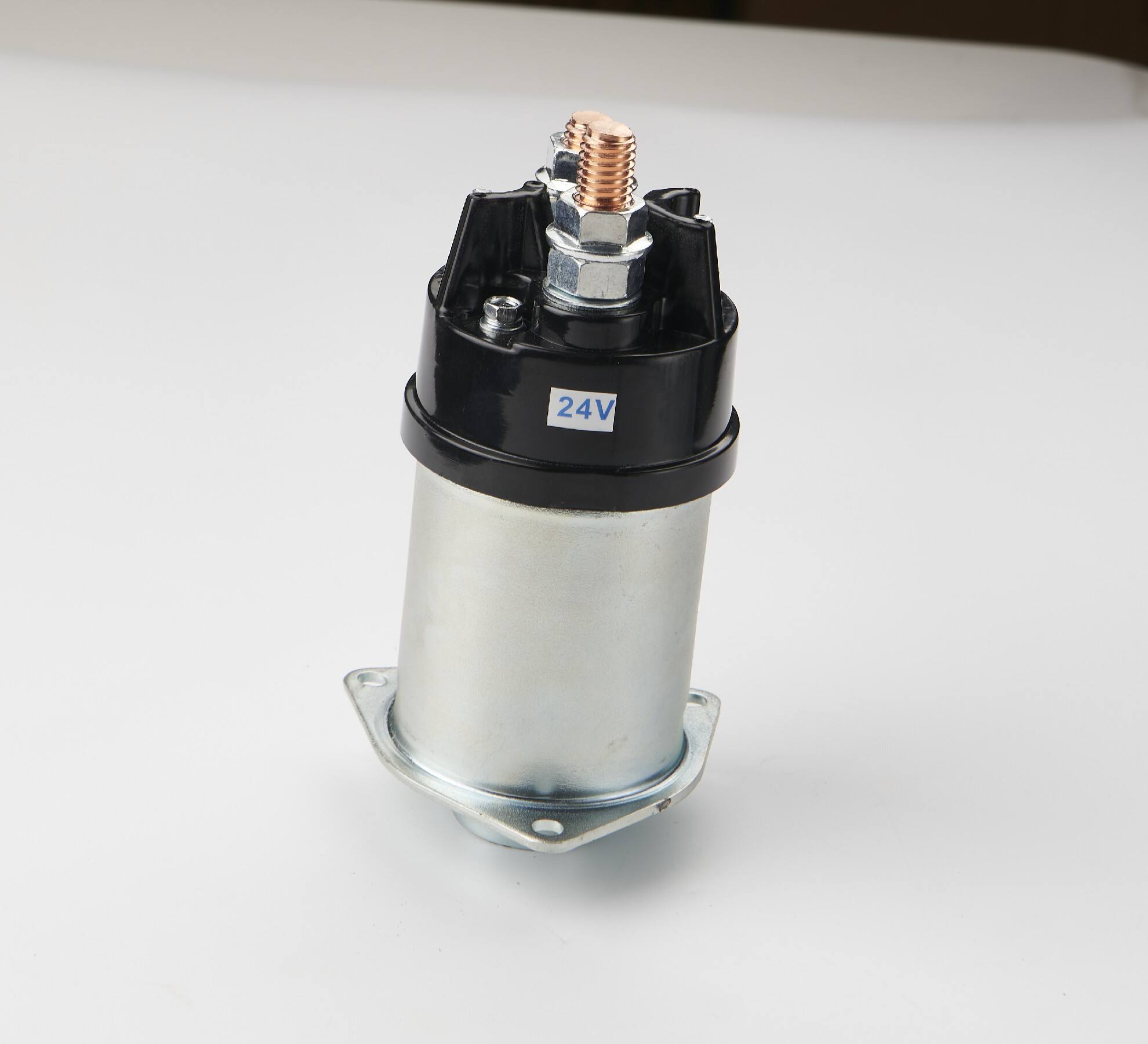
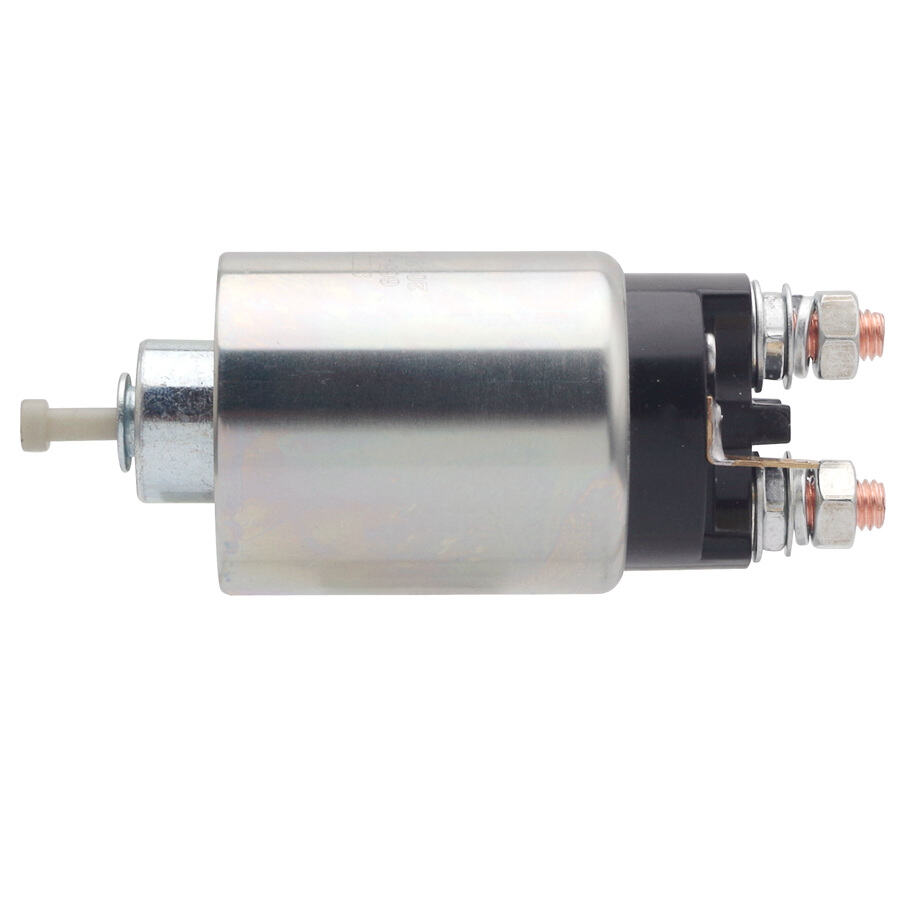
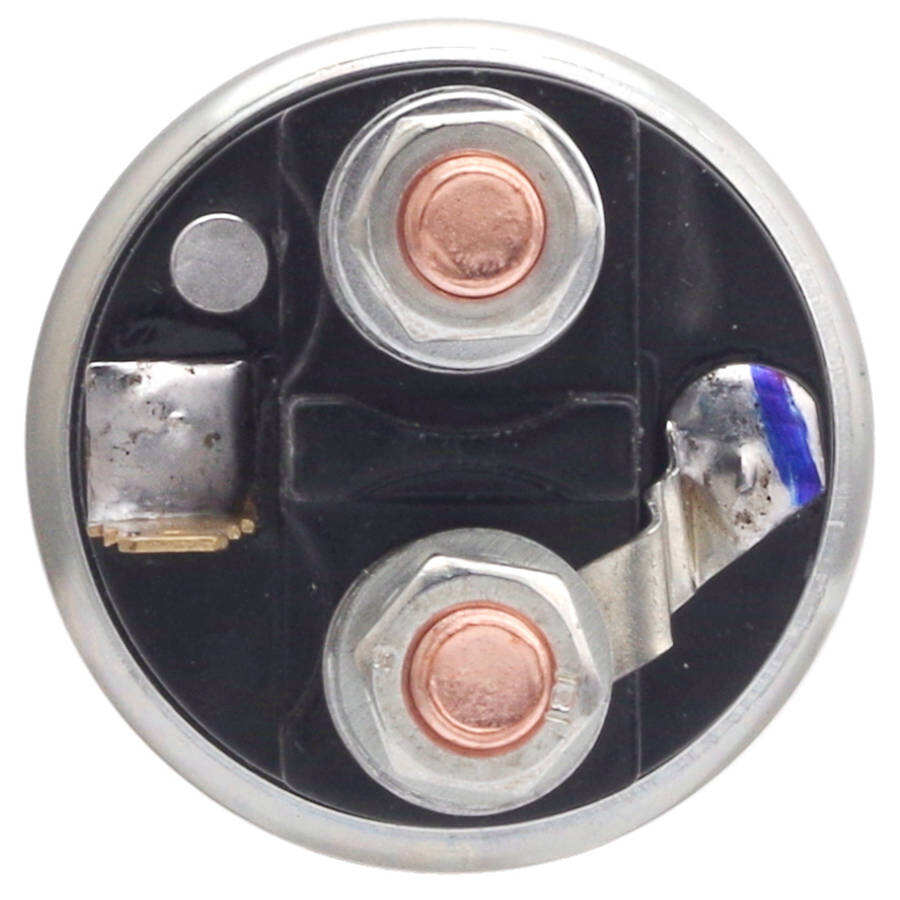
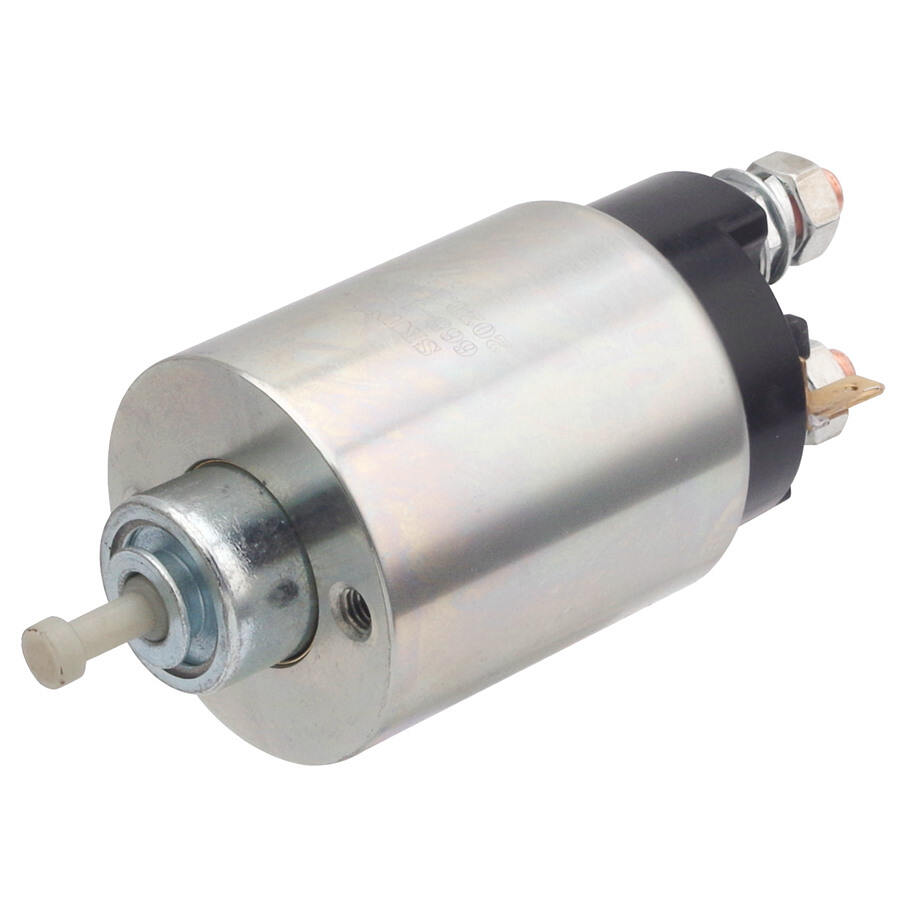
The 2000 F250 starter relay features heavy-duty construction specifically engineered to meet the demanding requirements of commercial truck applications and harsh operating environments. This robust design incorporates industrial-grade materials and manufacturing processes that ensure reliable performance under extreme conditions typically encountered in construction, agriculture, towing, and fleet operations where vehicle dependability directly impacts productivity and profitability. The relay housing consists of high-temperature thermoplastic materials that resist cracking, warping, and degradation when exposed to engine compartment heat cycles, chemical contamination, and mechanical vibration associated with heavy truck operations. Internal components utilize military-specification materials including precious metal contacts that maintain electrical integrity despite exposure to corrosive elements, temperature extremes, and high-frequency switching demands common in commercial applications. The heavy-duty construction includes reinforced terminal connections that resist loosening due to vibration and thermal cycling, preventing intermittent electrical connections that could cause starting failures during critical operational periods. Sealed housing design incorporates multiple barrier systems that prevent moisture intrusion, dust contamination, and chemical exposure from compromising internal electrical components, ensuring consistent performance in agricultural, construction, and marine environments where environmental protection becomes essential for component longevity. Advanced testing protocols validate the 2000 F250 starter relay's performance under accelerated aging conditions, vibration testing, temperature cycling, and electrical load testing that simulate years of heavy commercial use in compressed timeframes. The heavy-duty design philosophy extends to contact rating specifications that provide substantial safety margins above normal operating requirements, ensuring reliable performance even when electrical system variations occur due to alternator irregularities, battery condition changes, or additional electrical load installations common in work truck configurations. This commercial-grade construction translates into reduced maintenance costs, improved vehicle uptime, and enhanced operational reliability for business owners who cannot afford unexpected vehicle failures that could disrupt work schedules, delay project completions, or result in lost revenue opportunities.
 EN
EN