Weatherproof Housing and Environmental Protection
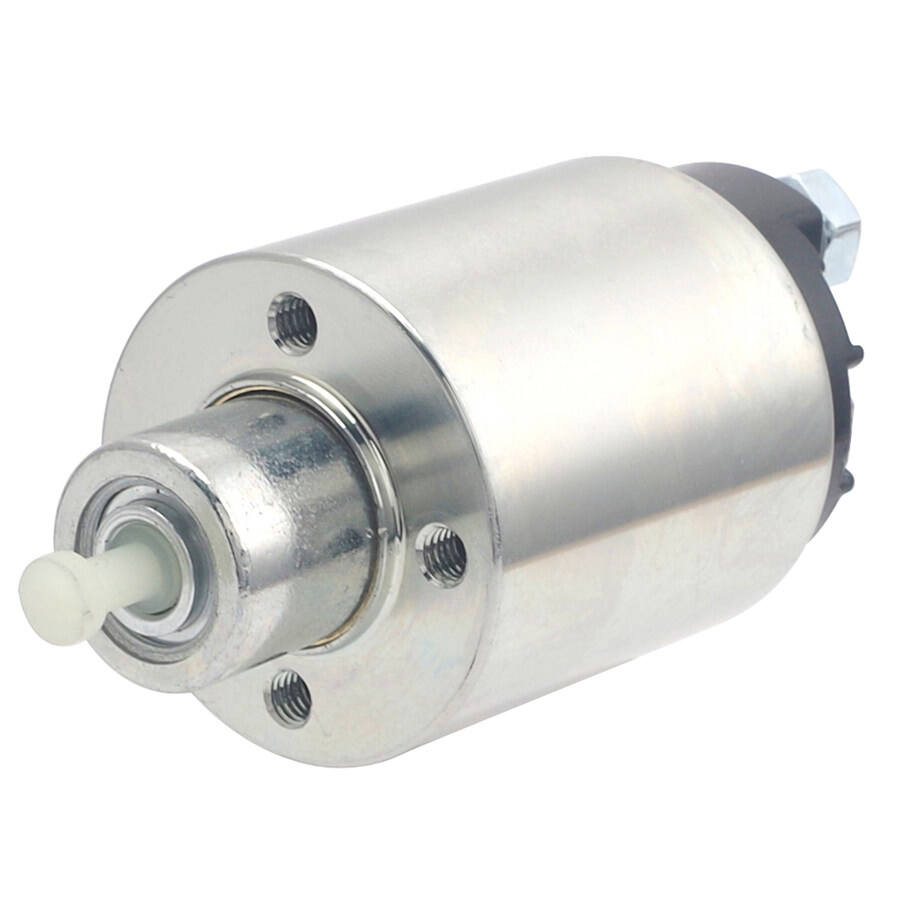
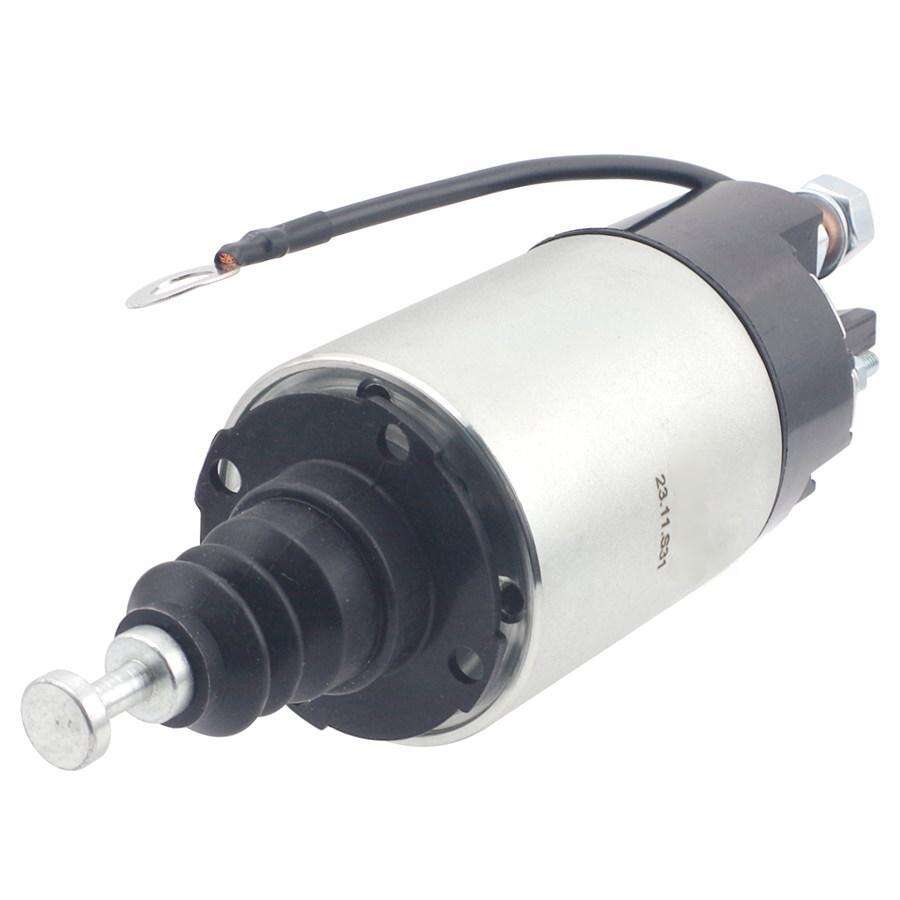
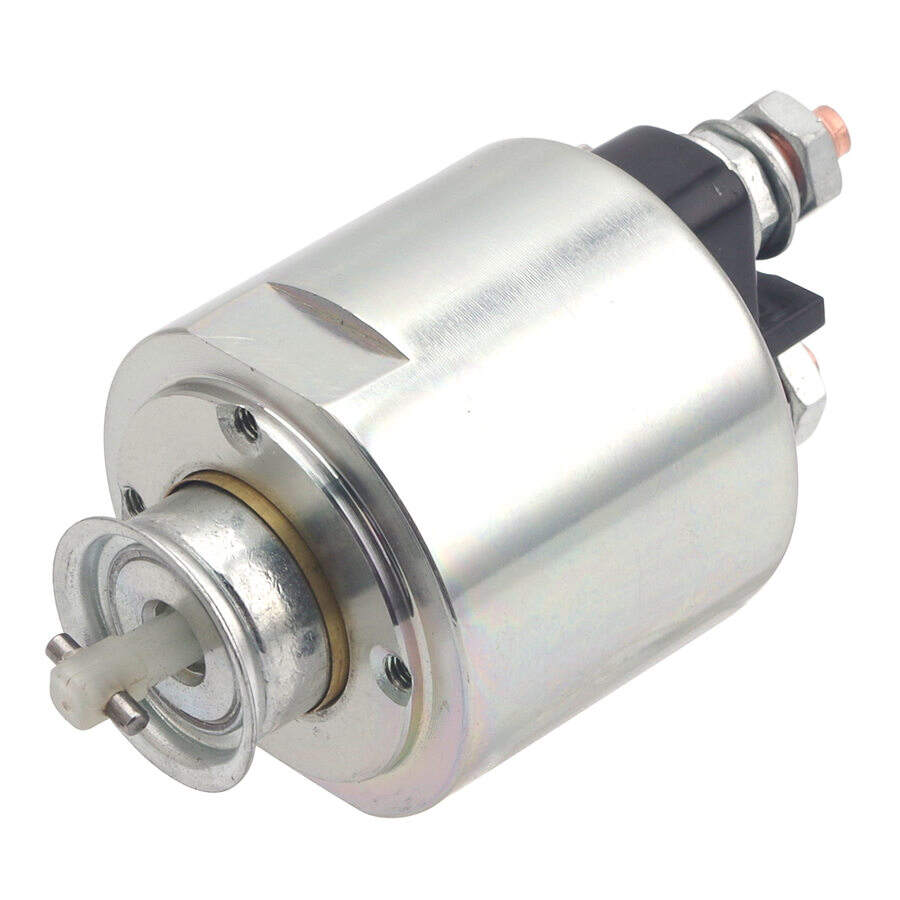
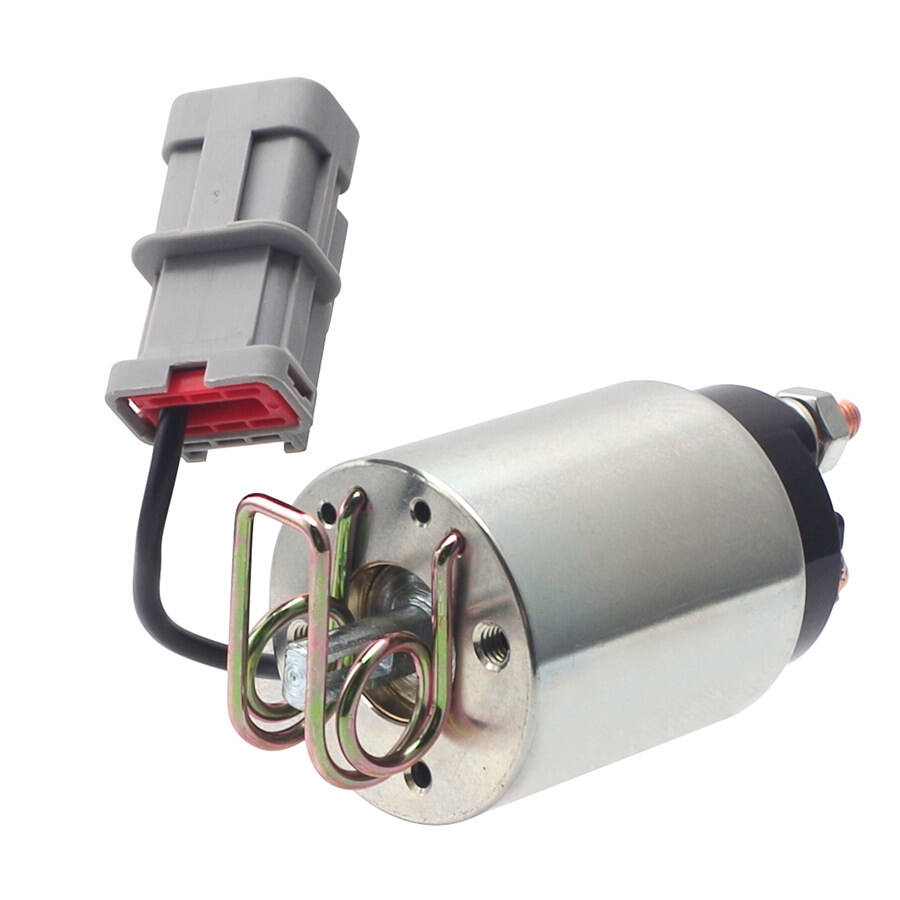
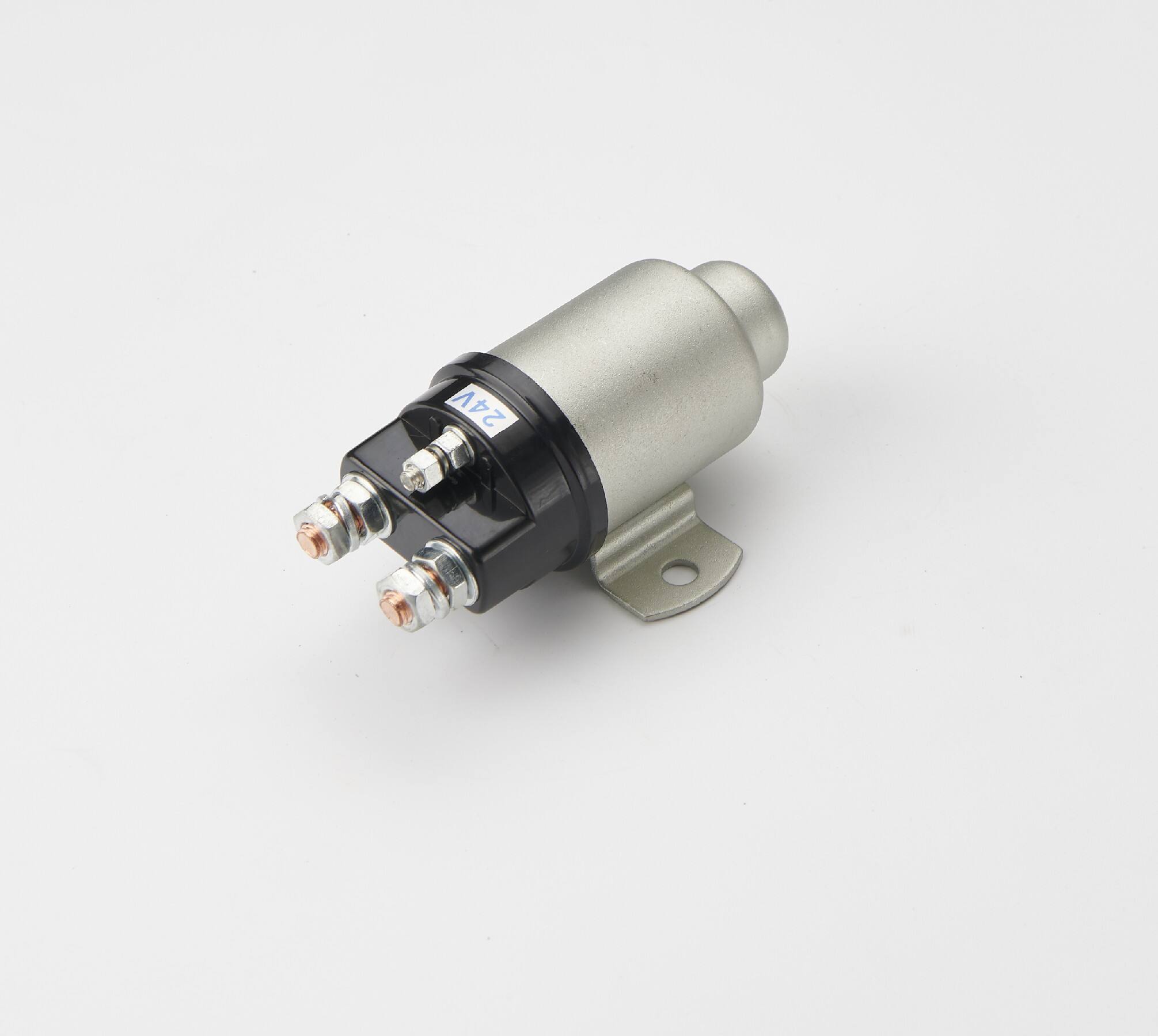
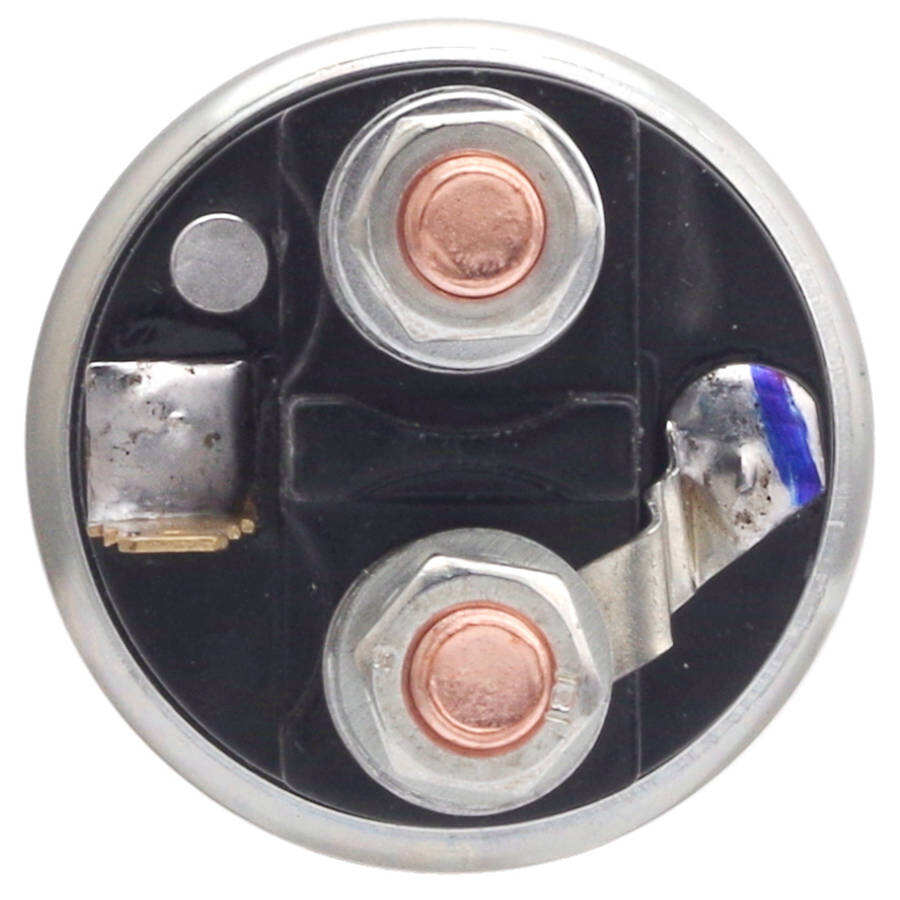
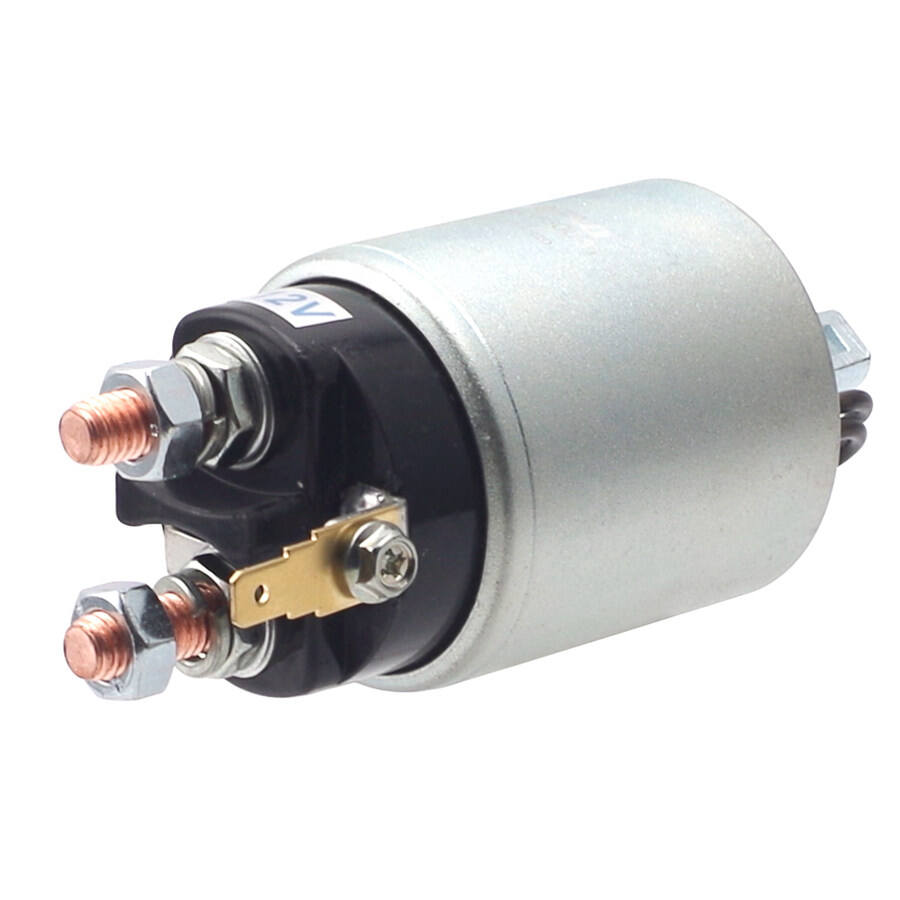
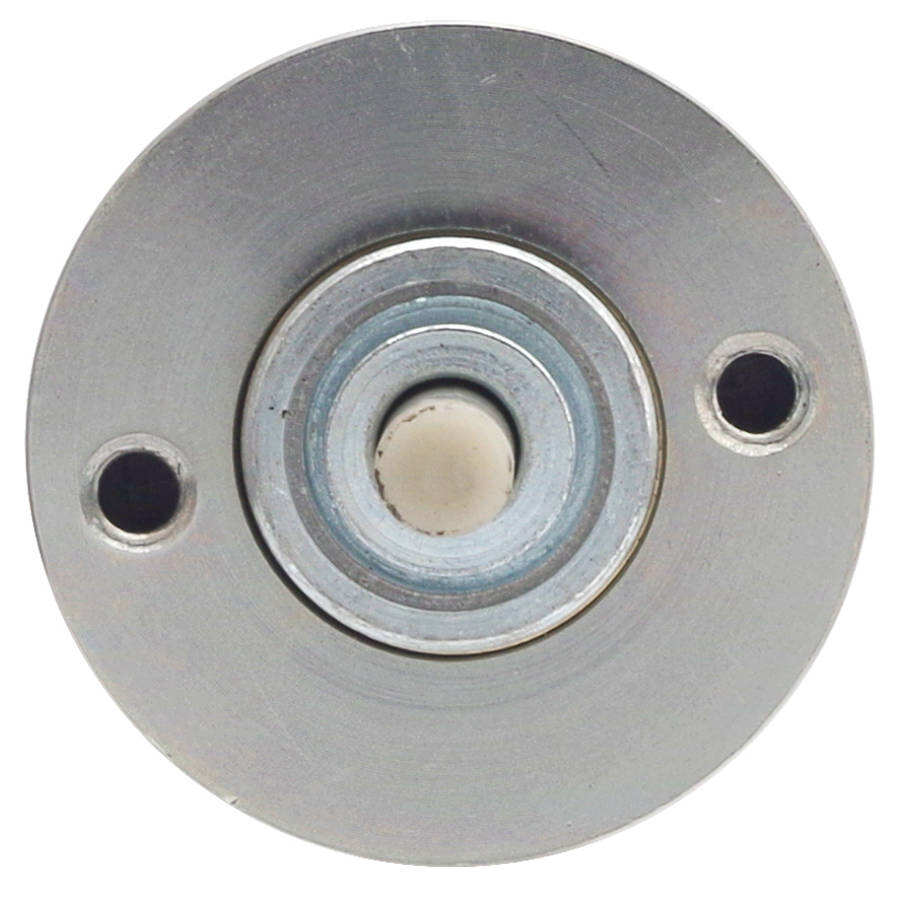
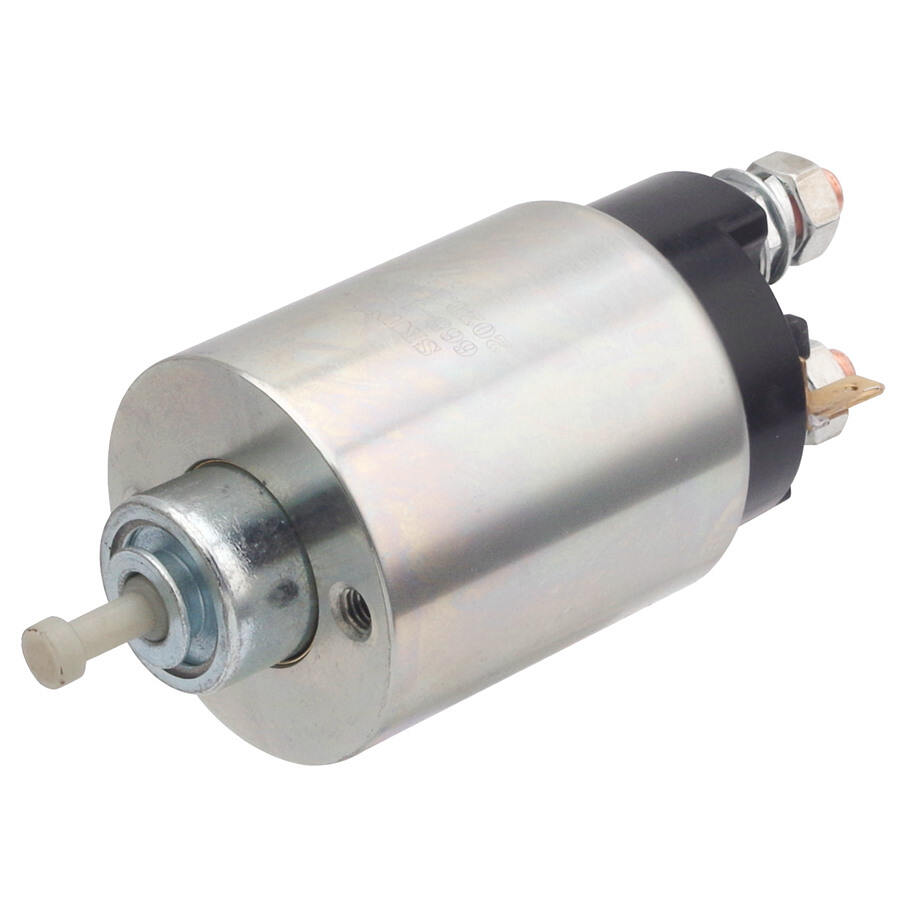
The 99 Ford F150 starter solenoid features comprehensive environmental protection through its advanced weatherproof housing system, designed to withstand the harsh conditions commonly encountered in automotive applications. The housing construction utilizes high-grade polymeric materials that resist cracking, warping, and degradation from exposure to temperature extremes, UV radiation, and aggressive automotive fluids such as engine oils, coolants, and road salt solutions. This robust protection becomes critically important given the solenoid's typical mounting location near the engine compartment, where it faces constant exposure to heat cycling, moisture, and corrosive elements. The housing design incorporates multiple sealing strategies, including precision-molded gaskets and O-ring assemblies that create watertight barriers around all electrical connections and moving parts. These seals maintain their integrity across the full operating temperature range, preventing moisture infiltration that could cause internal corrosion or electrical shorts. Professional installers appreciate the housing's thoughtful design features, such as drain provisions that allow any accumulated condensation to escape rather than collecting inside the unit where it could cause damage. The material selection process considered factors such as chemical resistance, ensuring the housing maintains structural integrity when exposed to common automotive chemicals including brake fluid, power steering fluid, and various cleaning solvents used during routine maintenance. Impact resistance represents another key aspect of the housing design, protecting internal components from damage due to road debris or accidental contact during service procedures. The housing also incorporates electromagnetic interference shielding that prevents external radio frequency signals from disrupting solenoid operation while simultaneously containing any electromagnetic emissions generated during switching operations. This shielding becomes increasingly important in modern vehicles equipped with sensitive electronic systems that could be affected by electrical noise. Thermal management features built into the housing design help dissipate heat generated during operation, preventing the overheating conditions that can accelerate component degradation and reduce service life.
 EN
EN