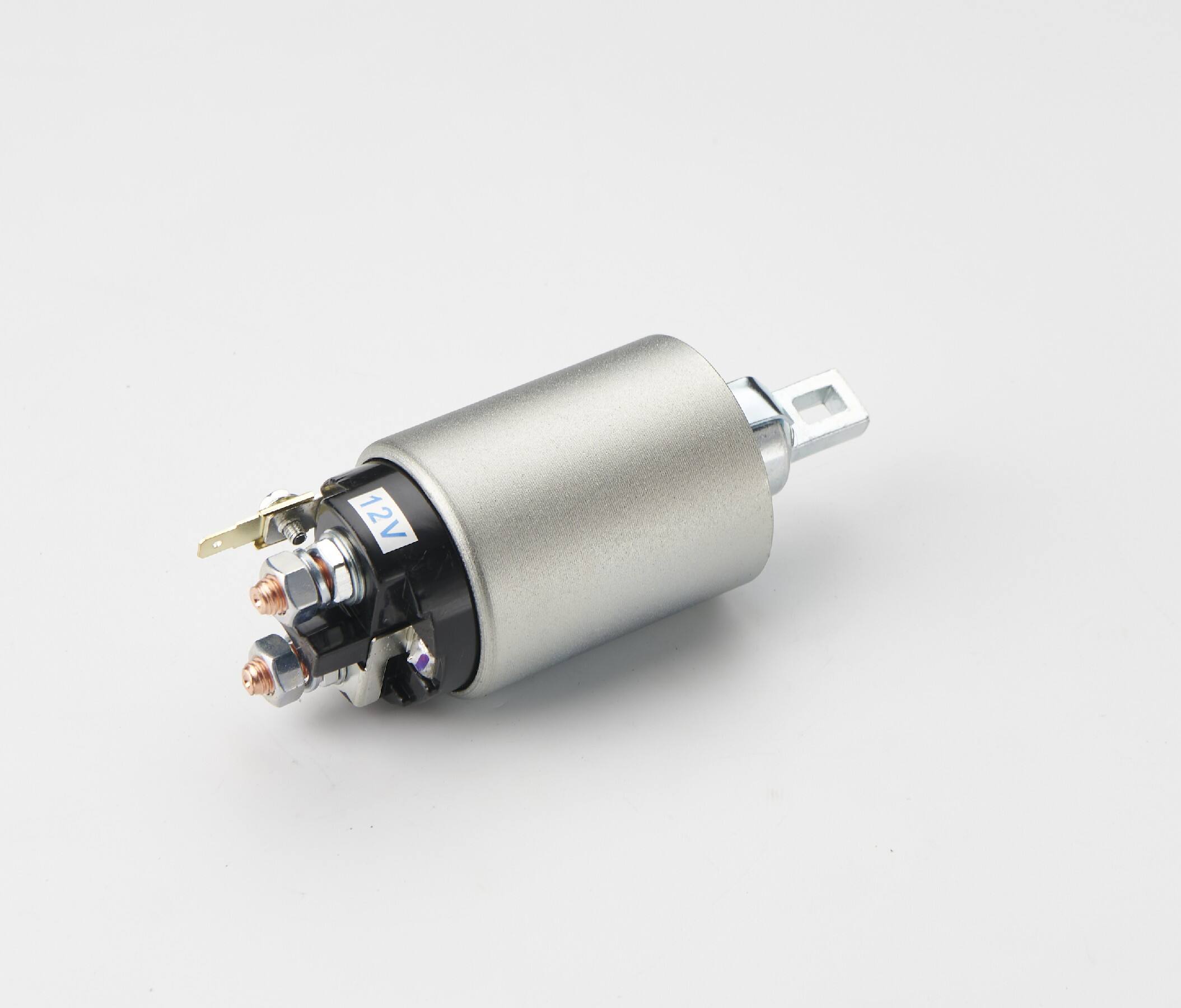
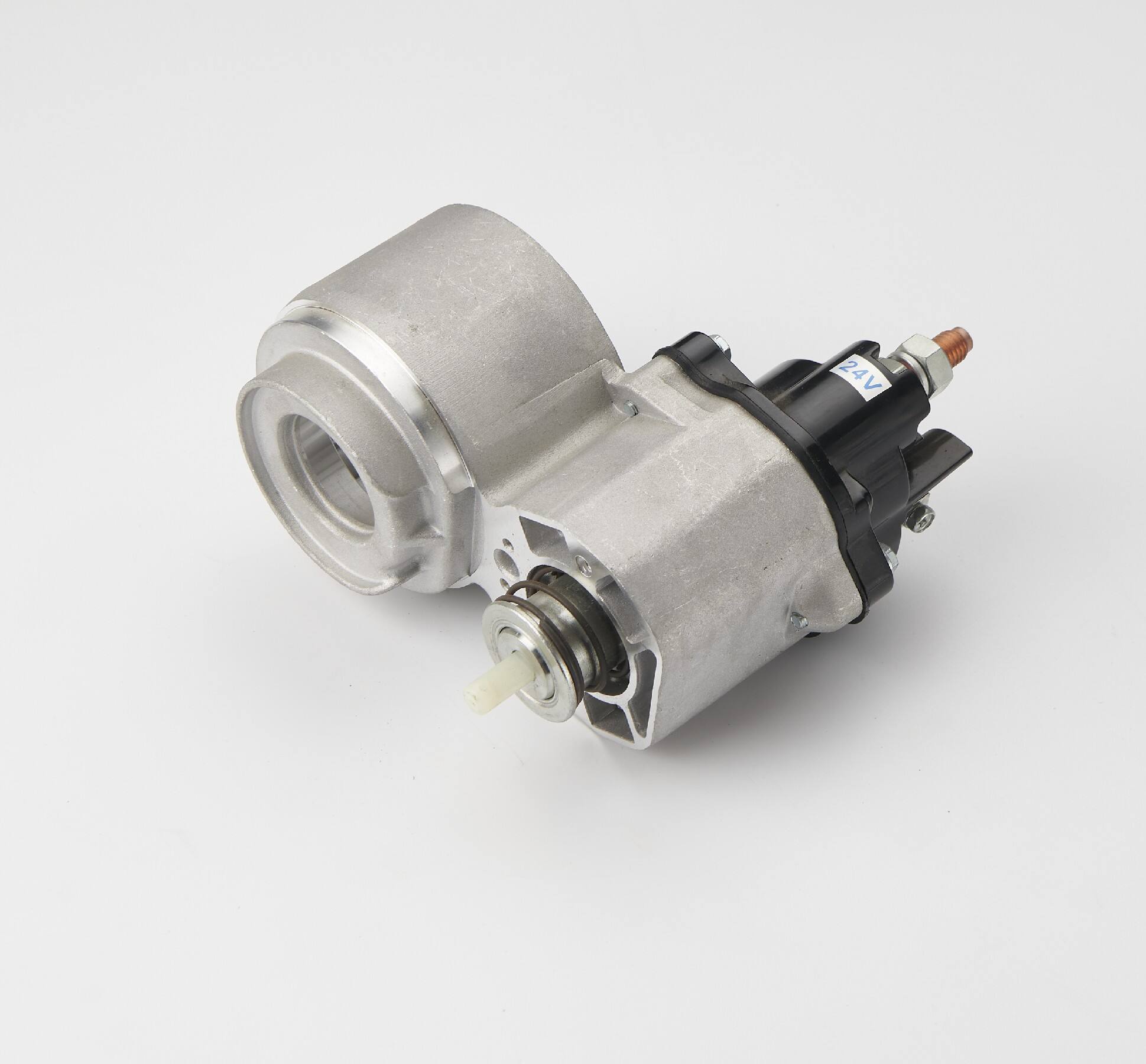
12 volt starter solenoid
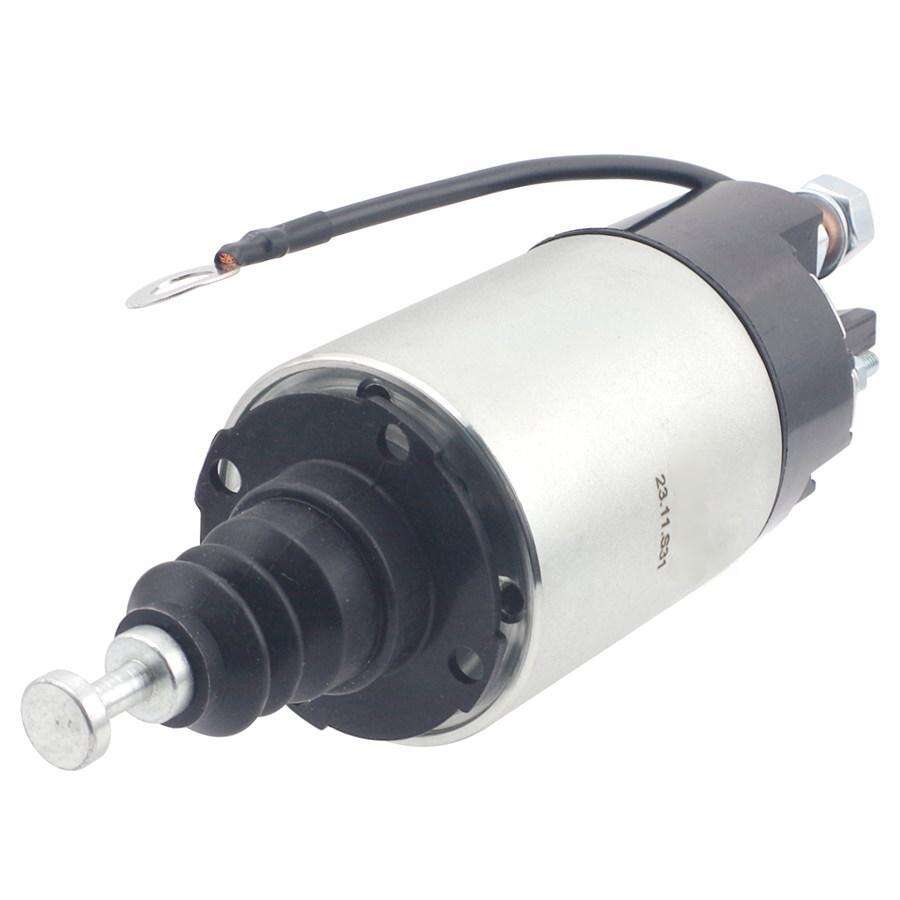
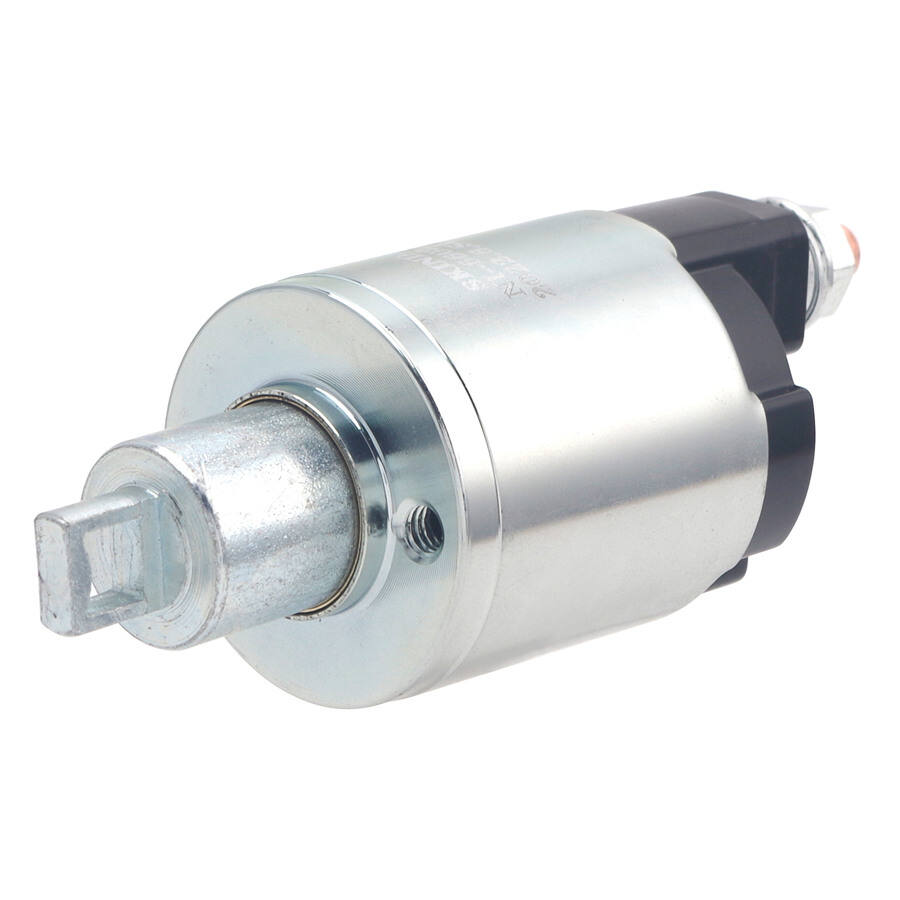
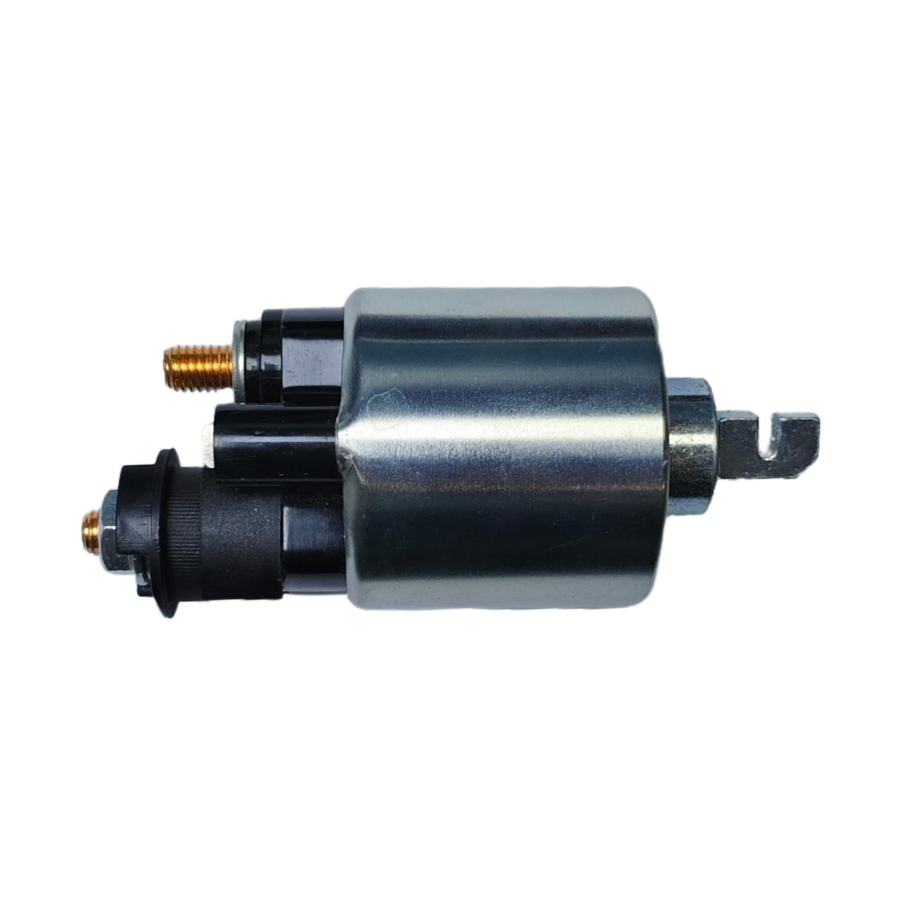
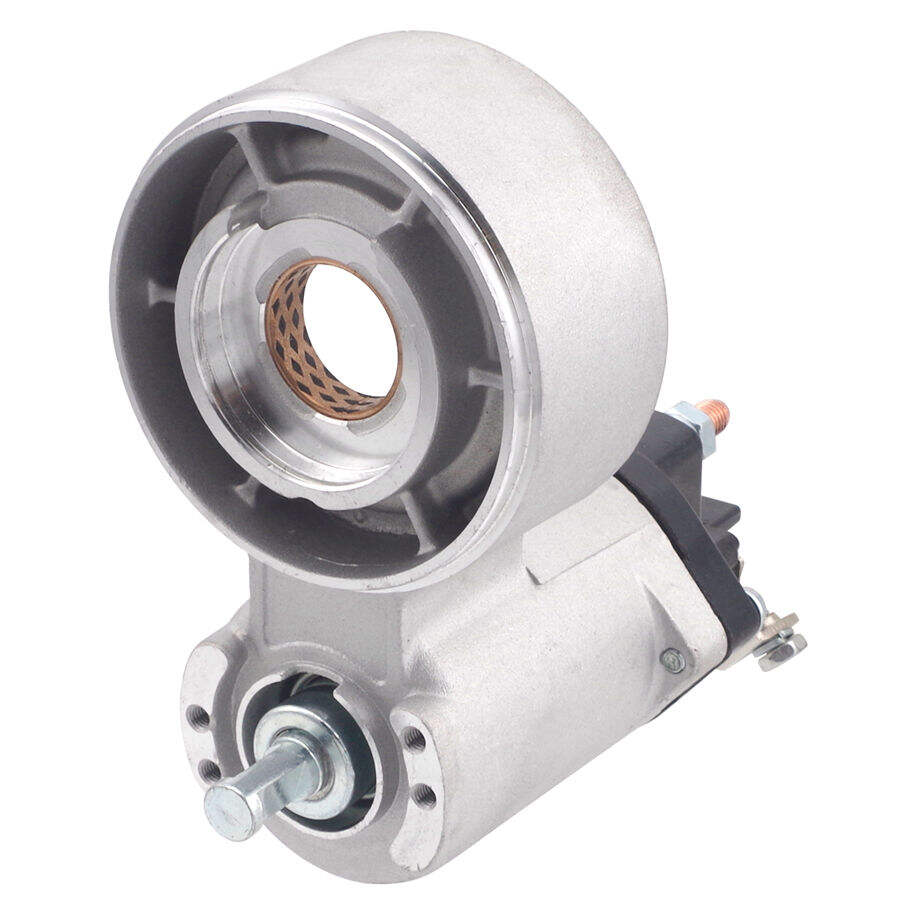
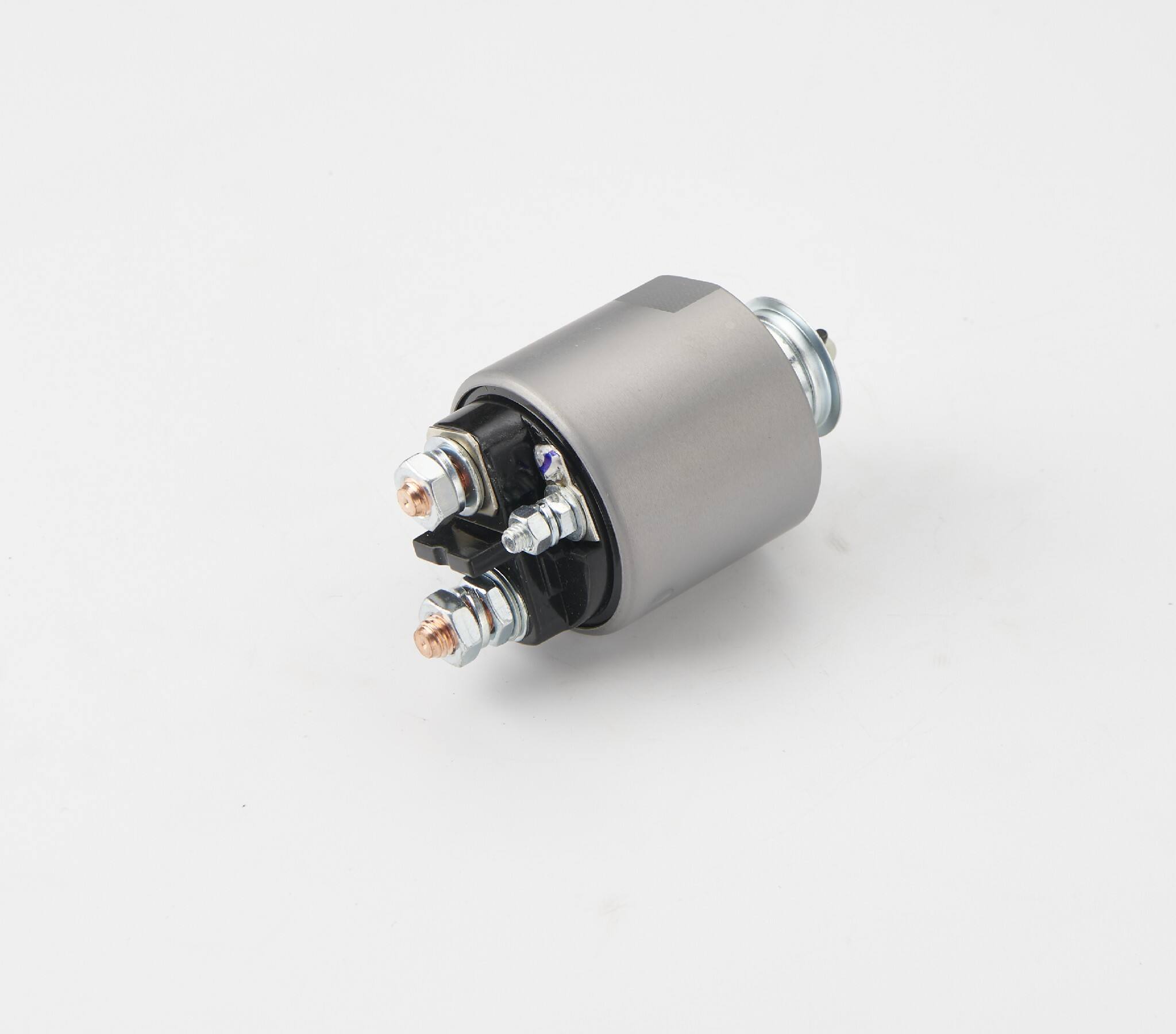
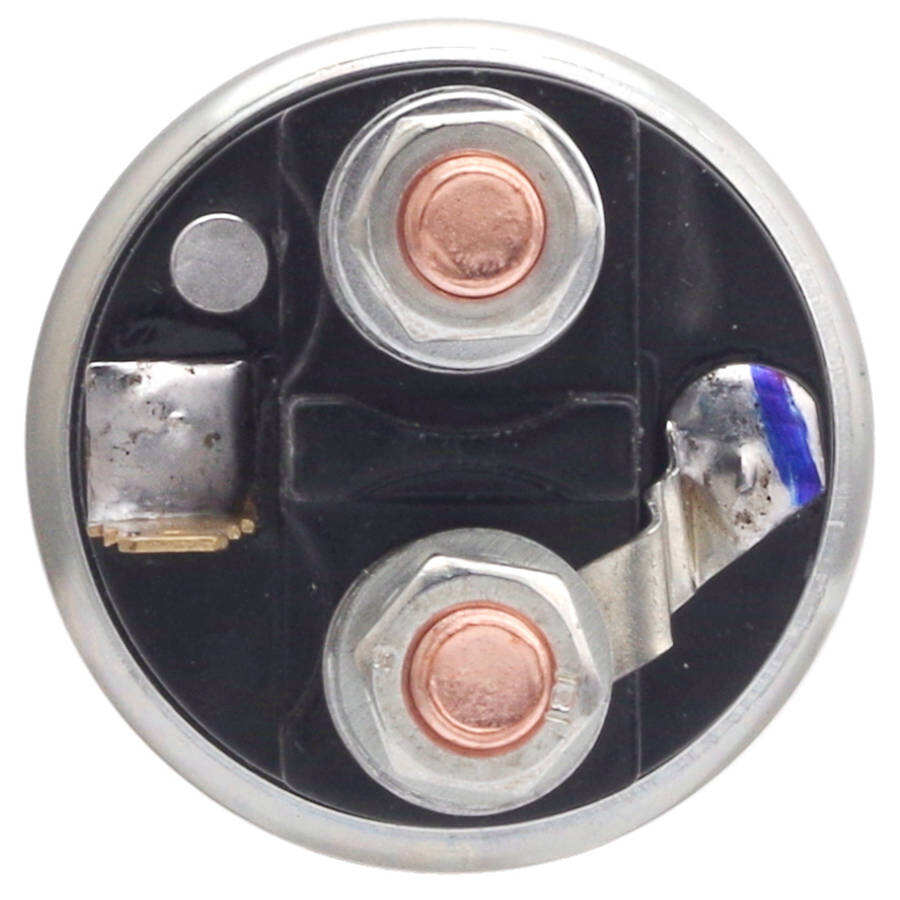
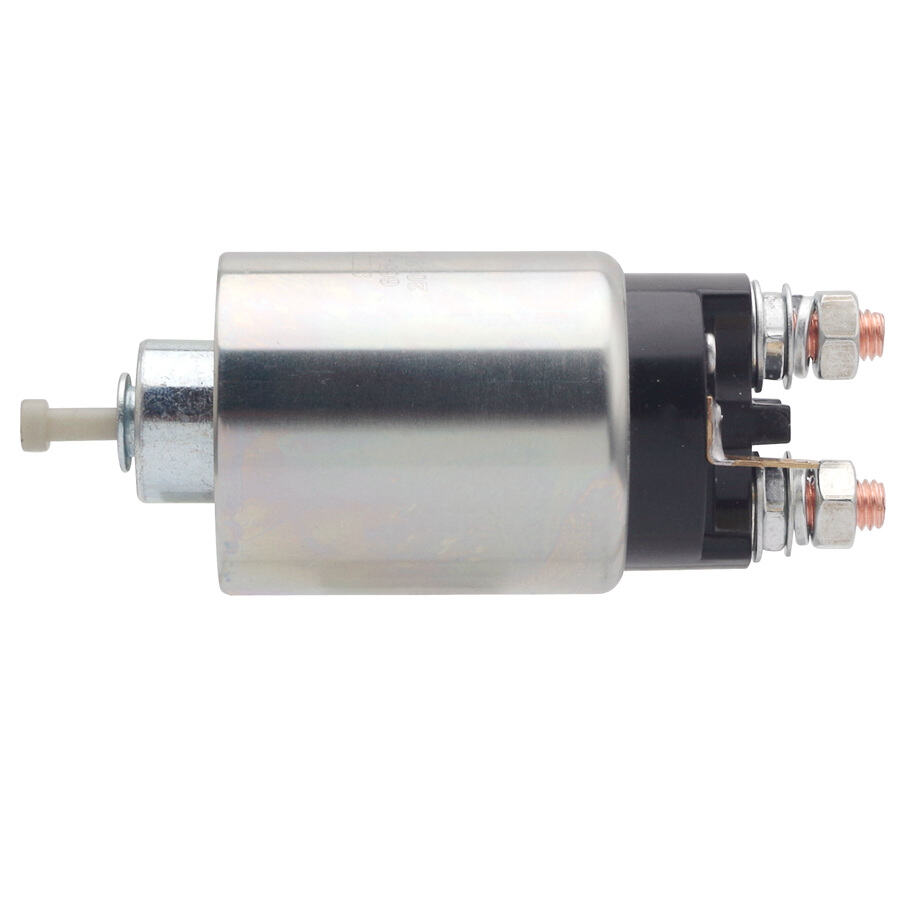
The 12 volt starter solenoid serves as a critical electrical component in automotive starting systems, functioning as an electromagnetic switch that controls the flow of high-current electricity from the battery to the starter motor. This essential device operates on a simple yet effective principle, utilizing electromagnetic force to engage and disengage the starter circuit when activated by the ignition switch. The 12 volt starter solenoid consists of several key components including a copper coil, metal contacts, a spring-loaded plunger, and a robust housing designed to withstand harsh automotive environments. When the ignition key is turned, a small amount of current flows through the solenoid coil, creating a magnetic field that pulls the plunger inward. This action closes the heavy-duty contacts, allowing full battery power to reach the starter motor and initiate engine cranking. The technological features of the 12 volt starter solenoid include precision-engineered contact points that ensure reliable electrical connections, corrosion-resistant materials that extend operational lifespan, and thermal protection mechanisms that prevent overheating during extended cranking periods. Modern 12 volt starter solenoids incorporate advanced metallurgy and manufacturing techniques to deliver consistent performance across various temperature ranges and operating conditions. The applications of 12 volt starter solenoids extend across numerous vehicle types including passenger cars, light trucks, motorcycles, marine vessels, agricultural equipment, and industrial machinery. These versatile components adapt to different mounting configurations and electrical specifications while maintaining their fundamental switching function. The compact design of the 12 volt starter solenoid allows for flexible installation in tight engine compartments, while its standardized voltage rating ensures compatibility with most automotive electrical systems. Quality 12 volt starter solenoids feature sealed construction to protect internal components from moisture, dirt, and contaminants that could compromise performance, making them suitable for both on-road and off-road applications where reliability is paramount.
 EN
EN