EN
EN



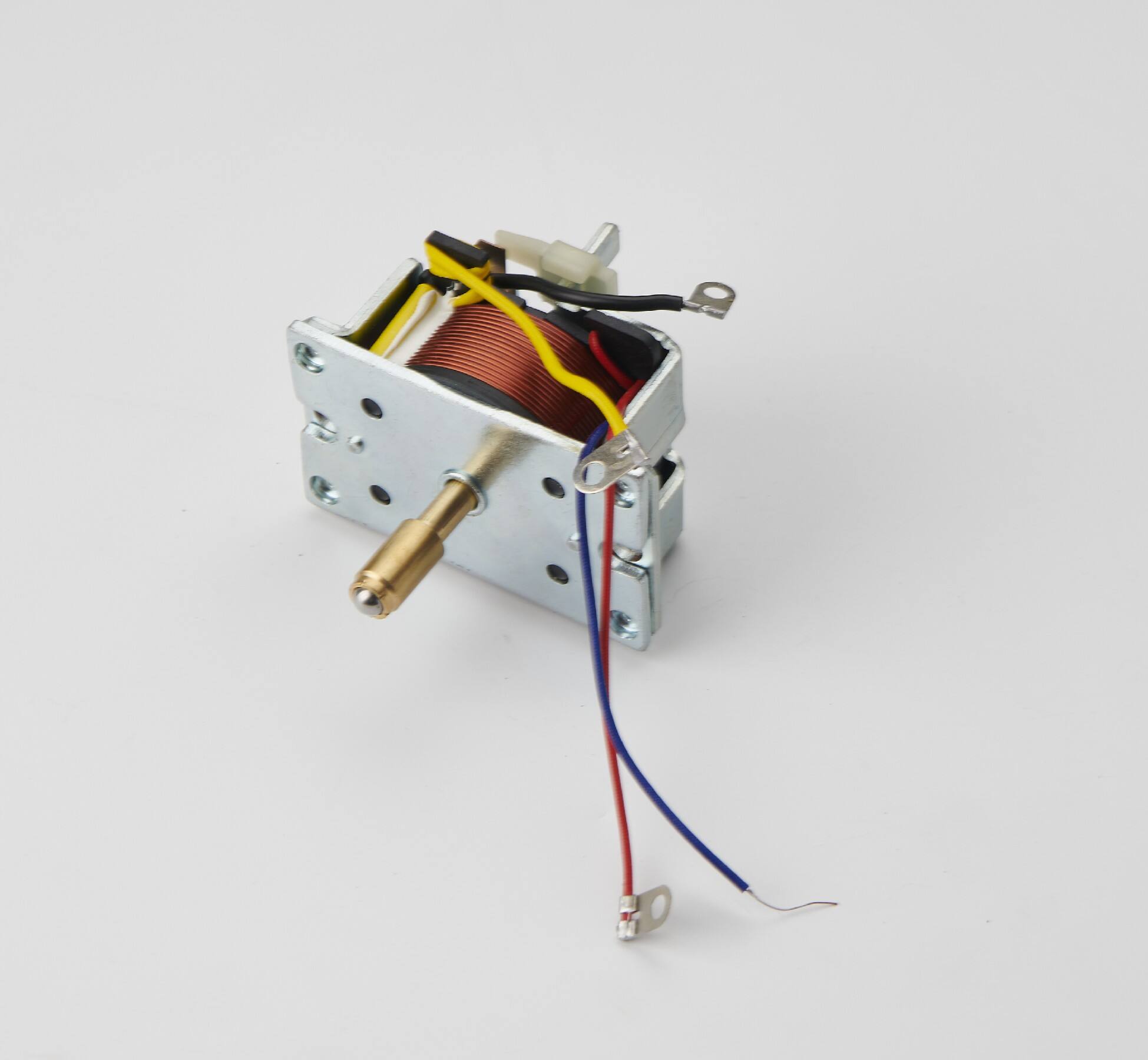
အေးမေးသော ရုတ်တရက် အပူခွင်းအခြေအနေများသည် ယာဉ်မှ စတင်မှုစနစ်များအတွက် အရေးကြီးသော စိန်ခေါ်မှုများကို ဖော်ပေးပါသည်။ အထူးသဖြင့် အင်ဂျင်ကို ယုံကြည်စွာ လောင်ကွက်နိုင်ရန် အရေးကြီးသော အစိတ်အပိုင်းများကို ထိခိုက်စေပါသည်။ စတားတာမော်တာဆိုလီနွိုက် စတင်မှုမော်တာဆိုလီနွိုက်သည် သင့်၏ စတင်မှုခလုတ်နှင့် စတင်မှုမော်တာကြား လျှပ်စစ်ချိတ်ဆက်မှုကို ဖော်ပေးသည့် အစိတ်အပိုင်းဖြစ်ပါသည်။ ထို့ကြောင့် အေးမေးသော ရုတ်တရက် အပူခွင်းအခြေအနေများတွင် ယုံကြည်စွာ အလုပ်လုပ်နိုင်ရန် အတွက် ထိုအစိတ်အပိုင်းကို သင့်လျော်စွာ ထိန်းသိမ်းရန် အရေးကြီးပါသည်။ အေးမေးသော ရုတ်တရက် အပူခွင်းအခြေအနေများ စတင်မီ ဤအရေးကြီးသော အစိတ်အပိုင်းကို ပညာရှင်များက ထိန်းသိမ်းပေးခြင်းဖြင့် အေးမေးသော အခြေအနေတွင် စတင်မှုမှုန်းခြင်းများကို ကာကွယ်နိုင်ပါသည်။ ထို့အပေါ် အေးမေးသော အခြေအနေတွင် အရေးပေါ်ပြုပြင်မှုများကို ကာကွယ်နိုင်ပါသည်။
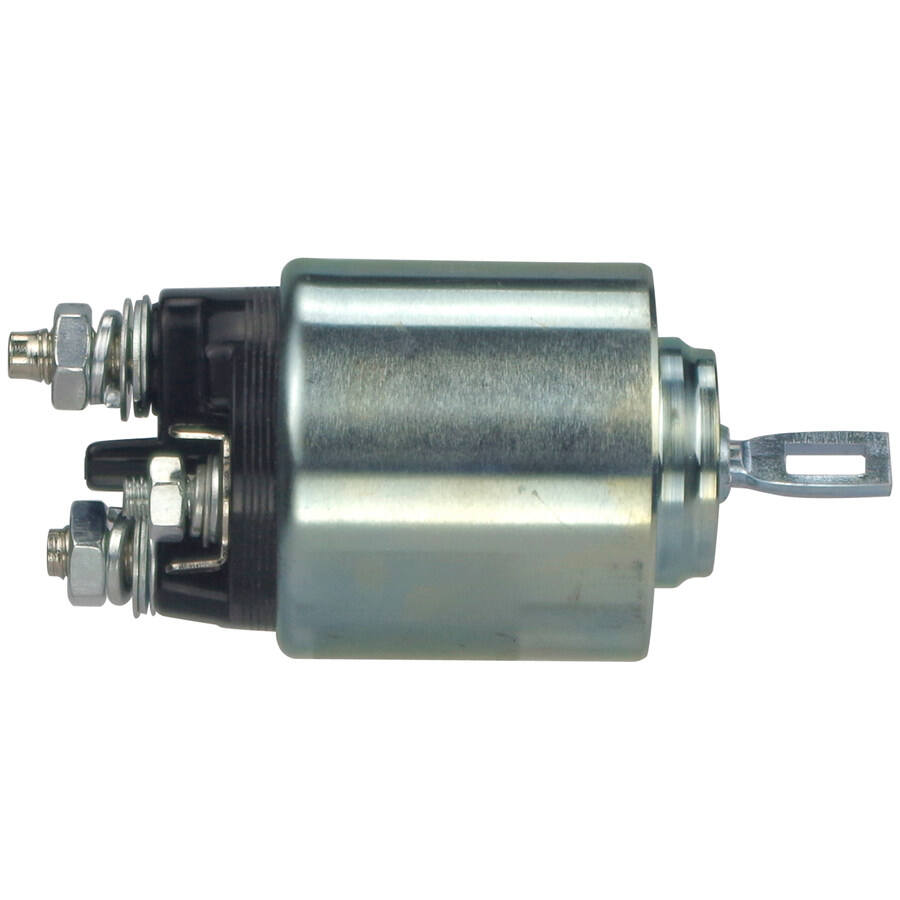
အေးမေးသော အပူခွင်းအခြေအနေများသည် လျှပ်စစ်စီးကွေ့မှုနှင့် အလုပ်လုပ်မှုစနစ်များကို အထူးသဖြင့် ထိခိုက်စေပါသည်။ စတင်မှုမော်တာဆိုလီနွိုက်သည် အေးမေးသော အခြေအနေများတွင် အချိန်ကြာမှုအတွင်း သေးငယ်သော သံခဲမှု၊ ကာဗွန်စုပုံမှုနှင့် လျှပ်စစ်ခုခ်အားများ တိုးပေါ်လာခြင်းတို့ကို ပိုမိုခံစားရပါသည်။ သင့်လျော်သော သန့်ရှင်းရေးနည်းလမ်းများနှင့် ထိန်းသိမ်းရေးအချိန်ဇယားများကို နားလည်ခြင်းဖြင့် ယာဉ်ပိုင်ရှင်များသည် အေးမေးသော ရုတ်တရက် အပူခွင်းအခြေအနေများအတွင်း စတင်မှုစွမ်းဆောင်ရည်ကို အကောင်းမွန်ဆုံးဖြင့် ထိန်းသိမ်းနိုင်ပါသည်။ ထို့အပေါ် အစိတ်အပိုင်းများ၏ သက်တမ်းကို တိုးတက်စေနိုင်ပါသည်။
စတာတာမော်တာ ဆောလီနွိုက်၏ လုပ်ဆောင်ပုံကို နားလည်ခြင်း
လျှပ်စစ်စီးကွင်း လုပ်ဆောင်မှု
စတာတာမော်တာဆောလီနွုိက်သည် စတာတာမော်တာသို့ အမြင့်အားကြီးသော လျှပ်စီးကြောင်းကို ထိန်းချုပ်ပေးသည့် လျှပ်စစ်သံလိုက် ခလုတ်အဖြစ် အလုပ်လုပ်ပါသည်။ သင်သည် အင်ဂျင်စတာတ်ခလုတ်ကို လှည့်လိုက်သည့်အခါ အားနည်းသော လျှပ်စီးကြောင်းအချက်ပေးမှုသည် ဆောလီနွုိက်၏ လျှပ်စစ်သံလိုက်ကွေးကို လှုံ့ဆော်ပေးပြီး ပလန်ဂါစနစ်ကို ဖွင့်လောက်စေကာ အလေးချိန်များသော ထိတ်တွေ့မှုများကို ပေးပို့ပါသည်။ ဤလုပ်ဆောင်မှုသည် စတာတာမော်တာ၏ မော်တာဖြင့် အင်ဂျင်ဖလိုင်ဝီလ်ကို တစ်ပါတည်း ချိတ်ဆက်ပေးခြင်းနှင့် စတာတာမော်တာကို လျှပ်စီးဖြင့် အားပေးရန် လျှပ်စီးကြောင်းကို ပေးပို့ခြင်းတို့ကို တစ်ပါတည်း လုပ်ဆောင်ပါသည်။
ခေတ်မှီ အားတုန်းမော်တော်ယာဉ်များ၏ စတာတ်စနစ်များသည် အင်ဂျင်ကို စတင်လှည့်ခြင်းအတွက် စတာတာမော်တာဆောလီနွုိက်၏ တိကျသော အချိန်ကိုက်မှုနှင့် ယုံကြည်စိတ်ချရသော လုပ်ဆောင်မှုပေါ်တွင် အခြေခံပါသည်။ ဆောလီနွုိက်သည် လျှပ်စီးအားများကို လက်ခံရန် လိုအပ်ပါသည်။ ယင်းလျှပ်စီးအားများသည် ပုံမှန်အားဖြင့် အမ်ပီယာ ၂၀၀ မှ ၄၀၀ အထိ ရှိပါသည်။ ထို့အပြင် ထိတ်တွေ့မှုများ၏ ဖိအားနှင့် လျှပ်စီးကူးလူးမှုကို တစ်သောက်တည်း ထိန်းသိမ်းထားရန် လိုအပ်ပါသည်။ ထိတ်တွေ့မှုများ၏ မျက်နှာပုံများ သို့မဟုတ် မော်က်နီကယ် လုပ်ဆောင်မှုများတွင် အနည်းငယ်မျှ ပျက်စီးမှုရှိပါက စတင်မှု မအောင်မြင်မှုများ ဖြစ်ပေါ်လာနိုင်ပါသည်။ အထူးသဖြင့် အေးမော်သော ရာသီဥတုအခြေအနေများတွင် ဖြစ်ပေါ်လာနိုင်ပါသည်။
အောက်ချိန်ရောင်းရောင်းမှု အခြေအနေများ
အပူခါးမှု အပေါ်တွင် စတာတာမော်တာ ဆောလီနွိုက်၏ စွမ်းဆောင်ရည် လက္ခဏာများကို အဓိကအားဖြင့် အများအပါးသော နည်းလမ်းများဖြင့် သက်ရောက်မှုရှိပါသည်။ အအေးခါးမှုသည် ကြေးနီ ဝိုင်န်ဒင်းများနှင့် ထိတ်တွေ့မှုများတွင် လျှပ်စစ်ခုခံမှုကို မြင့်မားစေပြီး သင့်လျော်သော လျှပ်မှုန်သံလျင် ကွင်းအားကို ထုတ်လုပ်ရန် ဗိုးအားမြင့်မားမှုကို လိုအပ်ပါသည်။ ထို့အပ besides အဆီများနှင့် ရှုပ်ထွေးသော အစိတ်အပိုင်းများသည် အဖြေရှိမှုနည်းပါသည်။ ထို့ကြောင့် စတာတာမော်တာ ဆောလီနွိုက်၏ အစိတ်အပိုင်းများ အောက်တွင် အချိန်ကြာမှုဖြင့် အသုံးပြုမှု သို့မဟုတ် အပြည့်အဝ ထိတ်တွေ့မှု မှုန်းမှု ဖြစ်ပေါ်နိုင်ပါသည်။
အေးခဲသော ရှုပ်ထွေးမှုများသည် ဆောလီနွိုက်အတွင်းသို့ ရေစိုမှု ဝင်ရောက်မှုကို ဖြစ်ပေါ်စေပြီး ဆောလီနွိုက် အိမ်အတွင်းတွင် ရေစိုမှု အေးခဲခြင်းဖြင့် ထိတ်တွေ့မှုများပေါ်တွင် အထူးသဖြင့် အေးခဲသော ရှုပ်ထွေးမှုများကို ဖြစ်ပေါ်စေပါသည်။ စတာတာမော်တာ ဆောလီနွိုက်သည် အပူခါးမှု အပေါ်တွင် ကွဲပြားသော အပူခါးမှု အကွာအဝေးများတွင် စွမ်းဆောင်ရည်ကို အမျှတ်အသေးမှုဖြင့် ထောက်ပံ့ပေးရန် အတွက် အချိန်မှီ ထိန်းသိမ်းမှုများကို အရေးကြီးစွာ လုပ်ဆောင်ရန် လိုအပ်ပါသည်။
ဆောင်းရုတ်တရက် ဖြစ်ပေါ်လေ့ရှိသော ပုံမှန်ပြဿနာများကို သတ်မှတ်ခြင်း
သေးငယ်သော အစိမ်းရောင်ဖြစ်ခြင်းနှင့် ထိတ်တွေ့မှု အားနည်းခြင်း
လမ်းပေါ်တွင် အသုံးပြုသည့် ဆား၊ စိုထုံးမှုနှင့် အပူခါးအပေးအယူမှုတို့သည် စတာတာမော်တာ၏ ဆောလီနွိုက်ဒ် ထိတ်သိမ်းမှုများနှင့် အတွင်းပိုင်း ထိတ်သိမ်းမှုများကို အထူးသဖြင့် ထိခိုက်စေသည့် ဓာတ်ခွဲပေါ်ပေါက်မှုဖြစ်စေသည့် အခြေအနေများကို ဖန်တီးပေးပါသည်။ ကြေးနီ၏ အောက်ဆိုဒ်ဖွဲ့စည်းမှုသည် လျှပ်စစ်ခုခံမှုကို တိုးမောင်းပေးသည့် အစိမ်းရောင် ပုံစံဖော်မှုကို ဖန်တီးပေးပြီး သံပါဝင်မှုများသည် ယန္တရားဆိုင်ရာ လှုပ်ရှားမှုကို အဟောင်းဖြစ်စေသည့် သံခေါင်းများကို ဖန်တီးပေးပါသည်။ ဤဓာတ်ခွဲပေါ်ပေါက်မှုများသည် အချိန်ကြာလာသည်နှင့်အမျှ စုစည်းလာပြီး လျှပ်စစ်လိုအပ်ချက်များ အများဆုံးဖြစ်သည့် ဆောင်းရုတ်တရက်တွင် ပိုမိုပင် ပြဿနာဖြစ်လာပါသည်။
ထိတ်သိမ်းမှုများ၏ မျက်နှာပုံပေါ်တွင် ဖြစ်ပေါ်လာသည့် ပုံစံဖော်မှုများသည် အများအားဖြင့် မြင့်မားသည့် လျှပ်စစ်စီးဆင်းမှုများဖြင့် ထိတ်သိမ်းမှုများကို ထပ်ခါထပ်ခါ ဖွင့်ပေးခြင်းမှ ဖြစ်ပေါ်လာသည့် အခြေအနေများဖြစ်ပါသည်။ စတာတာမော်တာ၏ ဆောလီနွိုက်ဒ်ကို တစ်ခါဖွင့်လေးခါတွင် ထိတ်သိမ်းမှုများကြားတွင် အလေးအမောင်းများ ဖြစ်ပေါ်လာပြီး လျှပ်စစ်စီးဆင်းမှုများကို ဖန်တီးပေးပါသည်။ ထိုအလေးအမောင်းများသည် ထိတ်သိမ်းမှုများ၏ လျှပ်စစ်စီးဆင်းမှုများကို ဖျက်ဆီးပေးပြီး မျက်နှာပုံပေါ်တွင် မျက်နှာပုံများကို မျက်နှာပုံများဖြစ်စေပါသည်။ ဆောင်းရုတ်တရက်တွင် စတာတာမော်တာကို ပိုမိုမြင့်မားသည့် အကြိမ်ရေအားဖွင့်ခြင်းနှင့် အေးမြသည့် အဆီများကြောင့် လျှပ်စစ်စီးဆင်းမှုများ ပိုမိုမြင့်မားလာခြင်းကြောင့် ဤအသုံးပြုမှုများသည် ပိုမိုမြန်ဆန်စေပါသည်။
ကာဗွန်စုစည်းမှုနှင့် လျှပ်စစ်ခုခံမှု
ကာဗွန်အမှုန်များသည် ပုံမှန်လည်ပတ်မှုအတွင်း ထပ်ခါထပ်ခါဖြစ်ပေါ်သော လျှပ်စစ်ပေါက်ကွဲမှု (arcing) နှင့် အပူချိန်မြင့်မှုကြောင့် ထိတ်ထိတ်နေသော မျက်နှာပုံများပေါ်တွင် စုစည်းလာပါသည်။ ဤအမှုန်များသည် လျှပ်စစ်စီးဆင်းမှုကို အတားအဆီးဖြစ်စေသော အလွဲလွဲအလွဲများကို ဖန်တီးပေးပါသည်။ ထို့ကြောင့် ဗို့အားကျဆင်းမှုများနှင့် စတာတာမော်တာ၏ စွမ်းဆောင်ရည် လျော့နည်းလာခြင်းများ ဖြစ်ပေါ်လာပါသည်။ စတားတာမော်တာဆိုလီနွိုက် ဤပြဿနာများသည် အထူးသဖြင့် ဆောင်းရုတ်တရက် စတာတာမော်တာကို အသုံးပြုရသည့် လိုအပ်ချက်များ မြင့်တက်လာသည့်အခါတွင် ပိုမိုထင်ရှားလာပါသည်။
လျှပ်စစ်ခုခံမှုပြဿနာများသည် စက်ယန္တရားဖော်ပေးခြင်းနှင့် အခါအခါ စတာတာမော်တာ မှန်ကန်စွာ မစတင်နိုင်ခြင်း သို့မဟုတ် လုံးဝ စတင်မှုမရှိခြင်း စသည့် လက္ခဏာများဖြင့် ဖော်ပေးပါသည်။ စတာတာမော်တာ ဆောလီနွိုက်သည် စတာတာမော်တာကို မစတင်စေဘဲ ခပ်ခပ်သံများကို ထုတ်လုပ်နိုင်ပါသည်။ ထိုသံများသည် ထိန်းချုပ်ရေးစက်ကွင်းသည် အလုပ်လုပ်နေသည်ကို ဖော်ပေးပါသည်။ သို့သော် မြင့်မားသော လျှပ်စစ်စီးဆင်းမှုကို ဖော်ပေးသည့် ထိတ်ထိတ်များသည် စက်ကွင်းကို မှန်ကန်စွာ ပေါင်းစပ်ပေးနိုင်ခြင်းမရှိပါ။ ဤခုခံမှုပြဿနာများသည် အဆင့်ဆင့် ပိုမိုဆိုးရွားလာပါသည်။ နောက်ဆုံးတွင် စက်ပစ္စည်းများကို လုံးဝသန့်စင်ခြင်း သို့မဟုတ် အစိတ်အပိုင်းများကို အစားထိုးခြင်းသာ လိုအပ်လာပါသည်။
ဆောင်းရုတ်တရက်မှ အလေးထားသန့်စင်ခြင်း လုပ်ထုံးလုပ်နည်းများ
ဘေးအန္တရာယ်ကင်းရှင်းရေး ပြင်ဆင်မှုများနှင့် ကိရိယာများ လိုအပ်ချက်
စတာတာမော်တာဆောလီနွိုက်ကို ပြုပြင်ရာတွင် လျှပ်စစ်အန္တရာယ်များနှင့် အစိတ်အပိုင်းများကို လွယ်ကူစွာ ရရှိရေး ခက်ခဲမှုများကြောင့် သင့်လျော်သော လုံခြုံရေးလုပ်ထုံးလုပ်နည်းများကို လုပ်ဆောင်ရန် အရေးကြီးပါသည်။ ပထမဦးစွဲအားဖြင့် ယာဥ်၏ ဘက်ထရီ၏ အနုတ်သင်္ကြန်းကို ချိတ်ဆက်မှုဖြတ်ပါ။ ထို့နောက် မည်သည့် ပြုပြင်မှုအလုပ်များကိုမဆို စတင်မီ အင်ဂျင်သည် အပူချိန်ပုံမှန်အထိ အေးမေးသောအထ do စေရန် သေချာစေပါ။ ဆောက်ကက်စက်တ်များ၊ ဝိုင်ယာဘရပ်ရှ်များ၊ လျှပ်စစ်ဆက်သွယ်မှုသန့်စင်ဆေးများ၊ ဒိုင်အီလက်ထရစ်ဂရီစ်များနှင့် လုံခြုံရေးပိုမ်းကုန်များ (ဥပမါ- လက်အိတ်များနှင့် မျက်လုံးကာကွယ်ရေးပိုမ်းကုန်များ) အား အသုံးပြုရန် အသေးစိတ်စုစည်းပါ။
စတာတာမော်တာဆောလီနွိုက်သို့ ဝင်ရောက်ရန် လမ်းကြောင်းသည် ယာဥ်ဒီဇိုင်းအလိုက် ကွဲပြားမှုများစွာရှိပါသည်။ အချို့သော ယာဥ်များတွင် လေဝင်ပေါက်အစိတ်အပိုင်းများ၊ ဘက်ထရီထရေးများ သို့မဟုတ် အခြားအနီးကပ်ရှိသော အစိတ်အပိုင်းများကို ဖျက်ထုတ်ရန် လိုအပ်ပါသည်။ သင့်ယာဥ်အတွက် သီးသန့်ဖော်ပြထားသော ပြုပြင်ရေးစာရွက်စာတမ်းများကို ကိုးကားပါ။ ထိုစာရွက်စာတမ်းများတွင် အကောင်းဆုံးဝင်ရောက်ရန် လမ်းကြောင်းနှင့် သင့်ယာဥ်အတွက် အထူးလုပ်ထုံးလုပ်နည်းများကို ဖော်ပြထားပါသည်။ ဝိုင်ယာချိတ်ဆက်မှုများကို ဖျက်ထုတ်မီ ဓာတ်ပုံများဖြင့် မှတ်တမ်းတင်ထားပါ။ ထိုသို့လုပ်ခြင်းဖြင့် နောက်မှ မှန်ကန်စွာ ပြန်လည်တပ်ဆင်နိုင်မည်ဖြစ်ပါသည်။
ဆက်သွယ်မှုများကို သန့်ရှင်းခြင်းနှင့် ပြန်လည်ထောင်ဆောက်ခြင်း
စတာတာမော်တာဆောလီနွိုက်ဒ် ထိပ်ဖျားများမှ လျှပ်စစ်ချိတ်ဆက်မှုအားလုံးကို ဖယ်ရှားပါ။ နောက်တွင် ပြန်လည်တပ်ဆင်ရာတွင် ကောင်းမွန်စွာတပ်ဆင်နိုင်ရန် ဝိုင်ယာများ၏ လမ်းကြောင်းသိပ်သိပ်နှင့် ချိတ်ဆက်မှုနေရာများကို သေချာစွာ သတိပြုပါ။ စတာတာမော်တာ စတာတ်ချိန်းဖြစ်စေနိုင်သည့် ထိပ်ဖျားများပေါ်တွင် သိုးသိုး၊ ပျက်စီးမှု သို့မဟုတ် လွဲချော်နေသည့် ချိတ်ဆက်မှုများရှိမရှိ စစ်ဆေးပါ။ အောက်ဆိုဒ်ဖြစ်မှုနှင့် ကာဗွန်အနွဲ့များကို ဖယ်ရှားရန် သင့်လျော်သည့် လျှပ်စစ်ထိတ်တွေ့မှုသန့်စင်ဆေးနှင့် အလွန်နုပ်သည့် အိုင်ရန်အမှုန်များကို အသုံးပြု၍ ထိတ်တွေ့မှုများကို သန့်စင်ပါ။
ထိပ်ဖျားများတွင် အလွန်ပိုမိုသိုးသိုးနေပါက လျှပ်စစ်စီးဆင်းမှုကို ပုံမှန်ပြန်လည်ရရှိစေရန် ဝိုင်ယာဘရပ်ရှ်များ သို့မဟုတ် အလွန်နုပ်သည့် သဲစက်ကြေးများဖြင့် မက်ကန်းနစ်ကယ် သန့်စင်ခြင်းကို လုပ်ရန် လိုအပ်နိုင်ပါသည်။ စတာတာမော်တာဆောလီနွိုက်ဒ် ထိပ်ဖျားများသည် သန့်စင်ပြီးနောက် တောက်ပြောင်ပြီး သန့်ရှင်းသည့် သံမဏိများ၏ မျက်နှာပုံကို ပြသရမည်။ နောင်တွင် သိုးသိုးဖြစ်ခြင်းကို ကာကွယ်ရန် ချိတ်ဆက်မှုအားလုံးပေါ်တွင် ဒိုင်အီလက်ထရစ်ဂရီစ် (dielectric grease) အပေါ်လွှမ်းအားနည်းနေသည့် အလွန်ပေါ့ပါ့သည့် အလွ покрытие တစ်ခုကို လိမ်းပေးပါ။ ထိုသို့လုပ်ခြင်းဖြင့် လျှပ်စစ်စီးဆင်းမှုကို အကောင်းမွန်ဆုံးဖြစ်စေရန် အထောက်အကူပြုပါသည်။
တိုးတက်သော ထိန်းသိမ်းမှုနည်းလမ်းများ
အတွင်းပိုင်းအစိတ်အပိုင်းများ စစ်ဆေးခြင်း
စတာတာမော်တာဆောလီနွိုက်ဒ်၏ အချို့သောဒီဇိုင်းများတွင် အတွင်းပိုင်းထိတ်တွေ့မှုများနှင့် ယန္တရားဆိုင်ရာအစိတ်အပိုင်းများကို စစ်ဆေးခြင်းနှင့် သန့်စင်ခြင်းအတွက် အစိတ်အပိုင်းအနည်းငယ်ကို ဖွင့်လေးနိုင်ပါသည်။ ဤအဆင့်မြင့်လုပ်ဆောင်မှုသည် အစိတ်အပိုင်းများ၏ နေရာချထားမှုနှင့် ပြန်လည်စီစဉ်မှုအစဥ်များကို ဂရုတစိုက်လေးစားရန်လိုအပ်ပါသည်။ ဆောလီနွိုက်ဒ်အိုးကို သတိထား၍ဖွင့်ပါ၊ သန့်စင်မှုလုပ်ဆောင်မှုများကို စတင်မှုမှီ စပရင်များ၊ ပလန်ဂါများနှင့် ထိတ်တွေ့မှုအစိတ်အပိုင်းများ၏ နေရာချထားမှုကို မှတ်သားထားပါ။
ထိတ်တွေ့မှုများ၏ အတွင်းပိုင်းမျက်နှာပုံများကို ပစ်ခေါက်မှု၊ မီးလောင်မှု သို့မဟုတ် အလွန်အမင်းအသုံးပြုမှုများအတွက် စစ်ဆေးပါ။ ထိုသို့သောအခြေအနေများသည် သန့်စင်မှုထက် အစိတ်အပိုင်းအသစ်ဖဲ့ထုတ်ရန် လိုအပ်ကြောင်း ညွှန်ပေးနိုင်ပါသည်။ စတာတာမော်တာဆောလီနွိုက်ဒ်၏ ထိတ်တွေ့မှုများသည် ပုံမှန်အတိုင်း ချောမွေ့ပြီး ညီညာသောမျက်နှာပုံများရှိရပါမည်။ ထိုထိတ်တွေ့မှုများတွင် အလွန်အမင်းအစားထိုးမှု သို့မဟုတ် မညီမျှသောအသုံးပြုမှုများ မရှိရပါမည်။ ကာဗွန်အနွေးအမှုန်များနှင့် အောက်ဆီက်ရှင်နှင့် အပ်စ်အမှုန်များကို အပ်စ်အမှုန်များနှင့် သင့်လျော်သော အရည်များဖြင့် အားလုံးသော အသုံးပြုနိုင်သောမျက်နှာပုံများကို သန့်စင်ပါ။
လျှပ်စစ်စမ်းသပ်မှုနှင့် အတည်ပြုခြင်း
လျှပ်စစ်စမ်းသပ်မှုအပြည့်အစုံဖြင့် သန့်ရှင်းရေးနှင့် ထိန်းသုံးရေးလုပ်ထုံးများပြီးနောက် စတာတာမော်တာဆောလီနွိုက်ဒ်၏ မှန်ကန်သော လုပ်ဆောင်မှုကို အတည်ပြုပါ။ ကွန်ပျူတာဒစ်ဂျစ်တယ်မူလတီမီတာဖြင့် ကွိုင်လ်၏ ခုခံမှုကို တိုင်းတာပါ။ ဤခုခံမှုသည် သင့်အသုံးပြုမှုအတွက် ထုတ်လုပ်သူ၏ သတ်မှတ်ချက်များအတိုင်း ဖြစ်ရမည်။ လုပ်ဆောင်မှုအခြေအနေတွင် ဆက်သွယ်မှုအမှန်ကန်မှုကို ချိတ်ဆက်ထားသော အခြေအနေနှင့် မျှော်လင်းထားသော အခြေအနေတွင် စမ်းသပ်ပါ။ ထိုသို့ဖြင့် ဘာသာရပ်အတွက် အာမခံချက်ရှိသော ချိတ်ဆက်မှုလုပ်ဆောင်မှုကို အာမခံနိုင်မည်။
ဆောလီနွိုက်ဒ်ကို မှန်ကန်စွာတပ်ဆင်ပြီး ချိတ်ဆက်ထားသည့်အခါ စတာတာအသုံးပြုမှုအတွင်း ဆက်သွယ်မှုများပေါ်တွင် ဗို့အားကျဆင်းမှုကို စောင်းကြည့်ပါ။ စတာတာမော်တာဆောလီနွိုက်ဒ်သည် စတင်မှုအချိန်တွင် အမျှတ်အသေးများနှင့် ကြိုးစားမှုအတွင်း လျှပ်စစ်ဆက်သွယ်မှုများကို တည်ငြိမ်စွာထိန်းသိမ်းနိုင်ရမည်။ မည်သည့် မတော်မတန်မှုများ သို့မဟုတ် ဗို့အားကျဆင်းမှုများ အလွန်များပါက အပိုသန့်ရှင်းရေး သို့မဟုတ် အစိတ်အပိုင်းအသစ်များ အစားထိုးရန် လိုအပ်ပါသည်။
အကြောင်းရင်းမှု လုပ်ငန်းစဉ်
ရှေးဦးစွဲအချိန်ကာလများ
ဆောင်းရုတ်တရက် ရောက်လာမည့်အခါ စတာတာမော်တာ ဆောလီနွိုက်ကို အထူးဂရုစိုက်ပြုပြုစွန်း စီမံခန့်ခွဲမှု အစီအစဥ်များကို သတ်မှတ်ပါ။ နှစ်စဥ် သန့်ရှင်းရေးနှင့် စစ်ဆေးမှုများကို ဆောင်းရုတ်တရက် စတင်မှု ပျက်ယွင်းမှုများမှ အကောင်းမွန်ဆုံး ကာကွယ်မှုပေးပါသည်။ ထို့အပြင် အစားထိုးရန် လိုအပ်ပါက အစိတ်အပိုင်းများ ဝယ်ယူရန် အချိန်အလုံအလေး ရှိစေရန် အချိန်ပေးပါသည်။ အများအားဖြင့် ဆောင်းရုတ်တရက် ကာကွယ်ရေးအတွက် ယာဉ်ပေါ်တွင် ပုံမှန်ပြုလုပ်သည့် ကြိုတင်ပြင်ဆင်မှုများတွင် ထိပ်တွင် ချိတ်ဆက်မှုများ၊ ဆက်သွယ်မှုများနှင့် တပ်ဆင်ရေး ပစ္စည်းများကို မြင်သာသည့် စစ်ဆေးမှုများ ပါဝင်သည်။
ဆောင်းရုတ်တရက် လုပ်ဆောင်နေစဉ် လေးပတ်တစ်ခါ မြင်သာသည့် စစ်ဆေးမှုများကို ပုံမှန်ပြုလုပ်ခြင်းဖြင့် စတင်မှု ပျက်ယွင်းမှုများ ဖြစ်ပေါ်မည့်အခါ အစောပိုင်းတွင် ပြဿနာများကို ရှာဖွေတွေ့ရှိနိုင်ပါသည်။ စတာတာမော်တာ ဆောလီနွိုက်၏ စွမ်းဆောင်ရည်ကို ထိခိုက်စေနိုင်သည့် သေးငယ်သည့် ချေးတက်မှုများ၊ ချိတ်ဆက်မှုများ ပျော့နေခြင်းများ သို့မဟုတ် ရုပ်ပိုင်းဆိုင်ရာ ပျက်စီးမှုများကို စောစောမှ စွဲမ်းထောက်မှုပေးပါ။ ထိုသို့သော ပြဿနာများကို အမျှင်မြန်စွာ ဖြေရှင်းပေးခြင်းဖြင့် အေးမှုရုတ်တရက် ကာလတွင် စတင်မှု စွမ်းရည်ကို ယုံကြည်စွာ ထိန်းသိမ်းနိုင်ပါသည်။
ပတ်ဝန်းကျင်ကာကွယ်ရေး စီမံကိန်းများ
စတာတာမော်တာဆောလီနွုိက်ဒ်၏ ဝန်ဆောင်မှုသက်တမ်းကို အများဆုံးအထိ တိုးတက်စေရန် ပတ်ဝန်းကျင်အန္တရာယ်များမှ ကာကွယ်ရန် ကာကွယ်ရေးစီမံချက်များကို အကောင်အထည်ဖော်ပါ။ အီလက်ထရွန်နစ်လိုအပ်ချက်များနှင့် အပူခါးအပေါ်မှုအတိုင်းအတာများနှင့် ကိုက်ညီသော ကာကွယ်ရေးအလွှာများကို ထိပ်ဖျားများနှင့် ချိတ်ဆက်မှုများပေါ်တွင် အသုံးပြုပါ။ လမ်းမှ ဆားနှင့် စိုထိုင်းမှုများ အထူးပြီး ပြင်းထန်သော အသုံးပြုမှုများတွင် ကာကွယ်ရေးဖုံးအ покရှိမှုများ သို့မဟုတ် ကာကွယ်ရေးအကာအရံများ တပ်ဆင်ရန် စဉ်းစားပါ။
အလွန်ပိုမိုပိုမိုပူပွင်းသော သို့မဟုတ် အအေးပိုမိုပိုမိုပေါ်ပေါ်သော ရာသီဥတုအခြေအနေများအတွင်း ဂာရေးမှုတွင် သိမ်းဆောင်ခြင်းသည် စတာတာစနစ်၏ အစိတ်အပိုင်းအားလုံးပေါ်တွင် ပတ်ဝန်းကျင်ဆိုင်ရာ ဖိအားကို သိသိသာသာ လျော့နည်းစေပါသည်။ ဖုံးအ покရှိသော သိမ်းဆောင်မှုများ မရရှိနိုင်ပါက အအေးပိုမိုပေါ်ပေါ်သော ရာသီဥတုအခြေအနေများတွင် စတာတာစနစ်၏ လုပ်ဆောင်မှုလိုအပ်ချက်များကို လျော့နည်းစေရန် အင်ဂျင်ဘလောက်အပူပေးစက်များ သို့မဟုတ် ဘက်ထရီအပူပေးစက်များကို အသုံးပြုရန် စဉ်းစားပါ။ ဤစီမံကိန်းများသည် စတာတာမော်တာဆောလီနွုိက်ဒ်ပေါ်တွင် အီလက်ထရွန်နစ်နှင့် မက်ကန်းနစ်ဖိအားများကို လျော့နည်းစေပါသည်။ ထို့အပါအဝါ အအေးပိုမိုပေါ်ပေါ်သော ရာသီဥတုအခြေအနေများတွင် စနစ်၏ စုစုပေါင်းယုံကြည်စိတ်ချရမှုကို တိုးတက်စေပါသည်။
မေးလေ့ရှိသောမေးခွန်းများ
ဆောင်းရဲသော လက်တွေ့အခြေအနေများတွင် စတာတာမော်တာဆောလီနွုိက်ဒ်ကို ဘယ်လောက်ခါ သန့်ရှင်းရမည်နည်း
စတာတာမော်တာဆောလီနွုိက်ဒ်ကို ပရောဖက်ရှင်နယ်အဆင့်သန့်စင်ခြင်းကို နွေဦးရောဂါကာလစတင်မည့်အခါ နှစ်စဥ် တစ်ကြိမ် ပြုလုပ်သင့်ပါသည်။ အေးမော်သောရောဂါကာလအတွင်း လစဉ် မျက်စိဖြင့် စစ်ဆေးခြင်းကို ပုံမှန်ပြုလုပ်သင့်ပါသည်။ အထူးသဖြင့် လမ်းပေါ်တွင် ဆားဖြန့်ခြင်း သို့မဟုတ် အပူခါနဲ့အအေးခါနဲ့ အပိုများစွာ ပြောင်းလဲမှုများကို ထိတ်တွေ့နေသော ယာဥ်များအတွက် အထူးသန့်စင်မှုများ ပိုမိုမက်သော အခါအခါ လိုအပ်နိုင်ပါသည်။ စတာတာမော်တာ၏ စတင်မှုစွမ်းဆောင်ရည်ကို ပုံမှန်စောင်းကြည့်ပြီး စွမ်းဆောင်ရည် ကျဆင်းမှုများကို အမျှင်များစွာ ဖြေရှင်းပေးရန် လိုအပ်ပါသည်။
စတာတာမော်တာဆောလီနွုိက်ဒ်ကို သန့်စင်ရန် လိုအပ်ကြောင်း အဖြစ်များသော လက္ခဏာများများမှာ အဘယ်နည်း။
အရေးကြီးသော လက္ခဏာများတွင် အင်ဂျင်ကို ဖွင့်ရာတွင် နှေးကွေးခြင်း သို့မဟုတ် အားထုတ်မှုများ ပါဝင်ပါသည်။ အကြိမ်ကြိမ် စတင်မှုမှုန်းခြင်း၊ စတာတာမော်တာ မှုန်းမှုမရှိဘဲ ကြက်သံထွက်ခြင်း သို့မဟုတ် ထိပ်ဖျားနှင့် ချိတ်ဆက်မှုများတွင် မြင်သာသော သေးငယ်သော သဲသဲမှုန်များ ပါဝင်ပါသည်။ စတာတာမော်တာဆောလီနွုိက်ဒ်သည် မှုန်းမှုအခါတွင် ချော့ချော့သော သို့မဟုတ် ချော့ချော့သော အသံများကို ထုတ်လုပ်နိုင်ပါသည်။ ထိုအသံများသည် ချက်ချင်း အကူအညီလိုအပ်သော ယန္တရားဆိုင်ရာ ပြဿနာများကို ဖော်ပြပါသည်။ အအေးခါနဲ့ ပိုမိုဆိုးရွားလာသော စတင်မှုပြဿနာများသည် ချက်ချင်း သန့်စင်ခြင်းနှင့် စစ်ဆေးခြင်းကို လိုအပ်ကြောင်း ဖော်ပြပါသည်။
စတာတာမော်တာဆောလီနွုိက်ကို ယာဥ်မှ ဖြုတ်မထုတ်ဘဲ သန့်စင်နိုင်ပါသလား။
စတာတာမော်တာဆောလီနွုိက်ကို တပ်ဆင်ထားစဉ်အတွင်း အခြေခံသော ထိပ်ဖျားသန့်စင်မှုနှင့် ချိတ်ဆက်မှုထိန်းသိမ်းမှုများကို အများအားဖြင့် လုပ်ဆောင်နိုင်ပါသည်။ သို့သော် အတွင်းပိုင်းကို စနစ်ကျစွာ သန့်စင်ရန်အတွက်မူ အများအားဖြင့် အစိတ်အပိုင်းများကို ဖြုတ်ထုတ်ရန် လိုအပ်ပါသည်။ ထိုသို့ဖြင့် ထိတ်တွေ့မှုများနှင့် ယန္တရားဆိုင်ရာအစိတ်အပိုင်းများအားလုံးကို အပြည့်အဝ ရောက်ရှိနိုင်မည်ဖြစ်ပါသည်။ သင့်အတွက် အကောင်းဆုံးသော ချဉ်းကပ်မှုကို ဆုံးဖြတ်ရန် သင့်ယာဥ်နှင့် ကိုက်ညီသော ဝန်ဆောင်မှုလုပ်ထုံးလုပ်နည်းများကို ကြည့်ရှုပါ။
စတာတာမော်တာဆောလီနွုိက်အစိတ်အပိုင်းများပေါ်တွင် အသုံးပြုရန် သန့်စင်ဆေးများ၏ အမျိုးအစားများကား အဘယ်နည်း။
အားမော်တော်ကား လျှပ်စစ်အစိတ်အပိုင်းများအတွက် အထူးရည်ရွယ်သော လျှပ်စစ်ဆက်သွယ်မှုန်းစင်များနှင့် အဆီဖျော်ဆေးများကို အသုံးပြုပါ။ စတာတာမော်တာ ဆောလီနွိုက်ဒ်အစိတ်အပိုင်းတွင် ရေပိုးပေါ်ခြင်းကို ဖျက်ဆီးနိုင်သည့် ပေါ်တီရီယမ်အခြေပြု အိုင်ဆောလေးရှင်းများကို ရှောင်ကြဉ်ပါ။ သန့်စင်ပြီးနောက် ဒိုင်အီလက်ထရစ်ဂရီစ်ကို ဆက်သွယ်မှုအားလုံးတွင် အသုံးပြုပါ။ ထိုသို့ပြုလုပ်ခြင်းဖြင့် ဆေးရောင်းနှင့် အခြားသော ရေခေါင်းမှုန်းစင်များကို ကာကွယ်ပေးပြီး ဆေးရောင်းအခြေအနေများတွင် လျှပ်စစ်လွှဲပေးမှုကို အကောင်းမွန်ဆုံးဖြင့် ထိန်းသိမ်းပေးပါသည်။
အကြောင်းအရာများ
- စတာတာမော်တာ ဆောလီနွိုက်၏ လုပ်ဆောင်ပုံကို နားလည်ခြင်း
- ဆောင်းရုတ်တရက် ဖြစ်ပေါ်လေ့ရှိသော ပုံမှန်ပြဿနာများကို သတ်မှတ်ခြင်း
- ဆောင်းရုတ်တရက်မှ အလေးထားသန့်စင်ခြင်း လုပ်ထုံးလုပ်နည်းများ
- တိုးတက်သော ထိန်းသိမ်းမှုနည်းလမ်းများ
- အကြောင်းရင်းမှု လုပ်ငန်းစဉ်
-
မေးလေ့ရှိသောမေးခွန်းများ
- ဆောင်းရဲသော လက်တွေ့အခြေအနေများတွင် စတာတာမော်တာဆောလီနွုိက်ဒ်ကို ဘယ်လောက်ခါ သန့်ရှင်းရမည်နည်း
- စတာတာမော်တာဆောလီနွုိက်ဒ်ကို သန့်စင်ရန် လိုအပ်ကြောင်း အဖြစ်များသော လက္ခဏာများများမှာ အဘယ်နည်း။
- စတာတာမော်တာဆောလီနွုိက်ကို ယာဥ်မှ ဖြုတ်မထုတ်ဘဲ သန့်စင်နိုင်ပါသလား။
- စတာတာမော်တာဆောလီနွုိက်အစိတ်အပိုင်းများပေါ်တွင် အသုံးပြုရန် သန့်စင်ဆေးများ၏ အမျိုးအစားများကား အဘယ်နည်း။