EN
EN



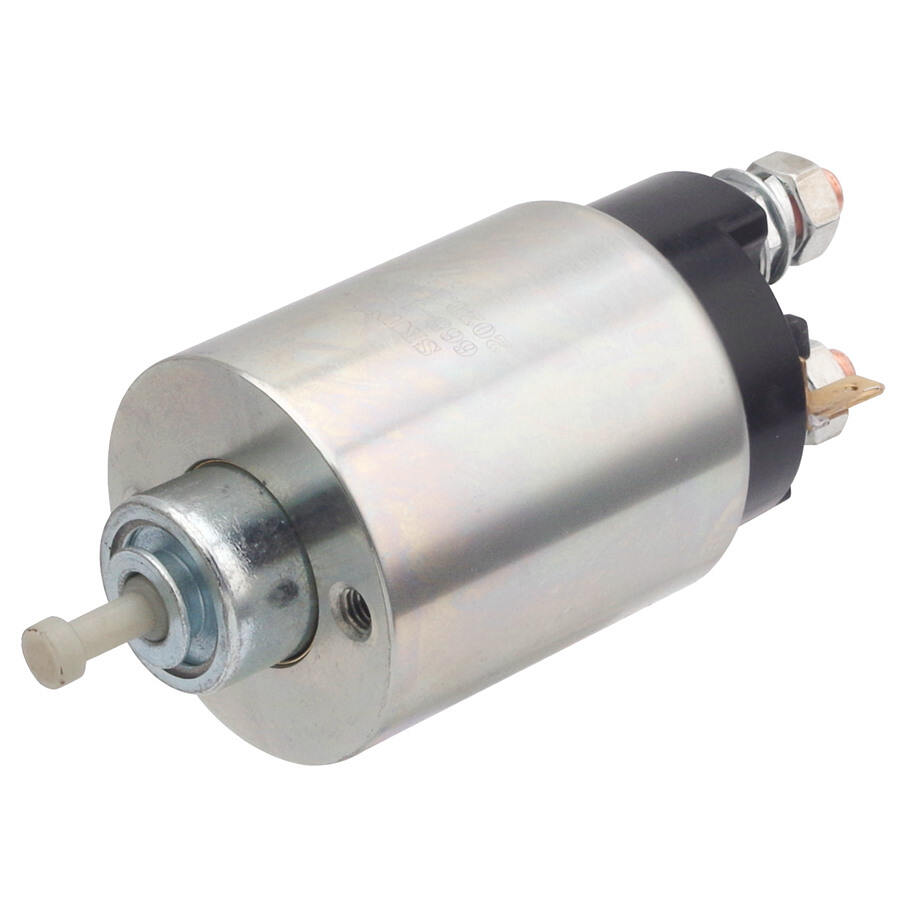
သင့်ဖော့ဒ် ယာဉ်သည် စတင်မရသည့်အခါ အဖြစ်များသော အကြောင်းရင်းများထဲမှ တစ်ခုမှာ ပျက်စီးနေသော ဖော့ဒ် စတင်မီးယန္တရား ဖြစ်ပါသည်။ ဤအရေးကြီးသော အစိတ်အပိုင်းသည် သင့် ignition switch နှင့် starter motor အကြား ချိတ်ဆက်မှုကို ဖန်တီးပေးပြီး အင်ဂျင်ကို လည်ပတ်စေရန် လိုအပ်သော မြင့်မားသော လျှပ်စစ်စီးကြောင်းကို ထိန်းချုပ်ပေးပါသည်။ ဖို့ဒ် စတာတာဆိုလီနွိုက် ဆောလီနွုိက်ဒ် ပြဿနာများကို ရှာဖွေရေးနည်းလမ်းများကို နားလည်ခြင်းဖြင့် စတင်မရသည့် ပြဿနာများကို ကိုင်တွယ်ရာတွင် အချိန်၊ ငွေကုန်နှင့် စိတ်အနှောင်အဖွေးများကို ချွေတာနိုင်ပါသည်။ ပရော်ဖက်ရှင်နယ် မက်ကနစ်များနှင့် DIY စွမ်းရည်ရှိသူများအားလုံးသည် ဆောလီနွုိက်ဒ် ပျက်စီးမှု၏ သိသာထင်ရှားသော လက္ခဏာများနှင့် ၎င်းတို့ကို တိကျစွာ ရှာဖွေရေးရန် မှန်ကန်သော ရှာဖွေရေးလုပ်ထုံးများကို သိရှိထားခြင်းမှ အကျိုးကျေးဇူးများ ရရှိပါသည်။
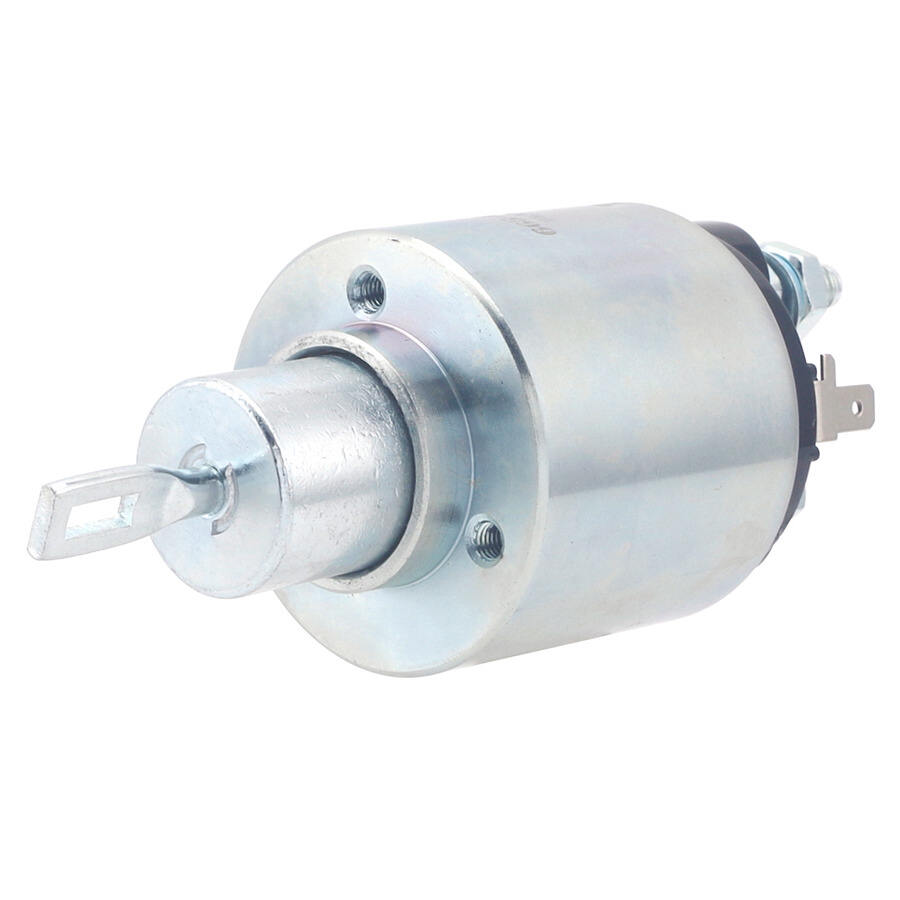
ဖော့ဒ် စတာတာ ဆောလီနွုိက်ဒ် ၏ အလုပ်လုပ်ပုံကို နားလည်ခြင်း
အခြေခံလုပ်ဆောင်ချက်များ
ဖော့ဒ်စတာတာဆောလီနွိုက်သည် ဘက်ထရီမှ စတာတာမော်တာသို့ လျှပ်စစ်စီးကောင်းမှုကို ထိန်းချုပ်သည့် လျှပ်မှုန်းသံသာသုံး ခေါင်းစဉ်ဖြစ်သည်။ သင်သည် အီဂျင်နီရှင်အရေးပေါ်ခလုတ်ကို လှည့်လိုက်သည့်အခါ လျှပ်စစ်အိုင်စင်အသေးစားတစ်ခုသည် ဆောလီနွိုက်ကို လှုံ့ဆော်ပေးပြီး ထိုအခါ ဘက်ထရီ၏ အပြည့်အဝဗို့အားကို စတာတာသို့ ရောက်ရှိစေရန် အတွင်းပိုင်း ထိတ်တုံ့မှုများကို ပိတ်ပေးသည်။ ဤလုပ်ဆောင်မှုသည် မိလီစက္ကန်ဒ်အတွင်းတွင် ဖြစ်ပေါ်လာသည်။ သို့သော် ဤအဆင့်များတွင် မည်သည့်အကောင်အထောက်မျှ ပျက်ယွင်းမှုဖြစ်ပါက သင်၏အီဂျင်သည် စတင်မှုမှ ကာကွယ်ပေးမည်ဖြစ်သည်။ ဆောလီနွိုက်သည် စတာတာမော်တာ၏ မော်တာဖော်စပ်အိုင်းကို ဖလိုင်ဟီလ်ရင်းဂီယာနှင့် ချိတ်ဆက်ပေးခြင်းဖြင့် အီဂျင်ကို လည်ပုတ်စေရန် လိုအပ်သည့် ယန္တရားဆိုင်ရာ ချိတ်ဆက်မှုကို ဖန်တီးပေးသည်။
ခေတ်မှီ Ford ယာဥ်များတွင် စတာတာ ဆောလီနွုိက်ကို ပုံမှန်အားဖြင့် စတာတာမော်တာ၏ အထက်ပိုင်းတွင် သို့မဟုတ် အင်ဂျင်အခန်းထဲတွင် အလွဲသုံးစားမှုမရှိသော အစိတ်အပိုင်းအဖြစ် တပ်ဆင်လေ့ရှိပါသည်။ ဤအစိတ်အပိုင်း၏ တပ်ဆင်ရာနေရာသည် သင့်၏ Ford မော်ဒယ်နှင့် ထုတ်လုပ်သည့်နှစ်ပေါ်တွင် မူတည်၍ ကွဲပြားနိုင်သော်လည်း အသုံးပုံအားလုံးတွင် လုပ်ဆောင်ချက်များသည် တူညီပါသည်။ ဤအခြေခံလုပ်ဆောင်မှုကို နားလည်ခြင်းဖြင့် ဆောလီနွုိက်ပြဿနာများသည် စတင်မှုလုံးဝမဖြစ်ခြင်းမှ အကြားကြား စတင်မှုပြဿနာများအထိ အမျိုးမျိုးသော နည်းလမ်းများဖြင့် ပေါ်လွင်လာနိုင်ကြောင်းကို သင်နားလည်နိုင်မည်ဖြစ်ပါသည်။
လျှပ်စစ်ဆာကူးစ်အစိတ်အပိုင်းများ
Ford စတာတာ ဆောလီနွုိက်ဆာကူးစ်တွင် အတူတက်လုပ်ဆောင်ရန် အရေးကြီးသော အစိတ်အပိုင်းများ အများအပါးပါဝင်ပါသည်။ အဓိကဆာကူးစ်တွင် ဘက်ထရီ၊ အင်ဂျင်စတာတ်ခလုတ်၊ စတာတာ ရလေး နှင့် ဆောလီနွုိက်အစိတ်အပိုင်း တို့ပါဝင်ပါသည်။ နျူထရယ် လုံခြုံရေးခလုတ်၊ ကလတ်စ် အင်တာလောက်ခလုတ်နှင့် ကွဲပြားသော ဝိုင်ယာချိတ်ဆက်မှုများကဲ့သို့သော ဒုတိယအစိတ်အပိုင်းများသည်လည်း ဆောလီနွုိက်၏ လုပ်ဆောင်မှုကို သက်ရောက်စေနိုင်ပါသည်။ အစိတ်အပိုင်းတိုင်းသည် စတာတာစနစ်သို့ အကောင်းမွန်စွာသော စီးဆင်းမှုနှင့် ပေးပို့မှုကို သေချာစေရန် အရေးပါသော အခန်းကဏ္ဍမှ ပါဝင်ပါသည်။
ဒီဆက်သွယ်မှုတစ်ခုခုမှာ voltage drop ဖြစ်သွားရင် Ford starter solenoid က အလုပ်မဖြစ်အောင်ဖြစ်စေပါတယ်။ အစိတ်အပိုင်းတစ်ခုလုံး အဆင်ပြေနေတောင်ပါ။ စပြီးသုံးတဲ့ စနစ်ရဲ့ ဆက်စပ်နေတဲ့ သဘာဝက မှန်ကန်တဲ့ ရောဂါရှာဖွေမှုအတွက် သံလိုက်ထဲက အချက်များစွာကို စစ်ဆေးဖို့ လိုအပ်တယ် ဆိုပြီး ဆိုလိုပါတယ်။ ကျွမ်းကျင် နည်းပညာပညာရှင်တွေဟာ အစိတ်အပိုင်း တစ်ခုချင်းစီရဲ့ စနစ်တကျ စမ်းသပ်မှုတွေဟာ ပြဿနာကို တိကျစွာ ဖော်ထုတ်နိုင်ပြီး မလိုအပ်တဲ့ အစိတ်အပိုင်း အစားထိုးမှုကို တားဆီးပေးတာကို နားလည်ပါတယ်။
Ford စတော့တာ စော်လီးနွိုက် ပြဿနာများ၏ သာမန် လက္ခဏာများ
စတင်နေစဉ် နှိပ်သံများ
ဖော့ဒ်စတာတာ ဆောလီနွုိက် ပျက်နေခြင်း၏ အသိအမှတ်ပြုရလွယ်သော လက္ခဏာများထဲမှ တစ်ခုမှာ သင့်ယာဉ်ကို စတင်ရန် ကြိုးစားသည့်အခါ မြန်မြန် ခပ်ခပ်သံ ထွက်လာခြင်းဖြစ်သည်။ ဤခပ်ခပ်သံမှာ ဆောလီနွုိက်သည် လုပ်ဆောင်ရန် ကြိုးစားနေသော်လည်း ဆက်သွယ်မှုကို ထိန်းသိမ်းရန် လုံလောက်သော ပါဝါမရှိသောကြောင့် ဖြစ်ပါသည်။ ထိုသံမှာ ထပ်ခါထပ်ခါ ထွက်လာခြင်းဖြစ်ပြီး ဆောလီနွုိက်သည် လှုံ့ဆော်မှုအချက်ပေးမှုကို လက်ခံရရှိနေသော်လည်း စတာတာမော်တာကို လှုပ်ရှားစေရန် လိုအပ်သော လျှပ်စစ်ဆက်သွယ်မှုကို ထိန်းသိမ်းနိုင်ခြင်းမရှိကြောင့် ဖြစ်ပါသည်။ ဤလက္ခဏာမှာ အများအားဖြင့် ဖြေးဖြေးချင်း ဖြစ်ပေါ်လာပြီး အစတွင် တစ်ခါတစ်ရေး ခပ်ခပ်သံများ ထွက်လာပြီးနောက် အင်ဂျင်ကို လှုပ်ရှားမှုမရှိဘဲ အများအားဖြင့် ခပ်ခပ်သံများ ထွက်လာခြင်းအထိ ဖြစ်ပါသည်။
ခပ်ခပ်သံမှာ အများအားဖြင့် အင်ဂျင်အခန်းမှ စတင်၍ ဖော့ဒ်စတာတာ ဆောလီနွုိက် တပ်ဆင်ထားသည့် နေရာမှ ထွက်လာပါသည်။ အချို့သော မောင်းသူများသည် ဤသံကို ဘက်ထရီ ပျက်နေခြင်းကြောင့် ဖြစ်သည်ဟု မှားယွင်းစွာ ယူဆကြောင်း သတိပြုရန် လိုအပ်ပါသည်။ သို့သော် ဘက်ထရီ ပျက်နေခြင်းမှာ မြန်မြန် ခပ်ခပ်သံထွက်ခြင်းထက် နှေးကွေးပြီး အားနည်းသော လှုပ်ရှားမှုသံများကို ဖြစ်ပေါ်စေပါသည်။ ဤသံနှစ်များကို ခွဲခြားသိရှိခြင်းဖြင့် ရှာဖွေရှာဖွေရေး အလုပ်ကို ပိုမိုတိက်တိက်မှုရှိစေပြီး ဆောလီနွုိက်သည် အမှန်တကယ် ပျက်နေသည့်အခါ ဘက်ထရီကို မလိုအပ်ဘဲ အစားထိုးခြင်းကို ကာကွယ်ပေးနိုင်ပါသည်။
စတာတာစနစ်အပြည့်အဝပျက်စီးခြင်း
ဖော့ဒ်ကား၏စတာတာဆောလီနွုိက်သည် အပြည့်အဝပျက်စီးသောအခါ အင်ဂျင်စတာတ်ခလုတ်ကို လှည့်လိုက်သည့်အခါ အသံလုံးဝမကြားရတော့ပါ။ ဤအပြည့်အဝပျက်စီးမှုသည် ဆောလီနွုိက်အတွင်းရှိ အီလက်ထရွန်နစ်ထိတ်တွေ့မှုများ အလွန်အမင်း ချေးတက်သော်လောက် သို့မဟုတ် ပျက်စီးသောကြောင့် အီလက်ထရွန်နစ်ဆက်သွယ်မှု လုံးဝမဖြစ်နိုင်တော့ခြင်းဖြစ်သည်။ အသံထွက်ခြင်း (clicking) လက္ခဏာများနှင့် ကွဲပြားစွာ ဤအခြေအနေတွင် အသံအိုးအိုမှု လုံးဝမရှိသောကြောင့် သင့်လျော်သော စမ်းသပ်မှုပစ္စည်းများမရှိဘဲ ရှာဖွေရှာဖွေရှာဖွေရှာဖွေရှာဖွေရှာဖွေရှာဖွေရှာဖွေရှာဖွေရှာဖွေရှာဖွေရှာဖွေရှာဖွေရှာဖွေရှာဖွေရှာဖွေရှာဖွေရှာဖွေရှာဖွေရှာဖွေရှာဖွေရှာဖွေရှာဖွေရှာဖွေရှာဖွေရှာဖွေရှာဖွေရှာဖွေရှာဖွေရှာဖွေရှာဖွေရှာဖွေရှာဖွေရှာဖွေရှာဖွေရှာဖွေရှာဖွေရှာဖွေရှာဖွေရှာဖွေရှာဖွေရှာဖွေရှာဖွေရှာဖွေရှာဖွေရှာဖွေရှာဖွေရှာဖွေရှာဖွေရှာဖွေရှ...... အသံထွက်ခြင်းမရှိခြင်းကြောင့် စတာတာမော်တာလုပ်ဆောင်မှု လုံးဝမရှိခြင်းဖြစ်ပါသည်။ ထို့ကြောင့် ကားပိုင်ရှင်များသည် ပထမဦးဆုံးအနေဖြင့် ဘက်ထရီ သို့မဟုတ် အယ်လ်တာနိုက်တာပျက်စီးမှုကို သံသရောက်လေ့ရှိပါသည်။
ဆိုလီနွုိက်အပြည့်အဝပျက်စီးမှုသည် အရှိန်အဟုန်ဖြင့် ဖြစ်ပေါ်လာနိုင်ပြီး မျှော်လင့်ချက်မရှိဘဲ မောင်းသူများကို လမ်းပေါ်တွင် ကုန်းပေါ်ခဲ့စေနိုင်ပါသည်။ သို့သော် ဖော့ဒ်စတာဆိုလီနွုိက်များ၏ ပျက်စီးမှုအများစုတွင် စတင်မှုပြဿနာများ အကြားကြားခြင်း၊ စတင်မှုအချိန်နှေးကွေးခြင်း သို့မဟုတ် စတင်မှုအချိန်တွင် ခွဲထုတ်သောအသံများ စသည့် အစောပိုင်းသော သတိပေးလက္ခဏာများ ပေါ်ပေါက်လေ့ရှိပါသည်။ ဤအစောပိုင်းလက္ခဏာများကို အသိအမှတ်ပြုခြင်းဖြင့် အပြည့်အဝပျက်စီးမှုဖြစ်မှုမှ ကာကွယ်ရန် ကြိုတင်ပြောင်းလဲမှုများ ပြုလုပ်နိုင်ပါသည်။ ထိုသို့ပြုလုပ်ခြင်းဖြင့် မလိုလားအပ်သော ပျက်စီးမှုများနှင့် အခြားစတင်မှုစနစ်အစိတ်အပိုင်းများသို့ ဖြစ်နိုင်သော ပျက်စီးမှုများကို ကာကွယ်နိုင်ပါသည်။
ရောဂါရှာဖွေစစ်ဆေးမှု လုပ်ထုံးလုပ်နည်းများ
မျက်စိဖြင့် စစ်ဆေးသည့်နည်းလမ်းများ
ဖော့ဒ်စတာဆိုလီနွုိက်၏ ရှုပ်ထွေးမှုကို စတင်စစ်ဆေးရာတွင် အသေးစိတ်မြင်သာသော စစ်ဆေးမှုဖြင့် အထင်ကြီးဖွယ်ပြဿနာများကို ဖော်ထုတ်နိုင်ပြီး စမ်းသပ်မှုနည်းလမ်းများကို လမ်းညွှန်ပေးနိုင်ပါသည်။ ဆိုလီနွုိက်တာမီနယ်များပေါ်တွင် ချေးတက်ခြင်းလက္ခဏာများကို ရှာဖွေပါ။ ဤချေးတက်ခြင်းများသည် လျှပ်စစ်ချိတ်ဆက်မှုများအနီးတွင် အဖြူရောင်၊ အစိမ်းရောင် သို့မဟုတ် အပြာရောင် အနေနဲ့ ပေါ်လေ့ရှိပါသည်။ ချေးတက်နေသော တာမီနယ်များသည် လျှပ်စစ်စီးဆင်းမှုကို အတားအဆီးဖြစ်စေပြီး ဆိုလီနွုိက်၏ အလုပ်လုပ်မှုစနစ်သည် မှန်ကန်စွာ အလုပ်လုပ်နေသည်ဖြစ်စေကာ စတင်မှုပြဿနာများကို ဖော်ပေါ်စေနိုင်ပါသည်။ ချေးတက်နေသော တာမီနယ်များကို ဝိုင်ယာဘရပ်ရှ်ဖြင့် သန့်ရှင်းပါ။ နောင်တွင် ချေးတက်မှုများ မဖြစ်ပေါ်စေရန် ဒိုင်အီလက်ထရစ်ဂရီစ်ကို အသုံးပြုပါ။
Ford စတာတာ ဆောလီနွုိက်သို့ ချိတ်ဆက်ထားသော ဝိုင်ယာများ၏ ချိတ်ဆက်မှုများကို ဖောက်ပေါက်ခြင်း၊ အမျှင်ပေါက်ခြင်း သို့မဟုတ် အပူဒဏ်ဖြင့် ပျက်စီးခြင်းများအတွက် စစ်ဆေးပါ။ ချိတ်ဆက်မှုများ ဖောက်ပေါက်နေပါက အခါအခါ ချိတ်ဆက်မှုဖြစ်ပြီး စတာတာမှုန်းမှု အပြုအမှုများကို မသေချာစေနိုင်ပါသည်။ ထို့အတူ ပျက်စီးသော အွန်ဆူလေးရှင်းများသည် ဆောလီနွုိက် သို့မဟုတ် အခြားလျှပ်စစ်အစိတ်အပိုင်းများကို ပျက်စီးစေနိုင်သည့် အတိုးစပ်မှုများကို ဖောက်ထုတ်နေနိုင်ပါသည်။ ဆောလီနွုိက်၏ မှန်ကန်သော အလုပ်လုပ်မှုအတွက် အရေးကြီးသော ဘက်ထရီကြီးမှ ကြိုးချိတ်ဆက်မှုနှင့် သေးငယ်သော ထရီဂါကြိုးများကို အထူးဂရုပြုစစ်ဆေးပါ။ ပြင်ဆင်မှုများ စတင်ရန်မှီ မြင်သာသော ပျက်စီးမှုများကို ဓာတ်ပုံများဖြင့် မှတ်တမ်းတင်ပါ။ ထိုသို့ပြုလုပ်ခြင်းဖြင့် မှန်ကန်စွာ ပြန်လည်တပ်ဆင်နိုင်မည်ဖြစ်ပါသည်။
လျှပ်စစ်စမ်းသပ်မှုနည်းလမ်းများ
သင့်၏ လျှပ်စစ်စနစ်ကို မှန်ကန်စွာ စမ်းသပ်ခြင်း ဖို့ဒ် စတာတာဆိုလီနွိုက် ဒစ်ဂျစ်တယ်မလ်တီမီတာတစ်လုံးနှင့် စမ်းသပ်မှုနေရာများတွင် မျှော်မှန်းထားသောဗို့အားဖတ်ချက်များကို နားလည်ထားရန် လိုအပ်ပါသည်။ အင်ဂျင်ပိတ်ထားစဉ် ဆိုလီနွိုက်၏ အဓိကထိပ်တွင် ဘက်ထရီဗို့အားကို တိုင်းတာပါ။ ပြည့်ဝစွာအားသွင်းထားသော ဘက်ထရီအတွက် ဤဖတ်ချက်သည် ဗို့အား ၁၂.၆ ဗို့အားခန့် ဖြစ်သင့်ပါသည်။ ထို့နောက် အကူအညီပေးသူတစ်ဦးက အီဂျင်စတာတ်ခလုတ်ကို စတာတ်အနေအထားသို့ လှည့်ပေးစဉ် ထိပ်တွင် ဗို့အားကို တိုင်းတာပါ။ ဤဖတ်ချက်သည် ဘက်ထရီဗို့အားနှင့် ကိုက်ညီရပါမည်။ ထိုသို့ဖြစ်ခြင်းသည် အီဂျင်စတာတ်ခလုတ်မှ အသေးစိတ်အချက်အလက်များ မှန်ကန်စွာ လွှဲပေးနေကြောင်း ဖော်ပြပါသည်။
ဗို့အားကျဆင်းမှု စမ်းသပ်မှုသည် ချိတ်ဆက်မှုအရည်အသွေးနှင့် ဆိုလီနွိုက်၏ အတွင်းပိုင်းအခြေအနေအကြောင်း အရေးကြီးသော အချက်အလက်များကို ပေးစေပါသည်။ အီဂျင်ကို စတာတ်ကြိုးစားနေစဉ် ဆိုလီနွိုက်၏ အဓိကထိပ်များကြားတွင် ဗို့အားကို တိုင်းတာပါ။ ထည့်သွင်းသော ထိပ်နှင့် ထုတ်သော ထိပ်ကြားတွင် ဗို့အားကွာခြားမှု အများကြီးရှိခြင်းသည် Ford စတာတ်ဆိုလီနွိုက်၏ အတွင်းပိုင်းတွင် အတွင်းပိုင်းခုခံမှုပြဿနာများ ရှိကြောင်း ဖော်ပြပါသည်။ ထို့အပ besides အီဂျင်ကို စတာတ်ကြိုးစားနေစဉ် ဆိုလီနွိုက်၏ ဂရောင်းချိတ်ဆက်မှုကို ဆိုလီနွိုက်အမျှော်နှင့် ဘက်ထရီ၏ အနုတ်ထိပ်ကြားတွင် ဗို့အားကို တိုင်းတာခြင်းဖြင့် စမ်းသပ်ပါ။
ကျွမ်းကျင်သော ပြုပြင်မှုနှင့် အစားထိုးမှု
လုံခြုံရေးစဉ်းစားချက်များ
Ford စတာတာ ဆောလီနွုိက်စနစ်များနှင့် အလုပ်လုပ်ရာတွင် မြင့်မားသော လျှပ်စစ်စီးကြောင်းများကြောင့် လုံခြုံရေးစည်းမျဉ်းများကို တင်းကြပ်စွာ လိုက်နာရန် လိုအပ်ပါသည်။ စတာတာစနစ်ပေါ်တွင် အလုပ်စပါက မတော်တဆ လျှပ်စစ်အော်တိုမေးတစ်ခု ဖြစ်ပေါ်ခြင်း (သို့) လျှပ်စစ်ထိခိုက်မှုကို ကာကွယ်ရန် အများအားဖြင့် ဘက်ထရီ၏ အနုတ်ကြိုးကို အရင်ဆုံး ဖြုတ်ပေးရပါမည်။ စတာတာစနစ်သည် ပုံမှန်မဟုတ်သော ကာကွယ်မှုများ မရှိပါက ပြင်းထန်သော အရေပြားပူလောင်မှုများ ဖြစ်စေနိုင်ပါသည် သို့မဟုတ် မီးလောင်မှုများ ဖြစ်ပေါ်စေနိုင်ပါသည်။ လျှပ်စစ်အစိတ်အပိုင်းများနှင့် အလုပ်လုပ်ရာတွင် လုံခြုံရေးမျက်မှန်များ နှင့် လျှပ်စစ်ကာကွယ်မှုပေးသော လက်အိတ်များကို ဝတ်ဆင်ရပါမည်။ အလုပ်လုပ်သည့်နေရာသည် လေဝင်လေထွက်ကောင်းပြီး မီးလောင်နိုင်သော ပစ္စည်းများမှ ကင်းဝေးရပါမည်။
ဖော့ဒ် စတာတာ ဆောလီနွိုက်ကို ယာယီချိတ်ဆက်မှုများ သို့မဟုတ် မလုံလောက်သော ဝိုင်ယာကြိုးများဖြင့် ကျော်လွှားရန် သို့မဟုတ် ခုန်ကောက်ရန် လုံးဝမကြိုးစားပါ။ ထိုကဲ့သို့သော လုပ်ရပ်များသည် စုံစမ်းရန် စိတ်အောင်းစိတ်ပေါက်ဖြစ်စေသည့် လျှပ်စစ်ပစ္စည်းများကို ပျက်စီးစေနိုင်ပါသည် သို့မဟုတ် ထိခိုက်မှု သို့မဟုတ် ယာဉ်မီးလောင်မှုကို ဖြစ်စေနိုင်သည့် အန္တရာယ်များကို ဖန်တီးနိုင်ပါသည်။ အရေးပေါ် စတာတ်လုပ်ရန် လိုအပ်ပါက ဆောလီနွိုက်ကို ကျော်လွှားရန် ကြိုးစားခြင်းထက် သင့်လျော်သော ဂျမ်ပါ ကေဘယ်လ်များနှင့် သိထားသော ဂျမ်ပ်-စတာတ်လုပ်ခြင်း လုပ်ထုံးလုပ်နည်းများကို အသုံးပြုပါ။ ပရော်ဖက်ရှင်နယ် နည်းပညာပုဂ္ဂိုလ်များသည် လုံခြုံစေရန် စတာတာစနစ်ပြဿနာများကို စုံစမ်းရှာဖွေခြင်းနှင့် ပြုပြင်ခြင်းအတွက် အထူးကိရိယာများနှင့် လေ့ကျင်းမှုများ ရှိပါသည်။
တပ်ဆင်မှု အကောင်းဆုံး လုပ်ကိုင်ပုံ
ဖော့ဒ် စတာတာ ဆိုလီနွုိက်အား အစားထိုးတပ်ဆင်ခြင်းသည် ယုံကြည်စိတ်ချရသော လုပ်ဆောင်မှုနှင့် အစိတ်အပိုင်းများ၏ အများဆုံး သက်တမ်းကို အာမခံပေးပါသည်။ ပထမဦးစွဲအားဖော်စ် ချိတ်ဆက်မှုနေရာများကို သံချေးမှုကို ဖယ်ရှားရန် ဝိုင်ယာဘရပ်ရှ်ဖြင့် သန့်စင်ပါ။ ထို့နောက် လျှပ်စစ်ဆက်သွယ်မှုကောင်းမော်အောင် လုပ်ဆောင်ရန် ကြိုတင်ပြင်ဆင်ပါ။ ကြိုတင်ချိတ်ဆက်မှုများကို အနောက်တွင် ဆက်သွယ်မှုကြိုးများကို ချိတ်ဆက်ရန် မီးလုံးမှုန်းများပေါ်သို့ ဒိုင်အီလက်ထရစ် ဂရီစ်အပ်န်းအနှစ်သားအနှစ်သား လိမ်းပေးပါ။ နောက်ဆုံးတွင် ထုတ်လုပ်သူ၏ အက်ထ်အားဖော်သော အတ်တ်အားဖော်သော အတ်တ်အားဖော်သော အတ်တ်အားဖော်သော အတ်တ်အားဖော်သော အတ်တ်အားဖော်သော အတ်တ်အားဖော်သော အတ်တ်အားဖော်သော အတ်တ်အားဖော်သော အတ်တ်အားဖော်သော အတ်တ်အားဖော်သော အတ်တ်အားဖော်သော အတ်တ်အားဖော်သော အတ်တ်အားဖော်သော အတ်တ်အားဖော်သော အတ်တ်အားဖော်သော အတ်တ်အားဖော်သော အတ်တ်အားဖော်သော အတ်တ်အားဖော်သော အတ်တ်အားဖော်သော အတ်တ်အ......
ဖော့ဒ် စတာတာ ဆောလီနွုိက်ကို ဗိုင်ဘရေးရှင်းနှင့် ဆက်စပ်သော ပျက်စီးမှုများကို ကာကွယ်ရန်နှင့် အပူလွှင်ပေးမှု လုံလေးစေရန် မှန်ကန်စွာ တပ်ဆင်ထားမှုကို စစ်ဆေးပါ။ မှန်ကန်စွာ မတပ်ဆင်ထားခြင်းသည် အတွင်းပိုင်း ပျက်စီးမှုများကို ဖြစ်ပေါ်စေနိုင်ပါသည်။ အလွန်အမင်း ရှုပ်ထွေးနေသော လေဝင်ပေါက်များသည် အပူပိုမိုတက်လာခြင်းနှင့် အစောပိုင်းတွင် ပျက်စီးခြင်းကို ဖြစ်ပေါ်စေနိုင်ပါသည်။ တပ်ဆင်ပြီးနောက် စတာတာစနစ်ကို အကောင်အထည်ဖော်မှု မှန်ကန်ကြောင်း အကြိမ်ပေါင်းများစွာ စမ်းသပ်ပါ။ ထို့နောက် ယာဉ်ကို အသုံးပြုမှုသို့ ပြန်လည်ထည့်သွင်းရန်မီ စမ်းသပ်မှုများကို အောင်မြင်စွာ ပြီးမြောက်ကြောင်း အတည်ပြုပါ။ နောင်တွင် ကိုးကားရန်နှင့် အာမခံချက်အတွက် တပ်ဆင်သည့် ရက်စွဲနှင့် အစိတ်အပိုင်းနံပါတ်ကို မှတ်သားထားပါ။
ရှုံးရောင်း ခြင်း စီ略
ပုံမှန်စစ်ဆေးမှု အချိန်ဇယား
သင့်၏ Ford စတာတာဆောလီနွုိက်အတွက် ပုံမှန်စစ်ဆေးမှုအစီအစဥ်ကို အကောင်အထည်ဖော်ခြင်းဖြင့် စတင်မှုပျက်ယွင်းမှုများကို ဖြစ်ပေါ်စေမည့် ပြဿနာများကို အစေးနှုန်းများကို ကာကွယ်ရန် အချိန်မီ ဖမ်းမိနိုင်ပါသည်။ သင့်၏ ပုံမှန်ပြုပြင်ထိန်းသောင်းစစ်ဆေးမှုများတွင် ဆောလီနွုိက်စစ်ဆေးမှုကို ထည့်သွင်းပါ။ အနည်းဆုံး ခြောက်လတစ်ကြိမ် သို့မဟုတ် အီးလ်အိုင်းလ်ပြောင်းလဲမှုအခါတိုင်း ထိပ်ဖျားများတွင် ခြောက်သွေ့မှု (corrosion) ရှိမရှိ၊ ချိတ်ဆက်မှုများ တွေ့မှုရှိမရှိနှင့် ဝိုင်ယာများတွင် ပျက်စီးမှုရှိမရှိ စစ်ဆေးပါ။ အနည်းငယ်သော ပြဿနာများကို အစေးနှုန်းများကို ကာကွယ်ရန် အချိန်မီ ဖမ်းမိခြင်းဖြင့် အဓိကပြဿနာများ ဖြစ်ပေါ်လာမည့်အထိ ကာကွယ်နိုင်ပါသည်။ ထို့ပါး ငွေကုန်အကုန်အကုန်သက်သော ပြုပြင်မှုများကို ရှောင်ရှားနိုင်ပါသည်။
စတင်မှုအပြုအမှုတွင် ဖြစ်ပေါ်လာသော ပြောင်းလဲမှုများကို သေချာစောင်းကြည့်ပါ။ ဥပမါ- စတင်မှုအမြန်နှုန်း နှေးကွေးလာခြင်း၊ ထူးခြားသော အသံများ ထွက်လာခြင်း သို့မဟုတ် အခါတန်းနှင့် အခါတန်း အလုပ်လုပ်ခြင်းများ ဖြစ်ပါသည်။ ဤလက္ခဏာများသည် အချိန်ကြာလာသည်နှင့်အမျှ ပိုမိုဆိုးရွားလာမည့် Ford စတာတာဆောလီနွုိက်ပြဿနာများကို ညွှန်ပြနေပါသည်။ စတင်မှုစနစ်နှင့် ပတ်သက်သော ပြဿနာများ၊ ပြုပြင်မှုများ သို့မဟုတ် အစိတ်အပိုင်းများ အစားထိုးမှုများကို မှတ်တမ်းတင်ထားသော ပြုပြင်ထိန်းသောင်းမှတ်တမ်းကို ထိန်းသောင်းထားပါ။ ထိုမှတ်တမ်းများကို အသုံးပြု၍ ပုံစံများကို ခြေရာခံပါ။ ထိုပုံစံများသည် ပြန်လည်ဖြစ်ပေါ်နေသော ပြဿနာများကို ဖော်ထုတ်ပေးပါသည်။ ထိုပြန်လည်ဖြစ်ပေါ်မှုများသည် လျှပ်စစ်စနစ်နှင့် ပတ်သက်သော အခြေခံပြဿနာများကို ညွှန်ပြနေပါသည်။
ပတ်ဝန်းကျင်ကို ကာကွယ်ရန် အတွေ့အကြုံများ
သင့်၏ Ford စတာတာ ဆောလီနွုိက်ကို ပတ်ဝန်းကျင်အခြေအနေများမှ ကာကွယ်ခြင်းဖြင့် ၎င်း၏ အသုံးပြုနိုင်သည့် ကာလကို ရှည်လျားစေပြီး ယုံကုံစိတ်ချရမှုကို မြင့်တင်ပေးပါသည်။ စတာတာမော်တာနေရာအနီးတွင် ရေစီးဆင်းမှုကောင်းမောင်းရန် သေချာစေပါ။ ထိုသို့မှုန်းခြင်းဖြင့် သေးငယ်သော သဲမှုန်များ၊ ရေစုပုံမှုန်းခြင်းများကြောင့် ဖြစ်ပေါ်လာသည့် သဲမှုန်များနှင့် လျှပ်စစ်ပြဿနာများကို ကာကွယ်နိုင်ပါသည်။ အင်ဂျင်အခန်းကို ပုံမှန်အားဖြင့် သန့်ရှင်းရှုပ်ထွေးမှုများ၊ အဆီများနှင့် ဆားအနွဲ့များကို ဖယ်ရှားရန် သန့်ရှင်းပေးပါ။ ထိုသို့သော အညစ်အကှေးများသည် ပိုမိုမြန်မြန် ပျက်စီးစေနိုင်ပါသည်။ ပင်လွဲကမ်းခြေဒေသများ (ဆားပါသော လေထု) သို့မဟုတ် လမ်းများတွင် ဆားအသုံးပြုမှုများသည့် ဒေသများကဲ့သို့သော ပိုမိုဆိုးရောင်းသည့် ပတ်ဝန်းကျင်များတွင် ထုတ်လုပ်ထားသည့် လျှပ်စစ်ချိတ်ဆက်မှုများပေါ်တွင် ကာကွယ်ရေးအလွှာများ အသုံးပြုရန် စဉ်းစားပါ။
အပူချိန်အလွန်အကျူးအလွန်များသည့် အခြေအနေများသည် Ford စတာတာ ဆောလီနွုိက်၏ စွမ်းဆောင်ရည်ကို ထိခိုက်စေနိုင်ပါသည်။ အထူးသဖြင့် အလွန်အေးမေးသည့် အခြေအနေများတွင် ဘက်ထရီစွမ်းအားသည် လျော့နည်းပြီး အင်ဂျင်အဆီ၏ သိပ်သည်းဆသည် မြင့်မားလာကာ စတာတာမော်တာကို လှည့်ရန် လုပ်အားလေးများကို တိုးမောင်းပေးပါသည်။ သင့်၏ ရှိရှိသမျှသော ရာသီဥတုအတွက် သင့်တော်သည့် ဘက်ထရီထိန်းသိမ်းမှုနှင့် အင်ဂျင်အဆီအများအများကို အသုံးပြုခြင်းဖြင့် စတာတာစနစ်အပေါ် ဖိအားကို လျော့နည်းစေပါသည်။ အလွန်အေးမေးသည့် ရာသီဥတုများတွင် စတာတာလုပ်အားကို လျော့နည်းစေရန်နှင့် အစိတ်အပိုင်းများ၏ သက်တမ်းကို ရှည်လျားစေရန် အင်ဂျင်ဘလောက်အပူပေးစက်ကို အသုံးပြုရန် စဉ်းစားပါ။
မေးလေ့ရှိသောမေးခွန်းများ
Ford စတာတာ ဆောလီနွုိက်သည် ပုံမှန်အားဖြင့် ဘယ်လောက်ကြာကြာ အသုံးပြုနိုင်ပါသလဲ။
ပုံမှန်မောင်းနေစဉ်အခြေအနေများတွင် Ford စတာတာဆိုလီနွုိက်သည် မှန်ကန်စွာအလုပ်လုပ်နေပါက မိုင် ၁၀၀,၀၀၀ မှ ၁၅၀,၀၀၀ အထိ ကြာရှည်စွာအသုံးပြုနိုင်ပါသည်။ သို့သော် ရာသီဥတု၊ မောင်းနေသည့်အကျင့်များနှင့် ပုံမှန်ပြုပြင်ထိန်းသောင်းမှုများကဲ့သို့သော အချက်များသည် အသက်တာကို အထူးသဖြင့် အကျိုးသက်ရောက်စေနိုင်ပါသည်။ ဘက်ထရီကို အပြည့်အဝပြန်လည်အားသွင်းရန် အလုံအလောက်အချိန်မရှိသော အကြိမ်ရောက်မောင်းနေခြင်းများသည် စတာတာစနစ်ကို ဖိအားပေးပြီး ဆိုလီနွုိက်၏ အသက်တာကို လျော့နည်းစေနိုင်ပါသည်။ ပုံမှန်ပြုပြင်ထိန်းသောင်းမှုများကို ပုံမှန်ပြုလုပ်ခြင်းနှင့် အစောပိုင်းတွင် ပေါ်လာသည့် သတိပေးအချက်များကို အမျှင်စွဲစွဲဖမ်းမ်းခြင်းဖြင့် အစိတ်အပိုင်းများ၏ အသက်တာကို အများဆုံးအထိ တိုးမြှင့်ပေးနိုင်ပါသည်။
Ford စတာတာ ဆောလီနွုိက်ကို ဖျက်မထုတ်ဘဲ စမ်းသပ်နိုင်ပါသလဲ။
ဟုတ်ကဲ့၊ ဖော်ဒ်စတာတ်ဆောလီနွိုက်ကို အများအားဖြင့် ဖယ်ရှားခြင်းမလုပ်ဘဲ ဒစ်ဂျစ်တယ်မൾတီမီတာနှင့် အခြေခံလက်နက်များဖြင့် စမ်းသပ်နိုင်ပါသည်။ ဗို့အားစမ်းသပ်ခြင်း၊ အဆက်အသွယ်စမ်းသပ်ခြင်းနှင့် မျက်စိဖြင့်ကြည့်ရှုစမ်းသပ်ခြင်းတို့ဖြင့် စတာတ်ဆောလီနွိုက်ပေါ်တွင် ဖြစ်ပေါ်လေ့ရှိသော အများစုသော ပြဿနာများကို အစိတ်အပိုင်းကို တပ်ဆင်ထားစဉ်အတွင်းတွင်ပဲ ရှာဖွေဖော်ထုတ်နိုင်ပါသည်။ သို့သော် အဆင့်မြင့်စမ်းသပ်မှုလုပ်ထုပ်များအတွက်မူ စမ်းသပ်ခြင်းအတွက် အစိတ်အပိုင်းကို ဖယ်ရှားရန် သို့မဟုတ် အသုံးပြုနိုင်သော အသုံးပြုနိုင်သော အဆုံးသွယ်များအားလုံးကို အလွယ်တက်ရရှိရန် ဖယ်ရှားရန် လိုအပ်နိုင်ပါသည်။ ပရော်ဖက်ရှင်နယ်နည်းပညာမှုဝန်ထမ်းများတွင် အထူးပြုထားသော စက်ကိရိယာများရှိပါသည်။ ထိုစက်ကိရိယာများဖြင့် အများအားဖြင့် ဖယ်ရှားခြင်းမလုပ်ဘဲ စမ်းသပ်မှုများကို ပြည့်စုံစွာ ဆောင်ရွက်နိုင်ပါသည်။
ဖော်ဒ်စတာတ်ဆောလီနွိုက် ပျက်စေသည့် အကြောင်းရင်းများမှာ အဘယ်နည်း
Ford စမတ်တာ စိုလင္နွိုက် ပျက်စီးမှုသည် ပုံမှန်အားဖြင့် အတွင်းပိုင်း ထိတွေ့မှုများ၏ ပုံမှန်ဝတ်ဆင်မှု၊ စိုထိုင်းမှုကြောင့် အပျက်အစီး သို့မဟုတ် အခြားစနစ်ပြဿနာများမှ လျှပ်စစ်အလွန်အကျွံကြောင့် ဖြစ်ပေါ်သည်။ ပုံမှန်အလုပ်လုပ်နေစဉ် အပူစက်ဝန်းက အတွင်းပိုင်း အစိတ်အပိုင်းတွေကို တဖြည်းဖြည်းချင်း ဆွေးမြေ့စေပြီး အပျက်အစီးက လျှပ်စစ်ဆက်သွယ်မှု မှန်ကန်မှုကို ဟန့်တားနိုင်ပါတယ်။ အားနည်းတဲ့ ဘက်ထရီတွေ၊ အမှားဖြစ်နေတဲ့ အပြောင်းအလဲကိရိယာတွေ၊ ပျက်စီးနေတဲ့ ဝါယာကြိုးတွေက ဆောလင်နွိုက်ကို ဒီဇိုင်းထက် ပိုအားကောင်းစွာ အလုပ်လုပ်စေပြီး စောပြီး ပျက်စီးစေနိုင်ပါတယ်။ လျှပ်စစ်ဆိုင်ရာ ပြဿနာများအတွက် ပုံမှန် ပြုပြင်ထိန်းသိမ်းခြင်းနှင့် ချက်ချင်း ပြင်ဆင်ခြင်းသည် ဆော်လီနွိုက်ပျက်စီးခြင်းကို ကာကွယ်ရန် ကူညီပေးသည်။
ပျက်ကွက်နေတဲ့ Ford စမတ်စော်လီးနွိုက်နဲ့ ကားမောင်းဖို့ ဘေးကင်းလား။
Ford စမတ်တာ စော်လီးနွိုက် ပျက်ကွက်နေရင် ကားကို တစ်ချိန်တည်း စနိုင်ပေမဲ့ ဒီအခြေအနေနဲ့ ဆက်မမောင်းဖို့ မအကြံပြုပါဘူး။ လျှပ်စစ်ဓာတ်အားပြွန် ပျက်စီးမှုရဲ့ ကြိုတင်ခန့်မှန်းလို့မရတဲ့ သဘာဝက သင်ဟာ ဘယ်အချိန်မဆို ဘေးကင်းတဲ့ နေရာမှာ ဖြစ်နိုင်ခြေရှိတဲ့ နေရာမှာ ပိတ်မိသွားနိုင်တယ်လို့ ဆိုလိုတာပါ။ အပြင်အဆင်များ ယာဉ်ကို ဘေးကင်းလုံခြုံစွာ လည်ပတ်စေရန်အတွက် စမတ်တင်ပြဿနာများ တွေ့ရှိသည့် ချက်ချင်းပဲ ကျွမ်းကျင်ပညာရှင်များမှ ရောဂါရှာဖွေခြင်းနှင့် ပြင်ဆင်ခြင်း ပြုလုပ်သင့်သည်။