EN
EN



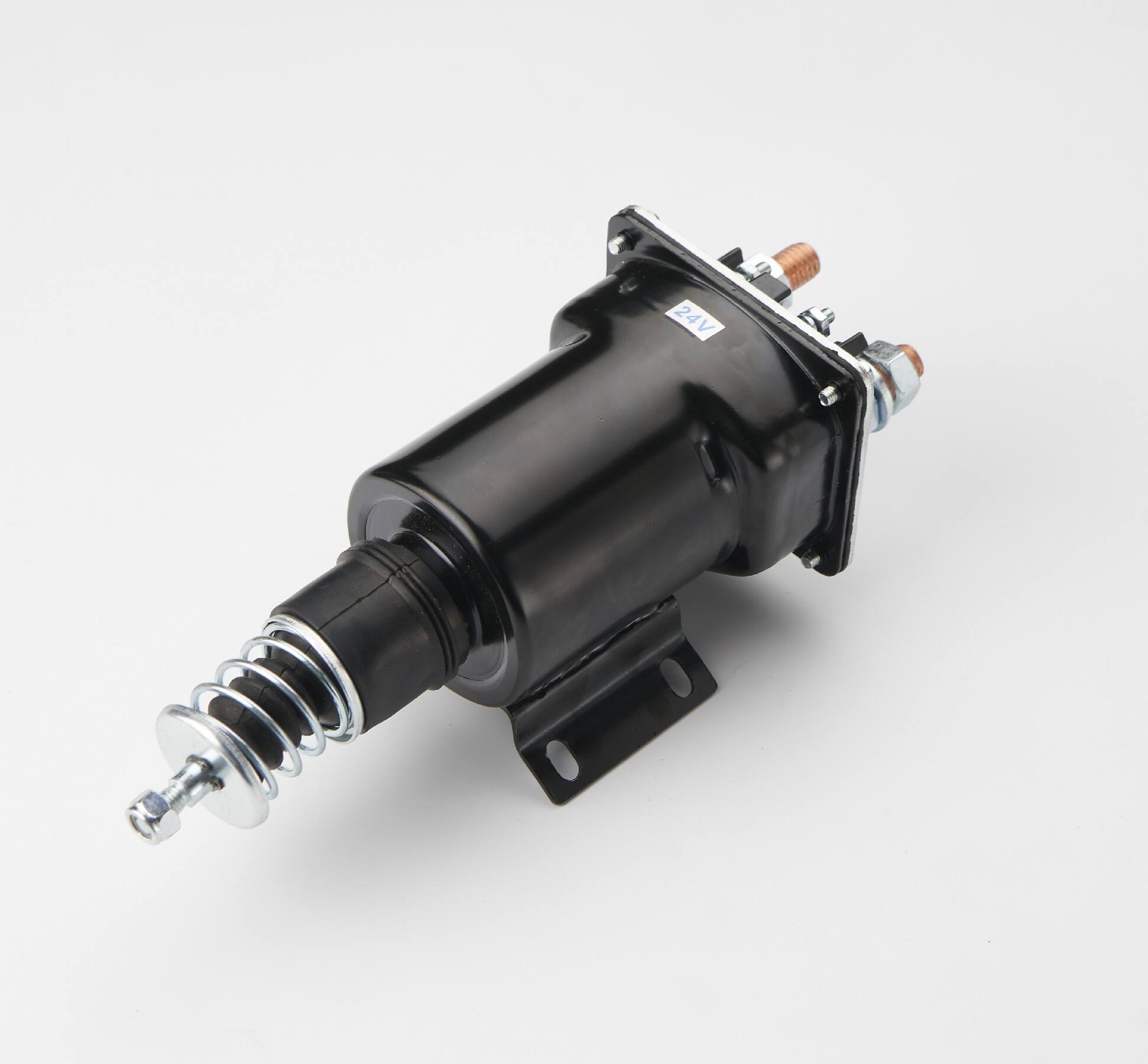
ព្រឹត្តិការណ៍ សូលេណូអ៊ីតម៉ូទ័រចាប់ផ្តើម បម្រើជាសំភារៈសំខាន់ណាស់ក្នុងប្រព័ន្ធអគ្គិសនីរបស់យានយន្ត ដែលដំណាំទាំងជាប៉ុយអគ្គិសនី និង សេចក្តីបញ្ជាគ្រឿងយន្ត។ ម្ចាស់យានយន្ត និង បច្ចេកទេសជាច្រើន ជាញឹកញាប់សួរថា តើសូឡេណូអ៊ីតស្ទាត់ម៉ូទ័រ (starter motor solenoid) អាចផ្លាស់ប្តូរបានទេជាមួយប៉ុយម៉ាញេតូ (magneto switch) ជាពិសេសនៅពេលដែលត្រូវការផ្នែកជំនួសភ្លាមៗ។ ការយល់ដឹងអំពីភាពខុសគ្នាមូលដ្ឋានរវាងសំភារៈទាំងពីរនេះ គឺចាំបាច់ណាស់សម្រាប់ការថែទាំយានយន្តឱ្យបានត្រឹមត្រូវ និងជៀសវាងការខូចខាតដែលមានតម្លៃខ្ពស់នៅក្នុងប្រព័ន្ធអគ្គិសនី។ ទោះបីជាឧបករណ៍ទាំងពីរនេះមានមុខងារបើក-បិទ (switching functions) ក្នុងការប្រើប្រាស់ក្នុងយានយន្តក៏ដោយ ក៏ការរចនាជាក់លាក់ គោលការណ៍ដំណាំ និងតម្រូវការដំឡើងរបស់វាធ្វើឱ្យវាជាសំភារៈផ្សេងគ្នាដាច់ខាត ហើយមានសក្តានុពលក្នុងការផ្លាស់ប្តូរគ្នាបានតិចណាស់។
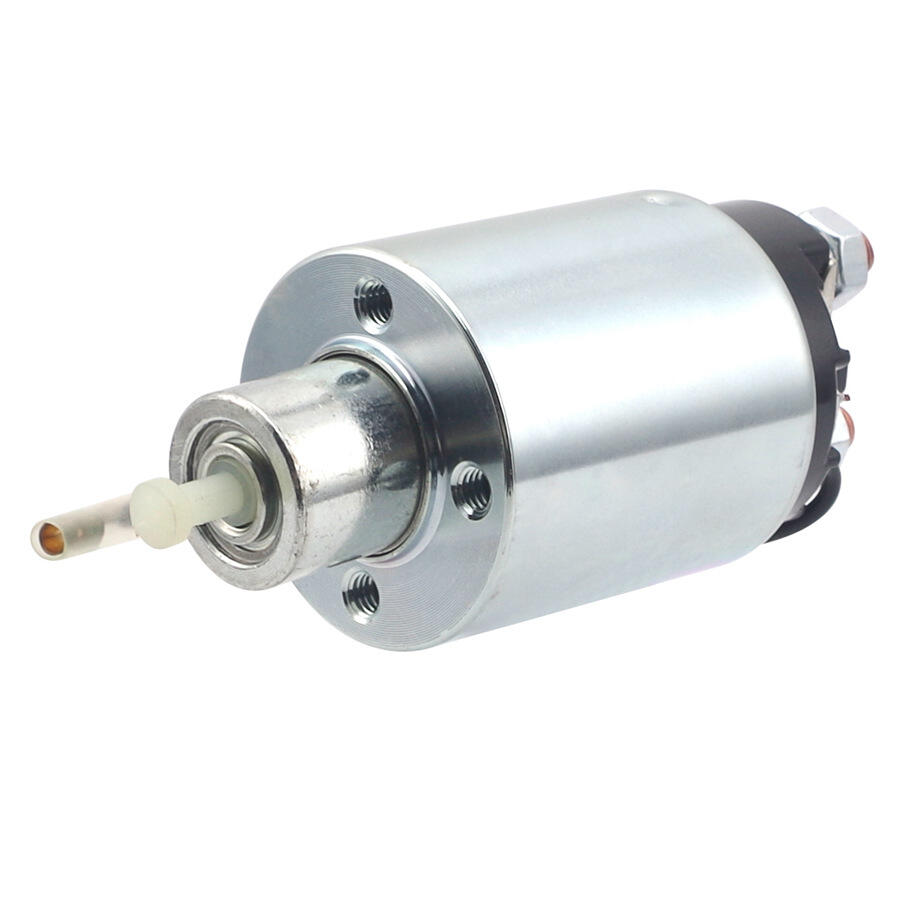
ការយល់ដឹងអំពីមុខងាររបស់សូលេណូអ៊ីដម៉ូទ័រចាប់ផ្តើម
គោលការណ៍ប្រតិបត្តិមូលដ្ឋាន
សូលេណយដ៍ចាប់ផ្តើមប្រើប្រាស់គោលការណ៍អេឡិចត្រូម៉ាញេទិក ដែលប្រើខ្សែដែលបានរុំជុំវិញស្នូលដែលមានលក្ខណៈសាកសួល (ferromagnetic) ដើម្បីបង្កើតវាលម៉ាញេទិកនៅពេលដែលវាត្រូវបានផ្តល់ថាមពល។ វាលម៉ាញេទិកនេះទាញធាតុផ្លាស់ទី (plunger) ឬអាម៉ាទួរ (armature) ដែលបើក-បិទប៉ះទង្គិចអគ្គិសនី និងភ្ជាប់គ្រឿងភ្លាមៗផ្នែកមេកានិកក្នុងពេលតែមួយ។ សូលេណយដ៍ចាប់ផ្តើមជាទូទៅទទួលសញ្ញាអគ្គិសនីដែលមានចរន្តទាបពីស្វ៊ីតឆេក (ignition switch) ហើយពង្រីកវាទៅជាការភ្ជាប់ដែលមានចរន្តខ្ពស់ ដែលអាចផ្តល់ថាមពលដល់ម៉ូទ័រចាប់ផ្តើម។ លក្ខណៈពិសេសនៃមុខងារទ្វេ (dual function) របស់ផ្នែកនេះ ធ្វើឱ្យវាមានសមត្ថភាពពិសេសសម្រាប់ប្រព័ន្ធចាប់ផ្តើមរថយន្ត ដែលត្រូវការទាំងការបើក-បិទអគ្គិសនី និងការភ្ជាប់ផ្នែកមេកានិក។
គុណសម្បត្តិអេឡិចត្រូម៉ាញេទិកនៅក្នុងសូលេណូអ៊ីដ នៃម៉ូទ័រចាប់ផ្តើម មានរួមបានពីរខ្សែវ៉ាយដែលបែងចែកពីគ្នា៖ ខ្សែវ៉ាយសម្រាប់ទាញចូល និងខ្សែវ៉ាយសម្រាប់រក្សាទុក។ ខ្សែវ៉ាយសម្រាប់ទាញចូលផ្តល់នូវកម្លាំងម៉ាញេទិកខ្លាំងដំបូង ដែលត្រូវការដើម្បី преодолеть ការតានតឹងរបស់រ៉ូស៍ ហើយធ្វើឱ្យផ្លាក់រអិលផ្លាស់ទី ខណៈដែលខ្សែវ៉ាយសម្រាប់រក្សាទុករក្សាទីតាំងដែលបានភ្ជាប់ជាមួយការប្រើប្រាស់ថាមពលអគ្គិសនីតិចិត្ត។ ការរចនានេះធានាបាននូវប្រសិទ្ធភាពនៃការប្រើប្រាស់ ខណៈពេលដែលការពារការកើនឡើងនូវកំដៅលើសពីការអនុញ្ញាតក្នុងអំឡុងពេលចាប់ផ្តើមយូរ។ ការតភ្ជាប់យាន្តសាស្ត្រដែលភ្ជាប់ទៅនឹងផ្លាក់រអិលរបស់សូលេណូអ៊ីដ ធ្វើឱ្យធ្មេញបើកបររបស់ម៉ូទ័រចាប់ផ្តើមផ្លាស់ទីទៅកាន់ការភ្ជាប់ជាមួយធ្មេញរង្វិលរបស់ប្រអប់រង្វិល (flywheel) ដែលបង្កើតបាននូវការតភ្ជាប់រូបកាយដែលចាំបាច់សម្រាប់ការបង្វិលម៉ាស៊ីន។
ការរៀបចំសម្ភារៈអគ្គិសនី
សេណូអ៊ីដ (solenoid) នៅក្នុងម៉ាស៊ីនចាប់ផ្តើម (starter motor) ត្រូវបានរចនាឡើងដើម្បីទប់ទល់នឹងបរិមាណចរន្តអគ្គិសនីខ្ពស់ ដែលជាទូទៅមានចន្លោះពី ២០០ ដល់ ៤០០ អំបែរ អាស្រ័យលើទំហំម៉ាស៊ីន និងតម្រូវការរបស់ម៉ាស៊ីនចាប់ផ្តើម។ ការតភ្ជាប់ទាំងនេះត្រូវបានផលិតពីសម្ភារៈដែលអាចទប់ទល់នឹងការបង្កើតផ្ទះៗ (arcing) ដែលកើតឡើងជាប្រចាំ និងលក្ខខណ្ឌសីតុណ្ហភាពខ្ពស់។ ការរៀបចំការតភ្ជាប់ជាទូទៅរួមមានការតភ្ជាប់ថាមពលសំខាន់ពីប៉ូលវិជ្ជមាននៃថ្មទៅម៉ាស៊ីនចាប់ផ្តើម រួមទាំងធាតុបញ្ជាបន្ថែមសម្រាប់ស្វ៊ីតចាប់ផ្តើម (ignition switch) និងជាប់ទាក់ទងនឹងបណ្តាញប៉ាស់ (bypass circuits) ក្នុងករណីខ្លះ។ ការសាងសង់ដែលមានស្ថេរភាពខ្ពស់នៃការតភ្ជាប់ទាំងនេះធានាបាននូវការប្រើប្រាស់ដែលអាចទុកចិត្តបាន ក្រោមលក្ខខណ្ឌដែលទាមទារខ្ពស់នៅក្នុងប្រព័ន្ធចាប់ផ្តើមរថយន្ត។
ការរចនាប្រភេទសូលេណយ៍ដែលប្រើសម្រាប់ម៉ាស៊ីនចាប់ផ្តើមទំនើប បានរួមបញ្ចូលលក្ខណៈសុវត្ថិភាពជាច្រើន រួមទាំងមេកានិកសម្រាប់បន្ថយគ្រាប់ភ្លើង (arc suppression) និងធាតុការពារកំដៅ។ លក្ខណៈទាំងនេះជួយការពារការភ្ជាប់គ្នារវាងផ្ទៃប៉ះ (contact welding) កាត់បន្ថយការរំខានអេឡិចត្រូម៉ាញេទិក (electromagnetic interference) និងការពារសូលេណយ៍ពីការខូចខាតដែលបណ្តាលមកពីការក្តៅហួល។ ការកំណត់ពេលវេលាដែលផ្ទៃប៉ះបើក ឬបិទឱ្យបានត្រឹមត្រូវគឺមានសារៈសំខាន់ណាស់សម្រាប់ការប្រតិបត្តិការឱ្យបានត្រឹមត្រូវនៃម៉ាស៊ីនចាប់ផ្តើម ព្រោះការបើក ឬបិទមុនពេល ឬយឺតពេលអាចបណ្តាលឱ្យមានសំលេងក្រាប់ (grinding noises) ការចូលរួមមិនពេញលេញ ឬការខូចខាតនៃម៉ាស៊ីនចាប់ផ្តើម។ សូលេណយ៍ម៉ាស៊ីនចាប់ផ្តើមដែលមានគុណភាពល្អ រក្សាបាននូវលក្ខណៈពេលវេលាដែលស្ថិតស្ថេរ ទាំងអស់ក្នុងអំឡុងពេលអាយុកាលប្រើប្រាស់របស់វា។
ការរចនា និងការប្រតិបត្តិការនៃស្វ៊ីតឆ្លើយតបដោយម៉ាញេទិក (Magneto Switch)
ភាពខុសគ្នាក្នុងការសាងសង់
ស្វ៊ីត្ចម៉ាញេតូខុសគ្នាយ៉ាងច្បាស់ពីសូលេណយ៍ដែលប្រើសម្រាប់ម៉ាស៊ីនចាប់ផ្តើម ទាំងក្នុងរចនាសម្ព័ន្ធ និងការប្រើប្រាស់ដែលបានកំណត់។ ស្វ៊ីត្ចទាំងនេះត្រូវបានរចនាឡើងជាពិសេសសម្រាប់ការគ្រប់គ្រងសៀគ្វីអគ្គិសនី ជាជាងការបើក-បិទដោយមេកានិក ហើយផ្តោតលើការបើក-បិទដែលអាចទុកចិត្តបាននូវផ្ទុកបច្ចុប្បន្នមធ្យមនៅក្នុងប្រព័ន្ធបញ្ចុចភ្លើង។ រចនាសម្ព័ន្ធផ្ទៃក្នុងរបស់ស្វ៊ីត្ចម៉ាញេតូផ្តោតលើភាពធន់នៃចំណុចទំនាក់ទំនង និងភាពច្បាស់លាស់នៃពេលវេលាអគ្គិសនី ជាជាងការបង្កើតកម្លាំងមេកានិកដែលត្រូវការសម្រាប់ការប្រើប្រាស់ជាមួយម៉ាស៊ីនចាប់ផ្តើម។ ទោះបីជាឧបករណ៍ទាំងពីរប្រើគោលការណ៍អេឡិកត្រូម៉ាញេទិកក៏ដោយ ស្វ៊ីត្ចម៉ាញេតូត្រូវបានប៉ះប៉ូវឱ្យសមស្របសម្រាប់លក្ខណៈសម្បត្តិប្រសើរ និងលក្ខខណ្ឌប្រតិបត្តិការផ្សេងៗគ្នា។
ទំហំរូបវន្ត និងការរៀបចំការដំឡើងរបស់ស្វ៊ីតឆេកម៉ាញ៉េតូ ជាទូទៅខុសពីសូលេណយ៍ម៉ូទ័រចាប់ផ្តើម ដែលបញ្ជាក់ពីតម្រូវការការអនុវត្តប្រកបដោយភាពពិសេសរបស់វា។ ស្វ៊ីតឆេកម៉ាញ៉េតូ ជាទូទៅត្រូវបានរៀបចំសម្រាប់ការដំឡើងលើផ្ទៃរាប ឬការបញ្ចូលទៅក្នុងសមាសភាគស្វ៊ីតឆេកប្រព័ន្ធបញ្ចុះភ្លើង ខណៈដែលសូលេណយ៍ម៉ូទ័រចាប់ផ្តើមត្រូវការការដំឡើងដោយផ្ទាល់លើ ឬនៅជិតធុងម៉ូទ័រចាប់ផ្តើម។ ការរៀបចំទៅលើគ្រាប់ប៉ះផ្សេងៗក៏ខុសគ្នាយ៉ាងច្បាស់ដែរ ដែលស្វ៊ីតឆេកម៉ាញ៉េតូមានការរៀបចំទៅលើគ្រាប់ប៉ះផ្សេងៗគ្នាដែលបានប៉ះពាល់យ៉ាងល្អសម្រាប់ការគ្រប់គ្រងបរិបទបញ្ចុះភ្លើង ជាជាងការប្រើប្រាស់ម៉ូទ័រចាប់ផ្តើមដែលទាមទារថាមពលខ្ពស់។
លក្ខណៈពិសេសសម្រាប់ការអនុវត្ត
ស្វ៊ីតឆេកម៉ាញេតូ រួមបញ្ចូលគុណលក្ខណៈដែលបានរចនាជាពិសេសសម្រាប់ការអនុវត្តន៍ប្រព័ន្ធប៉ះផ្ទះ រួមទាំងភាពធន់នឹងសំឡេងអគ្គិសនី និងការរំខានដែលជាប្រក្រ្តិចប្រកាយនៅក្នុងបរិវេណម៉ាស៊ីន។ ស្វ៊ីតឆេកទាំងនេះជាញឹកញាប់រួមបញ្ចូលគ្រឿងផ្សំសម្រាប់ត្រាស់ និងការពារដើម្បីការពារការប៉ះផ្ទះខុស ឬការធ្លាក់ចុះគុណភាពសញ្ញា។ សារធាតុប៉ះដែលប្រើនៅក្នុងស្វ៊ីតឆេកម៉ាញេតូត្រូវបានជ្រើសរើសដោយផ្អែកលើសមត្ថភាពរបស់វាក្នុងការទប់ទល់នឹងលក្ខណៈវ៉ុល និងប្រវែងប្រវែងចរន្តជាក់លាក់របស់ប្រព័ន្ធប៉ះផ្ទះ ដែលខុសពីតម្រូវការចរន្តខ្ពស់ និងវ៉ុលទាបរបស់ប្រព័ន្ធបើកដំណាំង។
ល្បឿនបើកបរ និងពេលវេលាប្រតិបត្តិការរបស់ស្វ៊ីតឆេកម៉ាញេតូត្រូវបានប៉ះប៉ះឱ្យសមស្របនឹងតម្រូវការពេលវេលាប៉ះផ្ទះ ជាជាងតម្រូវការការចូលរួមផ្នែកយាន្តរបស់ប្រព័ន្ធបើកដំណាំង។ ការប៉ះប៉ះនេះប៉ះពាល់ដល់ការរចនាកូអ៊ីលអេឡិចត្រូម៉ាញេទិក កម្លាំងរបស់រ៉ឺស័រ និងរូបរាងប៉ះនៅក្នុងស្វ៊ីតឆេក។ ទោះបីជា សូលេណូអ៊ីតម៉ូទ័រចាប់ផ្តើម ផ្តោតលើកម្លាំងផ្នែកយាន្ត និងសមត្ថភាពបើកបរចរន្តខ្ពស់ ស្វ៊ីតឆេកម៉ាញេតូវិញផ្តោតលើភាពច្បាស់លាស់នៃពេលវេលា និងភាពធន់នឹងសំឡេងអគ្គិសនី។
ការវិភាគអំពីសមត្ថភាពក្នុងការផ្លាស់ប្តូរគ្នាបាន និងដែនកំណត់
ការពិចារណាអំពីសាក្សីភាពអគ្គិសនី
លក្ខណៈបច្ចេកទេសអគ្គិសនីរបស់សូឡេណូអ៊ីតម៉ាស៊ីនចាប់ផ្តើម និងស្វ៊ីតឆេកម៉ាញេតូ បង្ហាញពីបញ្ហាសាក្សីភាពដែលគួរឱ្យកត់សម្គាល់ នៅពេលគិតពីការប្រើប្រាស់ជាជំនួសគ្នា។ សូឡេណូអ៊ីតម៉ាស៊ីនចាប់ផ្តើមត្រូវបានរចនាឡើងដើម្បីទប់ទល់នឹងកម្រិតចរន្តដែលខ្ពស់ជាងកម្រិតធម្មតារបស់ស្វ៊ីតឆេកម៉ាញេតូយ៉ាងច្រើន ដែលអាចនាំឱ្យមានការបរាជ័យនៅចំណុចទំនាក់ទំនង ការកើនឡើងនៃសីតុណ្ហភាព ឬគ្រោះថ្លាក់ដែលបណ្តាលមកពីភ្លើងឆេះ ប្រសិនបើស្វ៊ីតឆេកម៉ាញេតូត្រូវបានជំនួសចូលក្នុងបណ្តាញចាប់ផ្តើម។ កម្រិតវ៉ុលក៏អាចខុសគ្នាដែរ ដោយស្វ៊ីតឆេកម៉ាញេតូខ្លះត្រូវបានរចនាឡើងសម្រាប់វ៉ុលប្រព័ន្ធបញ្ចូលភ្លើងជាក់លាក់ ដែលប្រហែលជាមិនសមស្របជាមួយតម្រូវការរបស់បណ្តាញចាប់ផ្តើម។
តម្លៃធម្មតានៃការវាយតម្លៃដែលមាននៅក្នុងគូរ៉េន្តរបស់សូឡេណយ៍ដែលភ្ជាប់ទៅនឹងម៉ាស៊ីនចាប់ផ្តើម និងស្វ៊ីតឆ្លុះម៉ាញេទូ ជាញឹកញាប់ខុសគ្នាយ៉ាងខ្លាំង ដែលប៉ះពាល់ដល់ចំនួនថាមពលដែលគ្រប់គ្រងបានពីបណ្តាញគ្រប់គ្រង ហើយអាចបណ្តាលឱ្យប្រព័ន្ធដំណើរការមិនត្រឹមត្រូវ ឬបណ្តាលឱ្យមានការខូចខាតដល់ផ្នែកដែលទាក់ទង។ ស្វ៊ីតចាប់ផ្តើម និងខ្សែភ្លើងដែលទាក់ទងនៅក្នុងយានយន្តភាគច្រើន ត្រូវបានរចនាឡើងជាពិសេសដើម្បីធ្វើការជាមួយលក្ខណៈអគ្គិសនីរបស់សូឡេណយ៍ម៉ាស៊ីនចាប់ផ្តើមដើម ហើយការជំនួសសូឡេណយ៍ដោយស្វ៊ីតឆ្លុះម៉ាញេទូ អាចបណ្តាលឱ្យមានចំនួនថាមពលដែលហូរចូលមិនគ្រប់គ្រាន់ ឬបណ្តាលឱ្យមានការផ្ទុកលើសលប់លើផ្ទៃប៉ះរបស់ស្វ៊ីតចាប់ផ្តើម។
បញ្ហាប្រឈមនៃការបញ្ចូលផ្នែកមេកានិក
ផ្នែកមេកានិកនៃការប្រើប្រាស់សូឡេណយដ៍ម៉ូទ័រចាប់ផ្តើមមិនអាចធ្វើឡើងវិញបានដោយស្វ៊ីតឆេកម៉ាញេតូ ព្រោះឧបករណ៍ទាំងនេះខ្វះការតភ្ជាប់មេកានិក និងសមត្ថភាពបង្កើតកម្លាំងដែលត្រូវការសម្រាប់ការចូលរួមរបស់ប្រព័ន្ធចាប់ផ្តើម។ ទោះបីជាការឆបគ្នាអំពីផ្នែកអគ្គិសនីអាចសម្រេចបានក៏ដោយ ការខ្វះការប្រតិបត្តិការមេកានិកនឹងបណ្តាលឱ្យប្រព័ន្ធចាប់ផ្តើមមិនអាចដំណើរការបាន។ វិមាត្រនៃការដំឡើង ទីតាំងនៃថ្នាក់ និងចំណុចប្រទាក់រាងកាយរបស់ស្វ៊ីតឆេកម៉ាញេតូ ជាទូទៅមិនសមស្របជាមួយសូឡេណយដ៍ម៉ូទ័រចាប់ផ្តើមទេ ដែលបណ្តាលឱ្យមានបញ្ហាបន្ថែមសម្រាប់ការដំឡើង។
តម្រូវការបរិស្ថានសម្រាប់ការដំឡើងសូលេណូអ៊ីត (solenoid) នៃម៉ាស៊ីនចាប់ផ្តើម រួមទាំងសមត្ថភាពទប់ទល់នឹងការញ័រ សមត្ថភាពទប់ទល់នឹងសីតុណ្ហភាព និងការការពារទឹក អាចលើសពីសេចក្តីបញ្ជាក់អំពីការរចនារបស់ស្វ៊ីតឆេកម៉ាញេតូ (magneto switches) ធម្មតា។ លក្ខខណ្ឌនៅក្នុងបរិវេណចាប់ផ្តើម (starter compartment) បង្ហាញឱ្យគ្រឿងបរិក្ខារទទួលរងនូវការប្រែប្រួលសីតុណ្ហភាពយ៉ាងខ្លាំង អំបិលផ្លូវ សំណើម និងសម្ពាធ៍យានចរណ៍ ដែលស្វ៊ីតឆេកម៉ាញេតូអាចមិនត្រូវបានរចនាឡើងដើម្បីទប់ទល់នឹង។ ការមិនឆបគ្នាបរិស្ថាននេះ អាចនាំឱ្យមានការបរាជ័យមុនពេលវេលាទោះបីជាបញ្ហាបរិស្ថានផ្សេងៗទៀតត្រូវបានដោះស្រាយរួចហើយក៏ដោយ។
ផលប៉ះពាល់ដល់សមត្ថភាព និងបញ្ហាសុវត្ថិភាព
កត្តាដែលអាចទុកចិត្តបាន និងភាពធន់ធន់
ការប្រើប្រាស់ផ្នែកដែលមិនឆបគ្នាក្នុងប្រព័ន្ធចាប់ផ្តើម អាចបណ្តាលឱ្យប្រព័ន្ធមានភាពអាចទុកចិត្តបានថយចុះយ៉ាងខ្លាំង ហើយបង្កើតគ្រោះថ្នាក់សុវត្ថិភាពដែលអាចកើតមាន។ ស្វ៊ីត្ចម៉ាញេតូដែលត្រូវបានដំឡើងជំនួសសូឡេណយដ៍ម៉ូទ័រចាប់ផ្តើម អាចហាក់បីដូចជាដំណើរការបាននៅដំបូង ប៉ុន្តែអាចបរាជ័យដោយគ្មានការព្រមាន ដោយសារតែលក្ខខណ្ឌចរន្តលើស សម្ពាធផ្នែកយានចរ ឬកត្តាបរិស្ថាន។ ការបរាជ័យបែបនេះជាញឹកញាប់កើតឡើងនៅពេល និងទីកន្លែងដែលមិនសមស្រប ហើយអាចបណ្តាលឱ្យអ្នកបើកបរយានយន្តត្រូវបានបោះទុកឱ្យនៅតែម្នាក់ឯងក្នុងស្ថានភាពដែលមិនសុវត្ថិភាព។
ការរំពឹងទុកអំពីរយៈពេលអាយុកាលនៃការប្រើប្រាស់ (cycle life) សម្រាប់សូឡេណយ៍ម៉ូទ័របើកបរ និងស្វ៊ីតឆ្លុះម៉ាញេតូ មានភាពខុសគ្នាអាស្រ័យលើការប្រើប្រាស់ដែលបានរៀបចំ។ សូឡេណយ៍ម៉ូទ័របើកបរត្រូវបានរៀបចំសម្រាប់លក្ខខណ្ឌសំពាធខ្ពស់ និងធ្វើម្តងហើយម្តងទៀតក្នុងការបើកបរម៉ាស៊ីន ខណះដែលស្វ៊ីតឆ្លុះម៉ាញេតូអាចមិនមានលក្ខណៈភាពធន់នៅក្នុងរយៈពេលយូរដូចគ្នា។ ការជំនួសគ្រឿងផ្សំដែលមានសមត្ថភាពរំពឹងទុកអំពីរយៈពេលអាយុកាលមិនគ្រប់គ្រាន់ អាចបណ្តាលឱ្យបរាជ័យមុនពេលវេលា និងបង្កើនថ្លៃដើមការថែទាំក្នុងអំឡុងពេលប្រើប្រាស់រថយន្ត។
ផលប៉ះពាល់ដែលមានលើការបញ្ចូលប្រព័ន្ធ
ប្រព័ន្ធអគ្គិសនីសម័យទំនើបសម្រាប់រថយន្ត ពឹងផ្អែកលើសេចក្តីបញ្ជាក់ដែលមានភាពត្រឹមត្រូវអំពីគ្រឿងបរិក្ខារ ដើម្បីធានាបាននូវការដំណាំដែលត្រឹមត្រូវនៃប្រព័ន្ធដែលតភ្ជាប់គ្នាទាំងអស់។ ការដំឡើងគ្រឿងបរិក្ខារប្រភេទខុស អាចប៉ះពាល់មិនតែលើប្រព័ន្ធដំណាំប៉ុណ្ណោះទេ ថែមទាំងប៉ះពាល់ដល់បណ្តាលេខផ្សេងៗដែលទាក់ទងផងដែរ ដូចជា ប្រព័ន្ធការត្រួតពិនិត្យការប៉ះប្រទាប់ (charging system monitoring) ប្រព័ន្ធគ្រប់គ្រងម៉ាស៊ីន (engine management systems) និងលក្ខណៈសុវត្ថិភាព (security features)។ សូឡេណូអ៊ីត (solenoid) នៃម៉ូទ័រដំណាំ ជាញឹកញាប់ទាក់ទងជាមួយប្រព័ន្ធរថយន្តច្រើនប្រភេទ ហើយបញ្ហាភាពឆបគ្នាអាចរាតតាយទៅកាន់ផ្នែកផ្សេងៗទៀតនៃការដំណាំរថយន្ត។
ការពិចារណាលើការធានាក៏មានតួនាទីសំខាន់ផងដែរក្នុងការសម្រេចចិត្តជ្រើសរើសផ្នែក។ ការប្រើប្រាស់ផ្នែកជំនួសដែលមិនត្រូវបានបញ្ជាក់អាចធ្វើឱ្យការធានារបស់យានយន្តផុតកំណត់ ហើយក៏អាចបណ្តាលឱ្យការទាមទារធានាប្រកបដោយភាពស្មុគស្មាញ ប្រសិនបើប្រព័ន្ធអគ្គិសនីរងគ្រោះផងដែរ។ ស្ថានីយ៍ជួសជុលវិជ្ជាជីវៈជាទូទៅជៀសវាងការជំនួសផ្នែកដែលមិនសอดคล้องនឹងសេចក្តីបញ្ជាក់របស់អ្នកផលិត ដើម្បីរក្សាប្រាក់ធានាប្រឆាំងនឹងទំនួលខុសត្រាច់ និងស្តង់ដារវិជ្ជាជីវៈរបស់ពួកគេ។ ថ្លៃដែលអាចកើតឡើងដោយសារការខូចខាតនៃប្រព័ន្ធ ដែលបណ្តាលមកពីការប្រើប្រាស់ផ្នែកដែលមិនស៊ីគ្នា ជាញឹកញាប់លើសពីសាច់ប្រាក់ដែលសន្សំបានក្នុងរយៈពេលខ្លី ដោយសារការប្រើប្រាស់ផ្នែកជំនួស។
សេចក្តីណែនាំស្តីពីការជ្រើសរើស និងជំនួសដែលត្រឹមត្រូវ
ការកំណត់អត្តសញ្ញាណ និងការផ្គូផ្គងសេចក្តីបញ្ជាក់
ការជំនួសសូឡេណយដ៍ម៉ូទ័រចាប់ផ្តើមឱ្យបានត្រឹមត្រូវ តម្រូវឱ្យមានការយកចិត្តទុកដាក់យ៉ាងខ្លាំងលើសេចក្តីបញ្ជារបស់អ្នកផលិត រួមទាំងការវាស់វែងអគ្គិសនី ការវាស់វែងផ្នែកយន្ត និងការរៀបចំទំនាក់ទំនង។ ការបកស្រាយលេខសម្គាល់យានយន្ត (VIN) និងការស្វែងរកកាតាឡុកផ្នែក ជួយធានាថា ការជ្រើសរើសផ្នែកត្រូវបានផ្គូផ្គងគ្នាដោយពិតប្រាកដទៅនឹងសេចក្តីបញ្ជាដើម្បីបានប្រសិទ្ធភាព និងភាពអាចទុកចិត្តបានខ្ពស់បំផុត។ សូឡេណយដ៍ម៉ូទ័រចាប់ផ្តើមជាច្រើន មានលេខផ្នែក និងលក្ខណៈអគ្គិសនីជាក់លាក់ដែលបានបោះពុម្ពនៅលើផ្នែកខាងក្រៅ ដែលផ្តល់ព័ត៌មានសំខាន់ៗសម្រាប់ការជ្រើសរើសផ្នែកជំនួសឱ្យបានត្រឹមត្រូវ។
ដំណាំវិនិច្ឆ័យវិជ្ជាជីវៈអាចជួយបញ្ជាក់ពីស្ថានភាព និងលក្ខណៈបច្ចេកទេសរបស់សូឡេណូអ៊ីតម៉ូទ័រចាប់ផ្តើមដែលមានស្រាប់ មុនពេលជំនួស។ ការធ្វើតេស្តការធ្លាក់វ៉ុល្ដ ការវាស់ចរន្ត និងការបញ្ជាក់អំពីការដំណាំផ្នែកយាន្តបច្ចេកទេស ផ្តល់ព័ត៌មានដែលមានតម្លៃអំពីតម្រូវការរបស់ប្រព័ន្ធ ហើយជួយកំណត់ការផ្លាស់ប្តូរ ឬគ្រឿងបរិក្ខារដែលមិនស្តាន្ដារ ដែលបានដំឡើងពីមុន។ វិធីសាស្ត្រវិនិច្ឆ័យនេះធានាថា គ្រឿងបរិក្ខារដែលជំនួសនឹងឆបគ្នាជាមួយការរៀបចំប្រព័ន្ធអគ្គិសនីរបស់យានយន្តដែលមានស្រាប់។
វិធីដំណើរការតុលាការដែលល្អបំផុត
ការដំឡើងសូឡេណូអ៊ីតម៉ូទ័រចាប់ផ្តើមឱ្យបានត្រឹមត្រូវ តម្រូវឱ្យមានការយកចិត្តទុកដាក់ចំពោះតម្លៃបង្គាប់ (torque), ដំណាំការតភ្ជាប់អគ្គិសនី និងវិធានការការពារបរិស្ថាន។ ការតភ្ជាប់អគ្គិសនីដែលស្អាត ការបង្គាប់ទៅលើថ្លែងឱ្យបានត្រឹមត្រូវ និងការការពារការឆ្លាក់បានគ្រប់គ្រាន់ ជួយធានាបាននូវភាពអាចទុកចិត្តបាន និងប្រសិទ្ធភាពយូរអង្វែង។ ការកែសម្រួលការតភ្ជាប់យាន្តបច្ចេកទេស នៅពេលដែលអាចអនុវត្តបាន ត្រូវតែធ្វើតាមលក្ខណៈបច្ចេកទេសដែលអ្នកផលិតបានបញ្ជាក់ ដើម្បីធានាបាននូវពេលវេលាដែលម៉ូទ័រចាប់ផ្តើមចូល និងចេញពីការដំណាំបានត្រឹមត្រូវ។
សូលេណយ៍ដែលជាប៉ាក់ស្តារគុណភាពពីអ្នកផលិតដែលមានកិត្តិនាមផ្តល់នូវការធានាល្អបំផុតចំពោះសារធាតុស៊ីស្តេម ភាពអាចទុកចិត្តបាន និងប្រសិទ្ធភាព។ ទោះបីជាជម្រើសក្រៅផលិតកម្ម (aftermarket) អាចផ្តល់នូវការសន្សំប្រាក់ក៏ដោយ ការផ្ទៀងផ្ទាត់លក្ខណៈបច្ចេកទេស និងស្តង់ដារគុណភាពគឺជាការចាំបាច់ដើម្បីជៀសវាងបញ្ហាសារធាតុស៊ីស្តេម និងការខូចខាតមុនអ័ក្ស។ សេវាកម្មដំឡើងដោយអ្នកជំនាញអាចផ្តល់នូវការធានារ៉ាប់រង និងជំនាញក្នុងការដំណាំនូវតម្រូវការជាក់លាក់សម្រាប់យានយន្តផ្សេងៗគ្នា និងគំរូផ្សេងៗគ្នា។
សំណួរញឹកញាប់
តើខ្ញុំអាចប្រើស្វ៊ីតឆេកម៉ាញេតូ (magneto switch) ជាជំនួសបណ្តោះអាសន្នសម្រាប់សូលេណយ៍ម៉ូទ័រចាប់ផ្តើមបានទេ?
ទេ ការប្រើប្រាស់ស្វ៊ីតឆ្លុះម៉ាញេតូជាបន្ទាប់បន្សំជំនួសសូឡេណយដ៍ម៉ូទ័រចាប់ផ្តើមគឺមិនត្រូវបានណែនាំ ហើយអាចបង្កគ្រោះថ្នាក់។ ស្វ៊ីតឆ្លុះម៉ាញេតូខ្វះសមត្ថភាពទប់ទល់នឹងចរន្តអគ្គិសនី និងលក្ខណៈសកម្មភាពយាន្តសាស្ត្រដែលត្រូវការសម្រាប់ប្រព័ន្ធចាប់ផ្តើម។ ទោះបីជាប្រើប្រាស់បណ្តោះអាសន្នក៏ដោយ ក៏អាចបណ្តាលឱ្យមានការខូចខាតប្រព័ន្ធអគ្គិសនី គ្រោះថ្នាក់អាចឆេះ ឬប្រព័ន្ធចាប់ផ្តើមបរាជ័យទាំងស្រុង។ វាជាការល្អជាងគេក្នុងការទិញផ្នែកជំនួសត្រឹមត្រូវ ឬស្វែងរកជំនួយពីអ្នកជំនាញ ជាជាងព្យាយាមជំនួសដោយផ្នែកដែលមិនស៊ីគ្នា។
តើភាពខុសគ្នាសំខាន់ៗរវាងសូឡេណយដ៍ម៉ូទ័រចាប់ផ្តើម និងស្វ៊ីតឆ្លុះម៉ាញេតូចំពោះអត្រាចរន្តគឺអ្វីខ្លះ?
សូលេណយ៍ដែលប្រើសម្រាប់ចាប់ផ្តើមម៉ាស៊ីន ជាទូទៅអាចទ្រាំនូវចរន្តអគ្គិសនី ២០០–៤០០ អំបែរ ដើម្បីបញ្ជូនថាមពលទៅកាន់ម៉ាស៊ីនចាប់ផ្តើមដែលមានទំហំធំ ខណៈដែលស្វិត្ចម៉ាញេតូត្រូវបានរចនាឡើងសម្រាប់ការប្រើប្រាស់ដែលទាមទារចរន្តទាបជាង ជាទូទៅក្រោម ៣០ អំបែរ។ ភាពខុសគ្នាដ៏ធំនេះក្នុងសមត្ថភាពទ្រាំនូវចរន្ត បណ្តាលឱ្យស្វិត្ចម៉ាញេតូមិនសមស្របសោះសម្រាប់ការប្រើប្រាស់ជាមួយម៉ាស៊ីនចាប់ផ្តើម។ សម្ភារៈដែលប្រើសម្រាប់ផ្ទៃប៉ះ ទំហំខ្សែ និងលក្ខណៈសម្បត្តិសម្រាប់គ្រប់គ្រងកំដៅរបស់គ្រឿងបរិក្ខារទាំងនេះ ត្រូវបានរចនាឡើងសម្រាប់ជួរចរន្តជាក់លាក់របស់ពួកវា ហើយមិនអាចលើសពីដែនកំណត់ទាំងនោះបានដោយសុវត្ថិភាពទេ។
តើខ្ញុំអាចកំណត់បានយ៉ាងដូចម្តេចថា យានយន្តរបស់ខ្ញុំមានសូលេណយ៍ចាប់ផ្តើម ឬស្វិត្ចម៉ាញេតូ?
សូលេណយដ៍ស្តាត័រម៉ូទ័រជាទូទៅត្រូវបានដំឡើងនៅលើ ឬនៅជិតស្តាត័រម៉ូទ័រ ហើយមានខ្សែកាបដែលមានសាកសពធ្ងន់ភ្ជាប់ទៅនឹងចំណុចបញ្ចូលដែលមានប្រវែងខ្ពស់។ ពួកគេជាញុះចំហោះមេកានិកដែលអាចមើលឃើញបាននៅផ្នែកខាងក្រៅ ហើយជាផ្នែកដែលមានទំហំធំជាង និងមានស្ថេរភាពខ្ពស់ជាង។ ស្វ៊ីត្ចម៉ាញេតូជាទូទៅមានទំហំតូចជាង ដំឡើងនៅតំបន់ស្វ៊ីត្ចការបើក-បិទ ឬនៅលើផ្ទៃដាសប៊ូតុង ហើយមានខ្សែដែលមានសាកសពស្រាលជាង និងចំណុចបញ្ចូលដែលមានទំហំតូចជាង។ ការប្រើប្រាស់សៀវភៅណែនទានសេវាកម្មរបស់យានយន្ត ឬដ្យាក្រាមផ្នែករបស់យានយន្ត គឺជាវិធីដែលអាចផ្តល់ការកំណត់ប៉ះពាល់បានច្បាស់លាស់ប៉ុណ្ណោះ។
តើអ្វីកើតឡើងប្រសិនបើខ្ញុំដំឡើងស្វ៊ីត្ចប្រភេទខុសដោយចៃដន្យនៅក្នុងប្រព័ន្ធបើក-បិទរបស់ខ្ញុំ?
ការដំឡើងកុងតាក់ប្រភេទខុសនៅក្នុងប្រព័ន្ធចាប់ផ្តើមអាចបណ្តាលឱ្យមានបញ្ហាផ្សេងៗ រួមទាំងការខូចខាតសមាសធាតុ ភ្លើងឆេះ ប្រព័ន្ធបរាជ័យ ឬការតភ្ជាប់ឧបករណ៍ចាប់ផ្តើមមិនពេញលេញ។ កុងតាក់ម៉ាញ៉េតូដែលប្រើជំនួសសូលីណូអ៊ីតម៉ូទ័រចាប់ផ្តើមទំនងជានឹងបរាជ័យភ្លាមៗដោយសារតែស្ថានភាពចរន្តលើស ដែលអាចបំផ្លាញសមាសធាតុអគ្គិសនីផ្សេងទៀតនៅក្នុងដំណើរការ។ ប្រសិនបើមានកំហុសបែបនេះកើតឡើង ប្រព័ន្ធគួរតែត្រូវបានផ្តាច់ភ្លាមៗ ហើយសមាសធាតុត្រឹមត្រូវត្រូវបានដំឡើងដោយអ្នកបច្ចេកទេសដែលមានសមត្ថភាព ដើម្បីការពារការខូចខាតបន្ថែមទៀត។
ទំព័រ ដើម
- ការយល់ដឹងអំពីមុខងាររបស់សូលេណូអ៊ីដម៉ូទ័រចាប់ផ្តើម
- ការរចនា និងការប្រតិបត្តិការនៃស្វ៊ីតឆ្លើយតបដោយម៉ាញេទិក (Magneto Switch)
- ការវិភាគអំពីសមត្ថភាពក្នុងការផ្លាស់ប្តូរគ្នាបាន និងដែនកំណត់
- ផលប៉ះពាល់ដល់សមត្ថភាព និងបញ្ហាសុវត្ថិភាព
- សេចក្តីណែនាំស្តីពីការជ្រើសរើស និងជំនួសដែលត្រឹមត្រូវ
-
សំណួរញឹកញាប់
- តើខ្ញុំអាចប្រើស្វ៊ីតឆេកម៉ាញេតូ (magneto switch) ជាជំនួសបណ្តោះអាសន្នសម្រាប់សូលេណយ៍ម៉ូទ័រចាប់ផ្តើមបានទេ?
- តើភាពខុសគ្នាសំខាន់ៗរវាងសូឡេណយដ៍ម៉ូទ័រចាប់ផ្តើម និងស្វ៊ីតឆ្លុះម៉ាញេតូចំពោះអត្រាចរន្តគឺអ្វីខ្លះ?
- តើខ្ញុំអាចកំណត់បានយ៉ាងដូចម្តេចថា យានយន្តរបស់ខ្ញុំមានសូលេណយ៍ចាប់ផ្តើម ឬស្វិត្ចម៉ាញេតូ?
- តើអ្វីកើតឡើងប្រសិនបើខ្ញុំដំឡើងស្វ៊ីត្ចប្រភេទខុសដោយចៃដន្យនៅក្នុងប្រព័ន្ធបើក-បិទរបស់ខ្ញុំ?