EN
EN



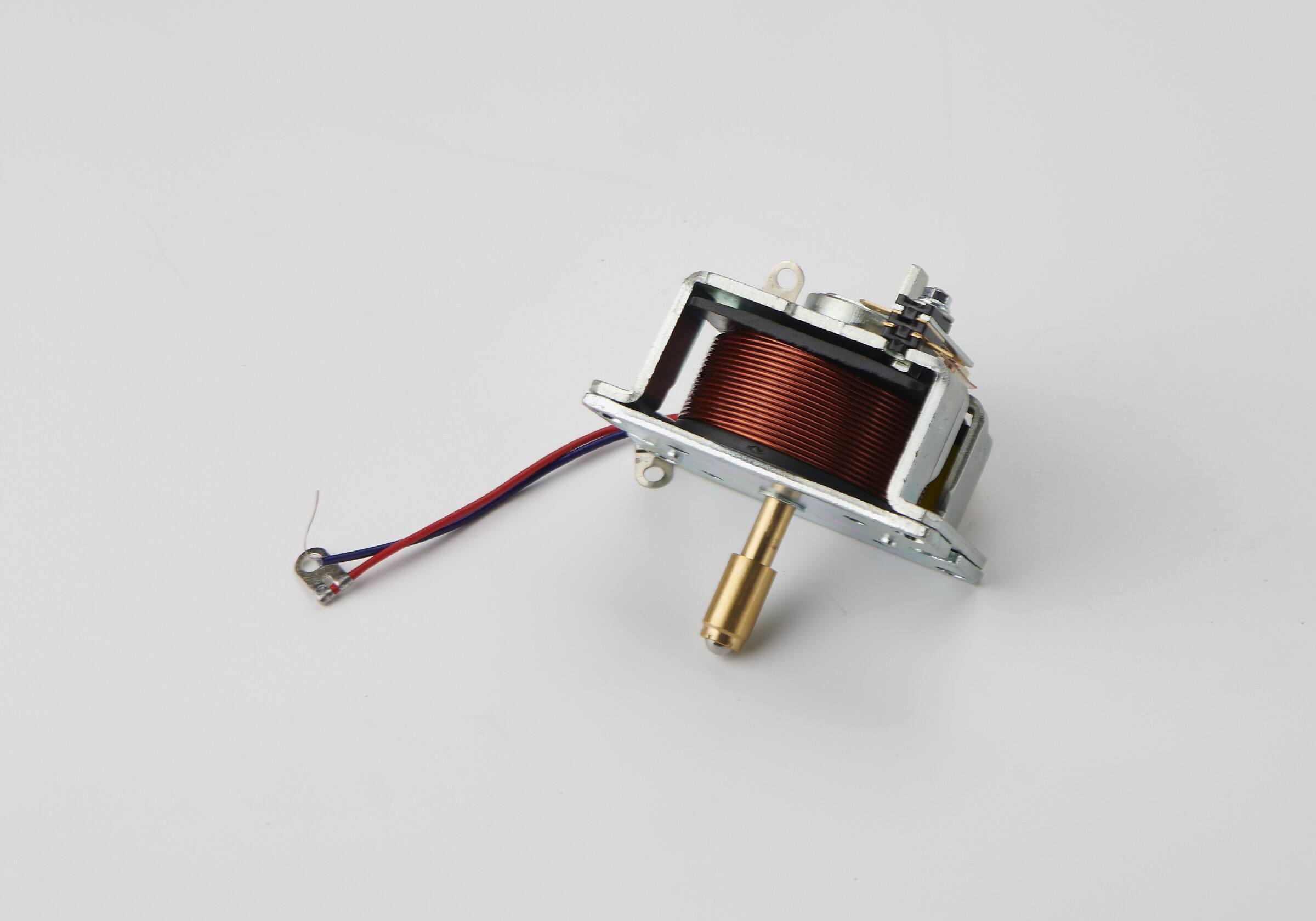
A reliable starter motor solenoid serves as the critical bridge between your ignition system and engine startup sequence. This electromagnetic switch controls the flow of electrical current from your vehicle's battery to the starter motor, determining whether your engine fires up smoothly or leaves you stranded. Understanding the intricacies of starter motor solenoid selection, installation, and maintenance can save both time and money while ensuring consistent vehicle performance across various automotive applications.
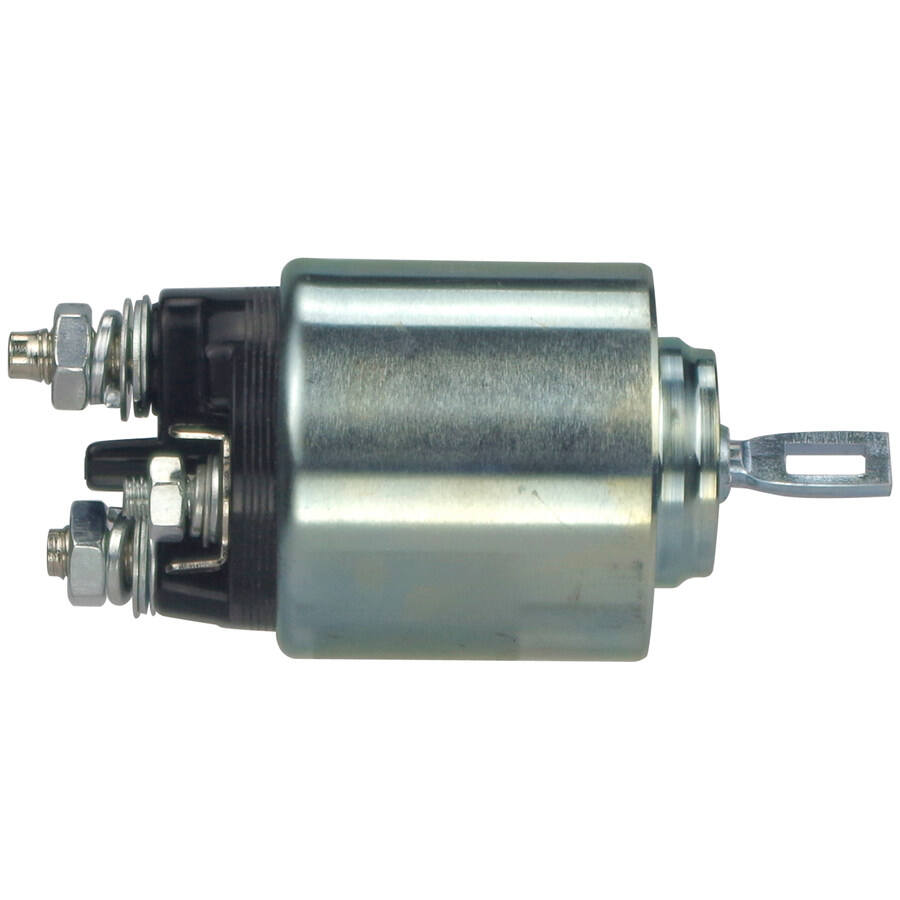
Understanding Starter Motor Solenoid Function and Design
Electromagnetic Operation Principles
The starter motor solenoid operates through electromagnetic induction, utilizing a coil-wrapped plunger mechanism to create mechanical movement from electrical energy. When the ignition key activates the system, electrical current flows through the solenoid's primary winding, generating a magnetic field that pulls the plunger inward. This action simultaneously engages the starter drive gear with the engine's flywheel while closing heavy-duty contacts that deliver high amperage current directly to the starter motor.
Modern starter motor solenoid designs incorporate dual-winding configurations featuring both pull-in and hold-in coils. The pull-in winding provides initial strong magnetic force to overcome spring tension and engage the mechanism, while the hold-in winding maintains contact closure with reduced current draw. This sophisticated design approach minimizes electrical consumption while ensuring reliable operation across temperature extremes and varying voltage conditions.
Critical Component Integration
Contemporary vehicles integrate the starter motor solenoid with multiple vehicle systems beyond basic engine starting. Advanced solenoid designs include neutral safety switch integration, anti-theft system compatibility, and remote starting capability. These enhanced features require precise electrical specifications and mounting configurations that vary significantly between manufacturers and model years.
The physical construction of a quality starter motor solenoid includes corrosion-resistant housing materials, high-temperature contact materials, and precision-machined internal components. Professional-grade solenoids feature silver-alloy contacts that resist arcing damage, while budget alternatives often utilize copper or brass contacts with shorter service life expectancy.
Vehicle-Specific Compatibility Requirements
Ford Applications and Specifications
Ford vehicles demonstrate specific starter motor solenoid mounting patterns and electrical characteristics that differ from other manufacturers. Most Ford applications utilize remote-mounted solenoids positioned on the firewall or inner fender well, connected to the starter motor through heavy-gauge cables. This configuration provides easier access for maintenance while protecting the solenoid from engine heat and vibration.
Ford starter motor solenoid specifications typically require four-terminal designs with specific terminal arrangements for battery positive, ignition switch, starter motor, and safety switch connections. Popular Ford models including F-150, Mustang, and Explorer series require solenoids rated for 12-volt operation with current handling capacity ranging from 150 to 300 amperes depending on engine displacement and starter motor requirements.
Chevrolet and GMC Compatibility
General Motors vehicles including Chevrolet and GMC models frequently integrate the starter motor solenoid directly into the starter motor assembly rather than utilizing remote mounting. This integrated approach requires complete starter motor replacement when solenoid failure occurs, increasing repair costs but improving overall reliability through reduced electrical connections.
Chevrolet applications demand starter motor solenoid components with specific thread patterns and electrical terminal configurations compatible with GM wiring harnesses. Popular models including Silverado, Camaro, and Corvette require solenoids engineered for high-performance applications with enhanced current capacity and heat dissipation characteristics.
Dodge and Chrysler Requirements
Chrysler Corporation vehicles including Dodge and Jeep brands utilize unique starter motor solenoid mounting systems and electrical specifications. Many Dodge applications feature solenoids mounted directly on the starter motor housing with specific bolt patterns and terminal orientations that prevent cross-compatibility with Ford or GM alternatives.
Dodge Ram trucks and Challenger performance vehicles require starter motor solenoid components rated for heavy-duty applications with enhanced durability features. These specifications include reinforced contact materials, improved sealing against environmental contamination, and extended temperature operating ranges.
Performance Characteristics and Selection Criteria
Electrical Rating Requirements
Selecting the appropriate starter motor solenoid requires careful consideration of electrical ratings including voltage, current capacity, and coil resistance values. Standard automotive applications typically operate at 12-volt nominal voltage, though some commercial and marine applications utilize 24-volt systems requiring specifically designed solenoid components.
Current capacity ratings for starter motor solenoid applications range from 85 amperes for small displacement engines to over 400 amperes for large diesel applications. Proper sizing ensures adequate current flow to the starter motor while preventing contact welding or premature failure due to overload conditions.
Environmental Durability Features
Professional-grade starter motor solenoid designs incorporate environmental protection features essential for reliable long-term operation. These include sealed housing construction preventing moisture intrusion, corrosion-resistant terminal plating, and vibration-resistant internal mounting systems.
Temperature cycling represents a critical durability factor for starter motor solenoid applications, as engine bay environments subject components to extreme temperature variations. Quality solenoids feature materials and construction techniques capable of reliable operation from -40°F to +200°F without performance degradation or premature failure.
Installation and Maintenance Considerations
Professional Installation Techniques
Proper starter motor solenoid installation requires attention to electrical connections, mounting orientation, and clearance requirements. All electrical connections must utilize appropriate torque specifications to ensure reliable contact while preventing damage to terminal threads or connection hardware.
Professional installation practices include applying dielectric grease to electrical connections, ensuring proper wire routing to prevent chafing or heat damage, and verifying correct polarity connections. Improper installation can result in solenoid failure, electrical fires, or damage to vehicle electrical systems.
Preventive Maintenance Protocols
Regular starter motor solenoid maintenance extends component service life while ensuring reliable operation. Recommended maintenance includes periodic cleaning of electrical connections, inspection for corrosion or physical damage, and testing of electrical continuity using appropriate diagnostic equipment.
Advanced diagnostic procedures for starter motor solenoid evaluation include voltage drop testing, current draw measurement, and solenoid coil resistance verification. These tests identify developing problems before complete failure occurs, preventing unexpected breakdowns and costly emergency repairs.
Troubleshooting Common Issues
Electrical Failure Symptoms
Starter motor solenoid electrical failures manifest through various symptoms including clicking sounds without starter engagement, complete electrical silence, or intermittent starting operation. These symptoms often indicate internal contact failure, coil winding damage, or mechanical binding within the solenoid assembly.
Diagnostic procedures for electrical failures include measuring solenoid coil resistance, testing contact continuity, and evaluating voltage supply at the solenoid terminals. Systematic troubleshooting approaches identify the specific failure mode enabling appropriate repair or replacement decisions.
Mechanical Problems and Solutions
Mechanical starter motor solenoid problems typically involve plunger binding, contact welding, or spring failure. These issues often result from environmental contamination, electrical overload, or normal wear after extended service life.
Mechanical problem resolution may involve solenoid disassembly and cleaning, contact replacement, or complete solenoid replacement depending on the extent of damage. Professional repair requires specialized tools and replacement parts matched to original specifications.
Cost Analysis and Value Considerations
Price Range and Quality Factors
Starter motor solenoid pricing varies significantly based on quality level, brand reputation, and application-specific requirements. Entry-level solenoids range from $15 to $35, while premium automotive-grade units cost $50 to $150 depending on specifications and manufacturer.
Quality factors affecting starter motor solenoid pricing include contact material composition, housing construction, environmental sealing, and warranty coverage. Professional-grade solenoids justify higher initial costs through extended service life and improved reliability compared to budget alternatives.
Long-term Ownership Economics
Total cost of ownership for starter motor solenoid applications includes initial purchase price, installation costs, and expected service life. Premium solenoids typically provide 5-10 years of reliable service, while budget units may require replacement every 2-3 years under normal operating conditions.
Professional installation costs for starter motor solenoid replacement range from $75 to $200 depending on vehicle complexity and labor rates. DIY installation can reduce costs significantly but requires appropriate tools and technical knowledge to ensure proper operation.
FAQ
How long does a starter motor solenoid typically last?
A quality starter motor solenoid typically lasts between 100,000 to 150,000 miles under normal operating conditions. Factors affecting service life include climate conditions, vehicle usage patterns, and electrical system maintenance. Vehicles operated in extreme temperatures or subjected to frequent short trips may experience reduced solenoid life due to increased thermal cycling and electrical stress.
Can I replace a starter motor solenoid myself?
Replacing a starter motor solenoid is possible for mechanically inclined individuals with appropriate tools and safety knowledge. The process requires disconnecting the vehicle battery, removing electrical connections, and replacing the solenoid with proper torque specifications. However, improper installation can result in electrical damage or safety hazards, making professional installation advisable for complex applications or inexperienced individuals.
What causes starter motor solenoid failure?
Common causes of starter motor solenoid failure include electrical overload from faulty starter motors, contact corrosion from environmental exposure, mechanical wear from normal use, and heat damage from engine bay temperatures. Poor electrical connections can also cause arcing damage that degrades solenoid performance over time. Regular maintenance and proper installation help prevent premature failure.
How do I know if my starter motor solenoid is failing?
Symptoms of failing starter motor solenoid include clicking sounds when turning the ignition key, intermittent starting problems, complete failure to engage the starter motor, or burning smells from the engine compartment. Testing with a multimeter can confirm electrical continuity and proper voltage supply. Professional diagnosis may be necessary for complex electrical problems or intermittent failures.