EN
EN



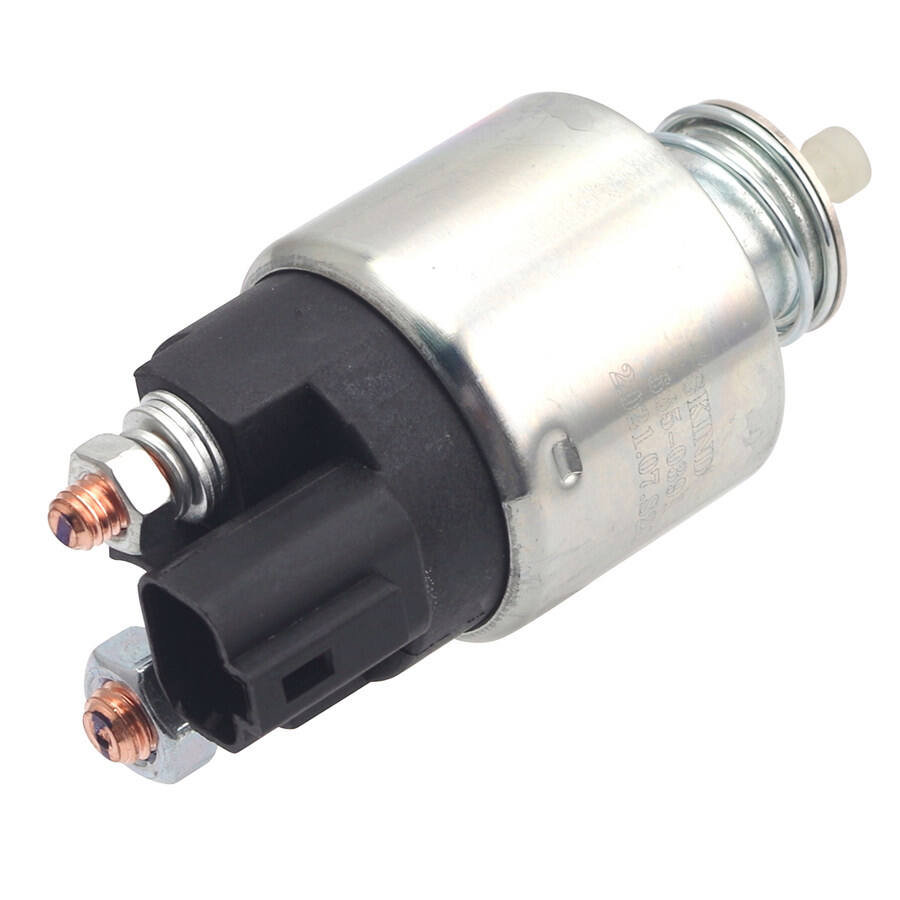
Understanding how to properly install a solenoid switch is essential for anyone working with electrical systems, automotive applications, or industrial machinery. A solenoid switch serves as a crucial electromagnetic component that controls the flow of electrical current in various circuits. Whether you're replacing a faulty unit or installing a new system, having the right knowledge about solenoid switch installation can save time, money, and prevent potential safety hazards.
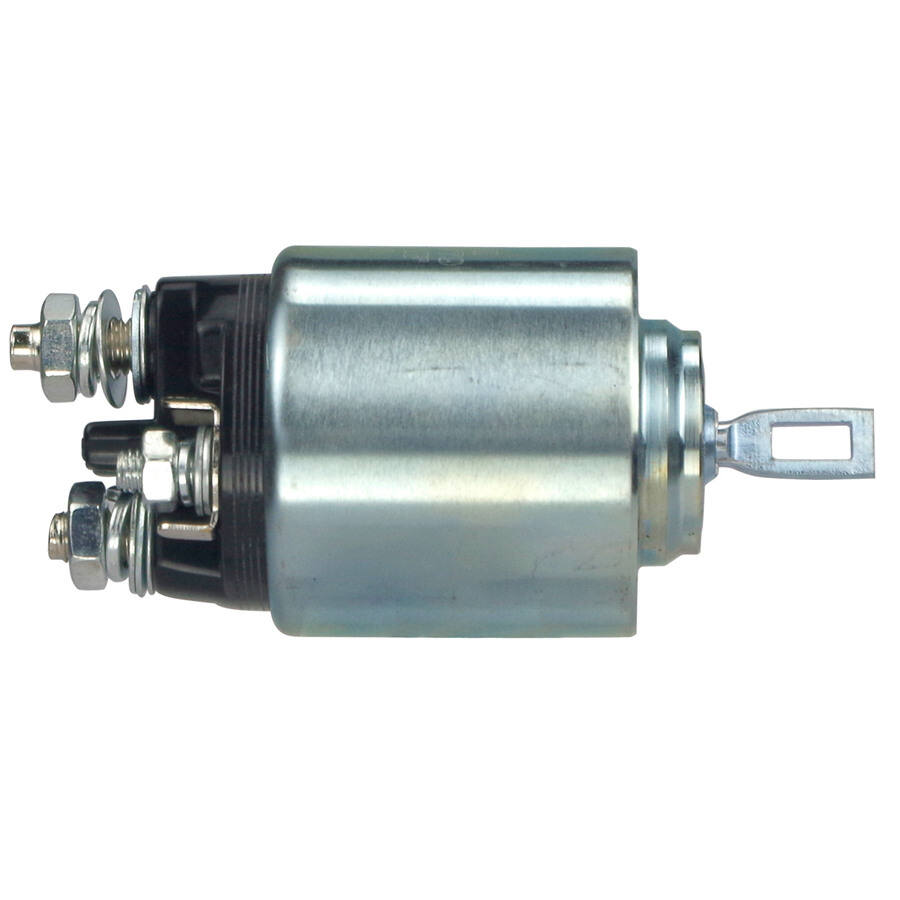
The installation process requires careful attention to electrical connections, proper mounting techniques, and adherence to safety protocols. Modern solenoid switch designs have evolved significantly, offering improved durability and performance characteristics compared to older models. These electromagnetic devices play a vital role in starting systems, valve controls, and various automation applications across multiple industries.
Understanding Solenoid Switch Fundamentals
Basic Operating Principles
A solenoid switch operates through electromagnetic induction, where an electrical current flowing through a coil creates a magnetic field. This magnetic field generates mechanical motion that opens or closes electrical contacts within the switch assembly. The fundamental design consists of a movable plunger, electromagnetic coil, spring mechanism, and contact points that work together to control circuit operation.
When voltage is applied to the solenoid switch coil, the magnetic field pulls the plunger inward, causing the contacts to close and complete the electrical circuit. Once power is removed, the spring mechanism returns the plunger to its original position, opening the contacts and interrupting current flow. This simple yet effective operation makes the solenoid switch an ideal component for remote control applications.
Types and Applications
Different solenoid switch configurations serve various purposes in electrical systems. Continuous duty models are designed for extended operation periods, while intermittent duty versions handle short-duration applications. The choice between normally open and normally closed configurations depends on the specific application requirements and safety considerations.
Automotive applications commonly utilize solenoid switch technology in starter systems, where the switch engages the starter motor with the engine flywheel. Industrial machinery incorporates these devices for valve control, conveyor systems, and automated manufacturing processes. Understanding the specific requirements of your application helps determine the appropriate solenoid switch specifications.
Pre-Installation Preparation and Safety
Essential Tools and Materials
Proper installation of a solenoid switch requires specific tools and materials to ensure safe and reliable operation. A complete tool kit should include wire strippers, electrical tape, multimeter, screwdrivers, wrenches, and appropriate fasteners. Having quality materials such as heat-shrink tubing, electrical connectors, and proper gauge wire prevents future maintenance issues.
Safety equipment including insulated gloves, safety glasses, and voltage testers are essential for protecting technicians during installation procedures. The solenoid switch installation area should be clean, dry, and well-ventilated to prevent contamination and ensure optimal working conditions. Proper lighting and adequate workspace contribute to successful installation outcomes.
Electrical System Assessment
Before installing any solenoid switch, conducting a thorough electrical system assessment ensures compatibility and identifies potential issues. Measuring existing voltage levels, checking wire gauge requirements, and verifying current capacity prevents overloading and component failure. Documentation of the existing wiring configuration serves as a valuable reference during installation and future maintenance.
Identifying the power source, control circuits, and load requirements helps determine the appropriate solenoid switch specifications. Consideration of environmental factors such as temperature, moisture, and vibration levels influences component selection and mounting strategies. Proper system assessment minimizes installation complications and ensures long-term reliability.
Step-by-Step Installation Process
Mounting and Positioning
Selecting the optimal mounting location for a solenoid switch requires consideration of accessibility, environmental protection, and vibration isolation. The mounting surface should be flat, stable, and capable of supporting the switch weight and operational forces. Proper orientation ensures that the solenoid switch operates within manufacturer specifications and maintains reliable performance.
Most solenoid switch designs include mounting brackets or threaded studs for secure attachment. Using appropriate fasteners and torque specifications prevents loosening during operation while avoiding over-tightening that could damage the housing. The installation position should allow adequate clearance for wire connections and future maintenance access.
Wiring Connections and Terminations
Proper wiring connections are critical for safe and reliable solenoid switch operation. Each terminal must be properly identified according to manufacturer specifications and wiring diagrams. Power supply connections typically require heavier gauge wire than control circuit connections due to higher current requirements.
Wire terminations should be clean, tight, and protected from corrosion through appropriate connector selection and environmental sealing. Heat-shrink tubing or electrical tape provides additional protection for exposed connections. Routing wires away from heat sources and moving parts prevents damage and ensures long-term reliability of the solenoid switch installation.
Testing and Commissioning Procedures
Initial System Verification
After completing the physical installation, systematic testing verifies proper solenoid switch operation and system integration. Initial checks include measuring coil resistance, verifying supply voltage levels, and confirming proper contact operation. These measurements should match manufacturer specifications and system requirements.
Operational testing involves energizing the solenoid switch through normal control circuits while monitoring current consumption and contact performance. Proper operation demonstrates correct installation and validates system compatibility. Any irregularities during testing require immediate investigation and correction before placing the system in service.
Performance Validation
Comprehensive performance validation ensures the solenoid switch meets application requirements under various operating conditions. Load testing verifies the switch can handle specified current levels without overheating or contact deterioration. Environmental testing confirms proper operation across expected temperature and humidity ranges.
Long-term reliability testing involves cycling the solenoid switch through multiple operations to verify mechanical and electrical durability. Monitoring contact resistance, coil current, and response times during extended testing identifies potential issues before they affect system performance. Proper documentation of test results provides valuable baseline data for future maintenance activities.
Troubleshooting Common Installation Issues
Electrical Connection Problems
Improper electrical connections represent the most common source of solenoid switch installation problems. Loose terminals create high resistance connections that generate heat and cause premature failure. Incorrect wire gauge selection can result in voltage drop issues that prevent proper solenoid switch operation under load conditions.
Polarity errors in DC applications can damage electronic components or prevent proper operation. Using a multimeter to verify voltage levels and continuity helps identify connection issues before they cause system failures. Systematic troubleshooting approaches minimize downtime and prevent secondary damage to related components.
Mechanical and Environmental Challenges
Mechanical installation problems often stem from improper mounting or inadequate vibration isolation. Excessive vibration can cause connection loosening and premature wear of internal components. Environmental factors such as moisture, corrosive atmospheres, and extreme temperatures affect solenoid switch performance and longevity.
Selecting appropriate enclosure ratings and protective measures addresses environmental challenges before they impact system reliability. Regular inspection and maintenance schedules help identify developing issues early in their progression. Proper documentation of environmental conditions supports informed decisions about component selection and maintenance intervals.
Maintenance and Long-Term Care
Preventive Maintenance Strategies
Establishing a regular maintenance schedule extends solenoid switch service life and prevents unexpected failures. Visual inspections should check for loose connections, corrosion, physical damage, and proper mounting integrity. Electrical measurements verify coil resistance, contact resistance, and insulation integrity remain within acceptable limits.
Cleaning procedures remove accumulated dirt, moisture, and contamination that could affect solenoid switch performance. Lubrication of moving parts according to manufacturer recommendations prevents binding and reduces wear. Environmental monitoring helps identify changing conditions that might require adjustments to maintenance procedures or component specifications.
Performance Monitoring
Continuous monitoring systems can track solenoid switch performance parameters and identify developing problems before they cause failures. Current signature analysis reveals changes in coil condition or mechanical binding issues. Temperature monitoring identifies overheating conditions that could lead to component damage.
Trending performance data over time provides insights into normal aging patterns and helps predict when replacement might be necessary. Modern diagnostic tools can perform automated testing sequences that verify all aspects of solenoid switch operation. This proactive approach to maintenance reduces unplanned downtime and extends equipment service life.
FAQ
What voltage rating should I choose for my solenoid switch application
The voltage rating of your solenoid switch must match or exceed the system operating voltage to ensure safe operation. Consider both the coil voltage and contact voltage ratings, as they may differ. For automotive applications, 12V DC is standard, while industrial applications might require 24V DC, 120V AC, or 240V AC ratings. Always verify actual system voltage with a multimeter before selecting components.
How do I determine the correct current rating for a solenoid switch
Calculate the maximum current that will flow through the solenoid switch contacts during normal operation, then select a switch rated for at least 125% of that value to provide safety margin. Consider both continuous current and starting surge currents, as motors and other inductive loads can draw significantly higher current during startup. Review manufacturer specifications for both continuous and intermittent duty ratings.
Can I install a solenoid switch in outdoor applications
Outdoor installation of a solenoid switch requires proper environmental protection through appropriate enclosure ratings such as NEMA 4X or IP65. These ratings ensure protection against moisture, dust, and corrosive substances. Additional considerations include temperature extremes, UV exposure, and vibration resistance. Use proper cable sealing and drainage provisions to prevent water accumulation inside enclosures.
What are the signs that a solenoid switch needs replacement
Common indicators of solenoid switch failure include erratic operation, failure to energize or de-energize, overheating, unusual noises, or visible damage to the housing. Electrical symptoms might include high coil current, low coil resistance, or poor contact performance. Regular testing with appropriate instruments can identify developing problems before complete failure occurs, allowing for planned replacement during scheduled maintenance periods.