EN
EN



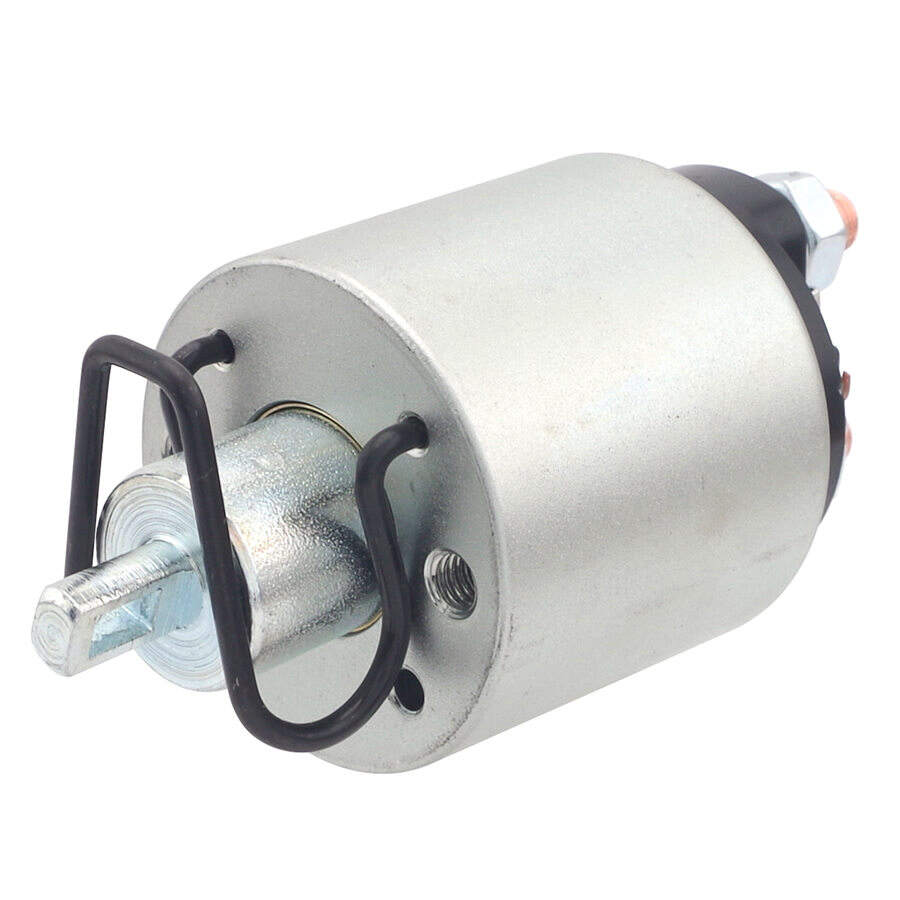
Industrial machinery and automotive applications rely heavily on electromagnetic control devices that manage electrical circuits with precision and reliability. A solenoid switch serves as a critical component in these systems, acting as an electrically controlled switch that uses electromagnetic force to open or close electrical contacts. Understanding the fundamental principles and applications of these devices is essential for engineers, technicians, and procurement professionals who need to make informed decisions about their electrical control systems.
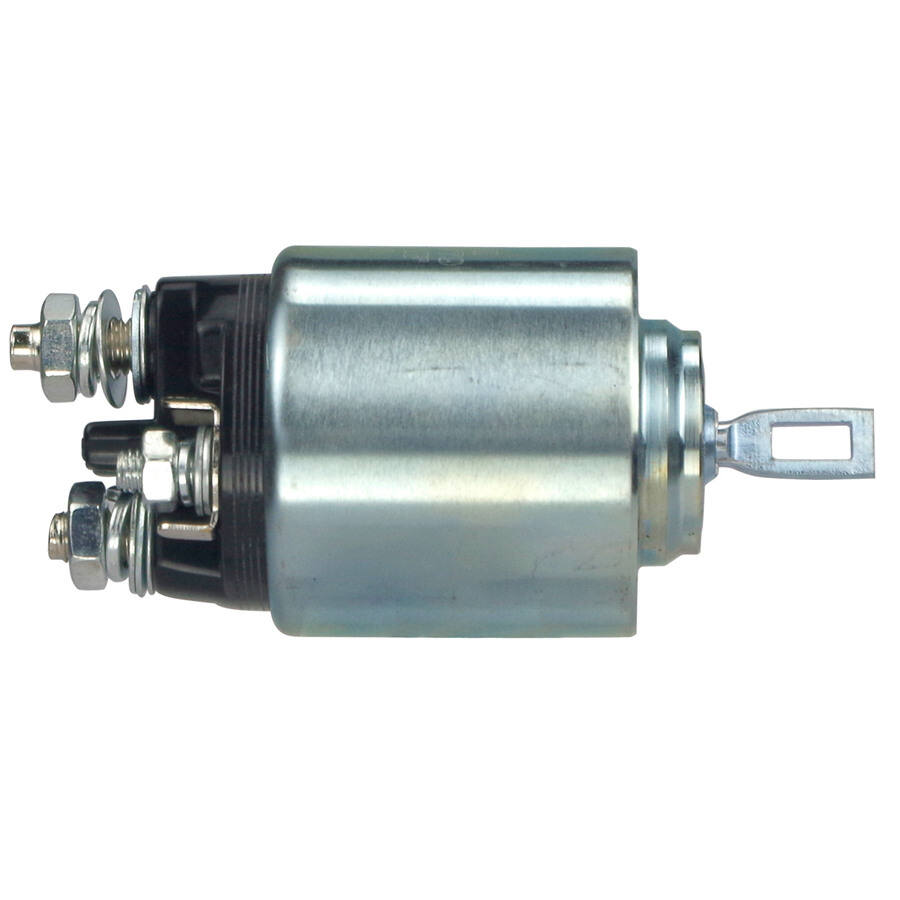
The selection process for a solenoid switch involves multiple technical considerations that directly impact system performance, longevity, and operational efficiency. From voltage requirements and current ratings to environmental factors and mounting configurations, each specification plays a crucial role in ensuring optimal functionality. This comprehensive guide explores the essential factors that influence solenoid switch selection, helping professionals navigate the complex landscape of electromagnetic switching solutions with confidence and expertise.
Understanding Solenoid Switch Fundamentals
Electromagnetic Operating Principles
The core functionality of a solenoid switch centers around electromagnetic induction and mechanical actuation. When electrical current flows through the solenoid coil, it creates a magnetic field that generates force to move a plunger or armature. This mechanical movement directly controls the switching contacts, enabling the device to interrupt or establish electrical circuits based on control signals. The strength of the electromagnetic field determines the switching force and response time of the solenoid switch.
The relationship between coil voltage, current consumption, and switching capacity defines the operational characteristics of each solenoid switch model. Higher voltage applications typically require fewer turns in the coil winding, resulting in faster response times but potentially higher current consumption. Understanding these electromagnetic principles helps engineers select devices that match their specific application requirements while optimizing power consumption and switching performance.
Contact Configuration and Ratings
Contact arrangements in solenoid switches vary significantly based on application requirements, with common configurations including normally open, normally closed, and changeover contacts. The contact rating determines the maximum current and voltage that the switch can handle safely without degradation or failure. These ratings must align with the electrical load characteristics to ensure reliable operation and prevent premature contact wear or welding.
Material selection for switch contacts affects both electrical performance and service life. Silver-based alloys provide excellent conductivity and arc resistance for moderate current applications, while tungsten or molybdenum contacts offer superior performance in high-current switching applications. The choice of contact material should consider factors such as switching frequency, load type, and environmental conditions to maximize operational reliability and minimize maintenance requirements.
Technical Specifications and Performance Parameters
Voltage and Current Requirements
Proper voltage selection for a solenoid switch involves matching the coil voltage to available control power sources while considering voltage tolerance ranges. Most industrial solenoid switches operate on standard voltages including 12V, 24V, 48V, 110V, or 220V AC or DC. The coil voltage directly affects pull-in characteristics, hold current, and overall power consumption, making it a critical specification for system integration and energy efficiency.
Current ratings encompass both continuous and inrush current capabilities, with the latter being particularly important for motor starting applications. A properly sized solenoid switch must handle the initial surge current without contact degradation while maintaining reliable switching under normal operating conditions. Understanding the difference between resistive, inductive, and capacitive loads helps determine appropriate current ratings and contact life expectations.
Environmental and Mechanical Considerations
Operating temperature ranges significantly impact solenoid switch performance and reliability, with extreme temperatures affecting coil resistance, magnetic field strength, and contact behavior. Standard industrial units typically operate within -40°C to +85°C ranges, while specialized high-temperature versions can function at temperatures exceeding 150°C. Temperature cycling also affects mechanical components and sealing materials, requiring careful consideration of thermal expansion and contraction effects.
Vibration resistance and shock tolerance are essential parameters for mobile equipment and high-vibration environments. A robust solenoid switch must maintain reliable contact closure and electrical continuity despite mechanical stress from equipment operation. Mounting orientation and securing methods also influence performance, as gravitational forces can affect armature movement and switching characteristics in certain applications.
Application-Specific Selection Criteria
Automotive and Mobile Equipment
Automotive applications place unique demands on solenoid switch performance, requiring devices that can withstand harsh environmental conditions while providing reliable starting and control functions. Engine compartment installations expose switches to temperature extremes, vibration, moisture, and corrosive substances. A quality solenoid switch for automotive use must incorporate sealed housings, corrosion-resistant materials, and robust terminal connections to ensure long-term reliability.
Starter motor applications require solenoid switches with high inrush current capabilities and rapid engagement characteristics. The switch must reliably engage the starter motor while simultaneously connecting the high-current path from the battery to the motor. Response time becomes critical in these applications, as delayed engagement can affect engine starting performance and battery life. Modern automotive solenoid switches often incorporate additional features such as auxiliary contacts for control circuits and improved arc suppression for extended service life.
Industrial Automation and Control
Industrial control systems utilize solenoid switches for remote switching of power circuits, motor control, and safety interlocking functions. These applications often require precise timing, high reliability, and integration with programmable logic controllers or other automation systems. The solenoid switch must provide consistent performance across thousands or millions of operating cycles while maintaining electrical isolation and signal integrity.
Safety applications demand solenoid switches with proven reliability records and appropriate safety certifications. Emergency stop circuits, machine guarding, and process control safety systems rely on these devices to interrupt power when hazardous conditions are detected. Redundant contact arrangements and fail-safe operation modes become essential features for critical safety applications, ensuring that equipment shutdowns occur reliably when required.
Installation and Maintenance Best Practices
Proper Mounting and Connection
Correct installation procedures significantly impact solenoid switch performance and service life. Mounting orientation affects armature movement and contact pressure, with most devices designed for specific orientations to ensure optimal operation. Secure mounting prevents vibration-induced failures and maintains proper electrical connections throughout the equipment's operating life. Terminal connections must provide adequate current-carrying capacity while resisting corrosion and mechanical stress.
Wire sizing and routing considerations become particularly important for high-current applications where voltage drops can affect switching performance. Proper grounding and shielding help prevent electromagnetic interference that could cause false switching or control system malfunctions. Installation documentation should include torque specifications for terminal connections and mounting hardware to ensure consistent assembly quality across multiple units.
Preventive Maintenance and Troubleshooting
Regular maintenance programs help identify potential solenoid switch problems before they cause system failures. Visual inspections can reveal corrosion, overheating, or mechanical damage that could compromise performance. Electrical testing of coil resistance, contact resistance, and insulation integrity provides quantitative data about device condition and remaining service life. Systematic maintenance records help establish replacement schedules and identify recurring problems.
Common failure modes include contact welding, coil burnout, and mechanical wear of moving components. Understanding these failure mechanisms helps maintenance personnel implement appropriate corrective actions and preventive measures. Proper storage of spare solenoid switches protects them from environmental degradation and ensures reliable performance when installed as replacements.
Cost Optimization and Value Engineering
Total Cost of Ownership Analysis
Evaluating solenoid switch options requires consideration of total cost of ownership rather than initial purchase price alone. Higher-quality units with superior materials and construction often provide better value through extended service life, reduced maintenance requirements, and improved system reliability. The cost of system downtime can far exceed the premium paid for quality components, making reliability a key economic factor in component selection.
Energy efficiency considerations become important in applications with continuous or frequent switching operations. Lower coil power consumption reduces operating costs and heat generation, potentially eliminating the need for additional cooling or ventilation systems. Energy-efficient solenoid switches also reduce load on control power supplies and may qualify for energy conservation incentives in some applications.
Standardization and Inventory Management
Standardizing on specific solenoid switch models and suppliers simplifies procurement, training, and maintenance procedures. Reduced variety in spare parts inventory decreases carrying costs and ensures availability of replacement components when needed. However, standardization must be balanced against application-specific requirements to avoid over-specification or under-performance in certain uses.
Supplier relationships and technical support capabilities influence long-term costs and system performance. Manufacturers that provide comprehensive technical documentation, application assistance, and responsive customer service add value beyond the basic product functionality. These support services become particularly valuable during system design phases and when troubleshooting operational problems.
FAQ
What voltage should I choose for my solenoid switch application
The coil voltage should match your available control power supply while considering voltage tolerance ranges. Common industrial voltages include 12V, 24V, and 120V AC or DC. Higher voltages generally provide faster response times and stronger pull-in force, but also increase power consumption. Consider system voltage stability and available power supply capacity when making your selection.
How do I determine the correct current rating for my solenoid switch
Calculate both continuous and inrush current requirements for your load. Motor starting applications typically require 6-8 times normal running current for inrush conditions. The solenoid switch contact rating should exceed these values with appropriate safety factors. Consider load type as well, since inductive loads are more demanding on contacts than resistive loads.
What environmental factors should I consider when selecting a solenoid switch
Key environmental factors include operating temperature range, humidity, vibration levels, and exposure to corrosive substances. Outdoor applications require weatherproof enclosures, while high-temperature environments need switches rated for elevated temperatures. Vibration-resistant designs are essential for mobile equipment and high-vibration industrial applications.
How often should I replace or maintain my solenoid switches
Maintenance intervals depend on application severity, switching frequency, and environmental conditions. Generally, inspect contacts and connections annually for signs of wear, corrosion, or overheating. High-duty cycle applications may require more frequent inspection. Replace switches showing signs of contact welding, coil damage, or mechanical wear before they cause system failures.