EN
EN



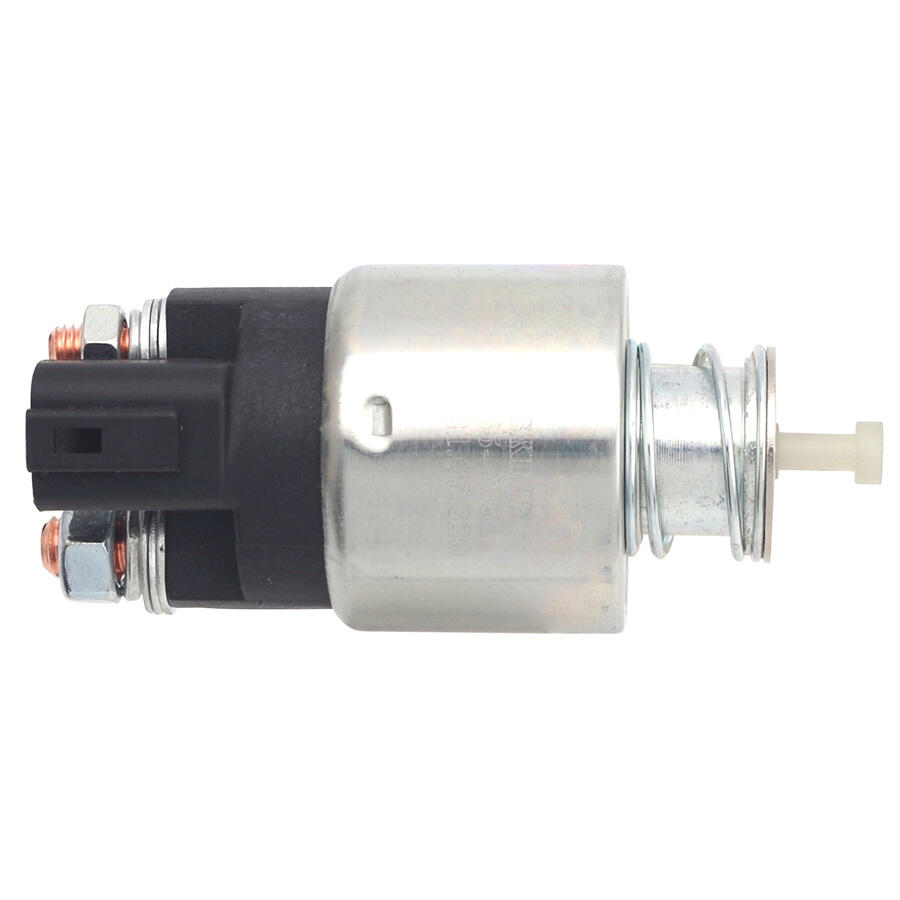
The automotive industry relies on countless electrical components to ensure proper vehicle operation, and among these critical parts, the solenoid switch stands as one of the most essential yet often misunderstood components. This electromagnetic device plays a crucial role in your vehicle's starting system, acting as the bridge between your ignition key and the starter motor. Understanding how a solenoid switch functions can help you diagnose starting problems, perform maintenance tasks, and make informed decisions about repairs and replacements.
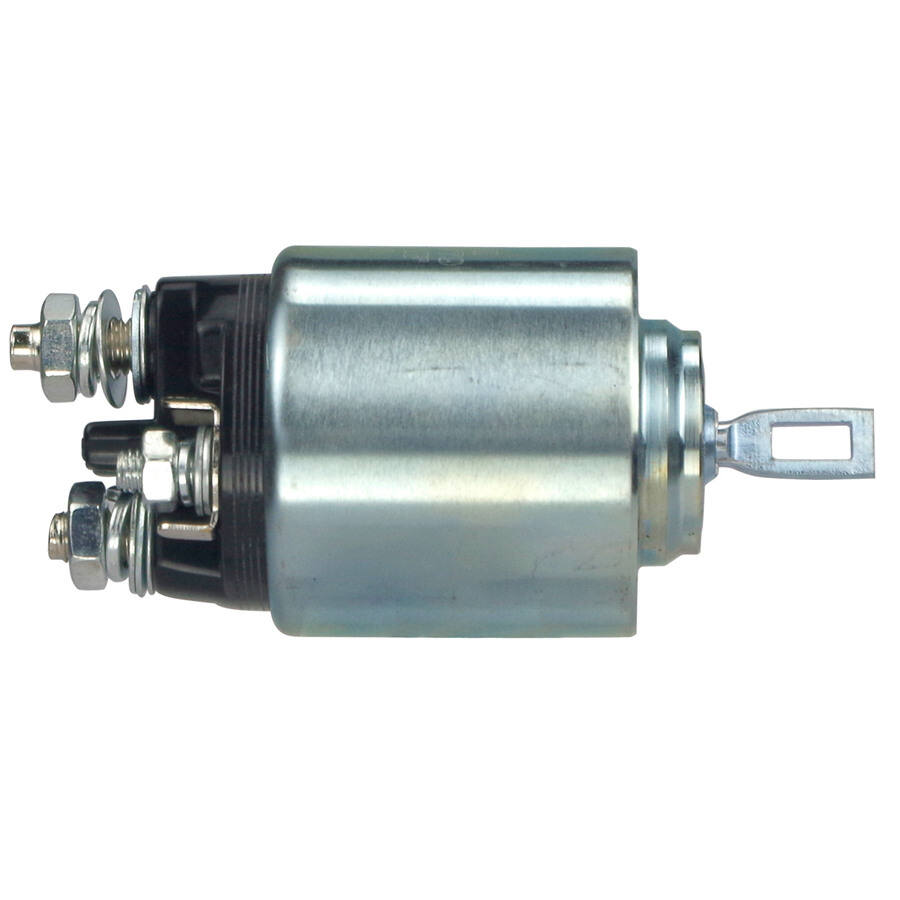
When you turn your ignition key or press the start button in modern vehicles, a complex series of electrical events occurs behind the scenes. The solenoid switch serves as a high-current relay that engages the starter motor while simultaneously pushing the starter drive gear into contact with the engine's flywheel. Without this component functioning properly, your vehicle simply won't start, leaving you stranded and potentially facing costly towing and repair bills.
Modern automotive systems have evolved significantly over the decades, but the fundamental principles governing solenoid switch operation remain largely unchanged. These devices utilize electromagnetic principles to create mechanical motion, converting electrical energy into the physical force needed to engage heavy-duty starter components. The reliability and durability of today's solenoid switches have improved dramatically, yet they still require periodic inspection and occasional replacement as part of routine vehicle maintenance.
Understanding Solenoid Switch Fundamentals
Electromagnetic Operating Principles
The solenoid switch operates on fundamental electromagnetic principles that have been refined for automotive applications over many decades. When electrical current flows through the solenoid coil, it creates a magnetic field that attracts a movable iron core or plunger. This electromagnetic attraction generates sufficient force to overcome spring tension and move heavy mechanical components within the starter assembly. The strength of this magnetic field directly correlates to the current flowing through the coil, which explains why solenoid switches require substantial electrical power to operate effectively.
The electromagnetic coil within a solenoid switch typically consists of hundreds of turns of copper wire wrapped around a cylindrical core. When energized, this coil creates a concentrated magnetic field that pulls the internal plunger toward the center of the coil assembly. The precise engineering of wire gauge, turn count, and core materials ensures that the solenoid switch generates adequate force to engage the starter drive mechanism while maintaining reliability across thousands of operating cycles.
Temperature variations significantly impact solenoid switch performance, as electrical resistance changes with heat and cold. Manufacturers design these components to operate reliably across extreme temperature ranges, from arctic conditions to desert heat. The materials used in solenoid switch construction must withstand thermal cycling, electrical stress, and mechanical wear while maintaining consistent performance characteristics throughout the component's service life.
Electrical Circuit Integration
Within your vehicle's electrical system, the solenoid switch functions as a critical interface between low-current control circuits and high-current power circuits. The ignition switch sends a relatively small control current to energize the solenoid coil, which then closes heavy-duty contacts capable of handling the substantial current required by the starter motor. This two-stage switching arrangement allows delicate dashboard switches and ignition components to control powerful starter motors without being damaged by high electrical loads.
The electrical connections on a typical solenoid switch include battery terminals, starter terminals, and ignition control terminals. Each connection point must handle different current levels and voltage requirements, necessitating specialized contact materials and terminal designs. Copper alloys, silver-plated contacts, and corrosion-resistant coatings ensure reliable electrical connections even after years of exposure to engine compartment conditions.
Modern vehicles incorporate additional safety and control features into solenoid switch circuits, including neutral safety switches, clutch interlock systems, and anti-theft immobilizers. These supplementary components work in conjunction with the solenoid switch to prevent accidental engine starting and enhance vehicle security. Understanding these interconnected systems helps technicians diagnose complex starting problems that may involve multiple components working together.
Types and Configurations of Solenoid Switches
Starter-Mounted Solenoid Designs
Many modern vehicles utilize starter-mounted solenoid switches that integrate directly with the starter motor assembly. This configuration offers several advantages, including reduced wiring complexity, improved reliability, and more compact packaging within the engine compartment. Starter-mounted solenoid switches typically feature robust construction designed to withstand the vibration and heat generated by starter motor operation during engine cranking cycles.
The mechanical design of starter-mounted solenoid switches incorporates a sliding plunger mechanism that simultaneously closes electrical contacts and engages the starter drive gear. This dual-function operation ensures precise timing between electrical and mechanical events, optimizing starter performance and reducing wear on flywheel ring gear teeth. The solenoid switch housing often serves as a structural component of the starter assembly, requiring precise manufacturing tolerances and durable materials.
Installation and replacement procedures for starter-mounted solenoid switches typically require removing the entire starter assembly from the vehicle. This service complexity can increase labor costs but often results in more thorough inspection and maintenance of related starting system components. Professional technicians frequently recommend replacing the entire starter assembly when solenoid switch failure occurs, ensuring optimal performance and reliability for the complete starting system.
Remote-Mounted Solenoid Configurations
Some automotive applications utilize remote-mounted solenoid switches positioned separately from the starter motor, often in more accessible locations within the engine compartment. These configurations typically employ heavy-gauge cables to carry starter current from the solenoid switch to the starter motor, allowing for flexible mounting arrangements and simplified service access. Remote-mounted designs often facilitate easier troubleshooting and replacement procedures without disturbing other engine components.
Remote solenoid switch installations frequently incorporate additional relay functions, such as bypassing resistance wires during cranking or controlling accessory circuits during engine starting. These multi-function designs consolidate several electrical switching operations into a single component, reducing overall system complexity while maintaining reliable operation. The solenoid switch housing in remote configurations often includes mounting brackets and environmental sealing to protect internal components from moisture and contamination.
Heavy-duty applications, including commercial vehicles and high-performance engines, often specify remote-mounted solenoid switches capable of handling extreme electrical loads and operating conditions. These specialized components feature enhanced contact materials, reinforced housing construction, and improved heat dissipation characteristics. The solenoid switch specifications for such applications typically exceed standard automotive requirements, ensuring reliable operation under demanding service conditions.
Common Installation Locations in Vehicles
Engine Compartment Positioning
The most common location for solenoid switches in modern vehicles is within the engine compartment, either mounted directly on the starter motor or positioned nearby on the firewall or fender well. Engine compartment mounting provides direct access to battery power and starter connections while maintaining relatively short cable runs to minimize voltage drop and electrical resistance. However, this location also exposes the solenoid switch to harsh environmental conditions, including temperature extremes, moisture, and chemical contamination from engine fluids.
Firewall-mounted solenoid switches offer excellent accessibility for service and maintenance procedures while providing some protection from direct engine heat and vibration. Many manufacturers choose this location to facilitate assembly line installation and improve long-term reliability. The firewall mounting position typically requires weatherproof housing and corrosion-resistant terminal connections to withstand exposure to road salt, moisture, and temperature cycling throughout the vehicle's service life.
Fender well installations place the solenoid switch in a relatively protected environment while maintaining access to necessary electrical connections. This mounting location often provides superior protection from engine heat and mechanical damage while still allowing reasonable service access. However, fender well positions may expose the solenoid switch to road splash, debris, and impact damage from roadway hazards, requiring robust protective housing and secure mounting arrangements.
Alternative Mounting Strategies
Some specialty vehicles and aftermarket applications utilize dashboard or interior-mounted solenoid switches for enhanced security and protection from environmental hazards. These installations typically require longer cable runs and additional safety interlocks but offer superior protection from theft and vandalism. Interior mounting also facilitates easier access for maintenance and replacement procedures, though it may require more complex wiring arrangements and additional safety considerations.
Racing and performance applications often employ custom solenoid switch mounting locations designed to optimize weight distribution, accessibility, and electrical efficiency. These specialized installations may incorporate lightweight materials, custom brackets, and shortened cable runs to minimize electrical losses and improve overall system performance. The solenoid switch selection for performance applications frequently emphasizes rapid switching characteristics and high current capacity over long-term durability requirements.
Marine and off-road applications present unique challenges for solenoid switch installation, requiring enhanced environmental protection and corrosion resistance. These specialized installations often utilize sealed housings, stainless steel hardware, and conformal coatings to protect sensitive electrical components from moisture and salt exposure. The solenoid switch mounting strategy for harsh environment applications must balance accessibility requirements with protection needs to ensure reliable long-term operation.
Troubleshooting and Diagnostic Procedures
Electrical Testing Methods
Proper diagnosis of solenoid switch problems requires systematic electrical testing procedures that isolate the component from related starting system circuits. Multimeter testing of coil resistance provides valuable information about internal winding condition, while voltage measurements during cranking attempts reveal power supply and connection integrity. A functioning solenoid switch should exhibit specific resistance values and voltage characteristics that indicate proper internal operation and external circuit connectivity.
Current draw testing during solenoid switch operation helps identify internal mechanical problems and contact deterioration that may not be apparent through static resistance measurements. Excessive current draw often indicates binding mechanical components or degraded contact surfaces, while insufficient current may suggest poor connections or internal coil damage. Professional diagnostic equipment can measure solenoid switch current characteristics with precision, enabling accurate assessment of component condition and remaining service life.
Voltage drop testing across solenoid switch terminals during operation reveals connection quality and internal contact condition that directly affects starter motor performance. Excessive voltage drop indicates resistance problems that reduce available power to the starter motor, potentially causing slow cranking or complete starting failure. The solenoid switch should exhibit minimal voltage drop across its main contacts when properly functioning, typically less than a few tenths of a volt under full load conditions.
Mechanical Inspection Techniques
Visual inspection of solenoid switch mounting, connections, and housing condition provides important diagnostic information about component health and potential failure modes. Corrosion, overheating damage, and mechanical wear patterns often indicate specific problems that may not be apparent through electrical testing alone. Experienced technicians can identify potential solenoid switch problems through careful visual examination before conducting more detailed diagnostic procedures.
Mechanical operation testing involves monitoring solenoid switch plunger movement and contact engagement during activation cycles. Proper mechanical function requires smooth plunger motion, positive contact engagement, and reliable return spring operation. Binding, hesitation, or incomplete engagement often indicates internal wear or contamination that may cause intermittent starting problems or complete failure under certain conditions.
Sound analysis during solenoid switch operation provides additional diagnostic information about internal mechanical condition and contact operation. Normal operation produces characteristic clicking sounds during engagement and disengagement, while abnormal sounds may indicate mechanical binding, weak springs, or contact arcing. Experienced technicians often rely on audible cues to quickly identify solenoid switch problems and confirm diagnostic test results through sound pattern recognition.
Maintenance and Service Considerations
Preventive Maintenance Practices
Regular inspection and maintenance of solenoid switch connections help prevent many common starting system problems before they cause complete failure. Battery terminal corrosion, loose connections, and wire damage frequently affect solenoid switch performance, making periodic connection service an important preventive maintenance procedure. Clean, tight connections ensure proper voltage delivery to the solenoid switch and minimize resistance that can cause premature component failure or unreliable operation.
Environmental protection measures, including application of dielectric grease and corrosion inhibitors, significantly extend solenoid switch service life in harsh operating conditions. These protective treatments help prevent moisture intrusion and chemical corrosion that can degrade electrical connections and internal components. Regular application of appropriate protective compounds during routine maintenance intervals helps maintain optimal solenoid switch performance and reliability throughout the component's design life.
Periodic load testing of the complete starting system helps identify developing solenoid switch problems before they cause stranding failures. Professional load testing equipment can evaluate solenoid switch performance under actual operating conditions, revealing marginal components that may fail under stress. The solenoid switch should demonstrate consistent performance characteristics during repeated test cycles, indicating healthy internal components and reliable electrical connections.
Replacement and Upgrade Options
When solenoid switch replacement becomes necessary, several upgrade options may provide improved performance and reliability compared to original equipment specifications. Heavy-duty solenoid switches with enhanced contact materials and reinforced construction offer extended service life in demanding applications. Performance-oriented replacements may feature faster switching characteristics and higher current capacity for modified engines or electrical system upgrades.
Compatibility considerations are crucial when selecting replacement solenoid switches, as mounting configurations, electrical specifications, and mechanical interfaces must match original equipment requirements. Improper solenoid switch selection can result in installation problems, poor performance, or premature failure. Professional consultation helps ensure proper component selection and compatibility with existing vehicle systems and operating requirements.
Installation procedures for replacement solenoid switches typically require disconnecting battery power, removing old components, and carefully routing new wiring according to manufacturer specifications. Proper torque specifications for mounting hardware and electrical connections ensure reliable long-term operation and prevent damage to surrounding components. The solenoid switch installation process often provides opportunities to inspect and service related starting system components, maximizing the value of maintenance investments.
FAQ
How long does a typical solenoid switch last in normal driving conditions
A properly functioning solenoid switch typically lasts between 100,000 to 150,000 miles under normal driving conditions, though this can vary significantly based on climate, driving habits, and maintenance practices. Frequent short trips and extreme weather conditions may reduce service life, while highway driving and regular maintenance can extend component longevity. Most solenoid switches fail gradually, providing warning signs such as intermittent starting problems or unusual clicking sounds before complete failure occurs.
What are the most common symptoms of a failing solenoid switch
The most common symptoms of solenoid switch failure include clicking sounds when turning the ignition key without starter motor engagement, intermittent starting problems that worsen over time, and complete inability to start despite proper battery and electrical system function. Some failing solenoid switches may cause the starter motor to remain engaged after engine startup, creating a grinding noise that requires immediate attention. Dashboard warning lights and unusual electrical behavior may also indicate solenoid switch problems in modern vehicles with integrated diagnostic systems.
Can I replace a solenoid switch myself or should I hire a professional
Solenoid switch replacement difficulty varies significantly depending on vehicle design and mounting location, with some installations requiring only basic tools and others necessitating specialized equipment and extensive disassembly procedures. DIY replacement is feasible for mechanically inclined individuals when the solenoid switch is easily accessible, but professional installation is recommended for complex configurations or when working with unfamiliar vehicle systems. Safety considerations, including proper battery disconnection and electrical system precautions, are essential regardless of who performs the replacement work.
How much should I expect to pay for solenoid switch replacement
Solenoid switch replacement costs typically range from $150 to $400 for most passenger vehicles, including parts and labor charges. The wide cost variation depends on factors such as vehicle accessibility, component location, labor time requirements, and whether the solenoid switch is integrated with the starter motor assembly. Premium or heavy-duty replacement parts may increase material costs, while complex installations requiring extensive disassembly can significantly increase labor expenses. Obtaining quotes from multiple service providers helps ensure fair pricing for solenoid switch replacement services.