EN
EN



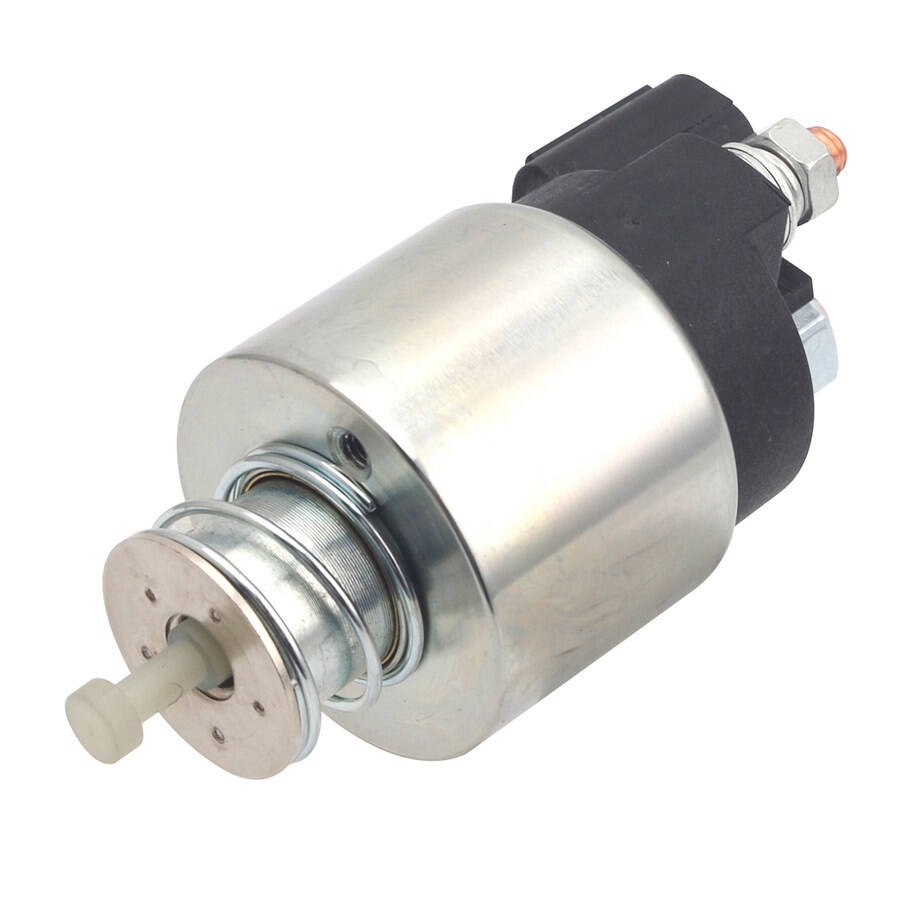
When your vehicle's engine refuses to crank despite the solenoid switch producing audible clicking sounds, you're facing one of the most common yet frustrating automotive electrical issues. This distinctive clicking noise indicates that your solenoid switch is receiving power and attempting to engage, but something is preventing the complete circuit from forming. Understanding the root causes behind this phenomenon and following a systematic diagnostic approach can save you both time and costly misdiagnosis at the repair shop.
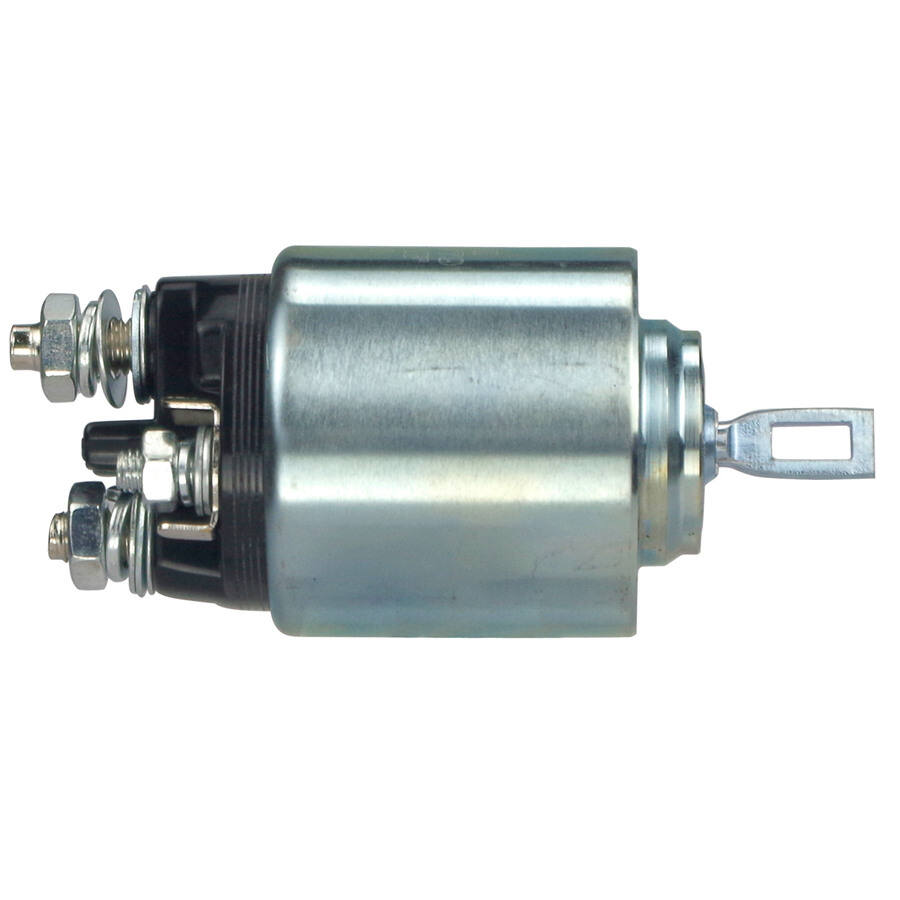
The clicking sound you hear represents the solenoid switch's internal mechanism attempting to close the high-amperage circuit that powers your starter motor. However, when this circuit fails to complete properly, the heavy-duty contacts within the solenoid switch cannot maintain the connection necessary to deliver the substantial current required for engine cranking. This partial engagement creates the characteristic rapid clicking pattern that many drivers recognize as a sign of electrical trouble.
Understanding Solenoid Switch Operation Fundamentals
Basic Circuit Components and Function
A solenoid switch serves as the critical link between your vehicle's low-amperage control circuit and the high-amperage starter circuit. When you turn the ignition key to the start position, a small amount of current flows through the solenoid switch's control coil, creating an electromagnetic field that pulls a movable plunger into the coil assembly. This mechanical action forces heavy-duty copper contacts together, completing the circuit that allows battery power to flow directly to the starter motor.
The solenoid switch must handle extreme electrical loads, often exceeding 200 amperes during engine cranking. This demanding operational environment subjects the internal components to significant wear and stress over time. The copper contacts gradually erode from repeated arcing, while the electromagnetic coil windings can develop resistance or complete failure. Understanding this operational context helps explain why solenoid switch problems manifest in specific patterns of symptoms.
Electromagnetic Coil Functionality
The electromagnetic coil within your solenoid switch consists of hundreds of turns of insulated copper wire wrapped around a ferrous core. When energized by the ignition switch, this coil generates a powerful magnetic field that overcomes spring tension to pull the movable contacts into engagement. The strength of this magnetic field directly correlates to the reliability of contact closure and the ability to maintain circuit continuity under load.
Temperature variations significantly affect coil performance, with extreme heat reducing magnetic field strength and extreme cold increasing coil resistance. Additionally, voltage fluctuations in your vehicle's electrical system can compromise the coil's ability to generate sufficient magnetic force for reliable contact engagement. These environmental factors contribute to intermittent solenoid switch operation that may appear to work correctly under certain conditions while failing consistently under others.
Primary Diagnostic Indicators and Symptoms
Audible Click Analysis
The clicking sound produced by a malfunctioning solenoid switch provides valuable diagnostic information about the specific nature of the electrical problem. A single, solid click typically indicates that the coil is functioning correctly but the main contacts are failing to close or maintain connection. Rapid, repetitive clicking suggests that the coil is repeatedly attempting to engage but cannot sustain the magnetic field necessary to keep the contacts closed under load.
The frequency and intensity of clicking sounds can also reveal important clues about power supply issues. Weak, irregular clicks often point to insufficient voltage reaching the solenoid switch, while strong, consistent clicks that fail to produce cranking action indicate problems with the high-amperage circuit or starter motor itself. Listening carefully to these acoustic signatures helps narrow down the diagnostic focus and prevents unnecessary component replacement.
Electrical System Behavior Patterns
When a solenoid switch clicks without producing cranking action, observe the behavior of other electrical components in your vehicle. Dashboard lights that dim significantly during clicking episodes indicate excessive current draw or voltage drop in the system. Headlights that flicker or fade during start attempts suggest similar electrical system stress that can compromise solenoid switch operation.
Radio reset, clock reset, or other electronic module malfunctions following start attempts often signal voltage irregularities that affect solenoid switch performance. These secondary symptoms provide context for understanding whether the problem originates within the solenoid switch itself or stems from broader electrical system issues that require comprehensive diagnosis and repair.
Systematic Troubleshooting Methodology
Initial Visual Inspection Protocol
Begin your diagnostic process with a thorough visual examination of the solenoid switch and surrounding components. Look for obvious signs of corrosion, heat damage, or physical deterioration that could compromise electrical connections. Green or white corrosion buildup around terminals indicates moisture intrusion and electrochemical degradation that increases resistance and reduces current flow capacity.
Examine the solenoid switch mounting bracket and ground connections for looseness or corrosion that could create intermittent electrical paths. Check wire harness connections for signs of overheating, indicated by discolored insulation or melted connector housings. These visual clues often point directly to the root cause of solenoid switch clicking without cranking, eliminating the need for complex electrical testing in many cases.
Voltage Drop Testing Procedures
Voltage drop testing represents the most effective method for diagnosing solenoid switch problems that manifest as clicking without cranking. Using a digital multimeter, measure voltage at the battery terminals, then at the solenoid switch input terminal while attempting to start the engine. Significant voltage differences indicate resistance in the power supply circuit that prevents adequate current flow to the starter motor.
Similarly, test voltage drop across the solenoid switch contacts during cranking attempts to determine whether the internal switching mechanism is functioning properly. Excessive voltage drop across closed contacts indicates worn or pitted contact surfaces that cannot carry the required amperage. This testing approach provides definitive evidence of solenoid switch internal failure and confirms the need for component replacement.
Common Root Causes and Contributing Factors
Battery and Charging System Issues
Insufficient battery capacity represents one of the most frequent causes of solenoid switch clicking without cranking. As automotive batteries age, their ability to deliver high instantaneous current diminishes, even when they maintain adequate voltage for normal electrical loads. The solenoid switch may engage initially but cannot sustain the connection when the starter motor attempts to draw its full operational current.
Charging system problems compound battery-related solenoid switch issues by preventing proper battery maintenance and conditioning. Alternators that undercharge or overcharge the battery create conditions that accelerate internal battery degradation and reduce the peak current available for starter operation. Regular charging system testing helps identify these underlying problems before they manifest as solenoid switch clicking symptoms.
Starter Motor Internal Failures
Internal starter motor problems often present as solenoid switch clicking because the increased resistance within the motor creates excessive current demand that the solenoid switch cannot sustain. Worn starter brushes, damaged commutator segments, or seized bearings all contribute to higher than normal current draw that overwhelms the electrical system's capacity to maintain proper solenoid switch operation.
Heat-related starter motor expansion can create binding conditions that occur only when the engine is hot, leading to intermittent solenoid switch clicking problems that appear temperature-dependent. These thermal effects often confuse diagnostic efforts because the starter may operate normally when cold but fail consistently after the engine reaches operating temperature. Understanding this relationship helps focus diagnostic efforts on starter motor condition rather than solenoid switch replacement.
Advanced Diagnostic Techniques
Load Testing Methodology
Professional load testing equipment provides the most accurate assessment of solenoid switch performance under actual operating conditions. Carbon pile load testers can simulate the high-amperage demands of starter motor operation while monitoring solenoid switch voltage drop and contact integrity. This testing approach reveals intermittent problems that may not appear during static voltage measurements.
Oscilloscope analysis of solenoid switch operation can identify subtle timing issues and contact bounce problems that contribute to clicking without cranking symptoms. The ability to visualize electromagnetic coil energization patterns and contact closure timing helps distinguish between solenoid switch problems and external circuit issues that affect starter operation.
Temperature Variation Testing
Many solenoid switch problems exhibit temperature-dependent characteristics that require specialized diagnostic approaches to identify reliably. Cold temperature testing may reveal increased coil resistance that reduces magnetic field strength, while hot temperature testing can expose contact problems that appear only under thermal stress conditions.
Controlled temperature cycling during diagnostic testing helps reproduce intermittent solenoid switch failures that occur randomly during normal vehicle operation. This methodology proves particularly valuable for identifying warranty-related problems and confirming the effectiveness of repair solutions before returning vehicles to service.
Repair Solutions and Preventive Measures
Component Replacement Strategies
When diagnostic testing confirms solenoid switch failure, proper replacement procedures ensure reliable long-term operation and prevent recurring problems. Select replacement solenoids that meet or exceed original equipment specifications for current carrying capacity and electromagnetic coil ratings. Inferior aftermarket components may initially resolve the clicking symptom but fail prematurely under normal operating conditions.
During installation, clean all terminal connections thoroughly and apply appropriate dielectric compounds to prevent future corrosion. Ensure proper torque specifications on all electrical connections to minimize resistance and voltage drop that could compromise new solenoid switch performance. Poor installation practices often lead to premature failure and customer dissatisfaction with repair quality.
Preventive Maintenance Protocols
Regular electrical system maintenance significantly extends solenoid switch service life and prevents unexpected failures. Annual battery testing and charging system evaluation help identify developing problems before they create conditions that stress solenoid switch operation. Clean and inspect all electrical connections annually to prevent corrosion buildup that increases system resistance.
Environmental protection measures, such as dielectric grease application and proper wire routing, help shield solenoid switch components from moisture and temperature extremes that accelerate wear and failure. These proactive measures cost significantly less than emergency repairs and reduce the likelihood of experiencing solenoid switch clicking problems during critical situations.
Professional Service Considerations
Diagnostic Equipment Requirements
Proper solenoid switch diagnosis requires professional-grade electrical testing equipment that can accurately measure high-current circuits under load conditions. Basic multimeters may not provide sufficient resolution or current handling capacity for definitive solenoid switch evaluation. Professional service facilities typically invest in specialized starter and charging system analyzers that provide comprehensive component testing capabilities.
Oscilloscope capability enables advanced analysis of solenoid switch timing characteristics and electromagnetic coil behavior that cannot be assessed through conventional voltage and resistance measurements. This equipment investment reflects the complexity of modern electrical systems and the precision required for accurate diagnostic conclusions.
Warranty and Quality Considerations
Professional solenoid switch replacement includes warranty coverage that protects customers against premature component failure and installation defects. Quality assurance procedures ensure that replacement components meet durability and performance standards appropriate for specific vehicle applications. These professional service advantages justify the additional cost compared to do-it-yourself repair attempts.
Documentation of diagnostic procedures and test results provides valuable information for warranty claims and future service requirements. Professional service records help identify patterns of component failure that may indicate underlying system problems requiring additional attention beyond simple solenoid switch replacement.
FAQ
What causes a solenoid switch to click repeatedly without engaging the starter?
Repeated clicking without starter engagement typically indicates insufficient current flow to maintain solenoid switch contact closure under load. Common causes include weak battery condition, corroded connections, excessive voltage drop in the power supply circuit, or internal starter motor problems that create abnormally high current demand. The solenoid switch engages initially but cannot sustain the connection when the starter attempts to draw its full operational current.
How can I distinguish between solenoid switch problems and starter motor failure?
A functioning solenoid switch that cannot engage a failed starter motor will typically produce a single solid click followed by silence. Multiple rapid clicks suggest solenoid switch problems or power supply issues. Voltage drop testing across the solenoid switch contacts during cranking attempts provides definitive evidence of internal contact condition, while current draw testing reveals starter motor electrical condition.
Can environmental factors affect solenoid switch performance?
Temperature extremes significantly impact solenoid switch operation through effects on electromagnetic coil resistance and contact expansion coefficients. Cold weather increases coil resistance and reduces magnetic field strength, while hot conditions can cause contact surfaces to expand and create poor electrical connections. Moisture exposure leads to corrosion that increases electrical resistance and compromises current carrying capacity.
What preventive measures extend solenoid switch service life?
Regular battery maintenance and charging system testing prevent conditions that stress solenoid switch operation. Clean electrical connections annually and apply dielectric compounds to prevent corrosion buildup. Avoid repeatedly attempting to start a non-starting engine, as this practice subjects the solenoid switch to excessive thermal and electrical stress that accelerates component wear and failure.