EN
EN



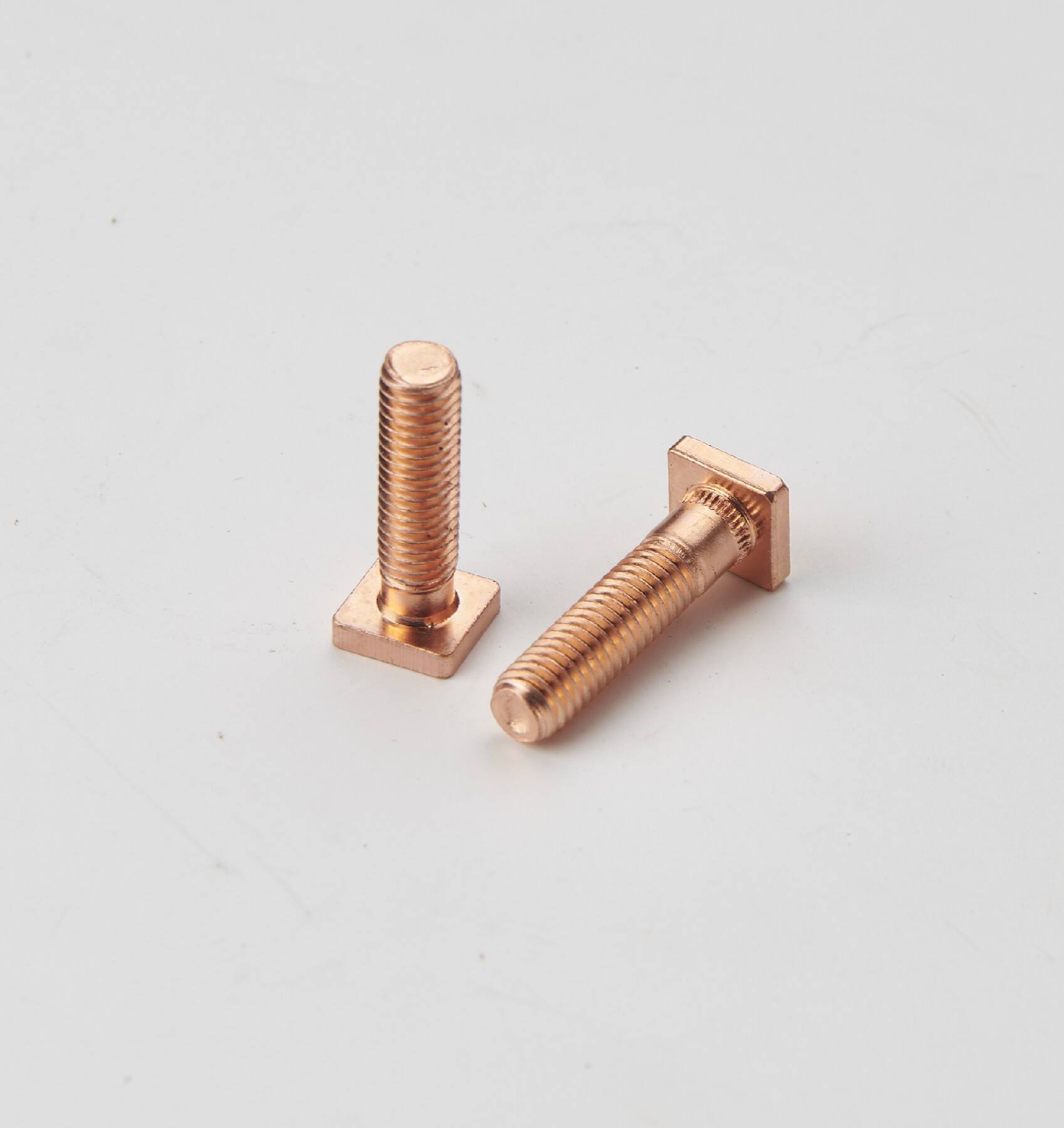
When your vehicle fails to start despite having a charged battery, the problem often lies within the starter system. Among the most frequent culprits is the starter solenoid, a critical component that requires proper diagnosis and repair techniques to restore full functionality. Understanding how to repair solenoid starter motor components can save both time and money while ensuring reliable vehicle operation. The solenoid acts as an electromagnetic switch that engages the starter motor with the engine flywheel, making its proper function essential for engine ignition.
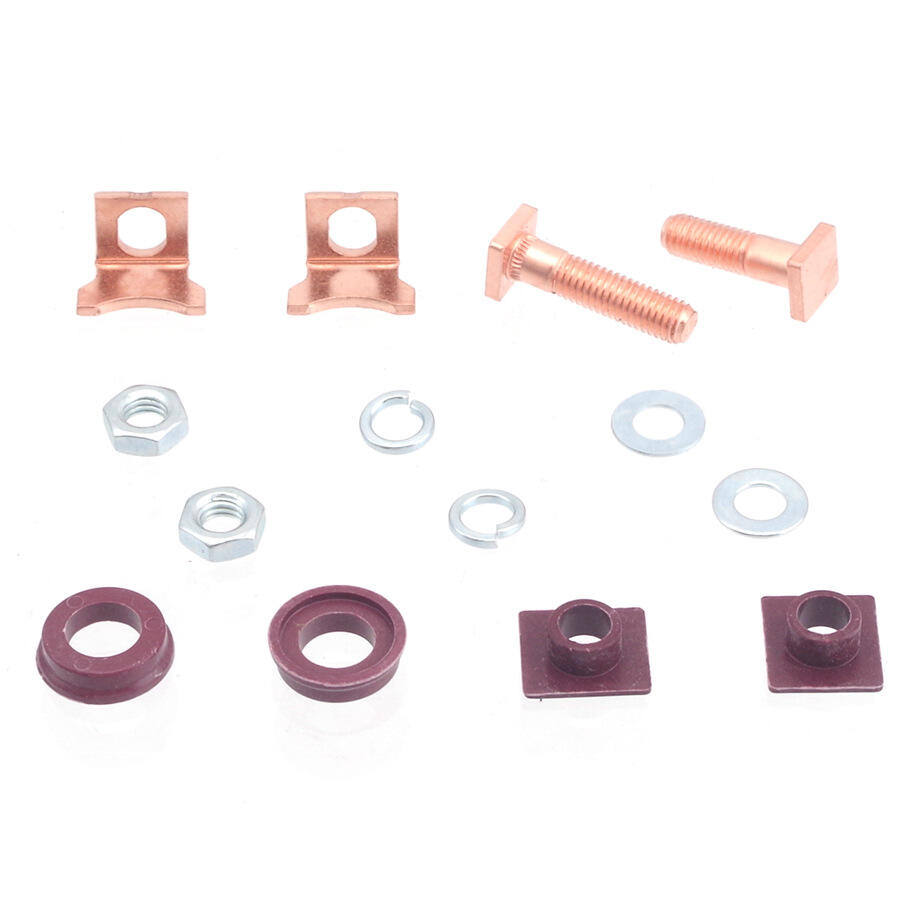
Professional automotive technicians encounter starter solenoid issues regularly, with specific patterns of failure that can be identified and addressed systematically. The ability to repair solenoid starter motor assemblies effectively requires understanding both electrical principles and mechanical components. Modern vehicles rely heavily on precise electrical connections, making solenoid maintenance crucial for optimal performance. When these components fail, the symptoms are typically unmistakable, ranging from complete silence when turning the key to intermittent clicking sounds that indicate partial engagement.
Understanding Starter Solenoid Functionality
Electromagnetic Operation Principles
The starter solenoid operates through electromagnetic principles that create mechanical movement when electrical current flows through its coil windings. This electromagnetic force pulls a plunger mechanism that simultaneously closes heavy-duty contacts and engages the starter drive gear with the engine flywheel. Understanding these principles is fundamental when you need to repair solenoid starter motor systems effectively. The solenoid contains both pull-in and hold-in windings that work together to provide reliable engagement and sustained connection during the starting process.
Professional diagnosis begins with understanding how electrical current flows through the solenoid circuit, from the ignition switch through various safety switches before reaching the solenoid terminals. The complexity of modern starting systems means that multiple factors can influence solenoid performance, including battery voltage levels, ambient temperature, and electrical resistance throughout the circuit. When technicians repair solenoid starter motor assemblies, they must consider all these variables to ensure comprehensive solutions.
Circuit Integration and Control Systems
Modern vehicles integrate starter solenoids with sophisticated control systems that include security features, clutch safety switches, and computer-controlled modules. These integration points create additional complexity when diagnosing solenoid-related starting problems. The ability to repair solenoid starter motor circuits requires understanding how these various systems interact and influence overall starter operation. Advanced diagnostic equipment becomes essential for identifying problems within these integrated systems.
Circuit protection mechanisms, including fuses and relays, play crucial roles in starter solenoid operation and can mask underlying solenoid problems when they fail. Proper testing procedures must account for all circuit protection devices and their potential impact on solenoid function. Professional technicians who regularly repair solenoid starter motor systems develop systematic approaches to eliminate these variables during diagnosis, ensuring accurate identification of actual solenoid problems versus supporting circuit failures.
Common Solenoid Failure Modes
Electrical Contact Deterioration
The most prevalent issue requiring solenoid repair involves deterioration of the heavy-duty electrical contacts that carry high current from the battery to the starter motor. These contacts experience significant wear due to arcing that occurs during normal operation, gradually reducing their ability to conduct electricity effectively. Over time, this deterioration manifests as slow cranking speeds, intermittent starting problems, or complete failure to engage the starter motor. When technicians repair solenoid starter motor assemblies, contact replacement or reconditioning often represents the primary repair activity.
Contact deterioration typically follows predictable patterns based on usage frequency and operating conditions. High-mileage vehicles or those used in demanding applications show accelerated contact wear that requires more frequent attention. The repair process involves careful disassembly of the solenoid housing to access internal contacts, followed by cleaning, filing, or complete replacement depending on the extent of damage. Professional repair techniques ensure proper contact alignment and adequate electrical conductivity throughout the expected service life.
Coil Winding Failures
Internal coil windings within starter solenoids can fail due to overheating, moisture intrusion, or mechanical stress that breaks wire connections. These failures typically result in either no response when the ignition key is turned or weak engagement that fails to properly connect the starter motor. Coil problems require specialized testing equipment to identify, as visual inspection rarely reveals the extent of internal damage. When professionals repair solenoid starter motor units with coil failures, complete solenoid replacement often proves more cost-effective than attempting internal coil repairs.
Diagnostic procedures for coil failures involve resistance measurements across various solenoid terminals to identify open circuits or short circuits within the windings. These measurements must be compared against manufacturer specifications to determine whether coil resistance falls within acceptable ranges. The complexity of coil repair work means that most service facilities focus on replacement rather than internal reconstruction when addressing these failures.
Diagnostic Procedures and Testing Methods
Electrical Testing Protocols
Comprehensive electrical testing forms the foundation of effective solenoid diagnosis and represents the first step in any repair process. Professional technicians use multimeters to measure voltage drop across solenoid connections, current draw during operation, and resistance values throughout the circuit. These measurements provide objective data about solenoid condition and help identify whether problems originate within the solenoid itself or supporting electrical systems. When preparing to repair solenoid starter motor components, accurate electrical testing eliminates guesswork and ensures targeted repair efforts.
Advanced testing procedures include load testing that simulates actual operating conditions while monitoring solenoid performance parameters. This testing reveals problems that might not appear during static resistance measurements but become evident under operational stress. Professional diagnostic equipment can capture intermittent failures that occur only under specific temperature or load conditions, providing comprehensive understanding of solenoid condition before beginning repair work.
Mechanical Inspection Techniques
Physical examination of solenoid components reveals mechanical problems that electrical testing cannot identify, including worn plunger mechanisms, damaged mounting hardware, or corroded external connections. Visual inspection techniques help technicians assess the overall condition of solenoid assemblies and identify areas requiring attention during repair procedures. The ability to repair solenoid starter motor systems effectively depends on thorough mechanical evaluation combined with electrical testing results.
Mechanical testing includes checking plunger movement, verifying spring tension, and examining gear engagement mechanisms that connect the starter motor to the engine flywheel. These mechanical components work in conjunction with electrical systems to provide reliable starting performance, making their condition critical to overall solenoid function. Professional repair protocols address both electrical and mechanical aspects of solenoid operation to ensure comprehensive solutions.
Step-by-Step Repair Procedures
Disassembly and Component Access
Proper disassembly procedures ensure safe access to internal solenoid components while preventing damage to surrounding systems. Professional repair techniques begin with disconnecting battery power and removing the solenoid from its mounting location to provide adequate working space. The process of disassembly varies among different vehicle makes and models, requiring specific knowledge of mounting configurations and electrical connections. When technicians repair solenoid starter motor assemblies, systematic disassembly prevents component loss and facilitates efficient reassembly.
Component access often requires removal of air intake systems, wiring harnesses, or other engine components that obstruct solenoid reach. Professional service procedures account for these access requirements and include proper support for removed components to prevent damage during the repair process. Documentation of component positions and connection configurations helps ensure correct reassembly after repair completion.
Internal Component Reconstruction
Internal reconstruction involves cleaning, repairing, or replacing individual solenoid components based on inspection results and testing data. Contact surfaces receive particular attention during reconstruction, with filing, grinding, or replacement procedures restoring proper electrical conductivity. The ability to repair solenoid starter motor internals requires specialized tools and techniques that ensure proper component alignment and function. Professional repair facilities maintain inventories of replacement parts and rebuilding components to support comprehensive reconstruction efforts.
Reconstruction procedures include spring replacement, plunger reconditioning, and housing restoration that returns solenoids to original performance specifications. These procedures require precise measurements and careful attention to tolerances that affect operational reliability. Quality reconstruction work extends solenoid service life significantly while providing performance comparable to new units at reduced cost.
Quality Assurance and Performance Validation
Post-Repair Testing Requirements
Comprehensive testing after completing repair work validates solenoid performance and ensures reliable operation under all expected conditions. Professional testing protocols include electrical measurements, operational testing, and endurance evaluation that confirms repair effectiveness. These testing procedures verify that the repair solenoid starter motor process has successfully addressed all identified problems while maintaining proper integration with vehicle systems. Quality assurance testing prevents premature failures and ensures customer satisfaction with repair results.
Performance validation extends beyond basic operational testing to include stress testing under simulated extreme conditions. Temperature cycling, repeated operation cycles, and load testing help identify any remaining weaknesses that could lead to future failures. Professional repair facilities document all testing results to support warranty claims and provide objective evidence of repair quality.
Installation and System Integration
Proper installation procedures ensure that repaired solenoids integrate correctly with existing vehicle systems and provide reliable long-term service. Installation requirements include proper torque specifications for mounting hardware, correct electrical connections, and appropriate routing of wiring harnesses. The final steps in any repair solenoid starter motor project involve verification of proper system operation through comprehensive testing of the complete starting system.
System integration testing confirms that repaired solenoids work correctly with ignition systems, security features, and engine management computers. This integration testing prevents conflicts between repaired components and existing vehicle systems that could cause operational problems or starting difficulties. Professional installation procedures include break-in periods and follow-up inspections that ensure continued reliable operation.
Preventive Maintenance Strategies
Environmental Protection Measures
Environmental factors significantly influence solenoid longevity and performance, making protection measures essential for extending service life. Moisture, temperature extremes, and corrosive substances can accelerate solenoid deterioration and increase the frequency of required repairs. Understanding these environmental influences helps vehicle owners and technicians develop maintenance strategies that minimize the need to repair solenoid starter motor systems. Protective measures include proper sealing, drainage considerations, and periodic cleaning that removes contaminants before they cause damage.
Professional maintenance protocols address environmental protection through regular inspection of protective covers, drainage systems, and mounting hardware that secure solenoids in their operating positions. These inspections identify potential problems before they result in solenoid failures, reducing overall maintenance costs and improving vehicle reliability. Preventive measures prove more cost-effective than reactive repairs in most applications.
Electrical System Optimization
Maintaining optimal electrical system performance reduces stress on starter solenoids and extends their operational life significantly. Battery condition, charging system performance, and electrical connection integrity all influence solenoid loading and operating conditions. Regular maintenance of these supporting systems reduces the likelihood of premature solenoid failure and decreases the frequency of repair requirements. When electrical systems operate within design specifications, solenoids experience less stress and provide longer service life.
Optimization procedures include battery testing, alternator output verification, and electrical connection cleaning that ensures maximum efficiency throughout the starting system. These maintenance activities support solenoid operation by providing stable voltage levels and minimizing electrical resistance that could cause excessive current draw. Professional maintenance schedules incorporate electrical system optimization as part of comprehensive vehicle care programs.
FAQ
What are the most common signs that indicate a starter solenoid needs repair
The most obvious signs include a clicking sound when turning the ignition key, complete silence with no starter engagement, or intermittent starting problems where the engine sometimes starts normally and other times fails completely. Additionally, if you hear the starter motor spinning but the engine doesn't crank, this typically indicates solenoid contact problems that prevent proper electrical connection. Professional diagnosis can confirm whether these symptoms originate from solenoid problems or other starting system components.
Can I repair solenoid starter motor components myself or should I seek professional help
While basic solenoid replacement can be accomplished by experienced DIY mechanics, internal solenoid repair requires specialized tools, testing equipment, and technical knowledge that most home mechanics don't possess. Professional repair facilities have access to replacement parts, proper testing equipment, and experience with various solenoid designs that ensure successful repairs. For safety reasons and to ensure reliable results, internal solenoid reconstruction should be left to qualified technicians who can properly test and validate repair work.
How long should a repaired starter solenoid last compared to a new replacement unit
Properly repaired solenoids using quality replacement parts and professional techniques typically provide 80-90% of the service life expected from new units. The actual lifespan depends on operating conditions, maintenance quality, and the extent of the original damage that required repair. Professional repair work often includes improvements over original designs that can actually extend service life beyond original specifications. Quality repair facilities typically provide warranties that demonstrate confidence in their repair procedures and component quality.
What factors influence the cost-effectiveness of repairing versus replacing starter solenoids
Cost-effectiveness depends on several factors including the age and condition of the existing solenoid, availability of replacement parts, labor costs for repair versus replacement, and expected service life after repair. Generally, solenoids with minor contact problems or simple mechanical issues prove economical to repair, while units with extensive internal damage or obsolete designs may be better candidates for replacement. Professional evaluation can determine the most cost-effective approach based on specific circumstances and vehicle requirements.
Table of Contents
- Understanding Starter Solenoid Functionality
- Common Solenoid Failure Modes
- Diagnostic Procedures and Testing Methods
- Step-by-Step Repair Procedures
- Quality Assurance and Performance Validation
- Preventive Maintenance Strategies
-
FAQ
- What are the most common signs that indicate a starter solenoid needs repair
- Can I repair solenoid starter motor components myself or should I seek professional help
- How long should a repaired starter solenoid last compared to a new replacement unit
- What factors influence the cost-effectiveness of repairing versus replacing starter solenoids