 EN
EN


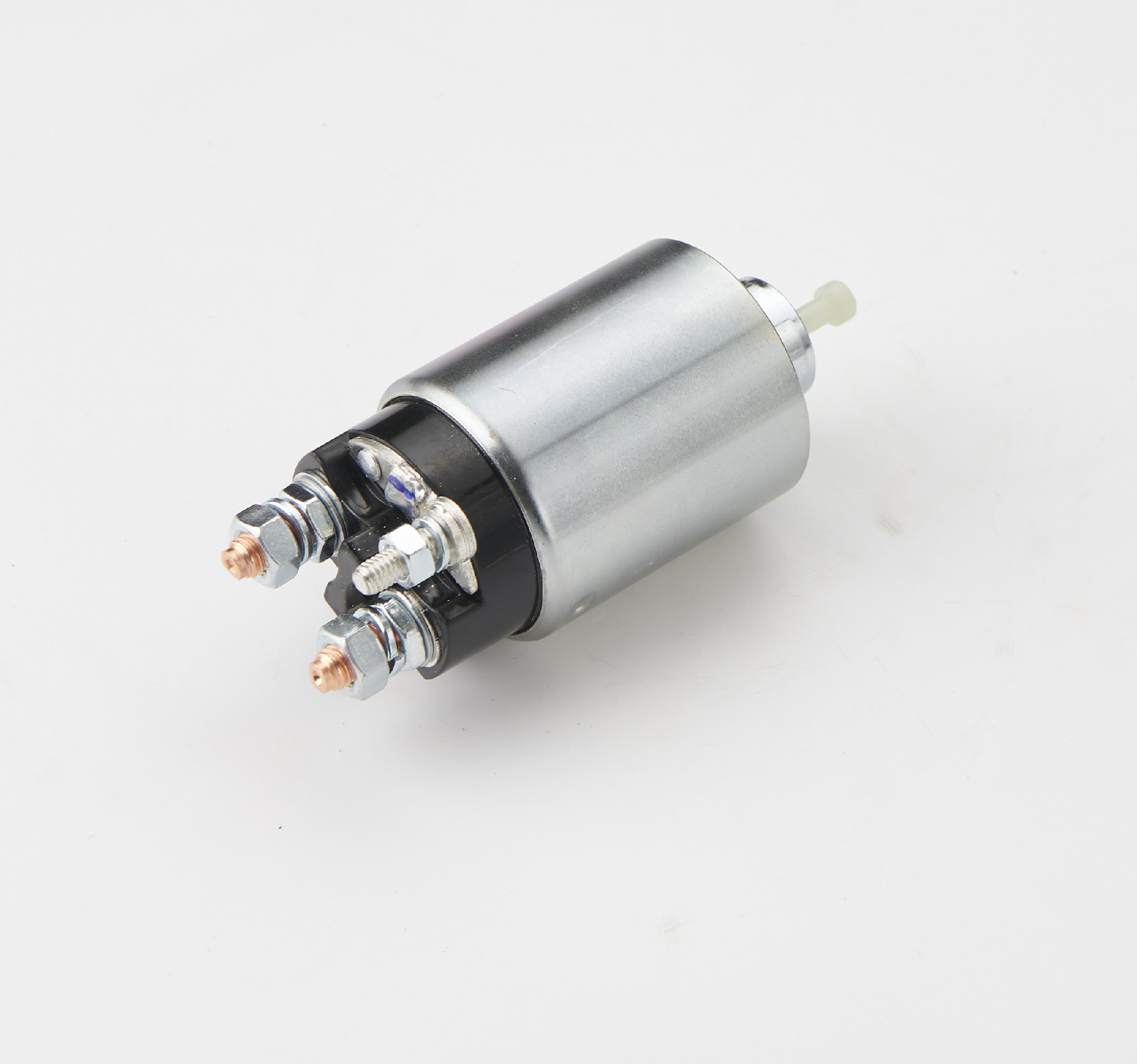
When your vehicle fails to start, the culprit might be a faulty 12v starter solenoid hiding under the hood. This critical component serves as the electrical bridge between your ignition switch and starter motor, determining whether your engine roars to life or leaves you stranded. With countless options flooding the automotive market, from budget-friendly alternatives to premium units, understanding the real-world differences becomes essential for making informed purchasing decisions.
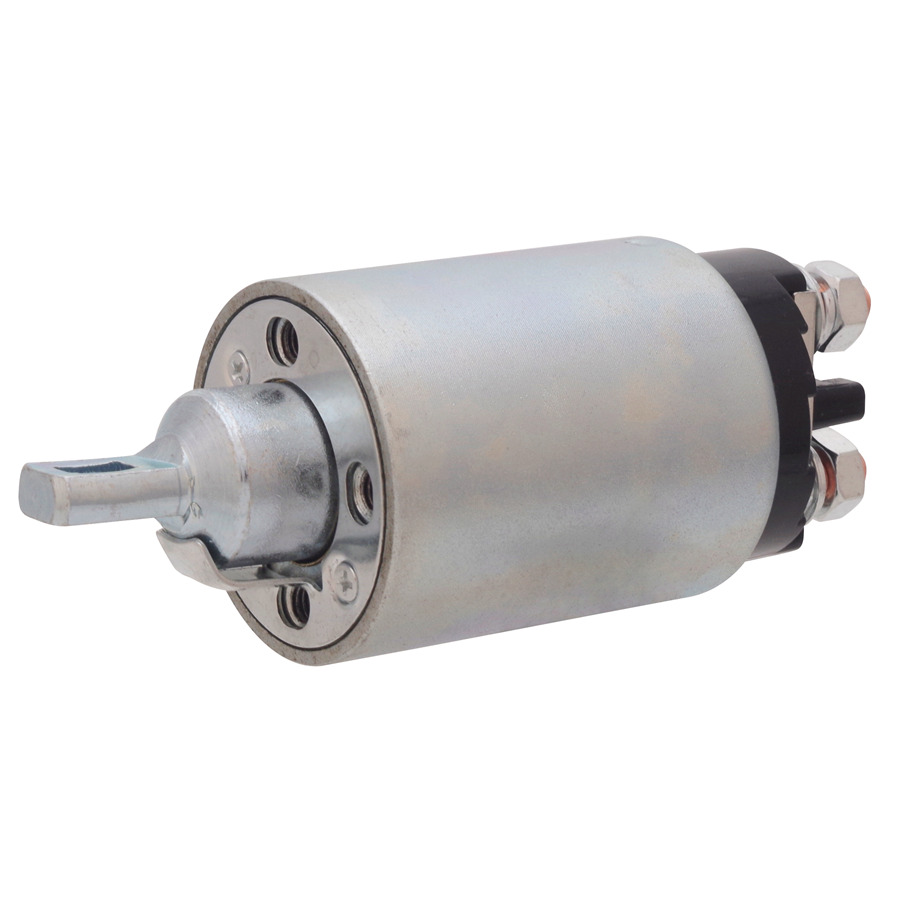
The automotive aftermarket presents a bewildering array of starter solenoid options, each promising reliable performance at varying price points. Professional mechanics and DIY enthusiasts often debate whether expensive components justify their premium costs or if budget alternatives deliver comparable functionality. Through comprehensive bench testing and real-world applications, we can examine how construction quality, materials, and manufacturing processes impact long-term reliability and performance characteristics.
Understanding the fundamental differences between cheap and high-end solenoids requires examining their internal construction, contact materials, and electromagnetic coil specifications. These factors directly influence switching speed, current-carrying capacity, and operational lifespan under various environmental conditions. By conducting systematic comparisons, we reveal the true value proposition behind different price tiers and help consumers make educated choices based on their specific needs and budget constraints.
Construction Quality and Materials Analysis
Internal Component Comparison
High-end 12v starter solenoid units typically feature robust copper contacts and heavy-duty electromagnetic coils designed for extended service life. Premium manufacturers invest in superior metallurgy, utilizing silver-plated contact surfaces that resist oxidation and maintain consistent electrical conductivity over thousands of switching cycles. The coil windings employ high-grade copper wire with enhanced insulation properties, preventing premature failure due to heat buildup and electrical stress.
Budget solenoids often compromise on material quality to achieve lower production costs. These units may incorporate brass or copper-plated steel contacts that wear more rapidly under high-current conditions. The electromagnetic coils typically use thinner wire gauges with basic insulation, making them more susceptible to overheating and voltage fluctuations. Housing materials also differ significantly, with premium units featuring corrosion-resistant alloys while economy versions rely on basic steel construction with minimal protective coatings.
The spring mechanisms within starter solenoids play crucial roles in ensuring reliable contact engagement and disengagement. High-quality units employ precision-manufactured springs with consistent tension characteristics, maintaining proper contact pressure throughout their operational lifespan. Cheaper alternatives may use generic springs that lose tension over time, leading to intermittent connections and eventual failure modes that leave drivers stranded unexpectedly.
Manufacturing Tolerances and Assembly Standards
Premium 12v starter solenoid manufacturers maintain strict quality control standards throughout their production processes. These facilities employ automated testing equipment that verifies electrical specifications, mechanical tolerances, and operational parameters before products reach the market. Each unit undergoes multiple inspection stages, ensuring consistent performance characteristics and long-term reliability under demanding automotive applications.
Lower-cost solenoid production often involves relaxed quality standards to minimize manufacturing expenses. Assembly processes may rely more heavily on manual labor without comprehensive testing protocols, resulting in greater variation between individual units. This inconsistency can manifest as premature failures, erratic performance, or incompatibility issues with specific vehicle electrical systems, particularly in modern cars with sophisticated engine management computers.
The sealing and environmental protection standards also vary dramatically between price categories. Premium solenoids incorporate advanced gasket materials and precision-machined housings that prevent moisture infiltration and contamination. Budget alternatives may use basic rubber seals or inadequate housing designs that allow water, dirt, and road salt to compromise internal components over time, accelerating corrosion and electrical degradation.
Electrical Performance Characteristics
Current Handling Capacity
High-end starter solenoids excel in current-carrying capacity, safely handling the substantial electrical loads required by modern high-torque starter motors. These units typically feature oversized contact surfaces and robust internal wiring capable of conducting 200-400 amperes without excessive heating or voltage drop. The superior electrical design ensures consistent power delivery to the starter motor, resulting in reliable engine cranking performance even under challenging conditions such as cold weather or high-compression engines.
Budget 12v starter solenoid options often struggle with sustained high-current operation, leading to excessive heating and accelerated wear of internal components. The smaller contact surfaces and thinner internal conductors create resistance that manifests as voltage drop and reduced power transfer to the starter motor. This limitation becomes particularly problematic in applications requiring frequent starting cycles or vehicles with high-displacement engines that demand maximum cranking power.
Voltage drop measurements reveal significant differences between solenoid categories during bench testing. Premium units typically exhibit voltage drops below 0.2 volts under full load conditions, while economy versions may show drops exceeding 0.5 volts. This difference directly impacts starter motor performance, as reduced voltage translates to slower cranking speeds and potentially failed starting attempts, especially when battery voltage is marginal due to cold temperatures or battery aging.
Switching Speed and Response Time
The electromagnetic coil design significantly influences how quickly a starter solenoid responds to ignition switch commands. High-quality units feature optimized coil configurations that provide rapid magnetic field buildup and collapse, ensuring crisp engagement and disengagement of the main contacts. This quick response minimizes the duration of transitional states where contacts may arc or create resistance, reducing wear and extending operational lifespan.
Lower-grade solenoids often exhibit sluggish response characteristics due to coil design compromises and inferior magnetic materials. The slower switching speeds increase the likelihood of contact arcing during engagement and disengagement cycles, accelerating wear and potentially causing welding or pitting of contact surfaces. These issues manifest as intermittent starting problems, clicking sounds without starter engagement, or complete failure to transfer power to the starter motor.
Oscilloscope analysis during bench testing reveals the switching transient behavior of different 12v starter solenoid designs. Premium units demonstrate clean, rapid transitions with minimal bounce or oscillation, while budget alternatives often show irregular switching patterns that indicate poor mechanical design or inadequate magnetic field control. These characteristics directly correlate with long-term reliability and consistent performance under various operating conditions.
Real-World Performance Testing
Durability and Lifespan Assessment
Extended testing protocols reveal dramatic differences in operational lifespan between cheap and premium starter solenoids. High-end units consistently demonstrate the ability to perform hundreds of thousands of switching cycles without significant degradation in electrical or mechanical performance. The superior materials and construction methods enable these solenoids to maintain consistent operation throughout their service life, providing reliable starting performance year after year.
Budget 12v starter solenoid alternatives typically show measurable performance degradation within the first 50,000 to 100,000 switching cycles. Contact resistance increases gradually as surfaces oxidize and wear, leading to higher voltage drops and reduced power transfer efficiency. Mechanical components such as springs and actuators may also exhibit wear-related issues that compromise engagement reliability, particularly under extreme temperature conditions.
Environmental stress testing exposes additional weaknesses in lower-cost solenoid designs. Exposure to temperature cycling, humidity, vibration, and corrosive substances accelerates failure modes in budget units, while premium solenoids maintain performance specifications throughout accelerated aging protocols. These differences become particularly important for vehicles operating in harsh climates or demanding applications such as commercial or marine use.
Temperature Performance Variations
Cold weather operation presents significant challenges for automotive electrical systems, and starter solenoids must function reliably across wide temperature ranges. Premium units incorporate design features that maintain consistent performance from arctic conditions to extreme heat, utilizing materials and construction techniques that accommodate thermal expansion and contraction without compromising electrical connections or mechanical operation.
Inexpensive solenoids often struggle with temperature extremes, particularly cold weather conditions where increased viscosity of lubricants and thermal contraction of materials can impede proper operation. The electromagnetic coils may require higher voltage to achieve sufficient magnetic field strength at low temperatures, while contact materials may become brittle or exhibit increased resistance when cold, leading to unreliable starting performance when vehicles are needed most.
Heat dissipation capabilities also vary significantly between solenoid categories. High-quality 12v starter solenoid designs incorporate thermal management features such as heat sinks or improved ventilation that prevent overheating during extended cranking periods. Budget alternatives may lack adequate thermal protection, leading to coil damage or contact welding when subjected to prolonged starting attempts or high ambient temperatures under the hood.
Cost-Benefit Analysis and Value Proposition
Initial Investment versus Long-term Costs
The upfront price difference between cheap and premium starter solenoids represents only a fraction of the total ownership costs when considering replacement frequency, labor expenses, and potential secondary damages. While budget units may cost 30-50% less initially, their reduced lifespan often necessitates multiple replacements over the service life of a single high-quality unit, ultimately increasing total expenditure when labor costs and vehicle downtime are factored into the equation.
Premium 12v starter solenoid options justify their higher initial cost through extended service intervals and reduced maintenance requirements. Professional mechanics report significantly fewer warranty claims and callback issues with high-end solenoids, translating to improved customer satisfaction and reduced shop overhead. The reliability factor becomes particularly valuable for commercial vehicle operators where unexpected breakdowns result in lost productivity and revenue.
Hidden costs associated with cheap solenoid failures extend beyond simple replacement expenses. Failed units can cause damage to starter motors, ignition switches, or wiring harnesses, particularly when contacts weld together or create high-resistance connections that generate excessive heat. These secondary failures can multiply repair costs exponentially and may not be immediately apparent during initial troubleshooting procedures.
Application-Specific Considerations
Vehicle usage patterns significantly influence the optimal solenoid selection strategy. Daily commuter vehicles with moderate starting frequency may achieve acceptable performance from mid-grade units, while commercial vehicles, emergency equipment, or recreational vehicles subjected to extreme conditions benefit substantially from premium solenoid investments. Understanding specific application requirements helps optimize the cost-performance balance for individual circumstances.
High-performance or modified vehicles present unique challenges that favor premium solenoid selection. Upgraded starter motors with higher current requirements, forced induction systems that increase cranking loads, or racing applications with frequent starting cycles demand the superior current-handling capacity and durability characteristics found in top-tier 12v starter solenoid designs. Attempting to economize with budget alternatives in these applications often results in premature failures and compromised performance.
Marine and industrial applications operating in harsh environmental conditions require solenoids with enhanced corrosion resistance and environmental sealing. The premium pricing of specialized units designed for these applications reflects the additional engineering and materials required to withstand salt water exposure, chemical contamination, or extreme vibration conditions that would quickly destroy standard automotive-grade components.
Installation and Maintenance Considerations
Compatibility and Fitment Issues
Premium starter solenoid manufacturers typically provide comprehensive application databases and detailed specifications that ensure proper fitment across vehicle platforms. These companies invest in reverse engineering and testing to verify compatibility with original equipment designs, minimizing installation complications and ensuring optimal performance integration with existing vehicle systems. The documentation and technical support available with high-end units reduces installation time and potential errors.
Budget solenoid suppliers often provide limited application information or generic specifications that may not account for subtle variations between vehicle models or production years. This lack of detailed compatibility data can lead to fitment issues, incorrect electrical connections, or performance problems that manifest after installation. Professional installers report higher return rates and warranty claims with economy solenoids due to application mismatches and inadequate technical documentation.
The physical mounting dimensions and electrical terminal configurations vary significantly between solenoid designs, making proper selection critical for successful installation. High-quality 12v starter solenoid units maintain strict adherence to original equipment specifications, ensuring drop-in compatibility without modifications to mounting brackets or wiring harnesses. Cheaper alternatives may require adaptations or modifications that compromise reliability or create potential failure points in the electrical system.
Maintenance Requirements and Service Intervals
Premium solenoids typically require minimal maintenance beyond periodic visual inspection and electrical connection cleaning. The robust construction and quality materials resist corrosion and contamination, maintaining performance characteristics throughout extended service intervals. Professional mechanics report that high-quality units often outlast multiple sets of spark plugs or oil changes, providing exceptional reliability with minimal attention.
Budget starter solenoids may require more frequent inspection and maintenance to ensure reliable operation. The inferior sealing and material quality make these units more susceptible to environmental contamination and corrosion, necessitating periodic cleaning of electrical connections and replacement of protective covers or gaskets. The increased maintenance requirements partially offset the initial cost savings and may exceed the capabilities of typical vehicle owners.
Troubleshooting procedures also differ between solenoid categories. Premium units typically fail in predictable modes that facilitate rapid diagnosis and replacement, while budget alternatives may exhibit intermittent or unusual failure patterns that complicate troubleshooting efforts. The diagnostic complexity increases labor time and may result in misdiagnosis or replacement of other system components before identifying the actual solenoid failure.
FAQ
How can I determine if my 12v starter solenoid needs replacement
Several symptoms indicate a failing starter solenoid, including clicking sounds when turning the ignition key without starter motor engagement, intermittent starting problems, or complete failure to crank the engine despite good battery voltage. Testing with a multimeter can verify proper voltage delivery through the solenoid contacts, while physical inspection may reveal corrosion, damage, or loose connections. Professional diagnosis often involves bypass testing to isolate solenoid function from other starting system components.
What is the typical lifespan difference between cheap and premium starter solenoids
Premium 12v starter solenoid units typically provide 200,000 to 500,000 switching cycles or 8-12 years of service life under normal conditions. Budget alternatives usually last 50,000 to 150,000 cycles or 3-5 years before requiring replacement. The actual lifespan depends on usage patterns, environmental conditions, and vehicle electrical system health. Commercial vehicles or frequent-start applications may see reduced lifespans across all solenoid categories due to increased cycling frequency.
Can using a cheap solenoid damage other starting system components
Yes, failing budget solenoids can cause secondary damage to starter motors, ignition switches, and wiring harnesses. High-resistance connections generate excessive heat that can melt wiring insulation or damage switch contacts. Welded solenoid contacts may allow continuous power flow to the starter motor, causing overheating and potential motor failure. Additionally, voltage drops across degraded solenoid contacts can stress the ignition switch and create feedback that damages electronic control modules in modern vehicles.
Are there specific vehicle applications where premium solenoids are essential
High-performance engines, diesel vehicles, marine applications, and commercial equipment typically require premium starter solenoids due to their demanding operating conditions. Vehicles with high-compression engines, forced induction systems, or frequent starting cycles benefit from the superior current-handling capacity and durability of high-end units. Emergency vehicles, construction equipment, and any application where starting reliability is critical should utilize premium solenoids to minimize the risk of unexpected failures and operational disruptions.
