 EN
EN


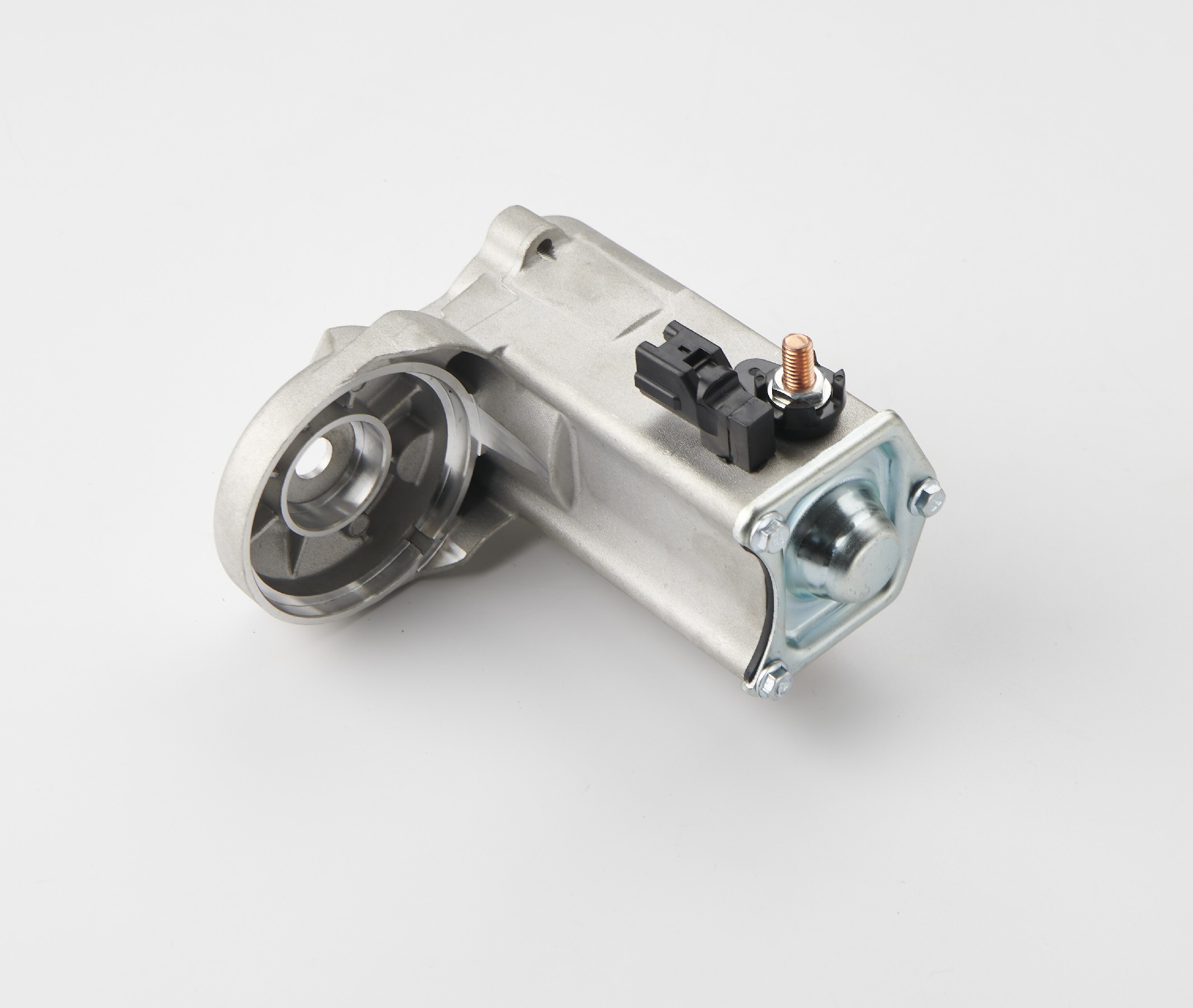
The 12v starter solenoid stands as one of the most critical components in marine electrical systems, serving as the essential bridge between your ignition switch and starter motor. In harsh marine environments where salt spray and moisture constantly threaten electrical components, selecting a reliable starter solenoid becomes paramount for ensuring dependable engine starts. Marine applications demand specialized solenoids that can withstand corrosive conditions while maintaining consistent performance across varying temperatures and humidity levels.
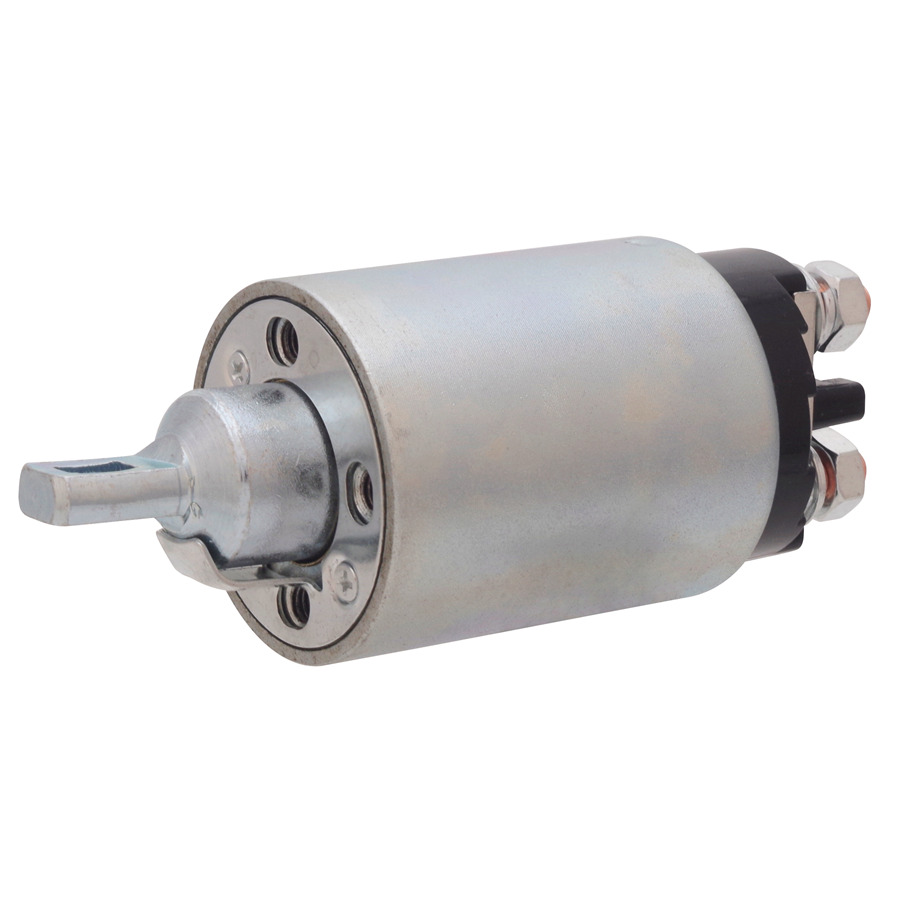
Understanding the fundamental operation of a 12v starter solenoid reveals why proper selection is crucial for marine applications. These electromagnetic switches handle high current loads, typically ranging from 200 to 400 amperes, making them vulnerable to failure under challenging conditions. The solenoid's primary function involves creating a magnetic field that closes heavy-duty contacts, allowing current to flow from the battery to the starter motor. This process occurs thousands of times throughout a marine engine's operational life, emphasizing the importance of robust construction and quality materials.
Marine environments present unique challenges that differentiate them from automotive applications. Salt air accelerates corrosion of metal components, while constant vibration from wave action and engine operation can loosen connections over time. Temperature fluctuations between engine compartments and ambient conditions create thermal stress on solenoid components. These factors combine to create an operating environment that demands exceptional durability from every electrical component, particularly the starter solenoid that must function reliably during critical engine start sequences.
Marine-Grade Construction Features
Corrosion-Resistant Materials
Premium marine 12v starter solenoid units incorporate specialized materials designed to resist salt-induced corrosion. Stainless steel terminals and brass contact points provide superior resistance to oxidation compared to standard automotive components. The housing typically features marine-grade powder coating or anodized finishes that create protective barriers against moisture penetration. Internal components utilize corrosion-resistant alloys and specialized platings that maintain conductivity even after prolonged exposure to marine environments.
Sealing technology plays a crucial role in protecting internal components from moisture infiltration. Advanced rubber gaskets and O-ring seals create watertight barriers around terminal connections and housing joints. Some high-end units incorporate potting compounds that encapsulate sensitive components in protective resin, providing additional moisture protection. These sealing methods ensure that the 12v starter solenoid maintains reliable operation even when subjected to spray, rain, or high humidity conditions common in marine applications.
Ignition Protection Systems
Ignition-protected solenoids incorporate specialized design features that prevent spark generation during normal operation. These safety measures become critical in marine fuel systems where gasoline vapors may accumulate in engine compartments. The protection typically involves sealed contact chambers filled with inert gas or vacuum environments that eliminate oxygen necessary for combustion. Contact surfaces receive special treatments that minimize arcing during switching operations, further reducing ignition risks.
Certification standards such as USCG (United States Coast Guard) approval indicate that a 12v starter solenoid meets stringent safety requirements for marine applications. These certifications involve rigorous testing protocols that verify ignition protection capabilities under various operating conditions. Marine installers and boat owners should prioritize certified units to ensure compliance with safety regulations and insurance requirements. The additional cost of certified components often proves minimal compared to potential consequences of ignition-related incidents.
Performance Characteristics and Specifications
Current Handling Capacity
The current-carrying capacity of a 12v starter solenoid directly impacts its suitability for different marine engine configurations. Small outboard motors typically require solenoids rated for 200-300 amperes, while larger inboard engines may demand 400-500 ampere capacity. Continuous duty ratings differ from intermittent ratings, with most starter applications falling into the intermittent category due to short engagement periods. Understanding these specifications ensures proper matching between solenoid capacity and engine requirements.
Voltage drop characteristics significantly influence starter motor performance and overall system efficiency. Quality solenoids maintain minimal voltage drop across their contacts, typically less than 0.5 volts under full load conditions. This low resistance ensures maximum battery voltage reaches the starter motor, promoting faster cranking speeds and reduced battery drain. Poor-quality units may exhibit voltage drops exceeding 1.0 volt, resulting in sluggish starts and premature battery discharge.
Operating Temperature Range
Marine 12v starter solenoid units must function reliably across wide temperature ranges encountered in various climates and seasons. Quality units typically operate from -40°F to +200°F, accommodating both cold-weather starting and hot engine compartment conditions. Temperature cycling tests verify that solenoids maintain proper contact pressure and sealing integrity throughout these extremes. Thermal expansion coefficients of different materials must be carefully matched to prevent stress-induced failures during temperature changes.
Heat dissipation becomes particularly important in enclosed engine compartments where ambient temperatures may exceed 150°F during operation. Solenoid housings incorporate heat sinks or thermal management features that prevent overheating during extended cranking periods. Some advanced units include thermal protection circuits that temporarily disable operation if excessive temperatures are detected, protecting the unit from thermal damage while indicating potential cooling system issues.
Installation and Wiring Considerations
Proper Mounting Techniques
Correct installation of a 12v starter solenoid involves careful attention to mounting location, orientation, and vibration isolation. The solenoid should be positioned in an accessible location for maintenance while avoiding areas prone to water accumulation or excessive heat. Mounting brackets must provide secure attachment that prevents loosening under engine vibration. Some installations benefit from vibration dampening materials between the solenoid and mounting surface to reduce mechanical stress on components.
Orientation considerations include ensuring that terminal connections remain accessible for service while preventing water accumulation on electrical connections. Many solenoids incorporate drain holes or weep slots that must remain unobstructed to allow moisture escape. The mounting location should also consider wire routing requirements, minimizing the length of high-current battery cables while maintaining adequate clearance from moving engine components or exhaust systems.
Electrical Connection Best Practices
High-quality electrical connections prove essential for reliable 12v starter solenoid operation in marine environments. Battery cable connections should utilize marine-grade terminals with tin-plated copper construction for maximum conductivity and corrosion resistance. Terminal connections require proper torque specifications, typically 15-25 foot-pounds for main power terminals, to ensure adequate contact pressure without overtightening that could damage threads or housings.
Control circuit wiring involves smaller gauge conductors that carry signal currents from the ignition switch to the solenoid coil. These connections benefit from sealed connectors or heat-shrink tubing that prevents moisture infiltration. Proper fusing of control circuits protects against short circuits while allowing normal operational currents. Ground connections deserve particular attention, as poor grounding can cause erratic solenoid operation or complete failure to engage.
Troubleshooting Common Issues
Diagnostic Procedures
Systematic diagnosis of 12v starter solenoid problems begins with voltage measurements at key connection points. A digital multimeter can verify battery voltage at the solenoid input terminal while observing voltage drop across the unit during cranking attempts. Excessive voltage drop indicates worn contacts or poor connections requiring attention. Control voltage measurements at the solenoid coil terminals help identify ignition switch or wiring problems versus solenoid internal failures.
Mechanical testing involves checking for proper solenoid engagement by listening for the characteristic clicking sound during key activation. Absence of clicking suggests coil failure or control circuit problems, while clicking without starter engagement indicates worn main contacts. Visual inspection of terminals and connections often reveals corrosion, loose hardware, or damaged wiring that contributes to operational problems. Documentation of symptoms and test results helps identify patterns that may indicate underlying system issues.
Preventive Maintenance Strategies
Regular maintenance of marine electrical systems significantly extends 12v starter solenoid service life and reliability. Periodic inspection of terminal connections should include checking for corrosion, loose hardware, and damaged insulation. Terminal connections benefit from annual cleaning and application of dielectric grease that prevents moisture infiltration while maintaining electrical conductivity. This simple maintenance task can prevent many common solenoid failures related to poor connections.
Load testing validates solenoid performance under actual operating conditions, revealing degraded contacts or marginal components before complete failure occurs. Professional marine service facilities often include solenoid testing as part of comprehensive electrical system evaluations. Replacement intervals vary based on usage patterns and environmental conditions, but most marine applications benefit from solenoid replacement every 5-7 years as preventive maintenance rather than waiting for failure.
Selection Criteria for Marine Applications
Environmental Ratings and Certifications
Selecting an appropriate 12v starter solenoid for marine use requires careful evaluation of environmental ratings and safety certifications. IP (Ingress Protection) ratings indicate the level of protection against water and dust infiltration, with IP67 or higher ratings preferred for marine applications. ABYC (American Boat and Yacht Council) standards provide guidelines for marine electrical installations, including solenoid selection and installation requirements.
USCG approval ensures compliance with federal safety regulations for recreational and commercial vessels. This certification involves extensive testing of ignition protection capabilities, material compatibility, and long-term reliability under marine conditions. Insurance companies may require certified components for coverage validity, making certification status an important selection criterion beyond basic performance considerations.
Compatibility with Engine Systems
Engine compatibility involves matching solenoid specifications to starter motor requirements and electrical system characteristics. Diesel engines typically require higher-capacity solenoids due to increased compression ratios and starter current demands. Gasoline engines with electronic ignition systems may have specific grounding requirements that influence solenoid selection. Multiple engine installations require careful consideration of solenoid locations and shared electrical components.
Battery system voltage and configuration affect solenoid selection, particularly in systems utilizing multiple batteries or battery management systems. Some applications benefit from remote-mounted solenoids that allow centralized battery switching while maintaining proper starter circuit isolation. Advanced marine electrical systems may incorporate computerized engine management that requires compatible solenoid control interfaces and diagnostic capabilities.
Advanced Features and Technology
Smart Solenoid Integration
Modern marine electrical systems increasingly incorporate smart technology that enhances 12v starter solenoid functionality and diagnostics. Integrated monitoring circuits can detect solenoid performance parameters such as contact resistance, coil current, and operating temperature. This data enables predictive maintenance strategies that identify potential failures before they occur, reducing the likelihood of unexpected breakdowns during critical operations.
Communication capabilities allow solenoids to interface with marine electronics networks such as NMEA 2000 or CAN bus systems. These connections enable remote monitoring and control from helm stations or mobile devices, providing operators with real-time status information. Fault logging capabilities record operational anomalies that help technicians diagnose intermittent problems or identify patterns that indicate developing issues.
Energy Efficiency Optimization
Energy-efficient solenoid designs minimize power consumption during hold periods while maintaining reliable engagement force. Pulse-width modulation (PWM) control circuits reduce coil current after initial engagement, decreasing heat generation and extending component life. These efficiency improvements become particularly valuable in battery-powered marine applications where every amp-hour of capacity affects operational range and convenience.
Low-power hold circuits maintain solenoid engagement with reduced current draw, typically 50-70% less than conventional designs. This efficiency improvement reduces battery drain during extended cranking periods or diagnostic procedures. Some advanced units incorporate voltage regulation that maintains consistent performance across varying battery voltages, ensuring reliable operation even with partially discharged batteries.
FAQ
How often should I replace my marine 12v starter solenoid
Marine 12v starter solenoid replacement intervals depend on usage patterns, environmental conditions, and maintenance practices. Under normal recreational use with proper maintenance, quality marine solenoids typically last 5-7 years before requiring replacement. Commercial applications or harsh operating conditions may necessitate more frequent replacement, potentially every 3-5 years. Signs indicating replacement needs include slow cranking, intermittent starting issues, or visible corrosion on terminals and housing.
What causes premature failure in marine starter solenoids
Premature 12v starter solenoid failure often results from moisture infiltration, poor electrical connections, or excessive heat exposure. Corroded terminals create high resistance that generates heat and accelerates contact wear. Inadequate sealing allows salt spray to penetrate internal components, causing corrosion and electrical failures. Improper installation, such as mounting in areas with poor ventilation or excessive vibration, can also contribute to shortened service life.
Can I use an automotive starter solenoid in marine applications
Automotive starter solenoids are not recommended for marine applications due to inadequate corrosion protection and lack of ignition protection certification. Marine environments require specialized materials and sealing that automotive units typically don't provide. Additionally, marine safety regulations may require certified ignition-protected components for gasoline-powered vessels. While automotive solenoids may function temporarily, they pose safety risks and reliability concerns that justify the investment in proper marine-rated components.
How do I test if my 12v starter solenoid is functioning properly
Testing a 12v starter solenoid involves checking both the control circuit and main power contacts. Use a multimeter to verify battery voltage at the input terminal and measure voltage drop across the solenoid during cranking attempts. The voltage drop should be less than 0.5 volts under load. Listen for the clicking sound when the ignition key is turned, indicating proper coil engagement. If clicking occurs but the starter doesn't operate, the main contacts may be worn and require solenoid replacement.
