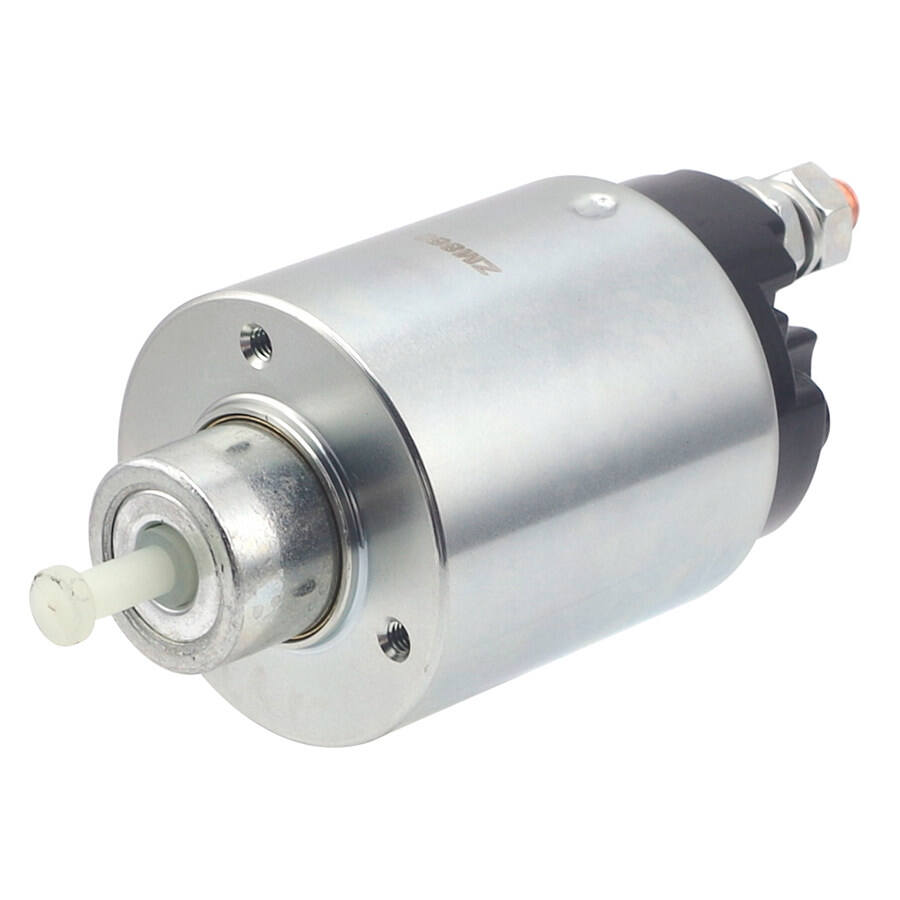
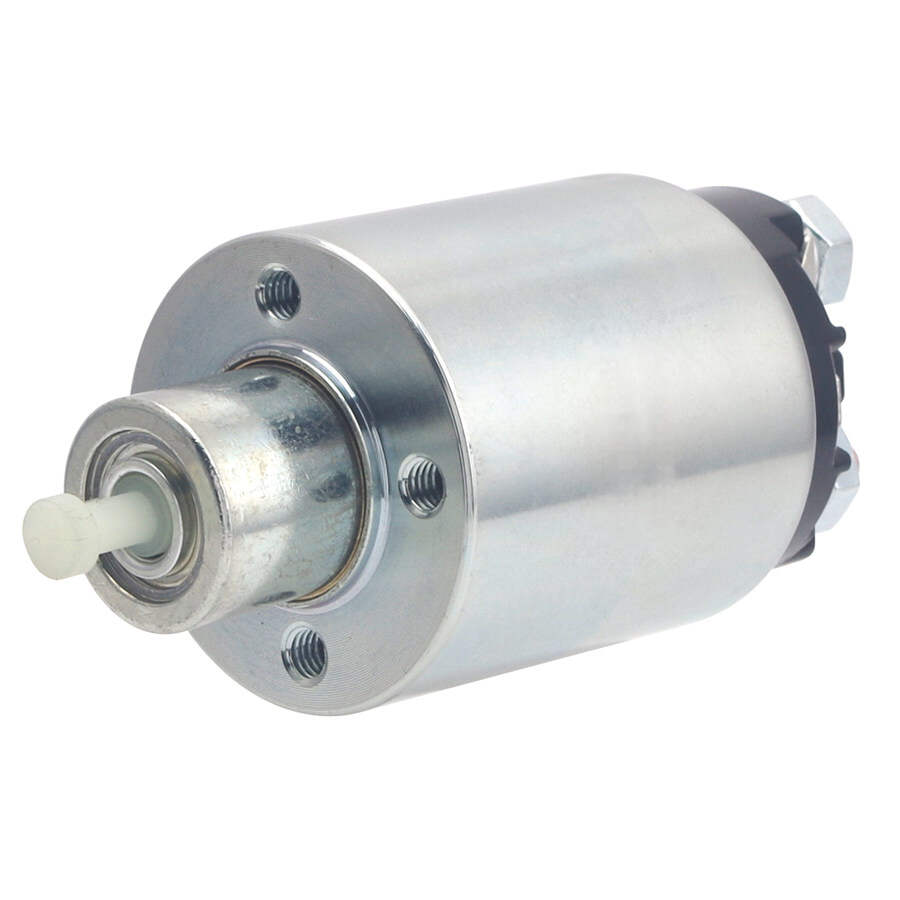
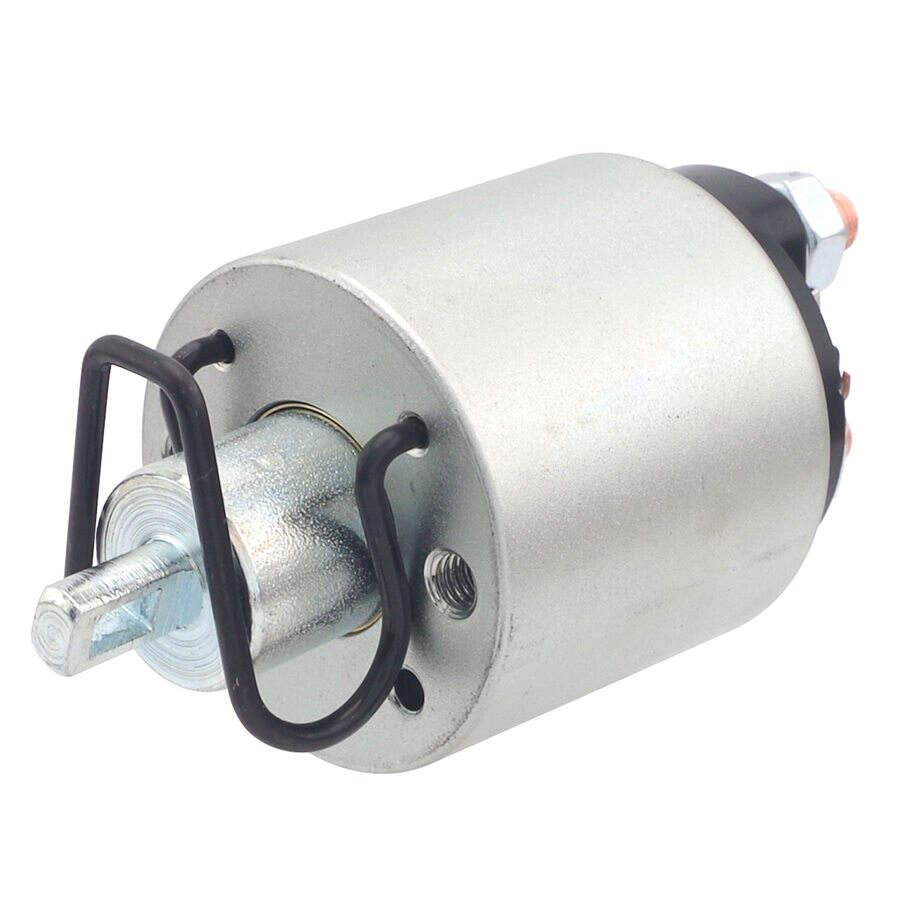
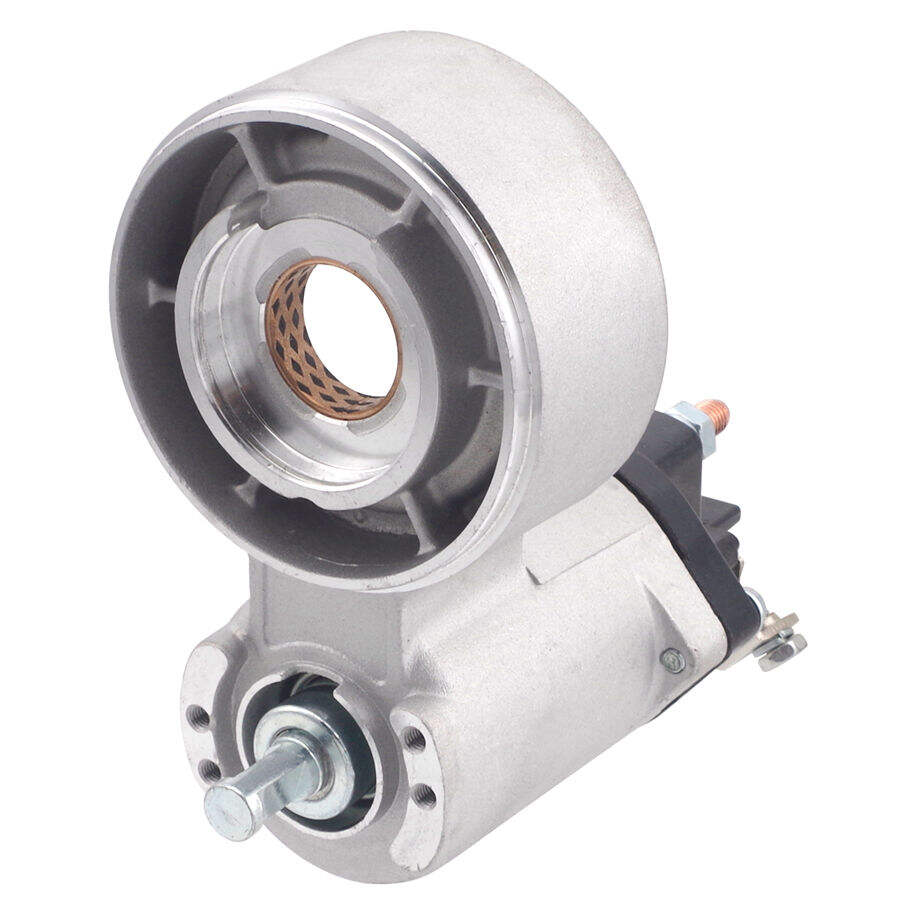
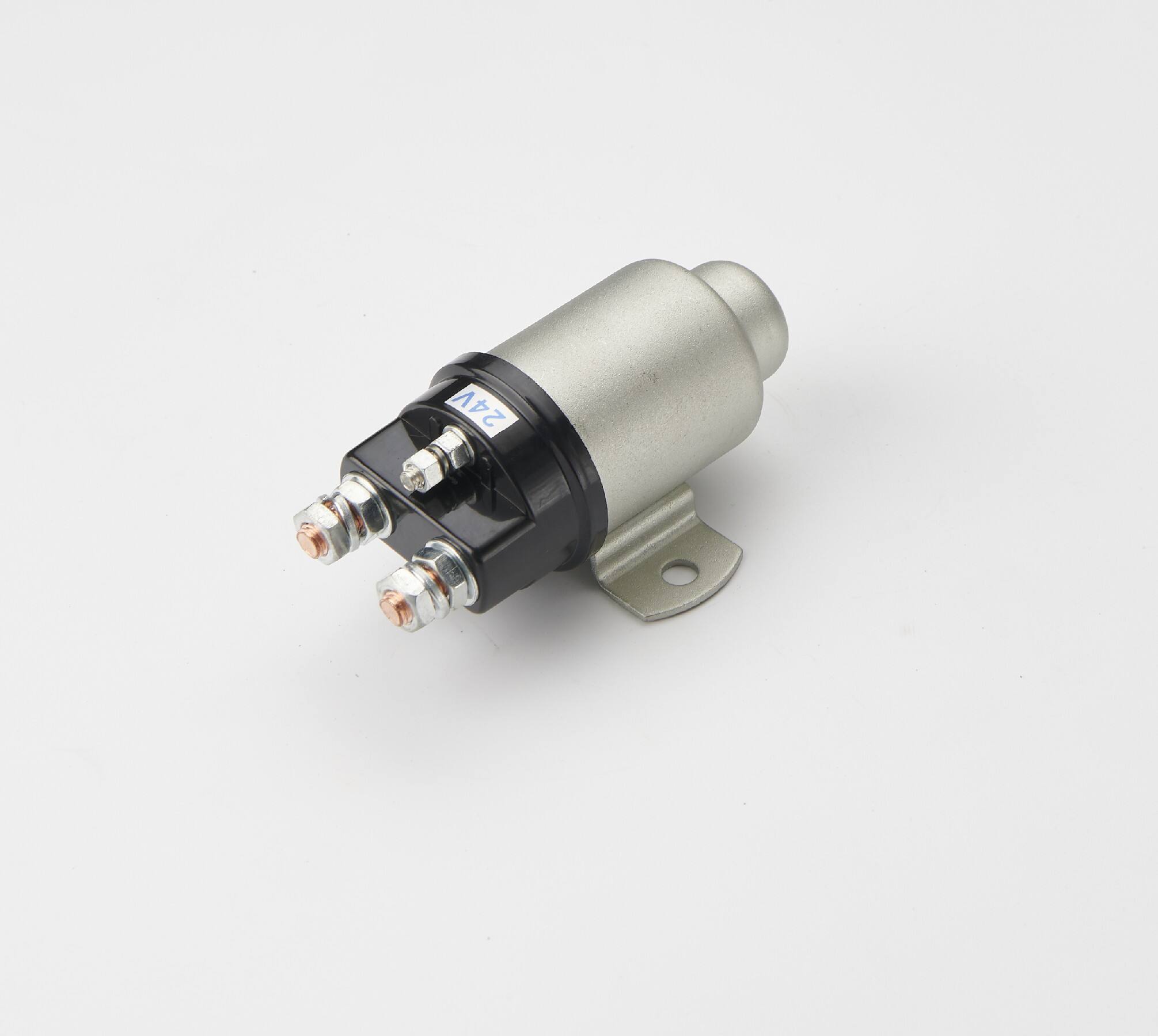
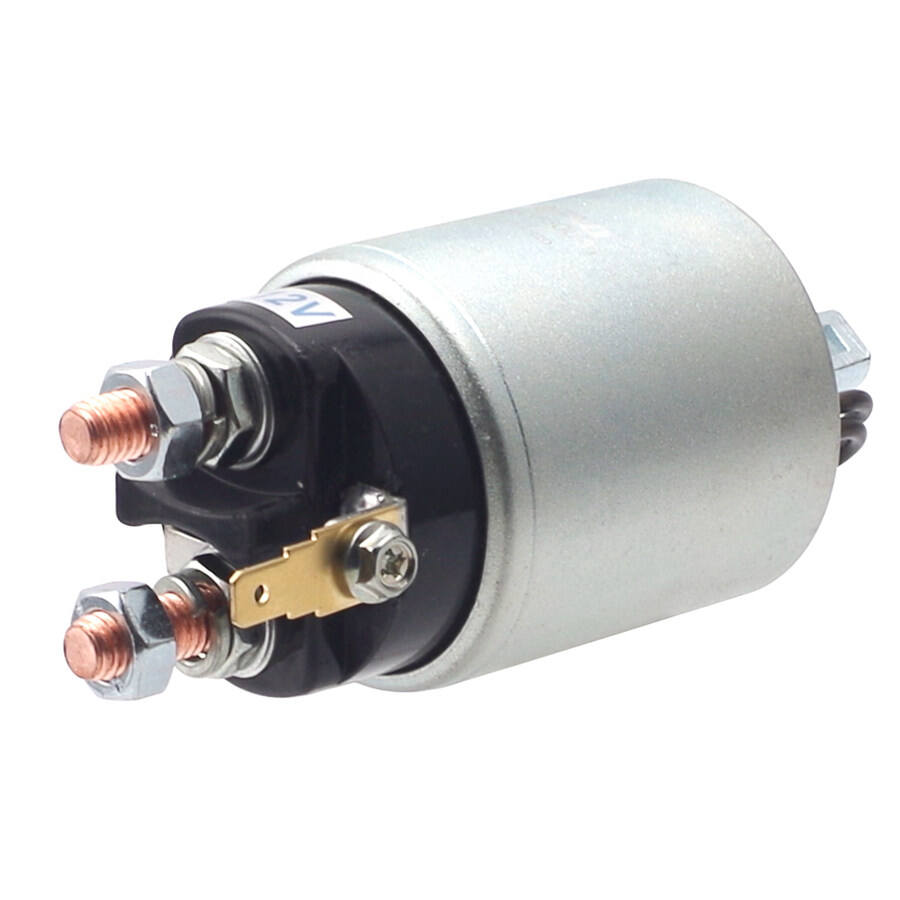
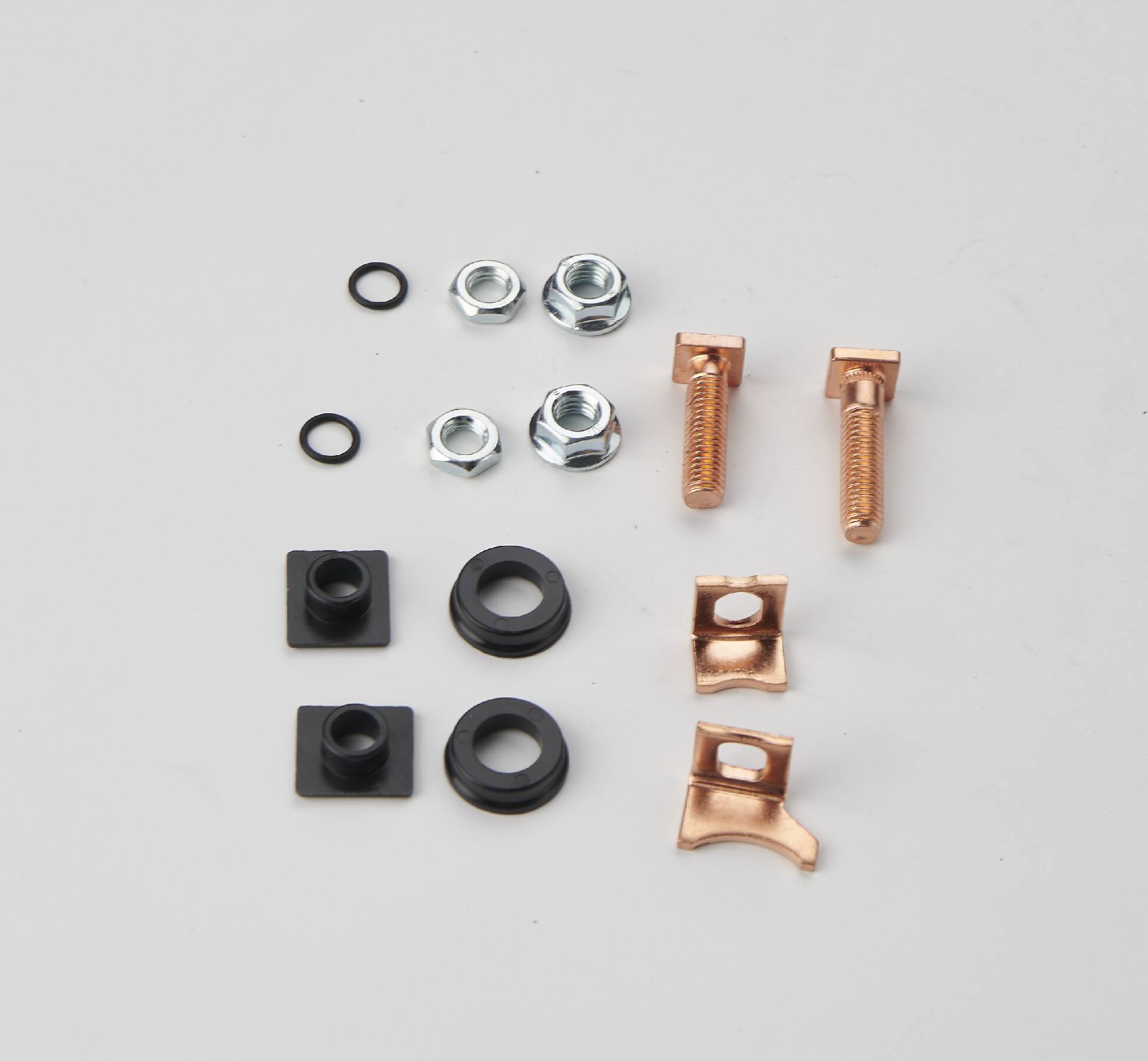
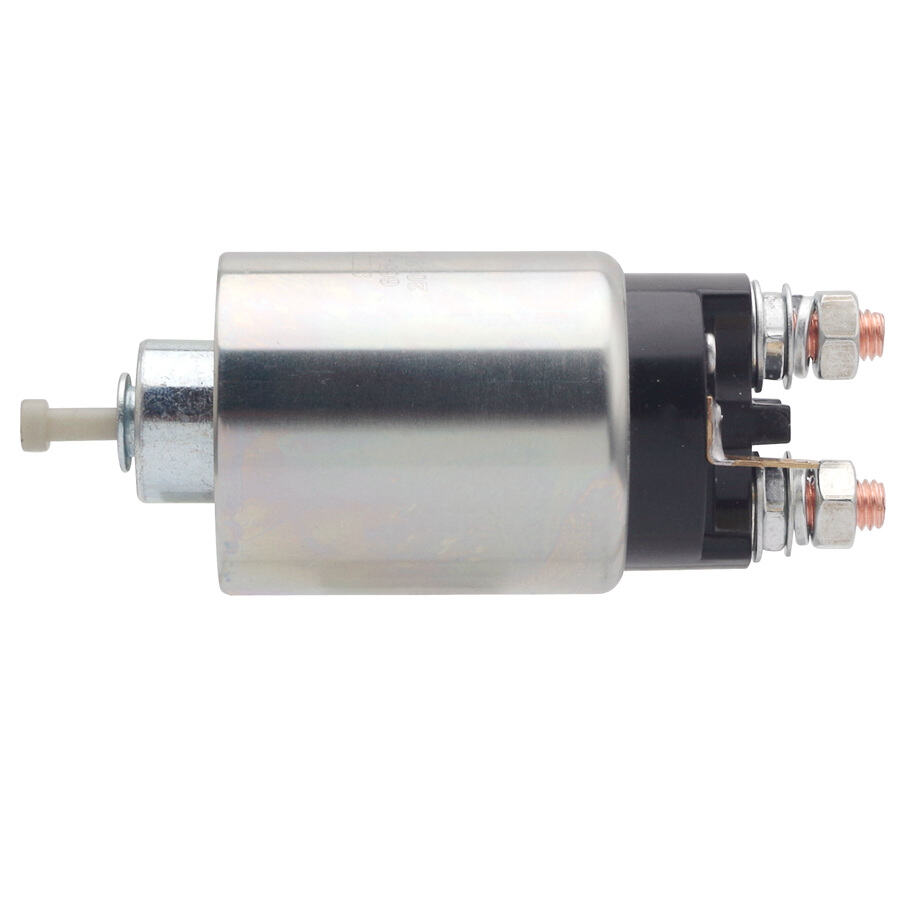
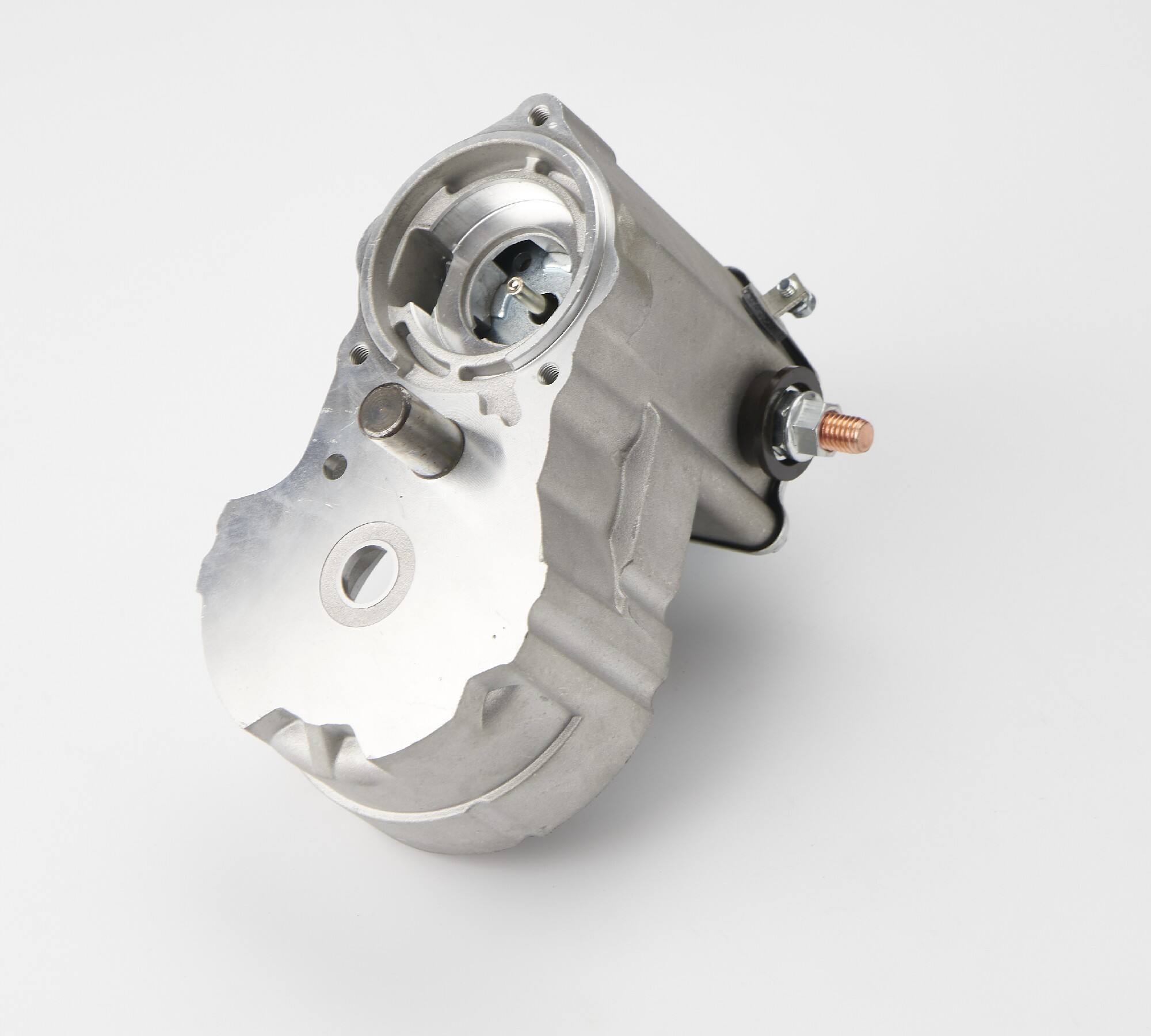
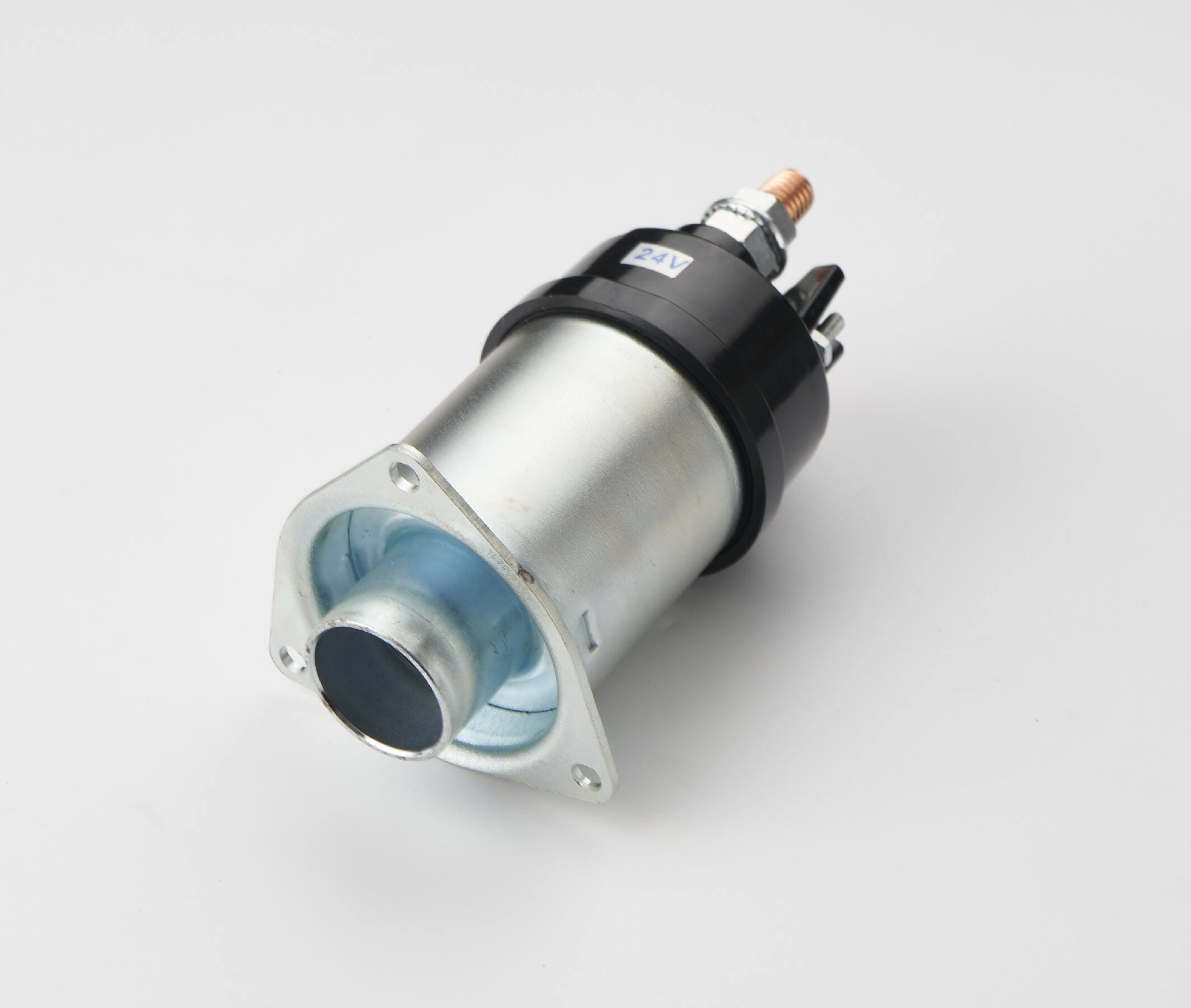
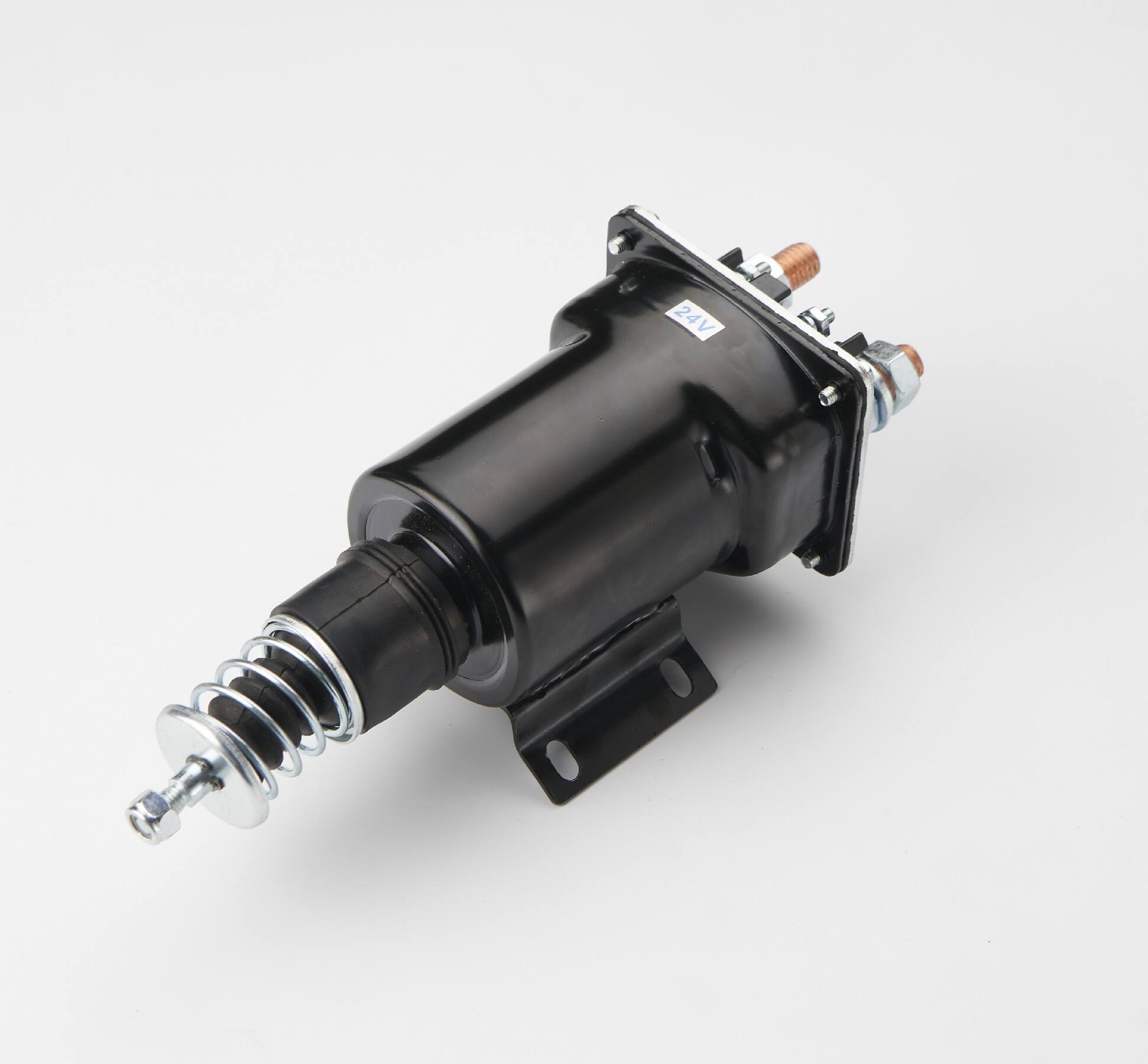
boat motor starter solenoid
The boat motor starter solenoid serves as a critical electrical component that bridges the gap between your boat's ignition system and the engine's starting mechanism. This electromagnetic switch operates by receiving a low-current signal from the ignition key or push-button start system, then activating a high-current circuit that delivers power directly to the starter motor. The boat motor starter solenoid essentially acts as a relay that can handle the substantial electrical load required to crank marine engines, which typically demand significantly more power than standard automotive applications due to the challenging marine environment and engine compression ratios. Modern boat motor starter solenoids incorporate robust construction features including corrosion-resistant housings, sealed electrical connections, and heavy-duty contact points designed to withstand the harsh marine conditions including saltwater exposure, humidity, and temperature fluctuations. The technological architecture includes a magnetic coil that creates an electromagnetic field when energized, pulling a plunger mechanism that closes the main power contacts and simultaneously engages a smaller bypass contact for consistent operation. Advanced boat motor starter solenoid designs feature integrated protection circuits that prevent damage from voltage spikes and electrical surges common in marine electrical systems. The component typically mounts directly to the starter motor or in a nearby accessible location within the engine compartment, connected through marine-grade wiring harnesses that resist degradation from UV exposure and moisture infiltration. Applications span across various vessel types including fishing boats, pleasure craft, sailing yachts with auxiliary engines, commercial vessels, and high-performance marine applications where reliable engine starting remains paramount for safety and operational efficiency. The boat motor starter solenoid ensures consistent engine cranking performance regardless of weather conditions, battery charge levels within acceptable parameters, or extended periods of non-use, making it an indispensable component for dependable marine propulsion systems.
 EN
EN