EN
EN



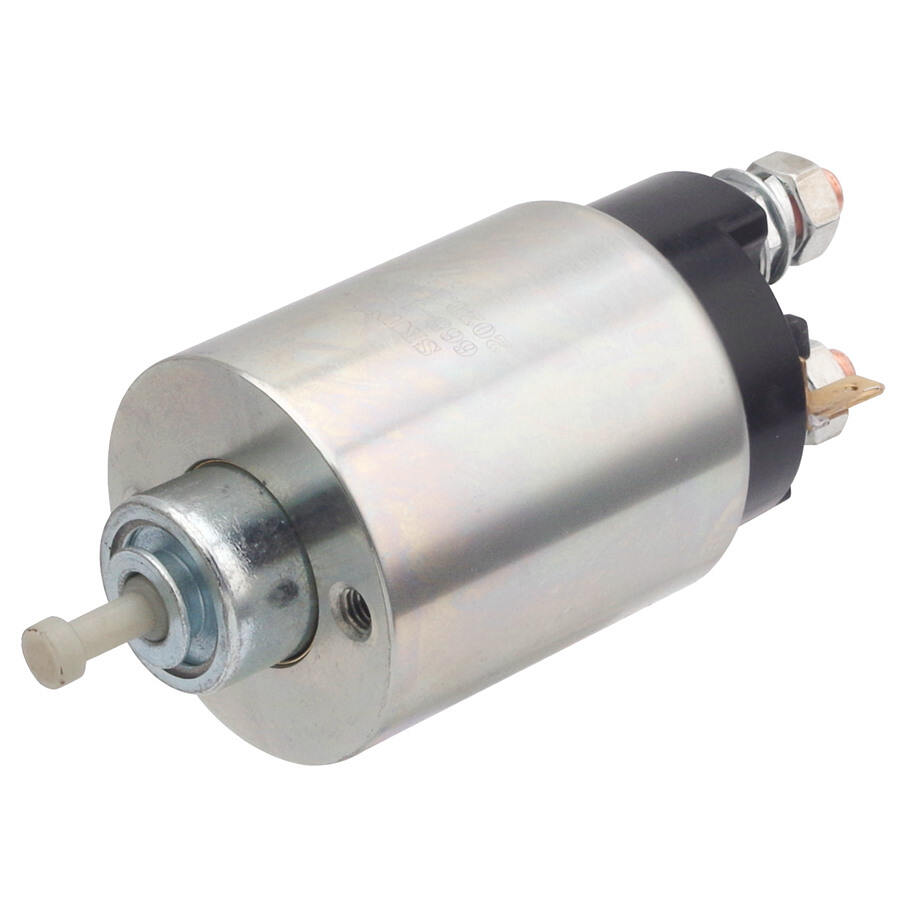
وقتی خودروی فورد شما روشن نمیشود، مشکل ممکن است در یک قطعه کوچک اما حیاتی به نام سولنوئید فورد نهفته باشد. الکترومغناطیس استارت این کلید الکترومغناطیسی نقشی اساسی در سیستم استارت خودروی شما ایفا میکند و جریان برق را از باتری به موتور استارتر کنترل مینماید. درک نحوه عملکرد این قطعه و زمانی که نیاز به تعویض دارد، میتواند شما را از خرابیهای غیرمنتظره و هزینههای سنگین بازنشانی دور نگاه دارد.
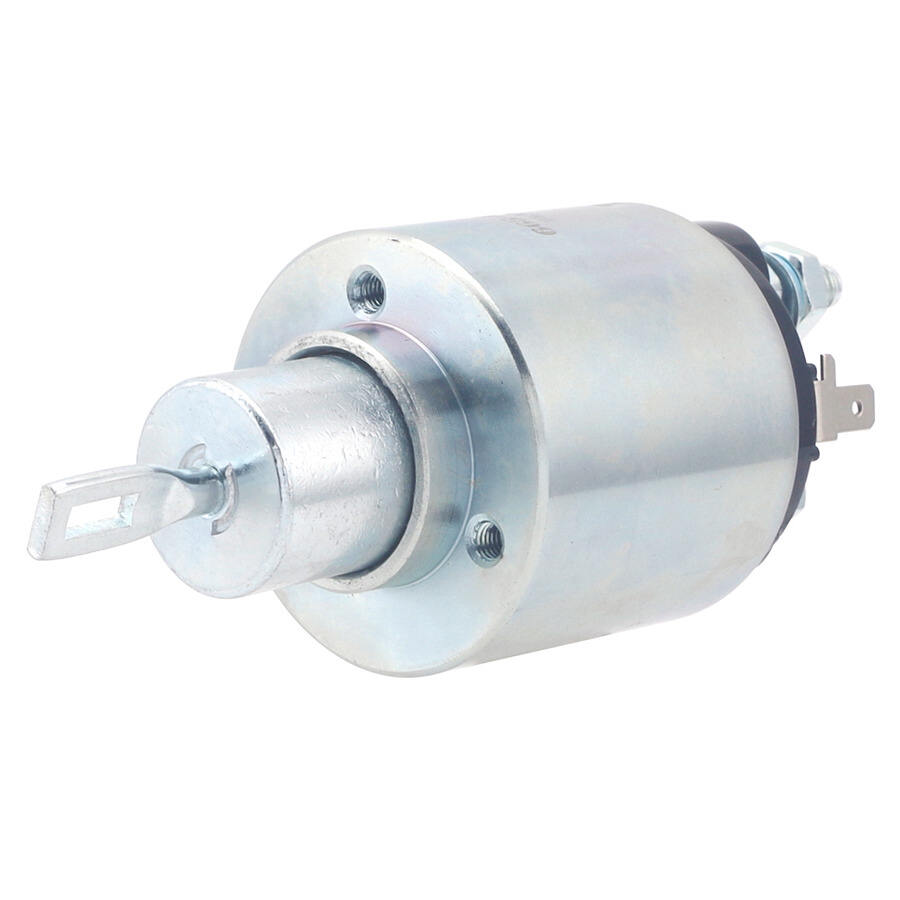
The سولنوئید استارت فورد سولنوئید به عنوان پلی بین سیستم اشتعال و موتور استارتر عمل میکند و بنابراین جزءای ضروری برای عملکرد قابل اعتماد خودرو محسوب میشود. هنگامی که کلید را میچرخانید یا دکمه استارت را فشار میدهید، سولنوئید سیگنالی با ولتاژ پایین از سوی سوئیچ اشتعال دریافت میکند و در پاسخ، مداری با جریان بالا را بسته و توان لازم را به موتور استارتر ارسال مینماید. این فرآیند در عرض چند میلیثانیه انجام میشود؛ اما در صورت خرابی سولنوئید، موتور شما اصلاً چرخشی نخواهد داشت.
مدلهای فورد F-150 و ماستنگ بهطور گستردهای به عملکرد مناسب رله استارت (سولنوئید) وابسته هستند تا عملکردی پایدار از خود نشان دهند. این خودروها معمولاً پس از چند سال کارکرد، بهویژه در شرایط آبوهوایی سخت یا در حالتهای رانندگی مکرر با توقفها و شروعهای متوالی، با مشکلات مربوط به سولنوئید مواجه میشوند. شناسایی بهموقع علائم خرابی سولنوئید استارت فورد میتواند از خرابی کامل سیستم جلوگیری کرده و هزینههای تعمیر را بهطور قابلتوجهی کاهش دهد.
درک عملکرد و طراحی سولنوئید استارت فورد
اصول پایهای عملیات
سولنوئید استارت فورد بر اساس اصول الکترومغناطیسی کار میکند که این اصول در طول دههها در تمامی مدلهای خودرویی فورد بدون تغییر باقی ماندهاند. هنگامی که کلید ا ignition مدار راهاندازی را فعال میکند، مقدار کمی جریان به ترمینال کنترل سولنوئید هدایت میشود. این جریان، سیمپیچ الکترومغناطیسی داخل سولنوئید را فعال میکند و میدان مغناطیسی ایجاد میکند که بهاندازهای قوی است تا دیسک تماس متحرک را به موقعیت مناسب جابهجا کند.
پس از درگیر شدن دیسک تماس، مداری با جریان بالا بین باتری و موتور استارتزن ایجاد میشود. سولنوئید استارت فورد در اصل بهعنوان یک کلید قدرتمند عمل میکند که قادر به تحمل جریان قابل توجهی است که برای چرخاندن موتور شما لازم است. این طراحی امکان میدهد تا یک سوئیچ احتراق نسبتاً کوچک، بار الکتریکی بسیار بزرگتری را کنترل کند بدون اینکه از بابت عبور جریان زیاد از کار بیفتد.
خودروهای مدرن فورد ویژگیهای ایمنی اضافی را در سیستمهای سولنوئید استارت خود ادغام کردهاند تا از درگیر شدن تصادفی آن در حین کار کردن موتور جلوگیری شود. این مکانیزمهای محافظتی اطمینان حاصل میکنند که سولنوئید تنها در صورت برقرار بودن شرایط خاصی (مانند قرار گرفتن گیربکس در حالت پارک یا خلاص) فعال شود.
مشخصات و انواع اجزا
فورد از مشخصات مختلفی برای سولنوئید استارتر فورد استفاده میکند که این مشخصات بسته به اندازه موتور و نیازهای سیستم الکتریکی هر مدل خودرو تعیین میشوند. کامیونهای F-150 معمولاً نیازمند سولنوئیدهای مقاومتری هستند، زیرا موتورهای آنها دارای حجم جابجایی بزرگتر و نسبت تراکم بالاتری هستند. این سولنوئیدهای سنگینوزن دارای تماسدهندههای داخلی تقویتشده و قابلیت پراکندگی حرارت بهبودیافتهای هستند تا بتوانند نیازهای الکتریکی افزایشیافته را تحمل کنند.
مدلهای ماستنگ اغلب از طراحیهای فشردهتری برای سولنوئید استارتر فورد استفاده میکنند که با وجود ابعاد کوچکتر، همچنان عملکرد قابل اعتمادی ارائه میدهند و در فضای محدودتر موتورخانه جای میگیرند. علیرغم ابعاد کوچکتر، این سولنوئیدها همان اصول اساسی عملکردی را حفظ میکنند و توان راهاندازی پایداری را برای کاربردهای با عملکرد بالا فراهم میسازند.
مقادیر الکتریکی سولنوئیدهای استارتدهنده فورد بهطور قابلتوجهی بسته به نیازهای کاربردی متفاوت است. در کاربردهای استاندارد خودروهای سواری، معمولاً از سولنوئیدهایی با رتبهبندی ۱۵۰ تا ۲۰۰ آمپر استفاده میشود، در حالی که کاربردهای کامیونهای سنگین ممکن است نیازمند واحدهایی با قابلیت تحمل ۳۰۰ آمپر یا بیشتر باشند. درک این مشخصات به انتخاب صحیح قطعه جایگزین در طول رویههای نگهداری کمک میکند.
علائم شایع خرابی سولنوئید استارتدهنده فورد
علائم هشداردهنده سیستم الکتریکی
سولنوئید خراب شده استارتدهنده فورد اغلب علائم الکتریکی متمایزی ایجاد میکند که تکنسینهای با تجربه میتوانند بهسرعت آنها را شناسایی کنند. رایجترین نشانه، صدای کلیک کردن در هنگام تلاش برای راهاندازی خودرو است که زمانی رخ میدهد که سولنوئید سعی در درگیر شدن دارد اما به دلیل سایش قطعات داخلی نمیتواند تماس مناسب را حفظ کند. این صدای کلیک ممکن است سریع و تکرارشونده باشد یا بهصورت کلیکهای منفرد در هر تلاش برای راهاندازی ایجاد شود.
مشکلات راهاندازی متناوب نیز علامت کلاسیک دیگری از فرسایش سلونوئید استارت فورد هستند. در برخی موارد خودرو بهطور طبیعی روشن میشود، اما در موارد دیگر پاسخی نمیدهد؛ بهویژه در شرایط آب و هوای سرد که مقاومت الکتریکی در سراسر سیستم استارت افزایش مییابد. این رفتار نامنظم اغلب با گذشت زمان و تخریب بیشتر تماسهای داخلی بدتر میشود.
چراغهای هشدار صفحهنمایش (داشبورد) نیز ممکن است هنگام آغاز خرابی سلونوئید استارت فورد روشن شوند. خودروهای مدرن فورد عملکرد سیستم استارت را پایش میکنند و میتوانند الگوهای الکتریکی غیرطبیعی را تشخیص دهند که نشاندهندهٔ مشکلات سلونوئید هستند. این سیستمهای هشدار به رانندگان کمک میکنند تا پیش از وقوع خرابی کامل سیستم، مشکلات احتمالی را شناسایی کنند.
نشانگرهای عملکرد فیزیکی
فراتر از علائم الکتریکی، خرابی سولنوئید استارتر فورد میتواند باعث تغییرات قابلمشاهدهای در رفتار روشنشدن موتور شود. موتور استارتر ممکن است فعال شود اما موتور را بسیار کند بچرخاند، که نشاندهندهی این است که سولنوئید جریان کافی به موتور ارسال نمیکند. این علامت هنگامی که ولتاژ باتری کاهش مییابد یا دمای محیطی کاهش مییابد، بیشتر مشهود میشود.
مشکلات روشنشدن مرتبط با گرما اغلب نشاندهندهی ایرادات سولنوئید استارتر فورد هستند، بهویژه در کاربردهای پرقدرت یا وسایل نقلیهای که در آبوهوای شدید بهکار میروند. سولنوئید ممکن است هنگام سرد بودن بهدرستی کار کند اما پس از رسیدن موتور به دمای کاری، عملکرد خود را از دست بدهد؛ که این امر نشاندهندهی انبساط اجزای داخلی فراتر از تلرانسهای مجاز است.
شکست کامل سیستم استارت، مرحله نهایی تخریب سولنوئید استارت فورد را نشان میدهد. در این مرحله، هنگام فعالسازی سوئیچ ا ignition هیچ فعالیت الکتریکیای رخ نمیدهد و خودرو از طریق روشهای عادی قابل روشنکردن نیست. روشهای اضطراری ممکن است بهصورت موقت عملکرد را بازگردانند، اما تعمیر دائمی نیازمند تعویض سولنوئید است.
فرآیند تعویض سولنوئید استارت فورد، مرحلهبهمرحله
آمادهسازی و رویههای ایمنی
تعویض سولنوئید استارت فورد نیازمند آمادهسازی دقیق است تا ایمنی تکنسین تضمین شده و از آسیبدیدن قطعات اطراف جلوگیری گردد. ابتدا ترمینال منفی باتری را جدا کرده و آن را دور از پایه باتری محکم نگه دارید تا احتمال هرگونه تماس الکتریکی اتفاقی از بین برود. اگر موتور اخیراً در حال کار بوده است، اجازه دهید کاملاً خنک شود، زیرا قطعات استارت میتوانند گرمای قابل توجهی را حفظ کنند.
قبل از شروع فرآیند تعویض، ابزارهای لازم، از جمله آچارهای مناسب، پیچگوشتیها و تجهیزات ایمنی را آماده کنید. سولنوئید استارت فورد تعویض معمولاً نیازمند ابزارهای دستی پایه است، اما برخی کاربردها ممکن است به تجهیزات تخصصی برای دسترسی به قطعات در فضاهای باریک نیاز داشته باشند.
پیکربندی سیمکشی موجود را با گرفتن عکس یا یادداشتبرداری دقیق قبل از قطع هرگونه اتصال الکتریکی مستند کنید. این مستندات در زمان مونتاژ مجدد بسیار ارزشمند بوده و از وقوع خطاهای سیمکشی که ممکن است باعث آسیب به سولنوئید جدید یا سایر قطعات الکتریکی شوند، جلوگیری میکند.
روشهای بازداشتن و نصب
سولنوئید استارت فورد را پیدا کنید که معمولاً روی قسمت بالایی مجموعه موتور استارت نصب شده است. اتصالات الکتریکی را با دقت باز کنید و موقعیت آنها را یادداشت کنید و از ابزارهای مناسب برای جلوگیری از آسیب به ترمینالها استفاده نمایید. قبل از انجام نصب، هرگونه خوردگی موجود روی نقاط اتصال را با حلالها و برسهای سیمی مناسب پاک کنید.
پیچهای نصب را که سولنوئید استارتِ قدیمی فورد را به پوسته موتور استارت محکم میکنند، باز کنید. دسترسی به این پیچها بسته به پیکربندی خودرو ممکن است دشوار باشد؛ بنابراین صبر و روشنایی مناسب برای بازکردن موفقیتآمیز آنها ضروری است. سطوح نصب را از نظر علائم آسیب یا سایش بیش از حد بررسی کنید، زیرا این موارد ممکن است عملکرد سولنوئید جدید را تحت تأثیر قرار دهند.
سولنوئید استارت جدید فورد را با معکوس کردن مراحل بازکردن نصب کنید و اطمینان حاصل کنید که تمام اتصالات الکتریکی تمیز و محکم هستند. لایهای نازک گریس دیالکتریک را روی ترمینالها اعمال کنید تا از خوردگی آینده جلوگیری شده و هدایت الکتریکی بهبود یابد. تمام قطعات نصب را با گشتاور مشخصشده توسط سازنده تنظیم کنید تا درزبندی مناسب و استحکام مکانیکی تضمین شود.
ملاحظات خاص جایگزینی برای فورد F-150
تفاوتهای سال مدل
کامیونهای فورد F-150 در طول سالها تغییرات طراحی قابل توجهی را پشت سر گذاشتهاند که بر روی روشهای تعویض سلونوئید استارتِ فورد و مشخصات قطعات تأثیر گذاشته است. مدلهای قدیمیتر معمولاً محل نصب سلونوئید را در دسترستری فراهم میکنند، در حالی که در کامیونهای جدیدتر ممکن است برای دسترسی به سیستم استارت، برداشتن اجزای اضافی نیز لازم باشد. درک این تفاوتها به تکنسینها کمک میکند تا استراتژیهای تعمیر مناسب را برنامهریزی کنند و زمان تکمیل کار را بهدرستی برآورد نمایند.
گزینههای بستهبندی موتور تأثیر قابل توجهی بر نیازهای سلونوئید استارت فورد در کاربردهای F-150 دارند. موتورهای V6 مدل پایه از مشخصات سلونوئید متفاوتی نسبت به نسخههای پرتوان V8 استفاده میکنند و کاربردهای موتور دیزل به اجزاء سنگینتری نیاز دارند که بتوانند بار الکتریکی افزایشیافته را تحمل کنند. همیشه شماره قطعات را با پیکربندی دقیق موتور مقایسه کنید تا از انطباق صحیح و عملکرد مناسب اطمینان حاصل شود.
نوع گیربکس بر روی روشهای نصب سولنوئید استارت فورد در برخی از تنظیمات مدل F-150 تأثیر میگذارد. مدلهای دارای گیربکس دستی ممکن است دسترسی آسانتری به اجزای سیستم استارت فراهم کنند، در حالی که نسخههای مجهز به گیربکس خودکار ممکن است برای دسترسی به محل نصب سولنوئید، مراحل اضافیتری را لازم داشته باشند. هنگام برنامهریزی کارهای تعمیر و برآورد نیروی کار مورد نیاز، این عوامل را در نظر بگیرید.
نکات بهینهسازی عملکرد
بهینهسازی عملکرد سولنوئید استارت فورد در کاربردهای F-150 مستلزم توجه به نگهداری سیستم الکتریکی فراتر از جایگزینی سادهٔ قطعه است. اتصالات باتری را بهطور منظم تمیز کنید و محکم نگه دارید تا جریان حداکثری به سیستم استارت انتقال یابد. اتصالات الکتریکی ضعیف میتوانند باعث خرابی زودهنگام سولنوئید شوند، زیرا این قطعه را مجبور میکنند در شرایط غیرایدهآل کار کند.
شرایط باتری بهطور مستقیم بر دوام و عملکرد سولنوئید استارت فورد در کاربردهای کامیونهای سنگین تأثیر میگذارد. باتریهای ضعیف باعث میشوند سولنوئید در هر چرخه راهاندازی بیشتر و طولانیتر کار کند که این امر سایش تماسهای داخلی را تسریع کرده و عمر خدماتی آن را کاهش میدهد. برای حفظ باتریها در بهترین شرایط، آزمایشهای منظم و تعویض بهموقع آنها در صورت کاهش ظرفیت زیر سطح قابل قبول انجام شود.
عوامل محیطی نقش مهمی در قابلیت اطمینان سولنوئید استارت فورد برای صاحبان F-150 که از کامیونهای خود در شرایط طاقتفرسا استفاده میکنند، ایفا میکنند. برای محافظت از اتصالات الکتریکی در برابر رطوبت و مواد خورنده، از آببندها و پوششهای محافظ مناسب استفاده کنید. بازرسی و نگهداری منظم این اقدامات محافظتی به جلوگیری از خرابی زودهنگام قطعات کمک میکند.
راهنمای تعویض سولنوئید استارت فورد ماستنگ
ملاحظات مربوط به عملکرد بالا
مالکان فورد ماستن اغلب وسایل نقلیه خود را برای بهبود عملکرد اصلاح میکنند که این امر میتواند بر نیازها و رویههای جایگزینی سلونوئید استارت فورد تأثیر بگذارد. موتورهای با نسبت تراکم بالا و شافتهای کام پرفورمنس، بار کرانکینگ را افزایش داده و ممکن است سلونوئیدهای ارتقاءیافتهای را که قادر به تحمل بارهای الکتریکی اضافی هستند، مورد نیاز قرار دهند. هنگام جایگزینی سلونوئیدها در کاربردهای اصلاحشده ماستن، کل سیستم استارت را ارزیابی کنید.
عملکرد در آب و هوای سرد بهویژه برای قابلیت اطمینان سلونوئید استارت فورد در کاربردهای ماستن اهمیت زیادی دارد، بهویژه برای وسایل نقلیهای که مجهز به گیربکس دستی هستند. ترکیب افزایش ویسکوزیته روغن موتور و درگیر شدن کلاچ میتواند شرایط راهاندازی چالشبرانگیزی ایجاد کند که اجزای سلونوئید را فراتر از پارامترهای عملیاتی عادی تحت تنش قرار میدهد.
کاربردهای رقابتی به دلیل چرخههای راهاندازی مکرر و دمای کاری بالا، نیازمندیهای شدیدی از قطعات سولنوئید استارت فورد ایجاد میکنند. هنگام ساخت ماستنگهایی که برای رقابت طراحی شدهاند، در نظر بگیرید که به سولنوئیدهای سنگینوزن طراحیشده برای استفاده رقابتی ارتقا دهید، زیرا قطعات استاندارد ممکن است در برابر سختیهای استفاده در مسیر رقابت مقاومت نکنند.
چالشهای فضایی و دسترسی
معمولاً موتورخانههای ماستنگ فضای کاری کمتری نسبت به کامیونهای F-150 ارائه میدهند؛ بنابراین تعویض سولنوئید استارت فورد از نظر دسترسی دشوارتر است. ترتیب بازکردن قطعات را بهدقت برنامهریزی کنید تا از آشفتگی غیرضروری سایر اجزا جلوگیری شود و در عین حال دسترسی به مجموعه استارت فراهم گردد. استفاده از ابزارهای افزایشی مناسب و چیدمان انعطافپذیر اهرمها و سوکتها میتواند فرآیند تعویض را بهطور قابلتوجهی سادهتر کند.
لولههای سیستم تهویه مطبوع و سایر اجزای کمکی ممکن است در برخی پیکربندیهای موستنگ، دسترسی به سلونوئید استارت فورد را مختل کنند. هرگز این اجزا را با زور جابهجا نکنید یا از اهرمهای بیش از حد استفاده نکنید، زیرا این کار ممکن است به سیستمهای اطراف آسیب برساند. بلکه ابتدا اجزایی را که نیازمند بازنشانی موقت یا جابهجایی هستند، شناسایی کنید تا تعمیر بهصورت ایمن و کارآمد انجام شود.
مسیریابی سیستم اگزوز ممکن است جایگزینی سلونوئید استارت فورد را در کاربردهای عملکردی موستنگ پیچیده کند، بهویژه در مواردی که از سردرهای بعد از ساخت یا اجزای اگزوز اصلاحشده استفاده شده است. قبل از انجام تعمیرات، زمان کافی برای خنکشدن سیستم را در نظر بگیرید و در صورت کار نزدیک به اجزای داغ اگزوز، از تجهیزات محافظتی مقاوم در برابر حرارت استفاده کنید.
روشهای عیبیابی و تشخیص
روشهای آزمون الکتریکی
تشخیص صحیح مشکلات سولنوئید استارت فورد نیازمند آزمونهای الکتریکی سیستماتیک برای شناسایی علت اصلی خرابیهای سیستم استارت است. ابتدا ارزیابی باتری و سیستم شارژ را انجام دهید تا از تأمین مناسب توان به مدار استارت اطمینان حاصل شود. باتری ضعیف یا آلترناتور معیوب میتوانند علائمی ایجاد کنند که شبیه خرابی سولنوئید هستند، اما روشهای تعمیر متفاوتی را میطلبد.
از یک مولتیمتر دیجیتال برای اندازهگیری افت ولتاژ در سولنوئید استارت فورد در حین تلاشهای چرخش موتور (کرانکینگ) استفاده کنید. افت ولتاژ بیش از حد نشاندهنده مقاومت بالا در تماسهای سولنوئید است که جایگزینی آن را تأیید میکند. این روش آزمون، شواهد قطعی از خرابی قطعه ارائه میدهد و به توجیه توصیههای تعمیر به صاحبان وسیله نقلیه کمک میکند.
آزمون جریان مصرفی به شناسایی مشکلات سولنوئید استارت فورد کمک میکند که ممکن است از طریق اندازهگیریهای ولتاژ به تنهایی آشکار نشوند. یک سولنوئید معیوب ممکن است در آزمونهای ولتاژ موفق عمل کند، اما ویژگیهای جریان غیرطبیعی نشان دهد که عملکرد سیستم استارت را تحت تأثیر قرار میدهد. تجهیزات حرفهای آزمون، دقت لازم برای تشخیص دقیق در سیستمهای الکتریکی پیچیده را فراهم میکنند.
روشهای پیشرفته تشخیص
آزمون اسیلوسکوپ اطلاعات دقیقی درباره عملکرد سولنوئید استارت فورد ارائه میدهد که از طریق روشهای آزمون معمولی قابل تشخیص نیستند. این روشهای تشخیص پیشرفته زمانبندی دقیق و ویژگیهای درگیرشدن سولنوئید را نشان میدهند و به شناسایی مشکلات متغیر که تنها در شرایط خاص کاری رخ میدهند، کمک میکنند.
آزمونهای چرخهای دما به تشخیص خرابیهای رله استارت فورد مرتبط با گرما کمک میکنند که تنها پس از رسیدن موتور به دمای کاری رخ میدهند. با نظارت بر عملکرد رله استارت در محدودهای از دماها، تکنسینها میتوانند قطعاتی را شناسایی کنند که به دلیل انبساط حرارتی یا تغییرات مقاومت ناشی از گرما دچار خرابی میشوند.
آزمون بار، شرایط عملیاتی واقعی را شبیهسازی میکند تا عملکرد رله استارت فورد را تحت تنش ارزیابی کند. این روش آزمون مشکلاتی را آشکار میسازد که ممکن است در حین آزمون روی میز (bench testing) مشاهده نشوند، اما هنگامی که قطعه در شرایط واقعی خودرو و بارهای الکتریکی واقعی کار میکند، آشکار میگردند.
سوالات متداول
معمولاً عمر رله استارت فورد چقدر است؟
سولنوئید استارتر فورد معمولاً در شرایط عادی کارکرد بین ۱۰۰٬۰۰۰ تا ۱۵۰٬۰۰۰ مایل طول میکشد، هرچند این مدت ممکن است بهطور قابلتوجهی بر اساس عادات رانندگی، آبوهوای منطقه و رویههای نگهداری متفاوت باشد. خودروهایی که در دماهای بسیار بالا یا پایین کار میکنند یا تحت چرخههای متعدد روشنشدن و خاموششدن قرار دارند، ممکن است عمر کوتاهتری برای سولنوئید خود تجربه کنند؛ در مقابل، خودروهایی که بهخوبی نگهداری میشوند و عمدتاً در جادههای اصلی رانده میشوند، اغلب این محدودهٔ مسافتی را فراتر میبرند. نگهداری منظم سیستم الکتریکی و پاسخسریع به مشکلات روشنشدن میتواند عمر خدماتی سولنوئید را بهطور قابلتوجهی افزایش دهد.
آیا میتوانم سولنوئید استارتر فورد را خودم تعویض کنم؟
تعویض سولنوئید استارتر فورد در قابلیتهای اکثر افرادی که از نظر مکانیکی ماهر هستند و دارای تجربه پایهای در تعمیرات خودرو و ابزارهای مناسب میباشند، قرار دارد. این روش معمولاً شامل قطع کابلهای باتری، برداشتن اتصالات الکتریکی و بازکردن پیچهای سولنوئید قدیمی قبل از نصب واحد جایگزین است. با این حال، باید اقدامات ایمنی مناسب رعایت شود، از جمله قطع باتری و اجازه دادن زمان کافی برای خنکشدن. در صورتی که احساس ناراحتی در کار با قطعات الکتریکی دارید یا تجربهای در تعمیرات خودرو ندارید، نصب توسط متخصص توصیه میشود تا از آسیبهای احتمالی یا خطرات ایمنی جلوگیری شود.
علتهای شکست زودرس سولنوئید استارتر فورد چیست؟
عوامل متعددی میتوانند باعث خرابی زودرس سولنوئید استارت فورد شوند، از جمله باتریهای ضعیف که در هر دوره راهاندازی، سولنوئید را مجبور به انجام کار بیشتری میکنند، اتصالات الکتریکی خوردهشده که مقاومت بسیار بالایی ایجاد میکنند و شرایط دمایی شدید که بر اجزای داخلی فشار وارد میآورند. نگهداری نامناسب از سیستم الکتریکی، مانند اجازه دادن به خوردگی ترمینالهای باتری یا صرفنظر کردن از مشکلات سیستم شارژ، عمر سولنوئید را بهطور قابلتوجهی کاهش میدهد. علاوهبراین، تلاشهای مکرر برای راهاندازی بدون اینکه به سولنوئید فرصت سرد شدن بین دورهها داده شود، میتواند منجر به گرمشدن بیش از حد و سایش شتابدار تماسهای داخلی شود.
هزینه تعویض سولنوئید استارت فورد چقدر است؟
هزینه تعویض سولنوئید استارتر فورد بستگی به مدل خودرو، کیفیت قطعه و اینکه آیا شما خودتان این کار را انجام میدهید یا از یک متخصص استخدام میکنید، دارد. خود قطعه سولنوئید معمولاً برای قطعات استاندارد جایگزینی بین ۱۵ تا ۵۰ دلار هزینه دارد، در حالی که واحدهای پремیوم یا سنگینوزن ممکن است ۷۵ تا ۱۰۰ دلار هزینه داشته باشند. نصب حرفهای ۱۰۰ تا ۲۰۰ دلار هزینه کارگری اضافه میکند که این مقدار بستگی به دسترسی به قطعه و نرخهای محلی تعمیرگاه دارد. جایگزینی خودکار (DIY) میتواند صرفهجویی قابل توجهی در هزینههای کارگری ایجاد کند، اما مطمئن شوید که ابزارهای لازم و تجربه کافی برای انجام صحیح و ایمن این کار را دارید.