3 post starter solenoid
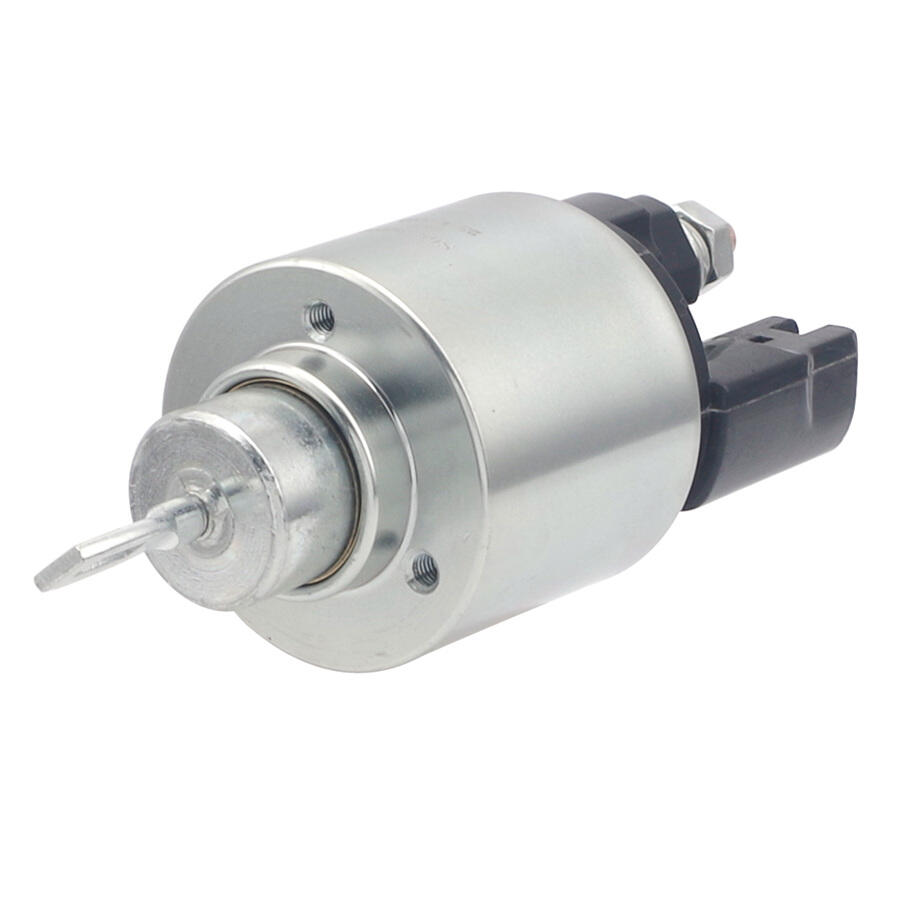
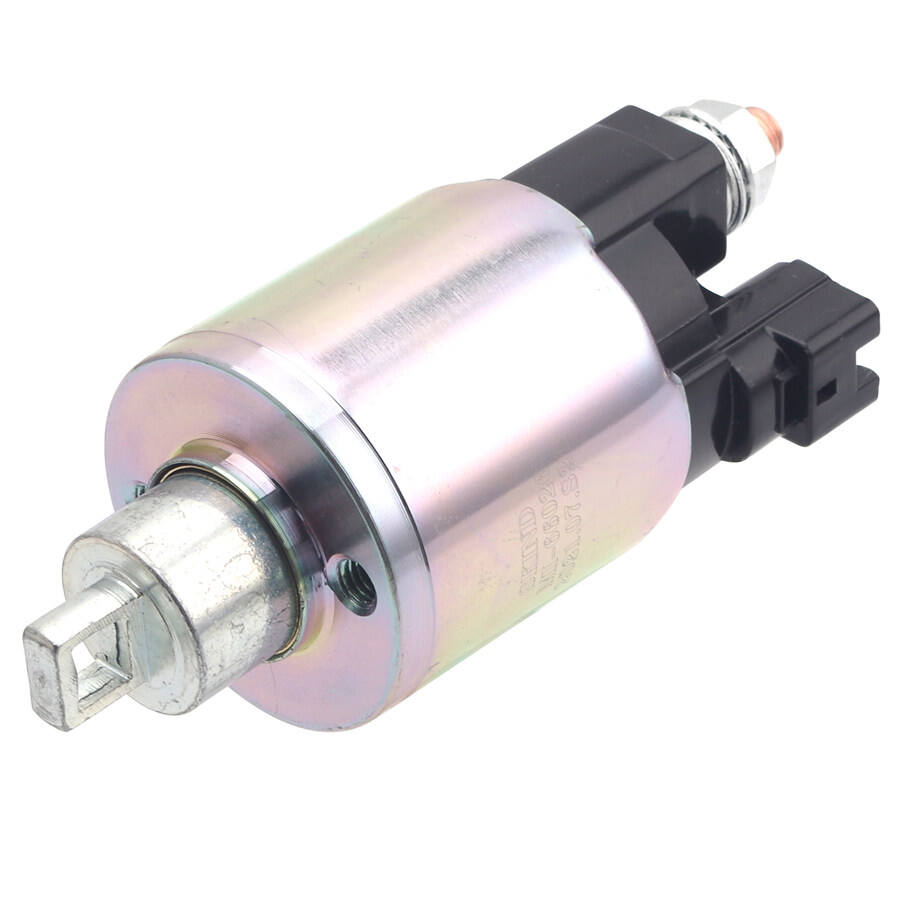
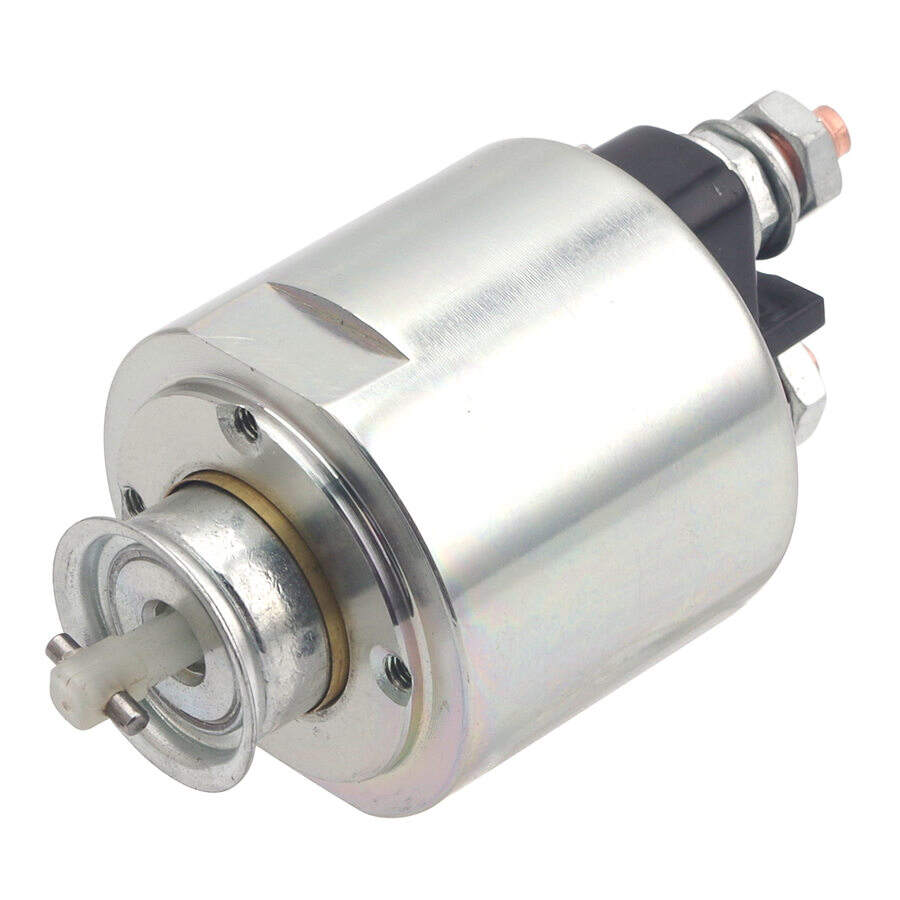
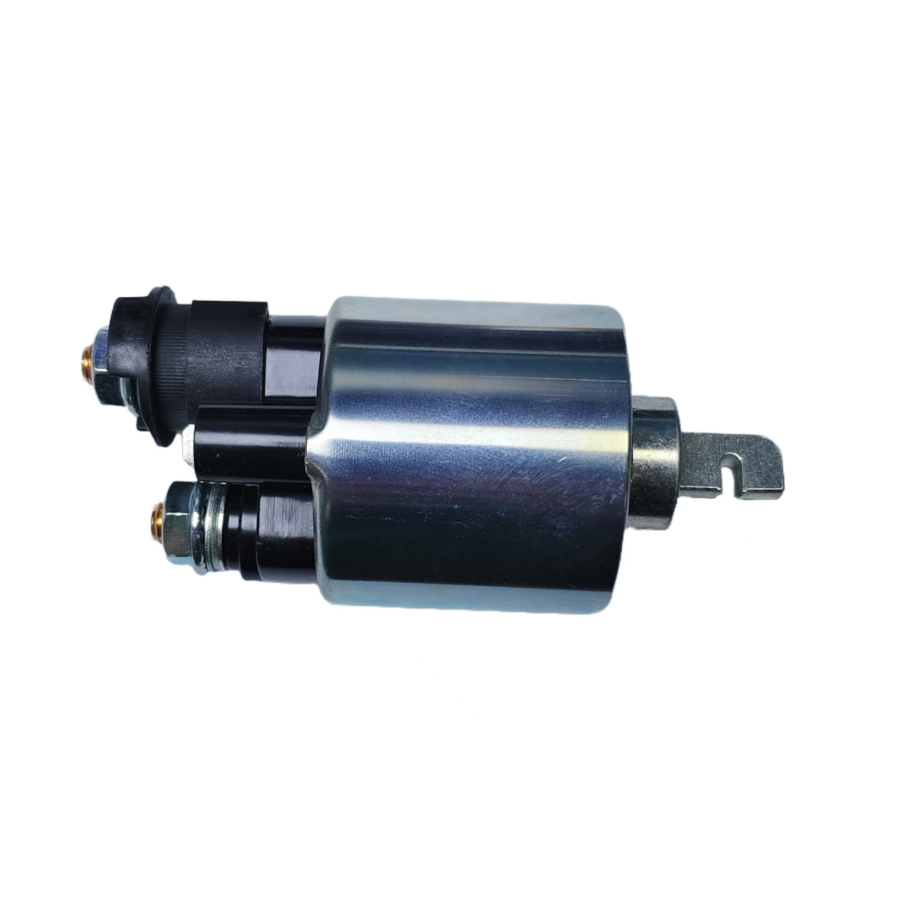
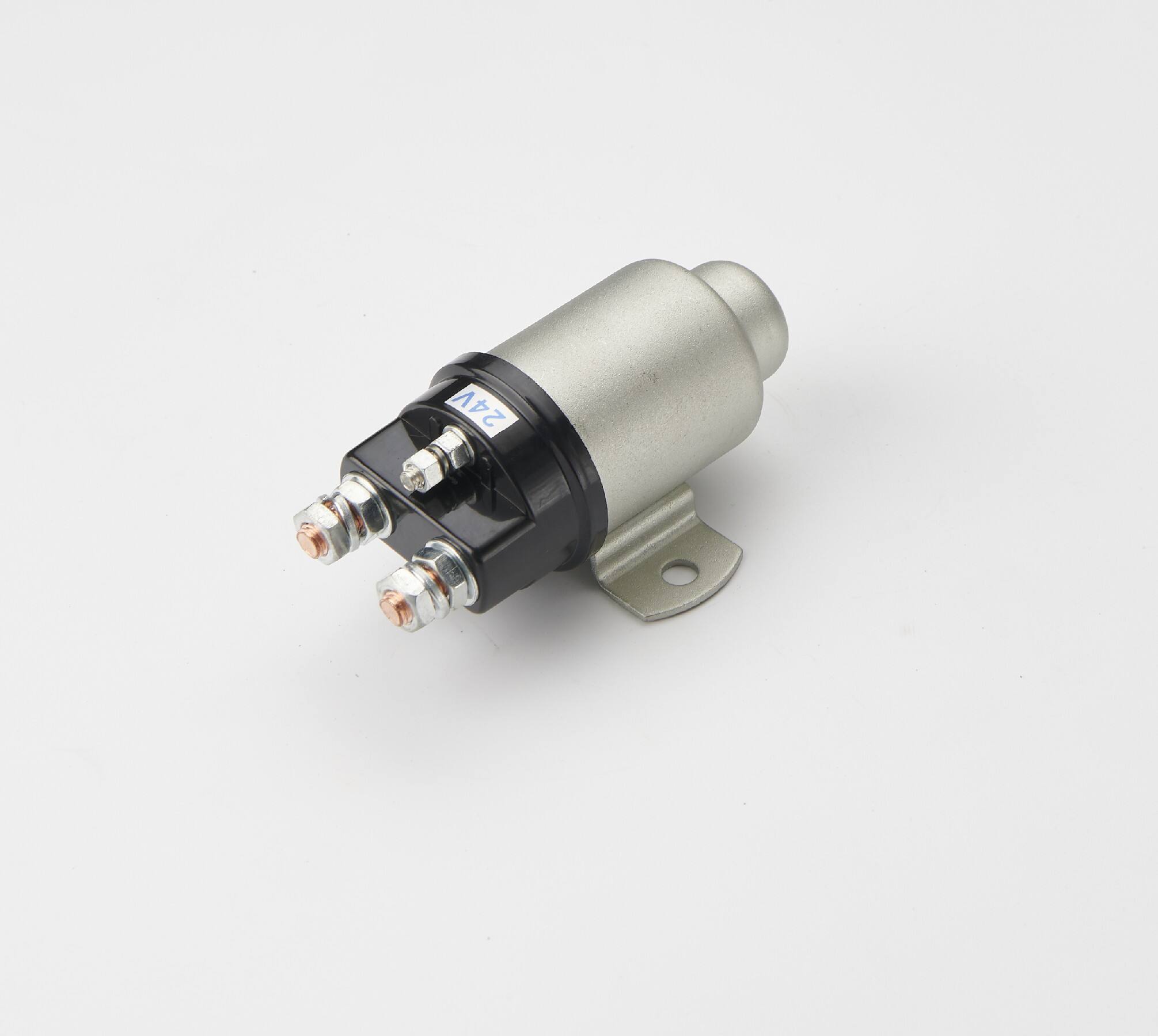
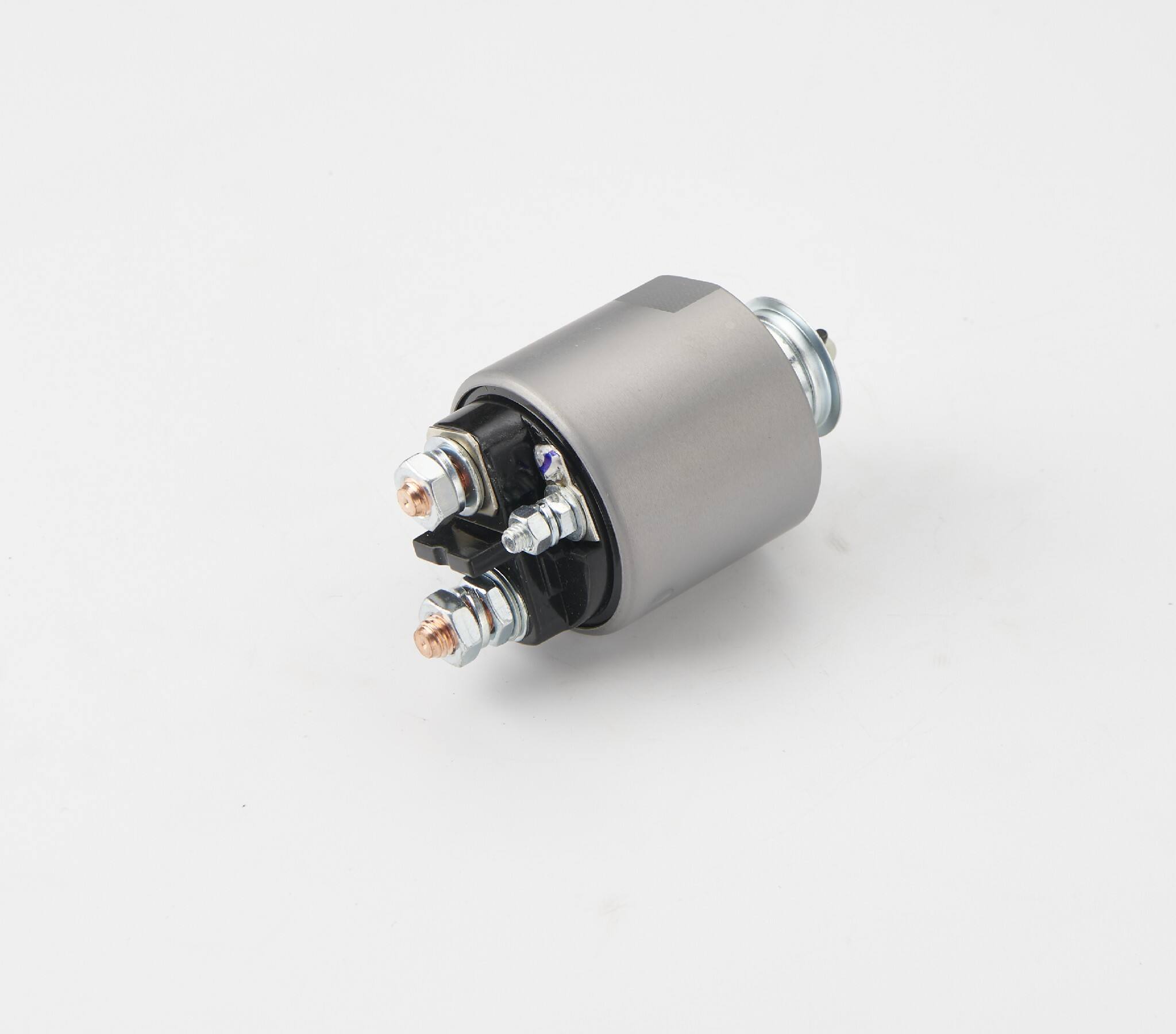
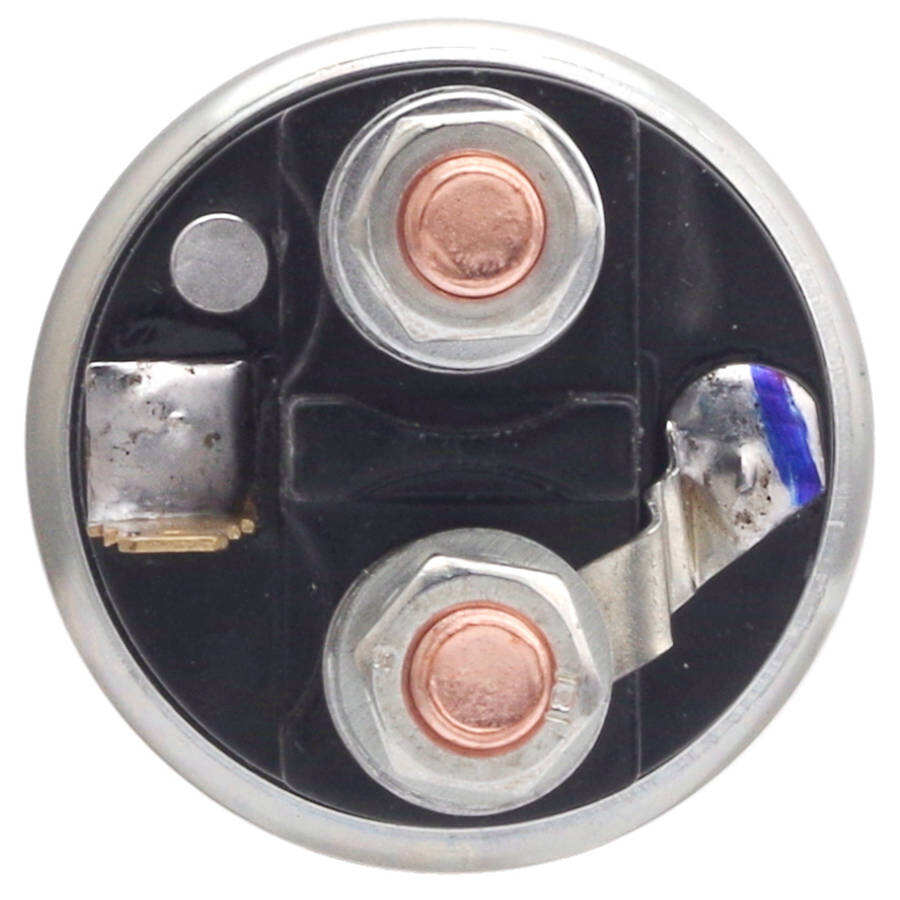
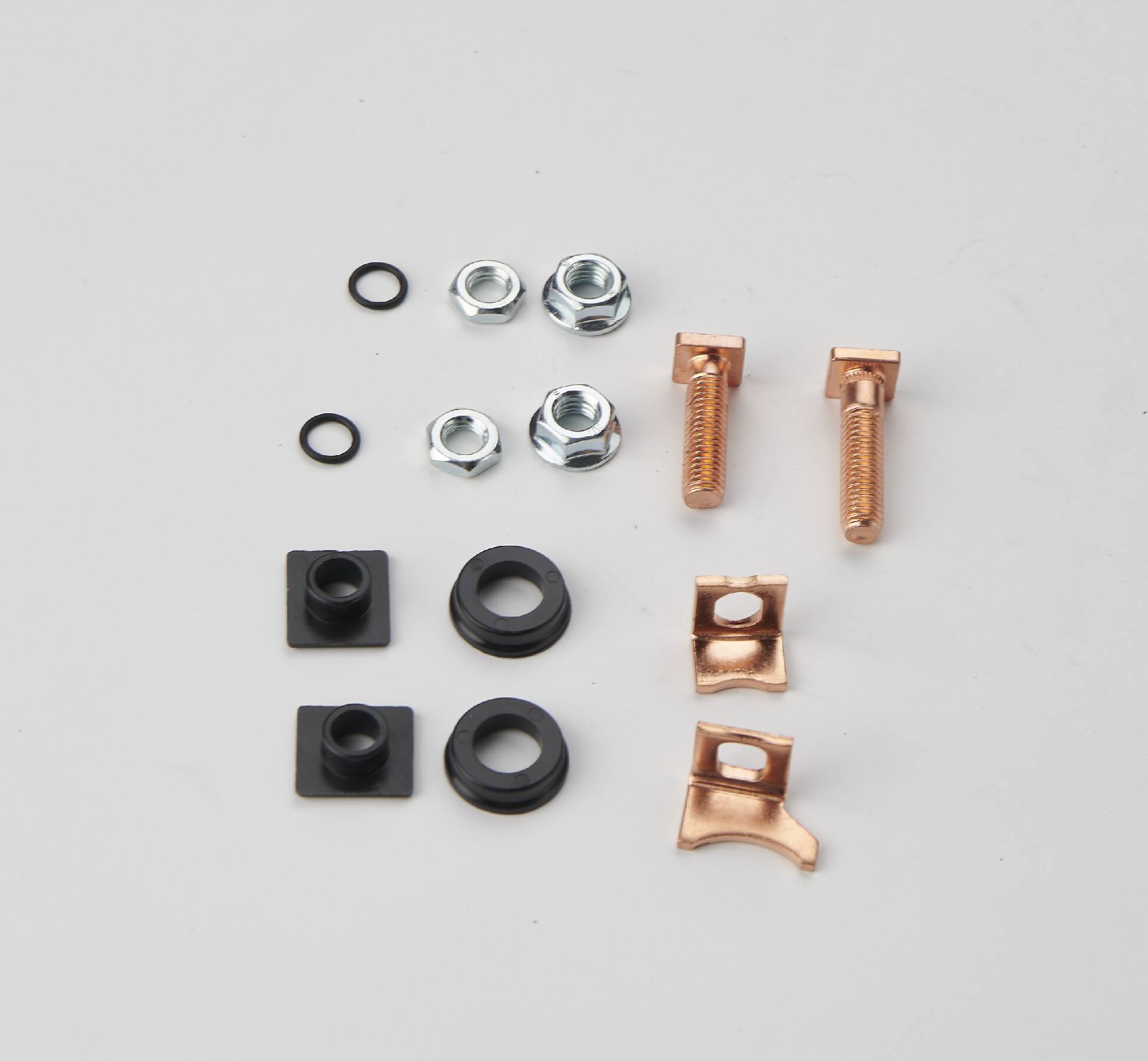
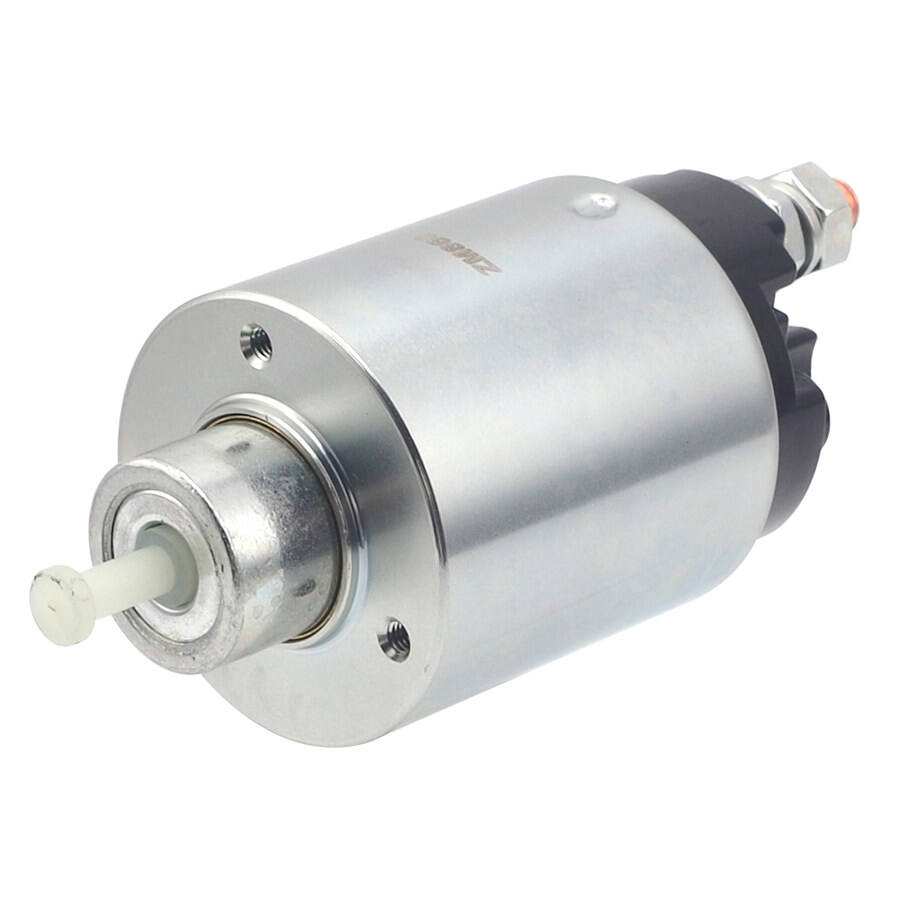
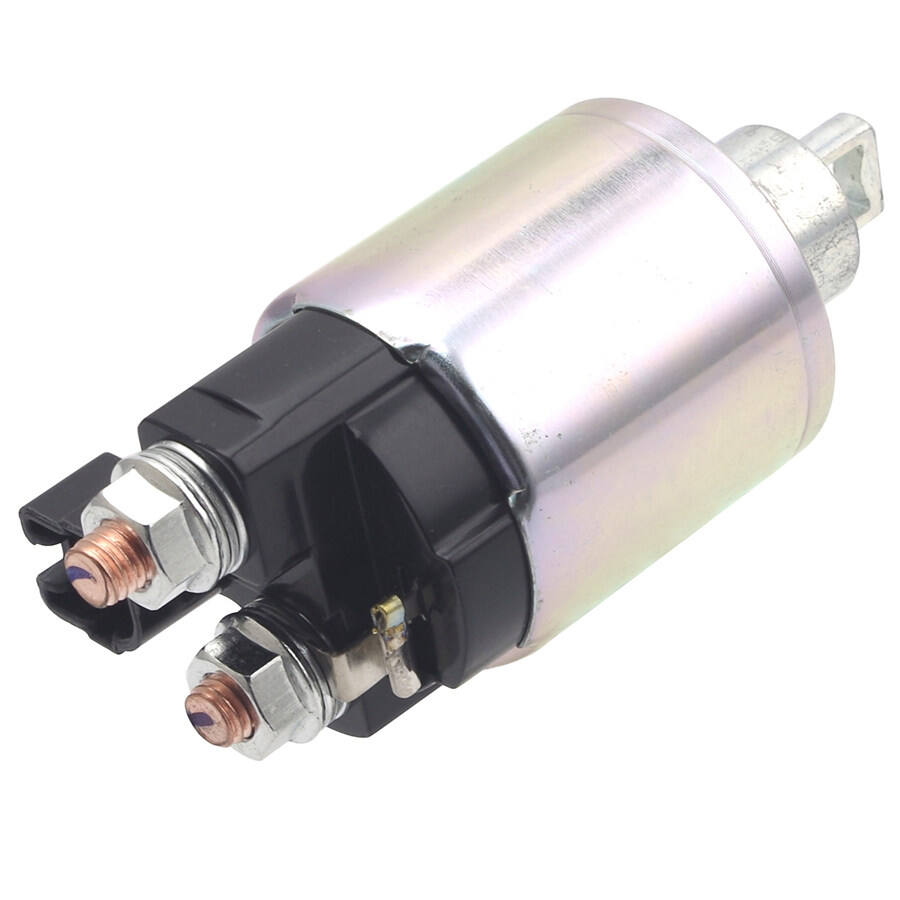
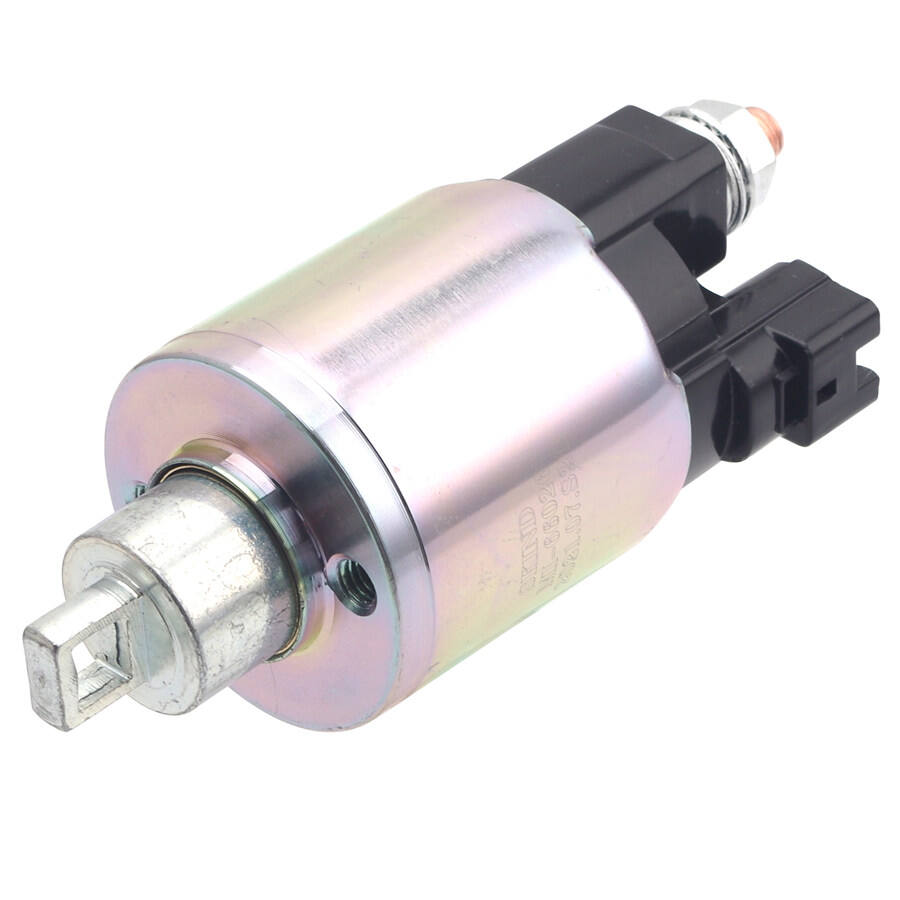
A 3 post starter solenoid represents a critical component in automotive electrical systems, serving as the electromagnetic relay that controls the starter motor engagement process. This specialized device features three distinct connection points that manage the flow of electrical current from the battery to the starter motor, enabling reliable engine ignition across various vehicle applications. The 3 post starter solenoid operates through electromagnetic principles, utilizing a coil that generates magnetic force when energized, which then moves a plunger mechanism to complete the electrical circuit. The three terminals include a battery connection post, an ignition switch input, and a starter motor output terminal, creating a controlled pathway for high-amperage current flow. Technologically, these solenoids incorporate robust materials designed to withstand extreme temperatures, vibrations, and electrical loads encountered in automotive environments. The internal construction typically features heavy-duty contact points made from copper or silver alloy materials that resist corrosion and maintain conductivity over extended operational periods. Modern 3 post starter solenoid designs integrate thermal protection mechanisms that prevent overheating during prolonged cranking cycles, ensuring consistent performance even under demanding conditions. The electromagnetic coil assembly utilizes precision-wound copper wire with appropriate insulation ratings to handle varying voltage inputs while maintaining reliable magnetic field generation. Applications for 3 post starter solenoids span across multiple vehicle categories, including passenger cars, commercial trucks, agricultural equipment, marine vessels, and recreational vehicles. These components prove essential in gasoline and diesel engine applications where dependable starting performance remains paramount for operational success. The versatility of 3 post starter solenoid configurations allows manufacturers to customize specifications according to specific voltage requirements, current handling capacities, and mounting arrangements needed for diverse installation scenarios.
 EN
EN