EN
EN



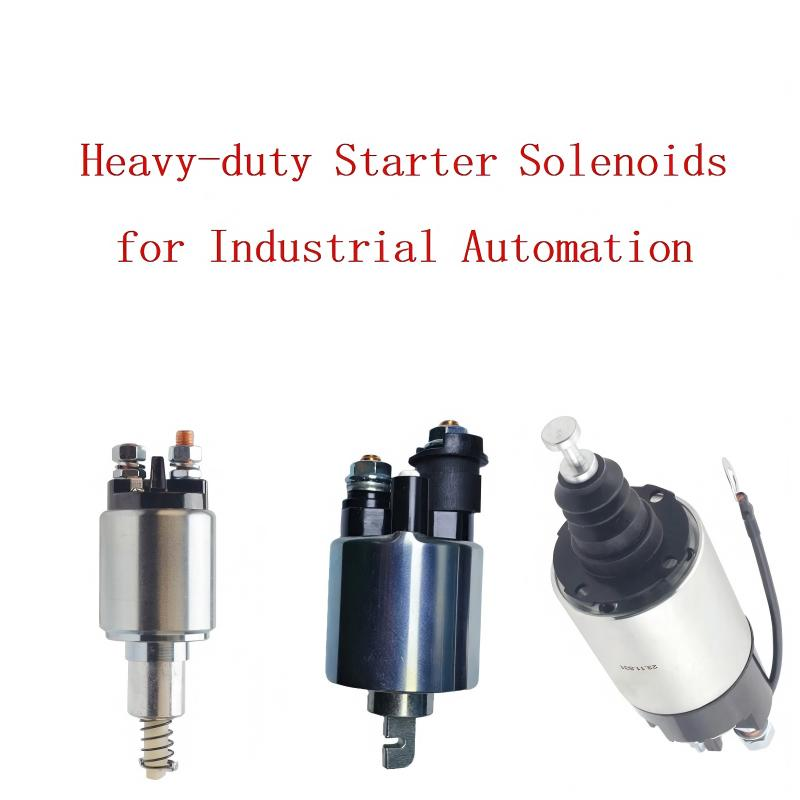
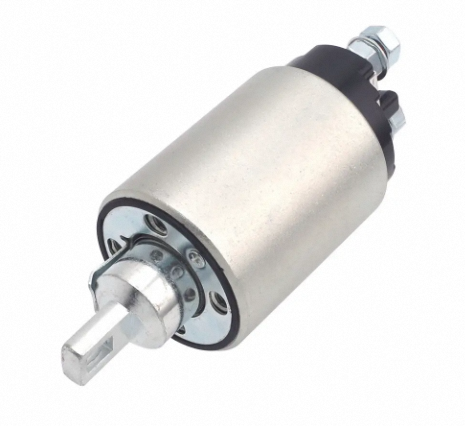
Heavy-duty Starter Solenoids for Industrial Automation
Heavy-duty starter solenoid valves are key parts of modern industrial automation systems. Engineers design these solenoids to work well under heavy loads, high pressure, and constant use. They ensure accurate and dependable control of fluids, gases, and mechanical actions.
As industrial automation grows, the need for durable solenoid solutions is increasing. This guide details the functionality of heavy-duty solenoid valves, their applications, and offers guidance on selecting the appropriate option for challenging industrial environments.
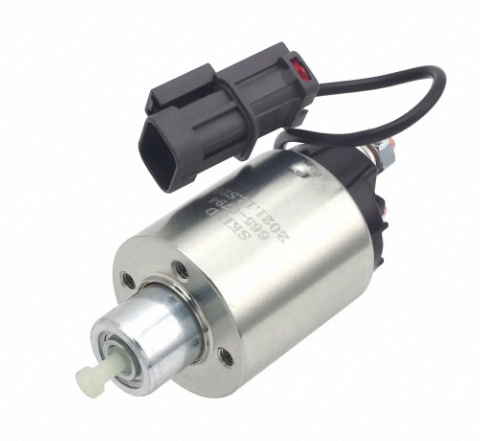
What Is a Heavy-Duty Starter Solenoid?
A robust starter solenoid is an electromechanical component that transforms electrical energy into regulated mechanical movement. When electrical current flows through the solenoid coil, it makes a magnetic field. This field moves an internal plunger or armature, which opens or closes the valve.
Unlike standard solenoid valves, heavy-duty models are engineered for:
- Higher operating forces
- Longer duty cycles
- Extreme temperatures and pressures
- Continuous or high-frequency operation
These features make them ideal for mission-critical industrial automation applications.
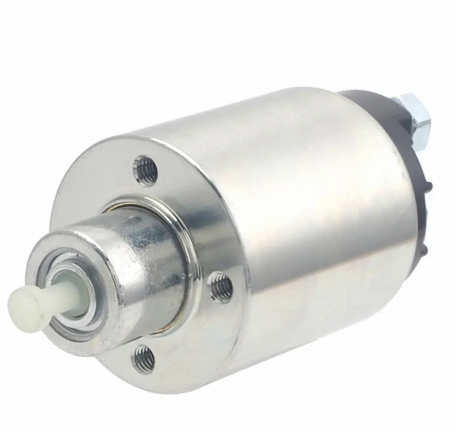
How Heavy-Duty Starter Solenoids Work
The operating principle of a heavy-duty solenoid valve consists of four main components:
- Solenoid Coil – Generates a magnetic field when energized
- Plunger / Armature – Moves linearly under magnetic force
- Valve Body – Directs or blocks the flow of media
- Return Spring – Restores the valve to its default position when power is removed
When voltage is applied, the magnetic force overcomes the spring force, shifting the valve state. Once someone removes power, the spring returns the valve to its original position.
This simple yet reliable mechanism enables fast response times and precise flow control in automated systems.
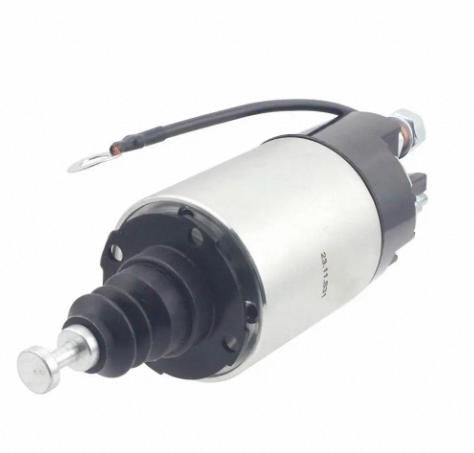
Key Advantages of Heavy-Duty Starter Solenoids
High Reliability in Harsh Environments
Heavy-duty solenoid valves are designed to withstand vibration, dust, moisture, and temperature extremes common in industrial environments.
Long Service Life
With reinforced coils, wear-resistant materials, and optimized magnetic circuits, these solenoids can achieve millions of operating cycles with minimal performance degradation.
High Force Output
Heavy-duty solenoids provide stronger actuation forces than standard ones. This makes them ideal for high-pressure and large-flow applications.
Precise and Fast Control
Rapid switching and consistent actuation improve process accuracy and reduce system response delays in automation lines.
Industrial Automation Applications
Heavy-duty solenoid valves are widely used across multiple industrial sectors:
- Manufacturing and Production Lines
Used to control pneumatic and hydraulic systems, solenoid valves automate clamping, lifting, positioning, and sorting operations.
- Robotics and Motion Control
In robotic systems, solenoid valves regulate air and fluid flow for actuators, enabling accurate and repeatable movements.
- Fluid and Gas Control Systems
Applied in chemical processing, water treatment, and oil & gas installations where safe and reliable flow control is essential.
- HVAC and Energy Systems
Used in heating, cooling, and pressure regulation systems to manage airflow, refrigerants, and liquid circulation.
Key Performance Parameters to Consider
When selecting a heavy-duty solenoid valve, engineers should evaluate the following factors:
- Operating Voltage and Power Consumption
- Pressure and Temperature Ratings
- Duty Cycle (Continuous or Intermittent Operation)
- Response T ime and Actuation Speedime
- Media Compatibility
- Ingress Protection (IP Rating)
Matching these parameters with system requirements is critical to long-term reliability and efficiency.
Conclusion
Heavy-duty solenoid valves are a cornerstone of industrial automation, delivering reliable, precise, and durable control across a wide range of applications. By understanding their operating principles, performance parameters, and selection criteria, engineers and system integrators can significantly improve automation efficiency and equipment reliability.
As automation systems continue to evolve, high-performance solenoid valves will remain essential components in achieving stable and scalable industrial operations.